

Paper
George Perkovich
{
  "authors": [
    "George Perkovich"
  ],
  "type": "legacyinthemedia",
  "centerAffiliationAll": "dc",
  "centers": [
    "Carnegie Endowment for International Peace"
  ],
  "collections": [],
  "englishNewsletterAll": "ctw",
  "nonEnglishNewsletterAll": "",
  "primaryCenter": "Carnegie Endowment for International Peace",
  "programAffiliation": "NPP",
  "programs": [
    "Nuclear Policy"
  ],
  "projects": [],
  "regions": [
    "South Asia",
    "Pakistan"
  ],
  "topics": [
    "Nuclear Policy"
  ]
}
Source: Getty
U.S. concerns about Pakistan's nuclear weapons are sometimes exaggerated; the risk of nuclear war between India and Pakistan is greater than that of terrorists gaining access to Pakistan's nuclear arsenal.
Source: NPR


Japan Chair for a World Without Nuclear Weapons, Senior Fellow
George Perkovich is the Japan Chair for a World Without Nuclear Weapons and a senior fellow in the Carnegie Endowment for International Peace’s Nuclear Policy Program. He works primarily on nuclear deterrence, nonproliferation, and disarmament issues, and is leading a study on nuclear signaling in the 21st century.
Recent Work
George Perkovich
George Perkovich
Carnegie does not take institutional positions on public policy issues; the views represented herein are those of the author(s) and do not necessarily reflect the views of Carnegie, its staff, or its trustees.
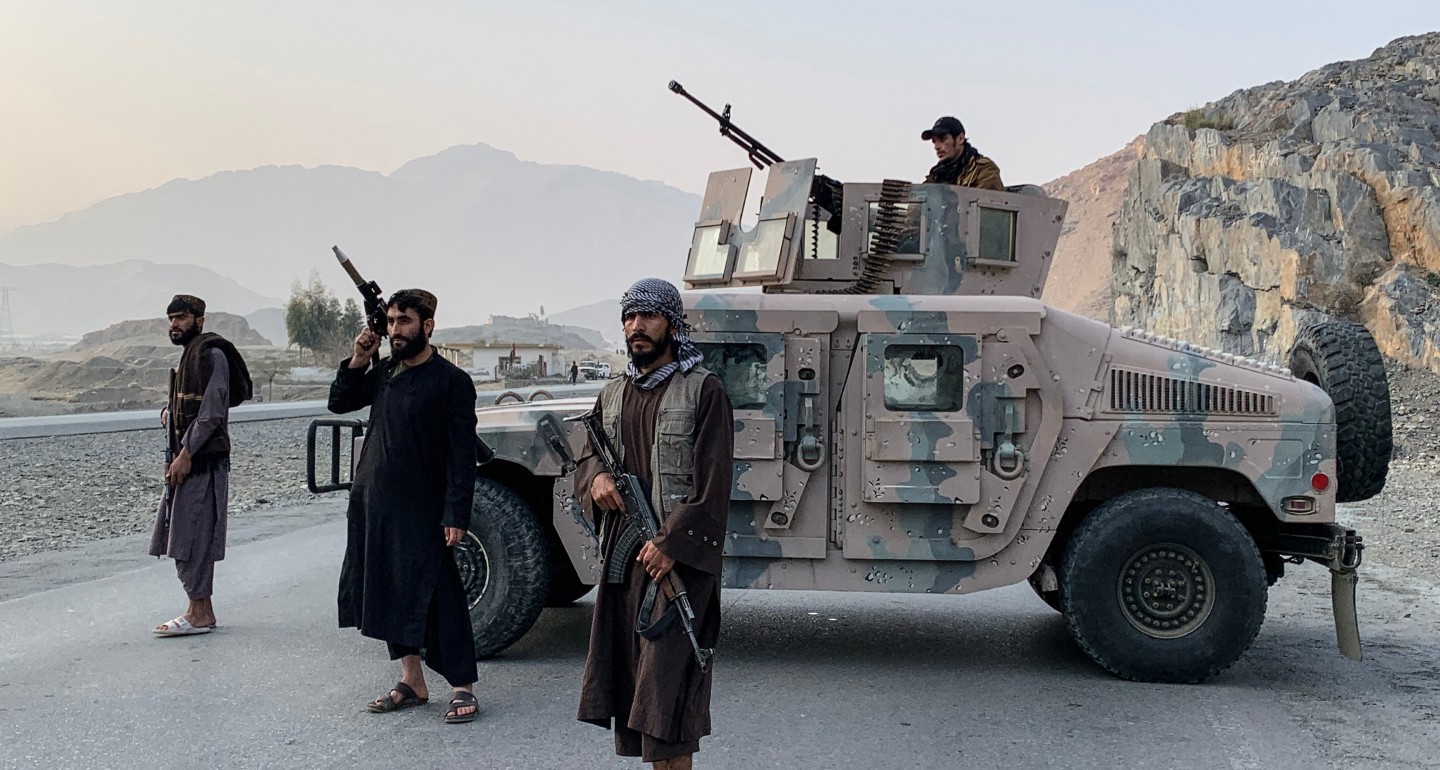
Not only does the fighting jeopardize regional security, it undermines Russian attempts to promote alternatives to the Western-dominated world order.
Ruslan Suleymanov
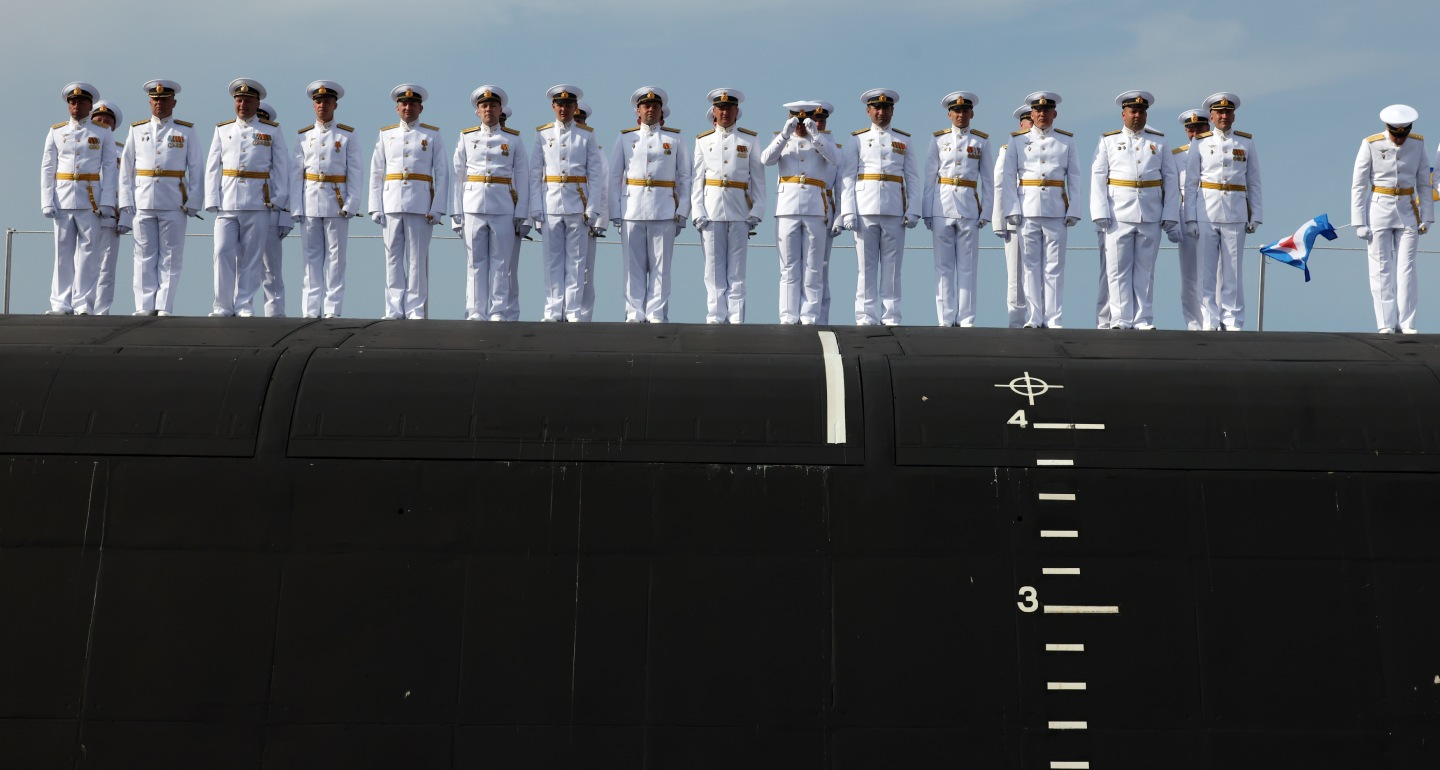
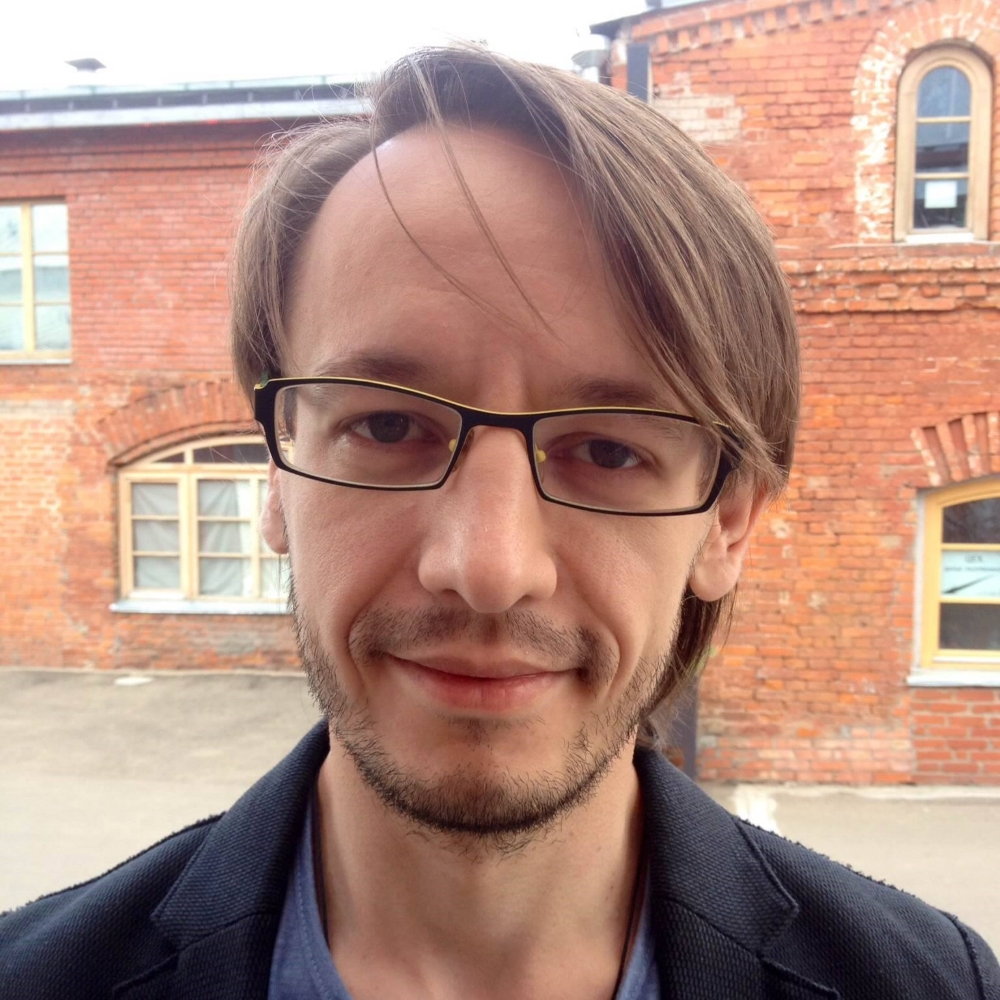
For Putin, upgrading Russia’s nuclear forces was a secondary goal. The main aim was to gain an advantage over the West, including by strengthening the nuclear threat on all fronts. That made growth in missile arsenals and a new arms race inevitable.
Maxim Starchak
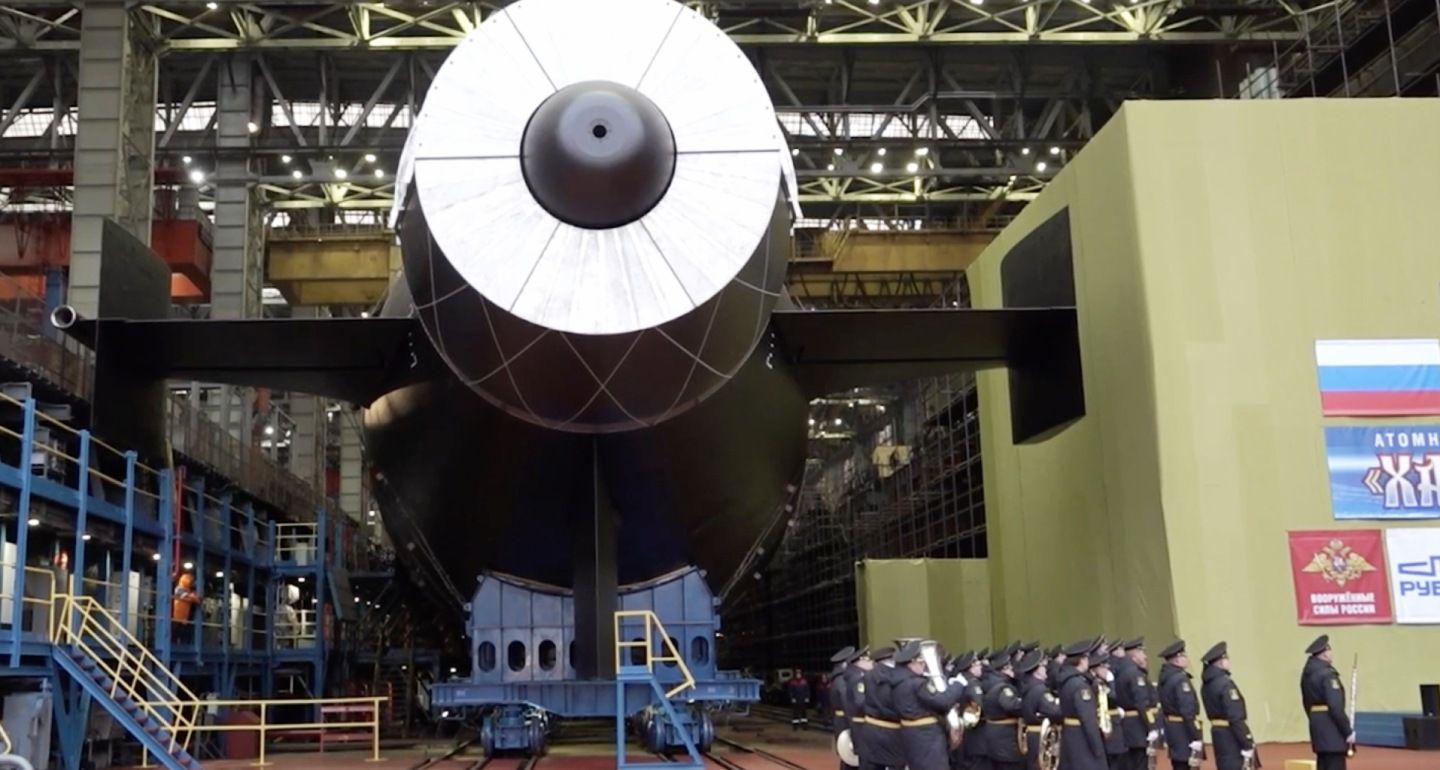
The Kremlin will only be prepared to negotiate strategic arms limitations if it is confident it can secure significant concessions from the United States. Otherwise, meaningful dialogue is unlikely, and the international system of strategic stability will continue to teeter on the brink of total collapse.
Maxim Starchak
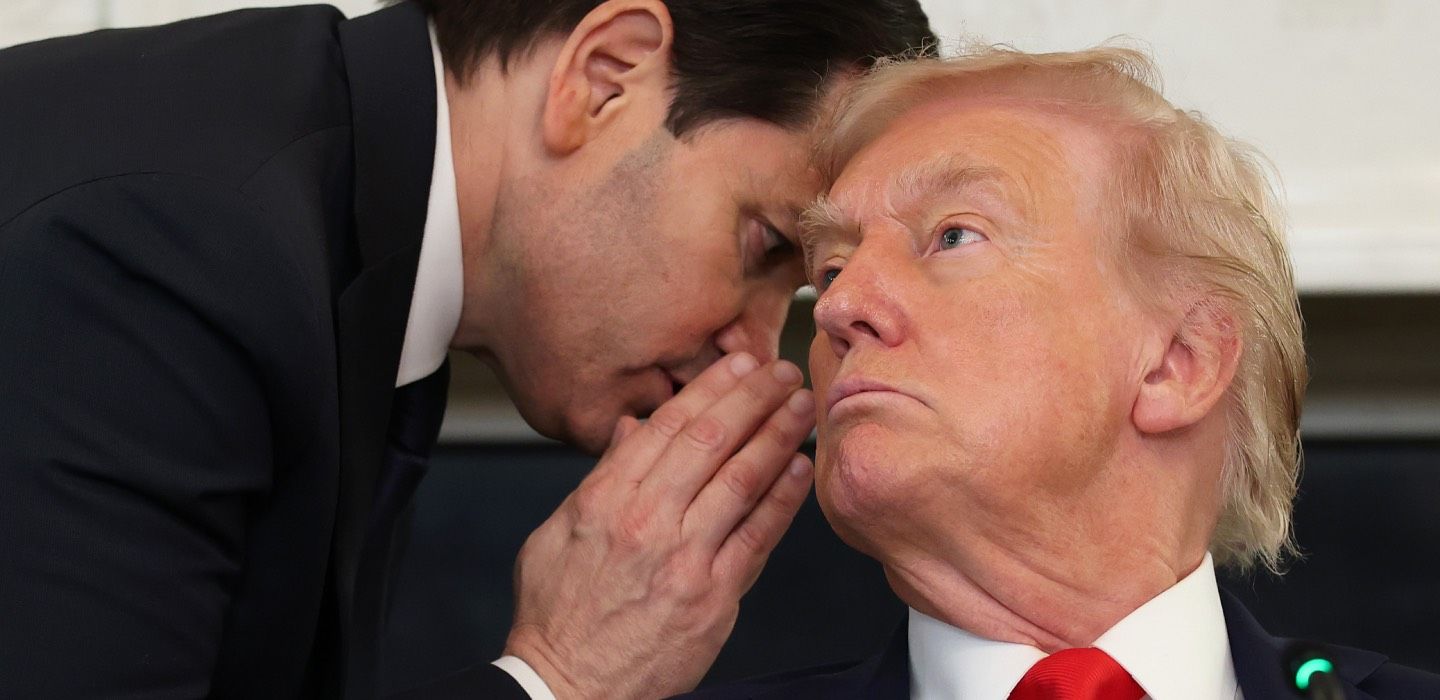
The collapse of the Budapest summit is an inevitable result of the Russian system of artificially creating foreign policy crises in order to achieve a desired outcome.

Alexander Baunov
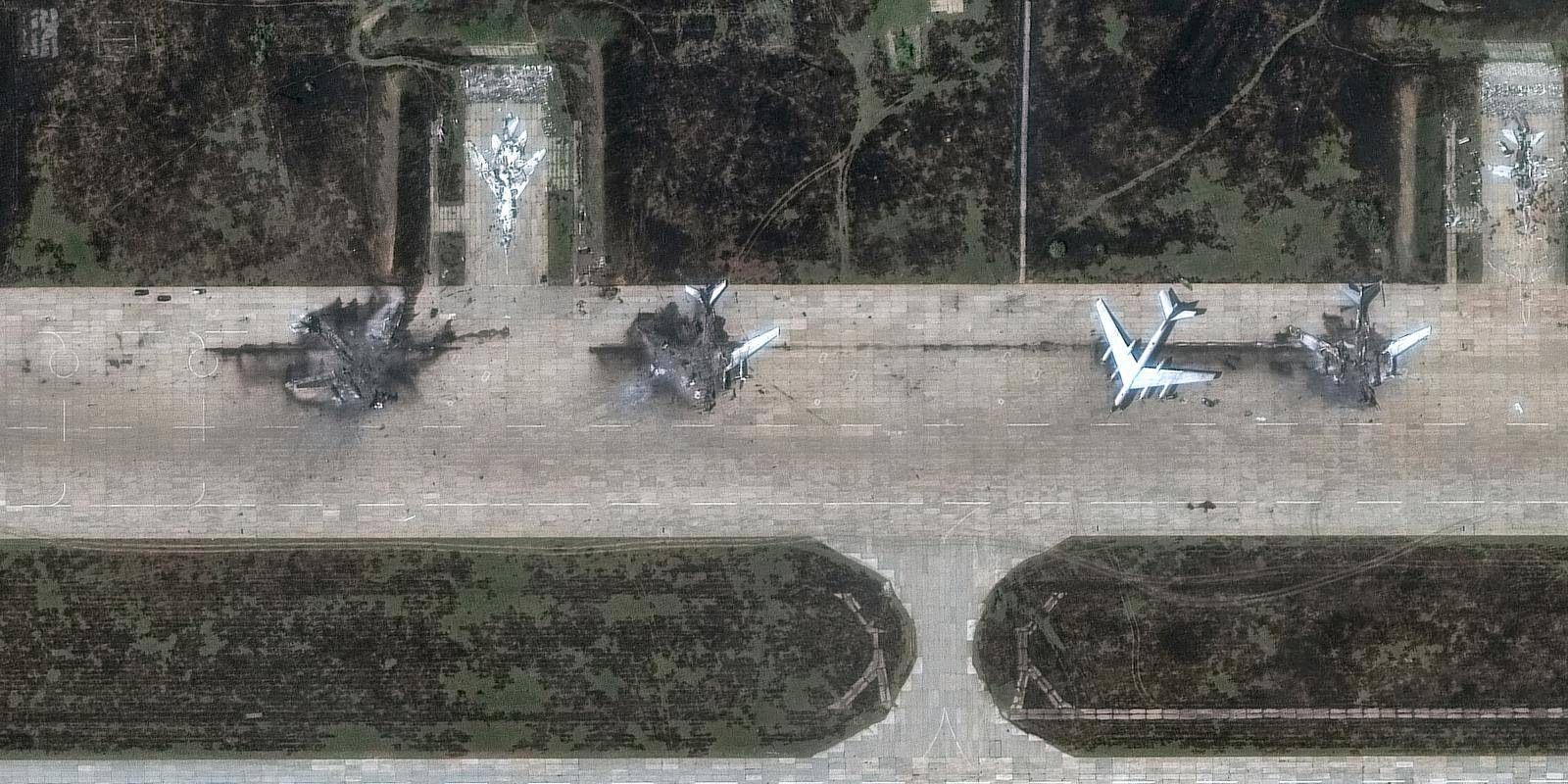
Russia could compensate for “nuclear losses” to its aviation by strengthening other elements of its nuclear triad. At a time when control mechanisms are not functioning, there is a risk of strategic uncertainty emerging over the development trajectory of Russia’s nuclear forces.
Maxim Starchak