

Q&A
- +1
Amr Hamzawy, Andrew Leber, Eric Lob, …
{
  "authors": [
    "Marwan Muasher"
  ],
  "type": "legacyinthemedia",
  "centerAffiliationAll": "dc",
  "centers": [
    "Carnegie Endowment for International Peace",
    "Malcolm H. Kerr Carnegie Middle East Center"
  ],
  "collections": [
    "Arab Awakening"
  ],
  "englishNewsletterAll": "menaTransitions",
  "nonEnglishNewsletterAll": "",
  "primaryCenter": "Carnegie Endowment for International Peace",
  "programAffiliation": "MEP",
  "programs": [
    "Middle East"
  ],
  "projects": [],
  "regions": [
    "Middle East",
    "North Africa",
    "Libya",
    "Tunisia",
    "Syria",
    "Maghreb"
  ],
  "topics": [
    "Political Reform"
  ]
}
Source: Getty
In countries like Syria and Libya, where the situation is still fluid and tumultuous, Tunisia provides a great example of how a transitional election should unfold.
Source: Viewpoints with James Zogby
Speaking on Viewpoints with James Zogby, Carnegie's Marwan Muasher explained why the Tunisian elections provide an exemplary model for the Arab world on what the beginnings of a democratic transition can look like. According to Marwan Muasher, “the results of the election, which was free from violence; the turnout, which was near 90 percent; the election committee, which ensured transparency; and the role of the military, all were very encouraging signs.” Although there is significant concern over the role of the Islamic Ennahda party, Muasher suggested that so far, Ennahda has shown itself to be a moderate Islamic party and has even run unveiled women candidates. Moreover, he pointed out that these elections are for a constituent assembly to draft a constitution. If Tunisians are unhappy with Ennahda, they can simply vote them out in the next elections, which are a year away.
In countries like Syria and Libya, and even Egypt to a certain extent, where the situation is still fluid and tumultuous, “Tunisia provides a great example of how a transitional election should unfold,” noted Muasher.

Vice President for Studies
Marwan Muasher is vice president for studies at Carnegie, where he oversees research in Washington and Beirut on the Middle East. Muasher served as foreign minister (2002–2004) and deputy prime minister (2004–2005) of Jordan, and his career has spanned the areas of diplomacy, development, civil society, and communications.
Recent Work



Amr Hamzawy, Andrew Leber, Eric Lob, …
Marwan Muasher
Carnegie does not take institutional positions on public policy issues; the views represented herein are those of the author(s) and do not necessarily reflect the views of Carnegie, its staff, or its trustees.
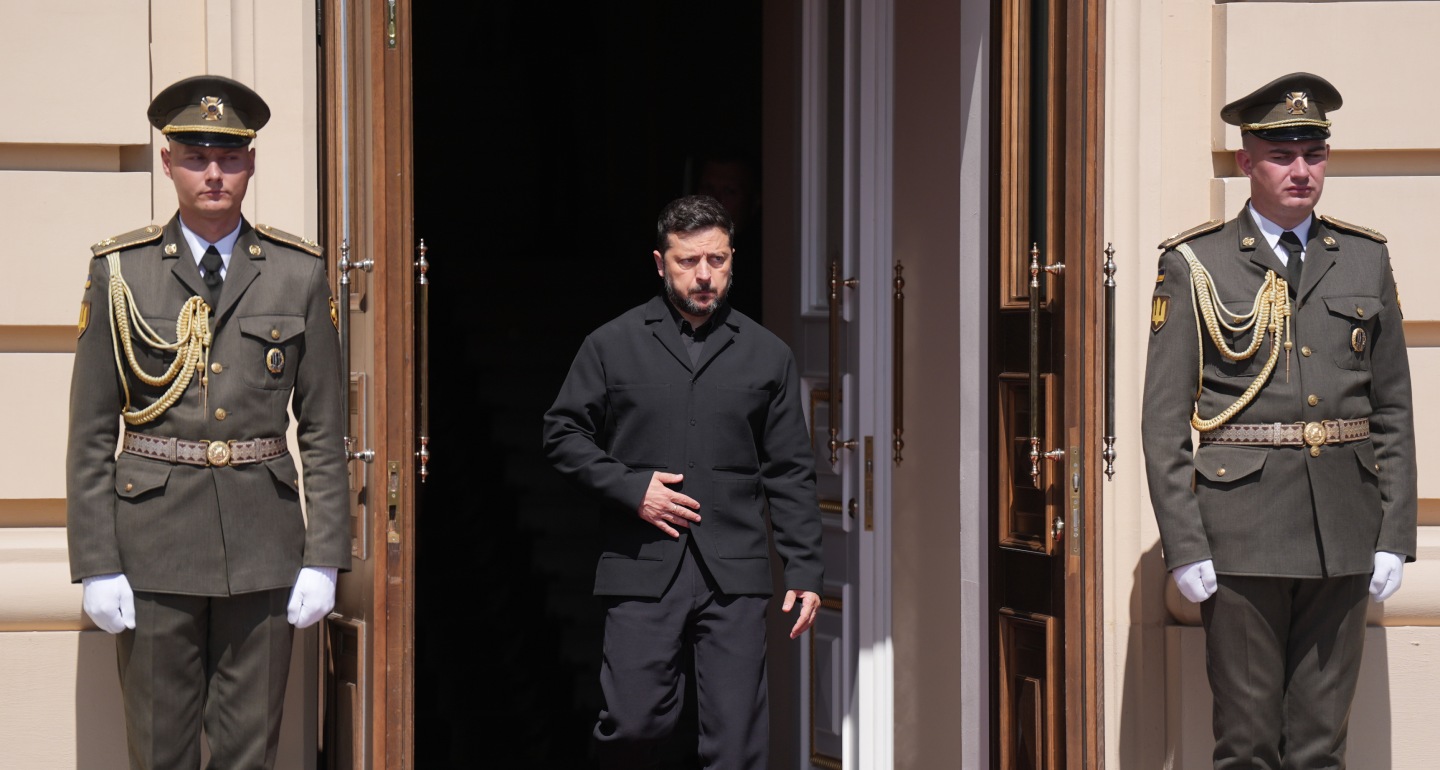
Ultimately, Zelensky sided neither with the reform camp nor with the military establishment as such, but with political control.

Balázs Jarábik
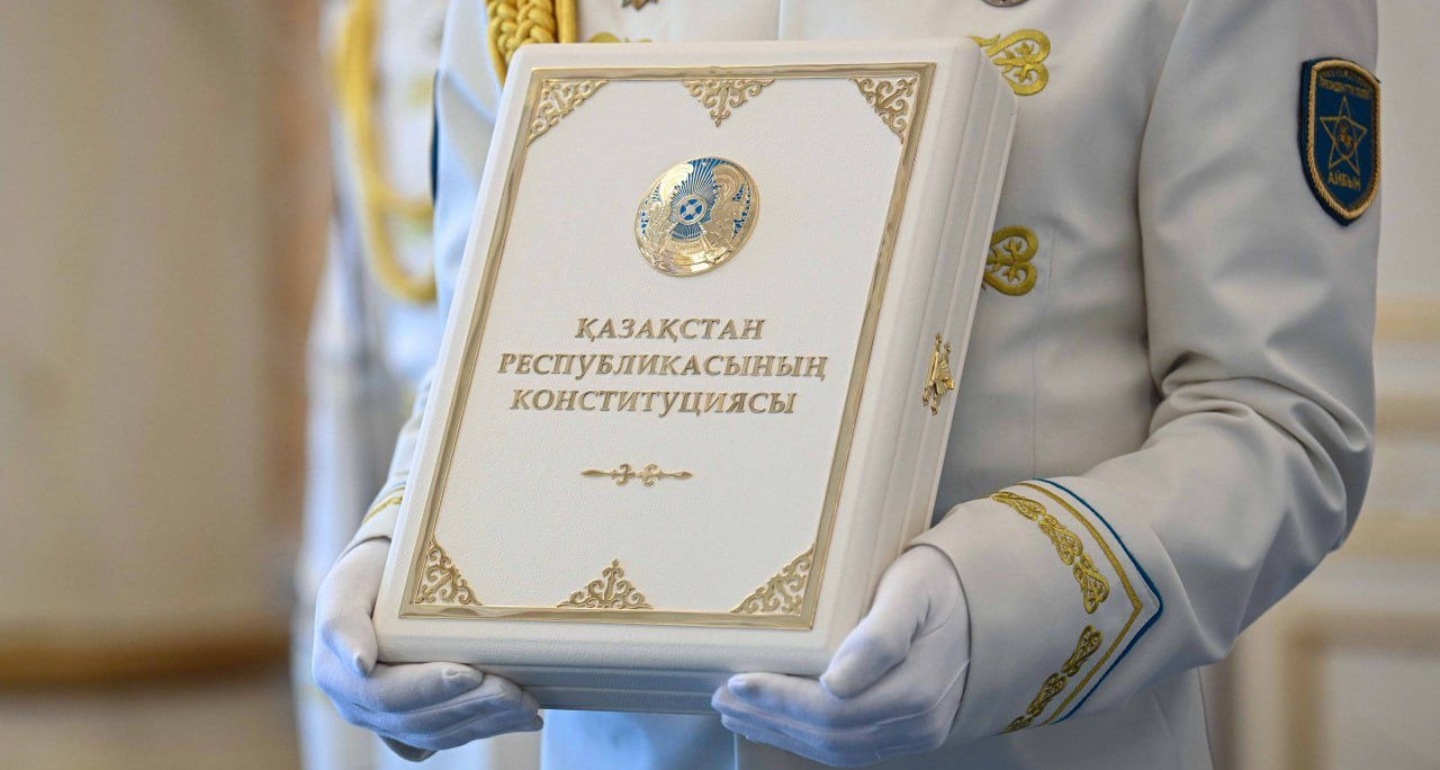
Tokayev’s predecessor, Nursultan Nazarbayev, outlined arrangements for a power transition too soon and in too much detail, ultimately losing control over the process. Tokayev is determined not to meet the same fate.

Temur Umarov

Despite unhappiness on the ground, Moscow is determined to use both carrot and stick to ensure there is record support for United Russia in occupied Ukraine.

Konstantin Skorkin

Whether PAS can refocus on the unfinished business of state-building may ultimately prove more consequential for Moldova’s European future than the pace of its accession negotiations.
Balázs Jarábik
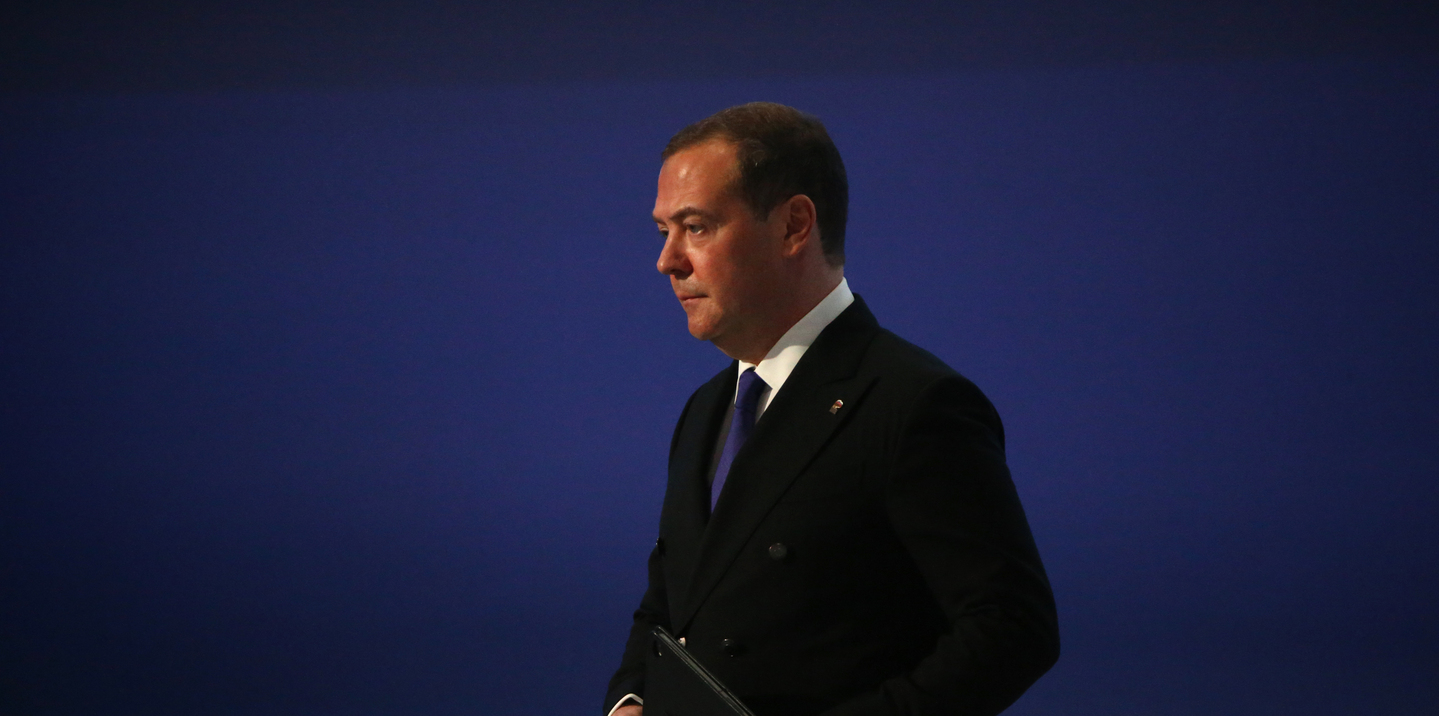
Medvedev’s defeat in the battle for the position of speaker appears to signal that the long process of his marginalization in Russian politics has passed the point of no return.

Andrey Pertsev