

Report
Shin-pei Tsay, Victoria Herrmann
{
  "authors": [
    "Shin-pei Tsay"
  ],
  "type": "legacyinthemedia",
  "centerAffiliationAll": "dc",
  "centers": [
    "Carnegie Endowment for International Peace"
  ],
  "collections": [],
  "englishNewsletterAll": "ctw",
  "nonEnglishNewsletterAll": "",
  "primaryCenter": "Carnegie Endowment for International Peace",
  "programAffiliation": "SCP",
  "programs": [
    "Sustainability, Climate, and Geopolitics"
  ],
  "projects": [],
  "regions": [
    "North America",
    "United States"
  ],
  "topics": [
    "Climate Change"
  ]
}
Source: Getty
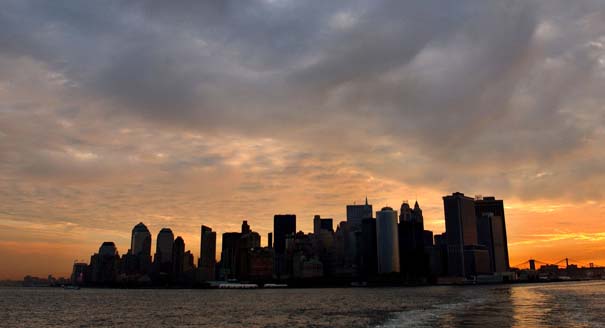
The United State should focus on the construction of livable communities composed of walkable, mixed-use, transit-served neighborhoods.
Source: New York Times

Unfortunately, decades-old policies and laws discourage sprawl-free developments in much of the country. Local laws are shaped by federal policy. The current national transportation bill continues to focus on highway development at the expense of walking, biking and public transit.
Federal Housing Administration limits on financing of commercial developments essentially cap the mixed-use districts Ms. Mozingo and Mr. Leinberger wrote about. Moreover, the mortgage interest tax deduction continues to support overfinancing of outsized homes in the suburbs.
It’s time that we updated our nation’s policies so that we can begin a new chapter in American metropolitan development. If we continue to use outmoded 20th-century tools to solve 21st-century problems, especially in an age of diminishing public funds and heightened climate and security concerns, we will go nowhere fast.
Former Nonresident Associate, Energy and Climate Program
Shin-pei Tsay was a nonresident associate in the Energy and Climate Program at the Carnegie Endowment for International Peace.
Recent Work
Shin-pei Tsay, Victoria Herrmann
Shin-pei Tsay, Victoria Herrmann
Carnegie does not take institutional positions on public policy issues; the views represented herein are those of the author(s) and do not necessarily reflect the views of Carnegie, its staff, or its trustees.

Trump has promised Belarus a massive potash deal. But Minsk is seeking something greater: restored Western transit and greater room for maneuver from Russia.

Balázs Jarábik

Minsk clearly expected the dialogue with Washington to yield more results, in particular the lifting of EU sanctions and permission to export potash.

Artyom Shraibman

When faced with fuel shortages in the past, Central Asian governments could always count on additional supplies from Moscow. That safety net no longer exists.

Galiya Ibragimova
Official discussions about mini oil refineries are unlikely to come to anything—but the mere fact they’re happening reveals the regime is failing to deliver a functioning economy.

Sergey Vakulenko

Ongoing uncertainty in the Middle East allows Moscow to both increase its influence in Tehran and continue to enjoy the financial windfall of higher oil prices.

Nikita Smagin