

Paper
Ibrahim Saif, Ahmed Ghoneim
{
  "authors": [
    "Ibrahim Saif"
  ],
  "type": "other",
  "centerAffiliationAll": "",
  "centers": [
    "Carnegie Endowment for International Peace",
    "Malcolm H. Kerr Carnegie Middle East Center"
  ],
  "collections": [
    "Arab Awakening"
  ],
  "englishNewsletterAll": "",
  "nonEnglishNewsletterAll": "",
  "primaryCenter": "Malcolm H. Kerr Carnegie Middle East Center",
  "programAffiliation": "",
  "programs": [],
  "projects": [],
  "regions": [
    "North Africa",
    "Egypt",
    "North America"
  ],
  "topics": [
    "Economy"
  ]
}
Source: Getty
The overall impact of the global downturn on Egypt is that it creates deflationary expectations. As a result, domestic and foreign investors prefer to wait until the dust settles before they make their investment decisions.
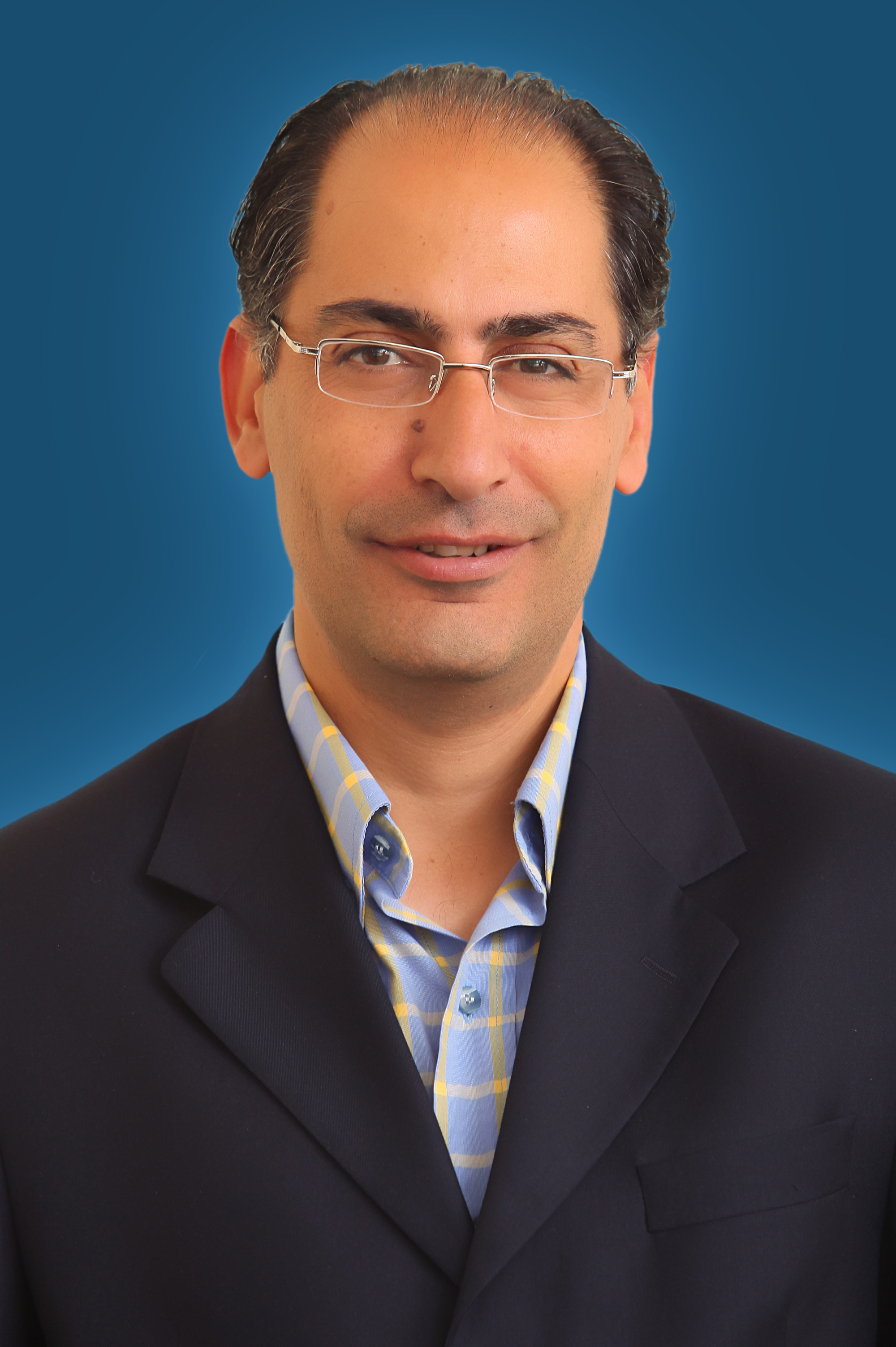
Former Senior Associate, Middle East Center
Saif is an economist specializing in the political economy of the Middle East. His research focuses on international trade and structural adjustment programs in developing countries, with emphasis on Jordan and the Middle East.
Recent Work
Ibrahim Saif, Ahmed Ghoneim
Ibrahim Saif, Muhammad Abu Rumman
Carnegie does not take institutional positions on public policy issues; the views represented herein are those of the author(s) and do not necessarily reflect the views of Carnegie, its staff, or its trustees.
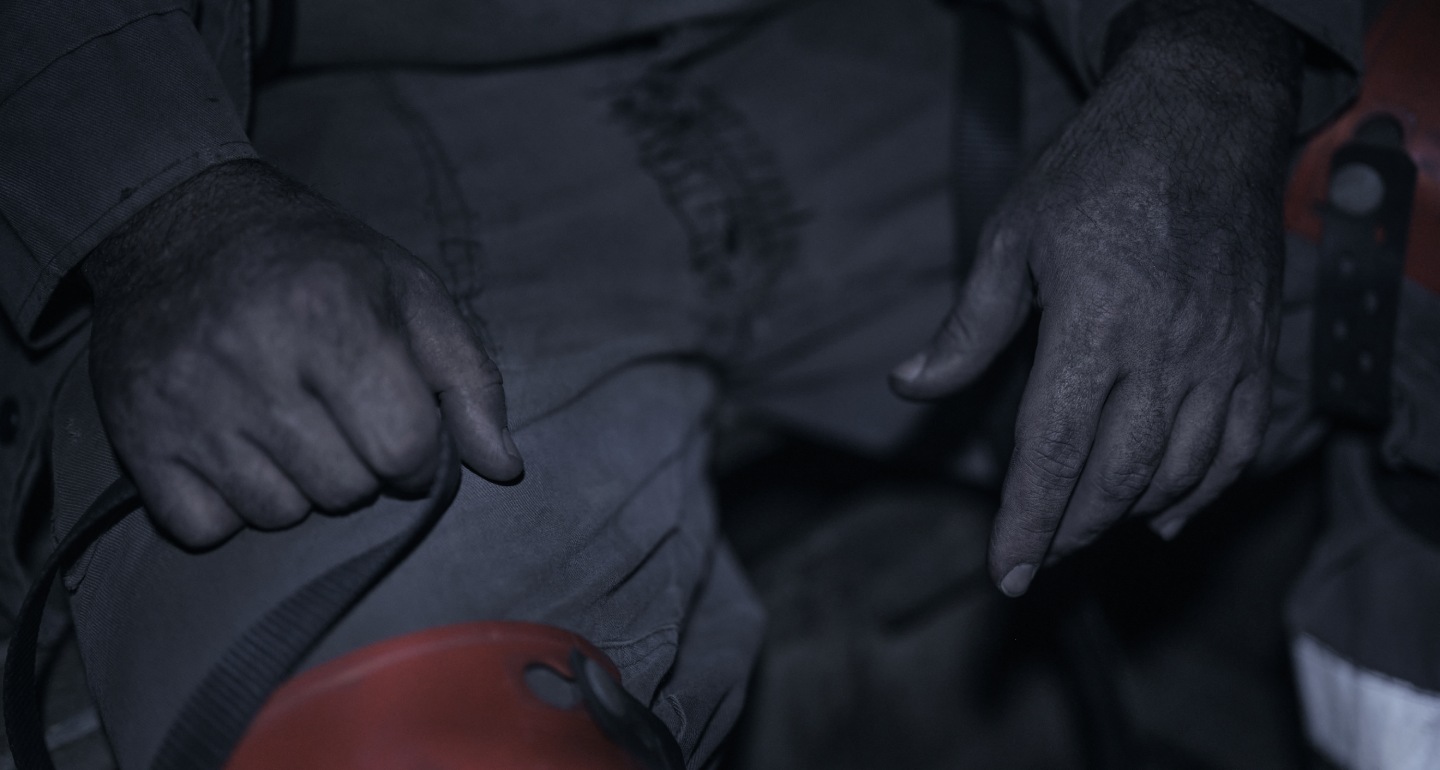
Powerful lobbyists and inertia led to Russia’s coal-mining sector missing an excellent opportunity to solve its structural problems.
Alexey Gusev
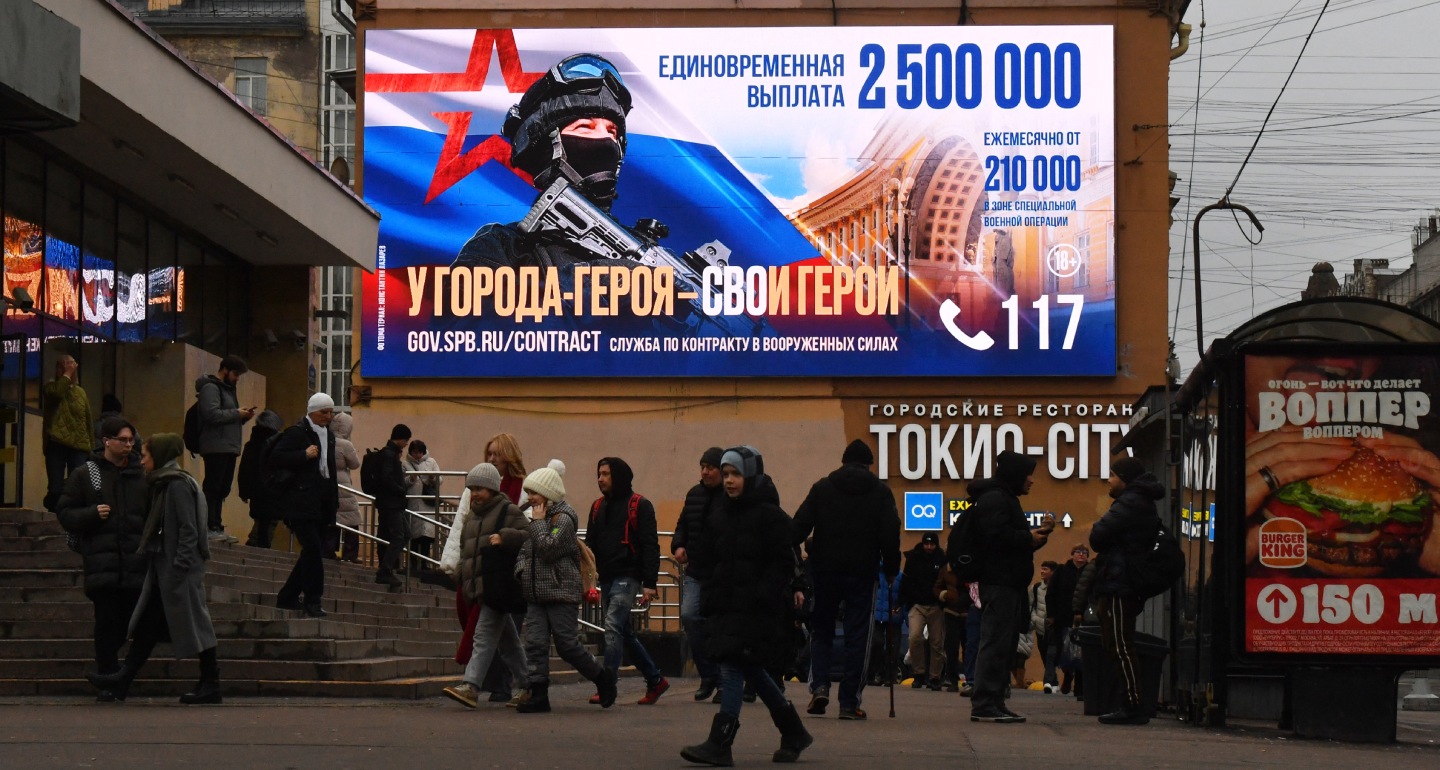
The Russian army is not currently struggling to recruit new contract soldiers, though the number of people willing to go to war for money is dwindling.

Dmitry Kuznets
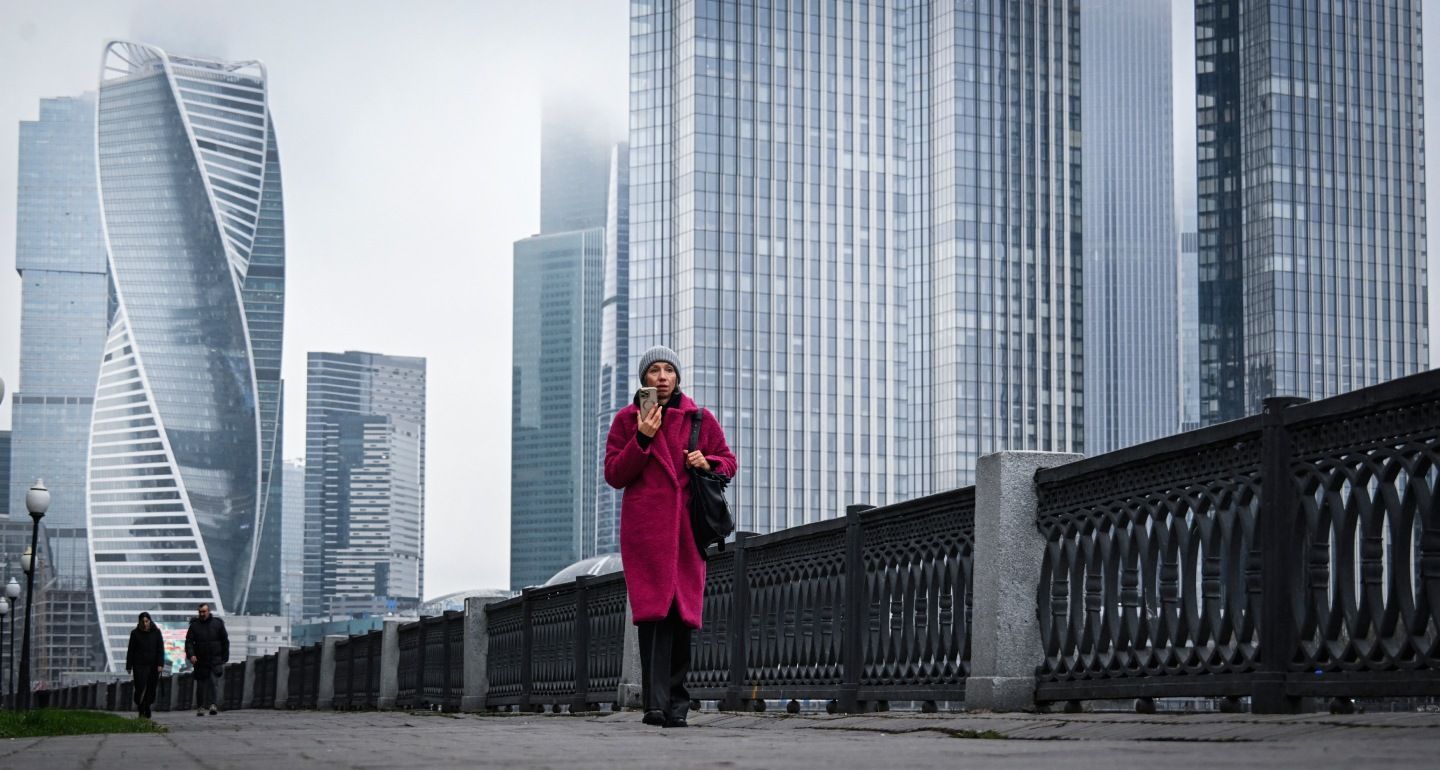
The paradox of the European Commission’s decision is that the main victims will not be those it formally targets. Major Russian businesses associated with the Putin regime have long adapted to sanctions with the help of complex schemes involving third countries, offshore companies, and nonpublic entities.
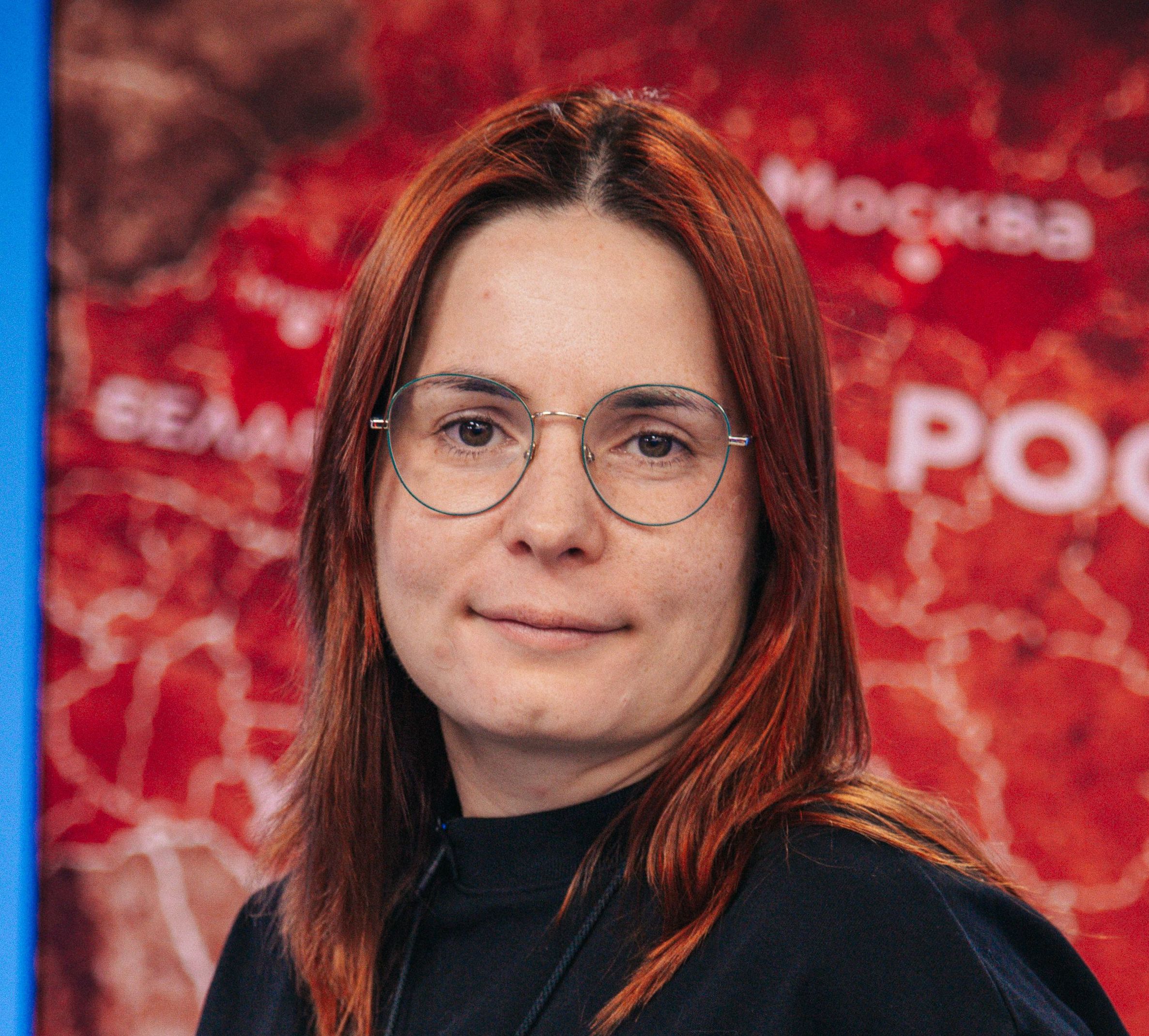
Alexandra Prokopenko
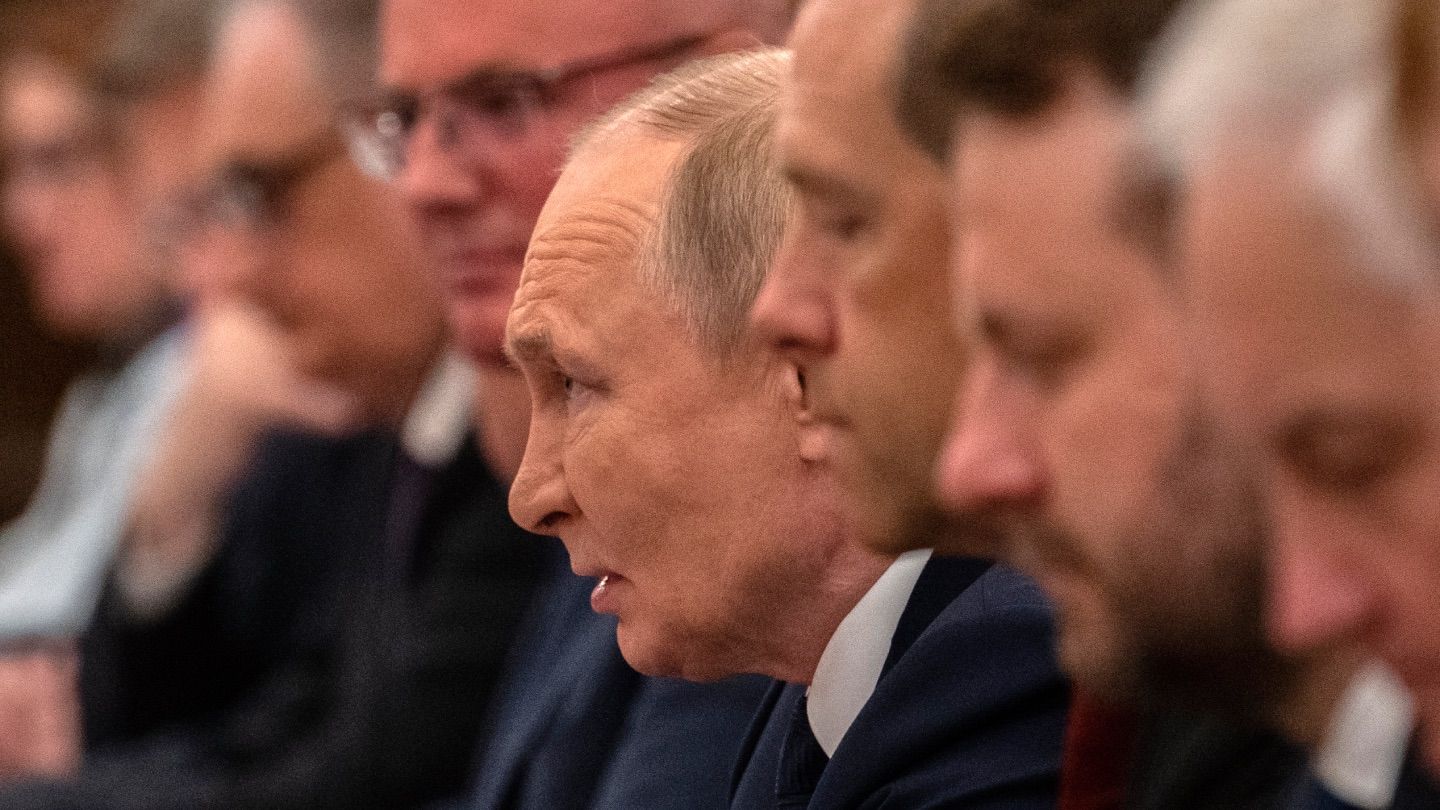
A new book by Alexandra Prokopenko looks at why the Russian ruling class became the regime’s willing servants—and how they might fare in a post-Putin world.
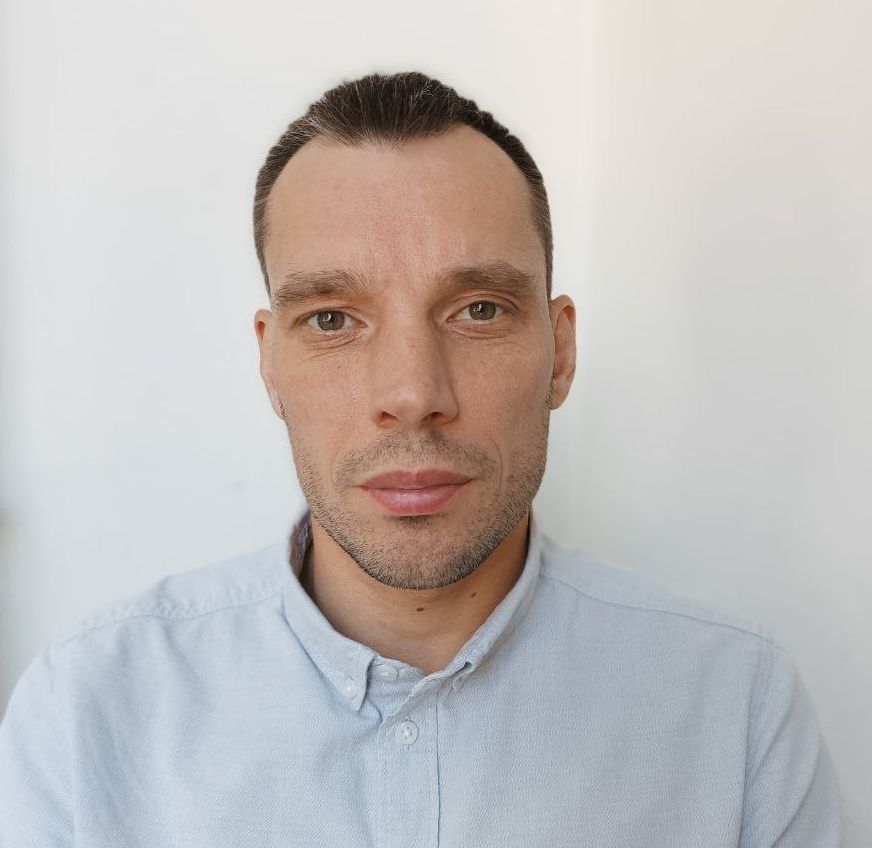
Vladislav Gorin
The volume of frozen private assets might seem insignificant compared with Russia’s sovereign reserves, but these are the savings of millions of people who believed that foreign securities were a safe investment and in the institution of private property.
Yulia Starostina