• Research
  • Politika
  • About
Carnegie Russia Eurasia center logoCarnegie lettermark logo
  • Donate
{
  "authors": [
    "Uri Dadush"
  ],
  "type": "other",
  "centerAffiliationAll": "",
  "centers": [
    "Carnegie Endowment for International Peace"
  ],
  "collections": [],
  "englishNewsletterAll": "",
  "nonEnglishNewsletterAll": "",
  "primaryCenter": "Carnegie Endowment for International Peace",
  "programAffiliation": "",
  "programs": [],
  "projects": [],
  "regions": [
    "Western Europe",
    "France",
    "Germany"
  ],
  "topics": [
    "Economy"
  ]
}
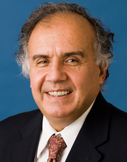
Source: Getty

Other

Recession in Europe

The festering sovereign debt crisis in the eurozone and its many repercussions on government spending and bank lending mean that the probability that Europe will experience a recession this year is high.
Link Copied
By Uri Dadush
Published on Jan 26, 2012
What is the likelihood that Europe will experience a recession this year and what steps can policymakers take to prevent it?
Uri Dadush
The festering sovereign debt crisis in the eurozone and its many repercussions on government spending and bank lending mean that the probability that Europe will experience a recession this year is high—despite recent slightly encouraging data on purchasing intentions. The recession could be mild under a business-as-usual scenario or extreme if the eurozone unravels.

Measures that policy makers could take to mitigate the recession (though it may be too late to prevent it as large economies cannot turn on a dime) come under four headings. In rough order of importance, they are:

1. Build a firewall to reassure investors that Italy and Spain will be protected—in my view this requires adding about a trillion dollars to IMF resources and another trillion dollars to the combined European rescue funds. These are large sums designed to ensure that Italy and Spain can fund their maturing debts and ongoing primary deficits for three years, giving them time to adjust under strict IMF supervision.

2. The European Central Bank should cut its policy rate to zero, continue to provide and expand its three-year lending facility for banks as needed, and continue to provide a temporary and limited backstop to buy government bonds while the expanded IMF-EU facilities are being put in place.

3. Germany, the Netherlands, and other European countries with large current account surpluses should expand government spending and/or reduce taxes and encourage higher wage settlements.

4. Structural reforms must accompany the budget cutting that is an inevitable part of nursing the periphery back to health. These reforms are needed to reestablish competitiveness in the periphery and reignite its growth. Even though they can take a long time to work, their effect on confidence in the short run is considerable.

A depreciation of the euro will also help mitigate the European recession and restore the competitiveness of the periphery. In addition, Europeans will need help from the rest of the world, both in the form of support for expanded IMF facilities and in increasing demand for their exports. The United States should contribute to expanded IMF facilities, contrary to its present stance, because the fund is an insurance policy against a possible global depression that would hurt all Americans.

About the Author

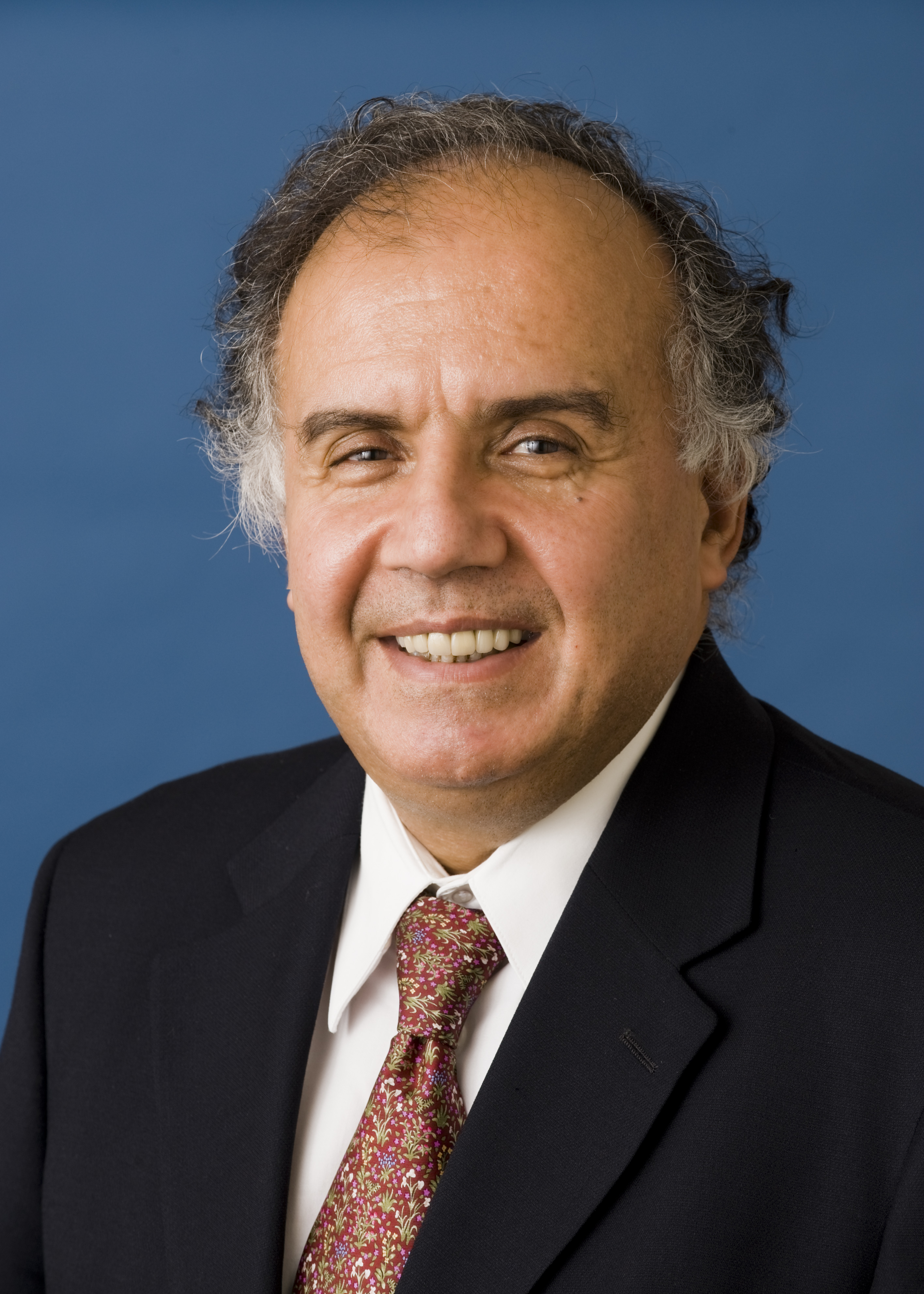
Uri Dadush

Former Senior Associate, International Economics Program

Dadush was a senior associate at the Carnegie Endowment for International Peace. He focuses on trends in the global economy and is currently tracking developments in the eurozone crisis.

    Recent Work

  • Commentary
    The Labors of Tsipras

      Uri Dadush

  • In The Media
    Greece, Complacency, and the Euro

      Uri Dadush

Uri Dadush
Former Senior Associate, International Economics Program
Uri Dadush
EconomyWestern EuropeFranceGermany

Carnegie does not take institutional positions on public policy issues; the views represented herein are those of the author(s) and do not necessarily reflect the views of Carnegie, its staff, or its trustees.

More Work from Carnegie Russia Eurasia Center

  • Commentary
    Carnegie Politika
    Does Russia Have Enough Soldiers to Keep Waging War Against Ukraine?

    The Russian army is not currently struggling to recruit new contract soldiers, though the number of people willing to go to war for money is dwindling.

      Dmitry Kuznets

  • Commentary
    Carnegie Politika
    Including Russia on the EU Financial Blacklist Will Hurt Ordinary People, Not the Kremlin

    The paradox of the European Commission’s decision is that the main victims will not be those it formally targets. Major Russian businesses associated with the Putin regime have long adapted to sanctions with the help of complex schemes involving third countries, offshore companies, and nonpublic entities.

      Alexandra Prokopenko

  • Commentary
    Carnegie Politika
    Why Didn’t the Ukraine War Turn Russia’s Ruling Class Against Putin?

    A new book by Alexandra Prokopenko looks at why the Russian ruling class became the regime’s willing servants—and how they might fare in a post-Putin world.

      Vladislav Gorin

  • Commentary
    Carnegie Politika
    Collateral Damage: The Frozen Foreign Assets of Middle-Class Russians

    The volume of frozen private assets might seem insignificant compared with Russia’s sovereign reserves, but these are the savings of millions of people who believed that foreign securities were a safe investment and in the institution of private property.

      Yulia Starostina

  • Commentary
    Carnegie Politika
    The Kremlin Has Weaponized Western Financial Checks to Punish Russian Dissidents

    International compliance and anti-money laundering standards are currently formulated in such a way that the Western financial system does not differentiate between Russian political prisoners and ISIS militants.

      Alexandra Prokopenko

Get more news and analysis from
Carnegie Russia Eurasia Center
Carnegie Russia Eurasia logo, white
  • Research
  • Politika
  • About
  • Experts
  • Events
  • Contact
  • Privacy
Get more news and analysis from
Carnegie Russia Eurasia Center
© 2026 Carnegie Endowment for International Peace. All rights reserved.