

Commentary
Judy Dempsey
{
  "authors": [
    "Judy Dempsey"
  ],
  "type": "legacyinthemedia",
  "centerAffiliationAll": "",
  "centers": [
    "Carnegie Endowment for International Peace",
    "Carnegie Europe"
  ],
  "collections": [],
  "englishNewsletterAll": "",
  "nonEnglishNewsletterAll": "",
  "primaryCenter": "Carnegie Europe",
  "programAffiliation": "",
  "programs": [],
  "projects": [],
  "regions": [
    "Russia",
    "Europe"
  ],
  "topics": [
    "Foreign Policy"
  ]
}
Source: Getty
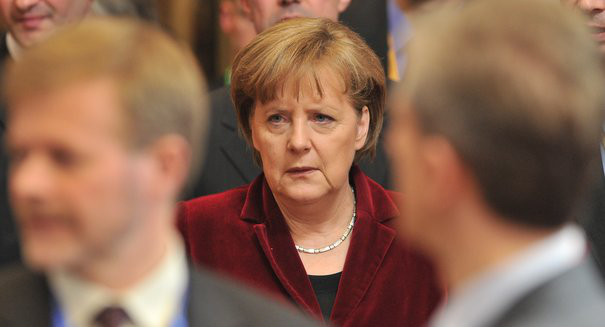
Chancellor Angela Merkel of Germany has her hands full this week, with issues concerning Moldova, France, and Greece.
Source: New York Times

Little, if anything.
Take Moldova. Ms. Merkel on Wednesday is off to this poor, corrupt and divided country on the fringe of the European Union and the Caucasus. It borders the E.U. member-state Romania.
Ms. Merkel wants to end this longtime “frozen conflict,” but without the cooperation of Vladimir Putin, the Russian president with whom Ms. Merkel does not have good relations, it is difficult to see what she can achieve — unless the lure of German investment and the European Union can shift the balance of power in Moldova.Back in Berlin, on Thursday, Ms. Merkel will have to deal with requests by President François Hollande of France to soften the conditions for Greece.
Ms. Merkel is in no position to say yes or no. Her Christian Democrats, and the public, are in no mood to give Greece more time or more money. And in any case, Ms. Merkel cannot do anything right now, as she will explain to Prime Minister Antonis Samaras of Greece, whom she will host in Berlin on Aug. 24.
As I write in my latest column, Ms. Merkel can say with full conviction that she has to wait until Sept. 12, when the country’s Constitutional Court will give its ruling on whether Germany can both ratify the fiscal pact that she negotiated with her E.U. partners and contribute to the bailout mechanism of the European Stability Mechanism.
If the court says no, then the only way Germany can forge ahead on Europe is a referendum on a new constitution. If the judges give a qualified yes, Ms. Merkel will still have a difficult job convincing her skeptical party — and the German public — that Germany must pay more.

Nonresident Senior Fellow, Carnegie Europe
Judy Dempsey is a nonresident senior fellow at Carnegie Europe
Recent Work
Judy Dempsey
Judy Dempsey
Carnegie does not take institutional positions on public policy issues; the views represented herein are those of the author(s) and do not necessarily reflect the views of Carnegie, its staff, or its trustees.

Russia’s ruling party would have benefited from Putin appearing as its distant patron, but as an active frontman imposing his views on the public, he has done nothing but harm both the party’s election campaign and the ruling system overall.

Andrey Pertsev

Depleted financial reserves and a shrinking tax base mean it is no longer possible to simultaneously deliver high defense spending, price stability, and economic growth.

Alexandra Prokopenko

Blurring the line between humans and animals is a long-standing tradition in social utopian prose. In his latest novel, Leonid Bershidsky reminds us that in social experiments, people are often treated no differently than animals.

Alexander Baunov
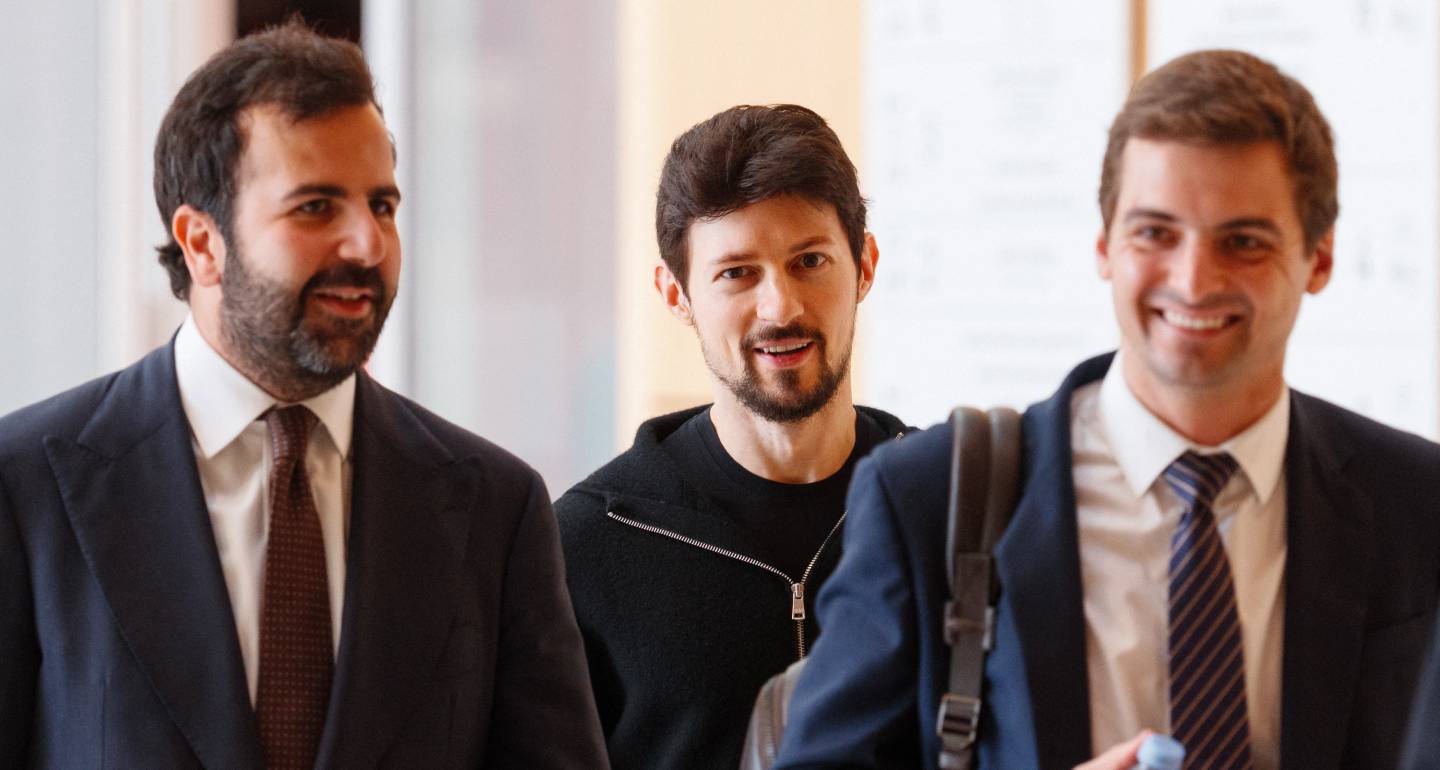
While France and Australia are seeking to establish the legal obligations of messaging apps like Telegram, Russia wants total subordination.

Maria Kolomychenko

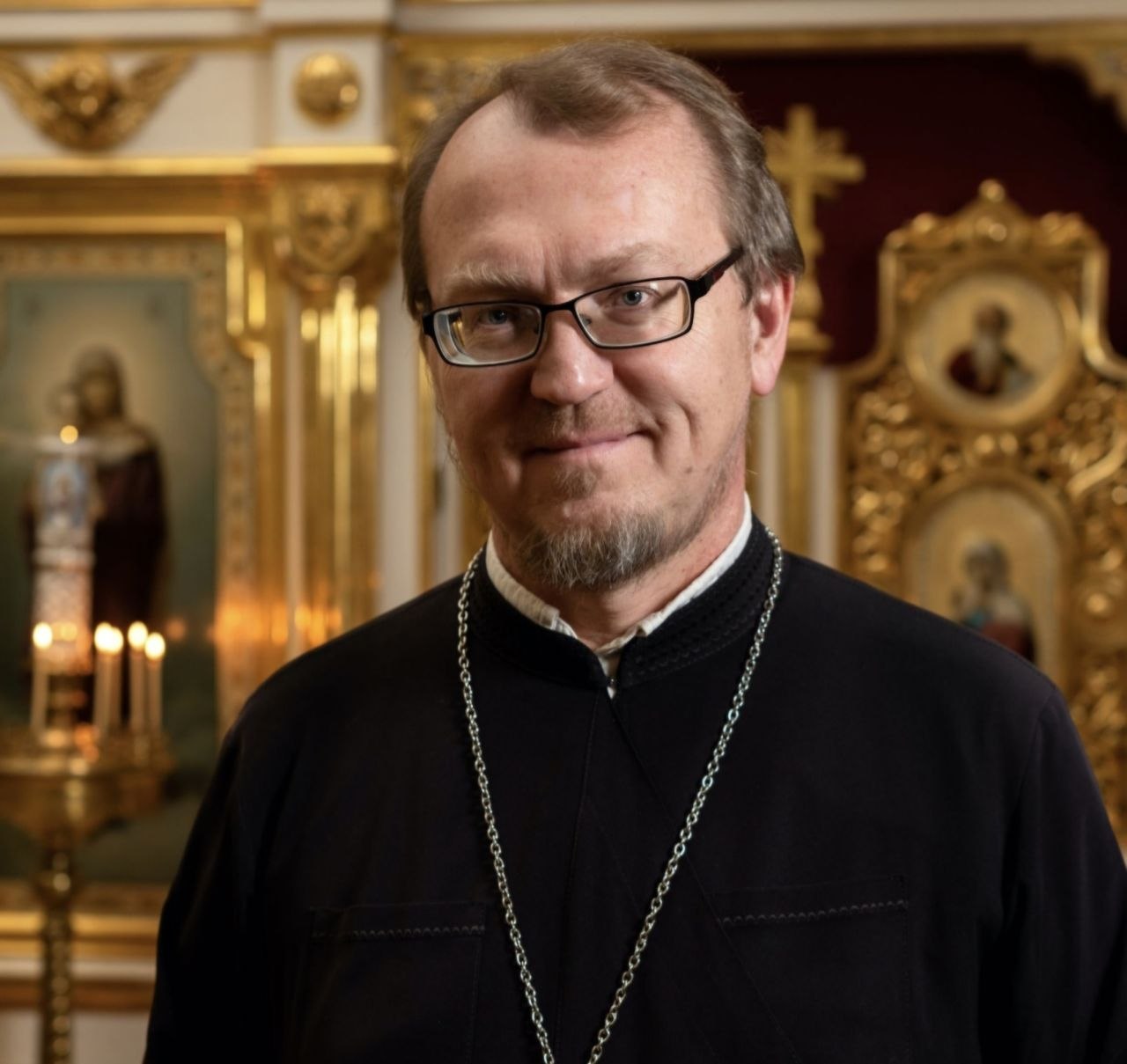
The recent uncovering of Dmitry Donskoy’s relics in the Cathedral of the Archangel is yet another attempt by the Russian Orthodox Church to help the state solve its problems. However, parroting the state’s version of Russian history leaves the Church with no message except “patriotism.”
Alexander Zanemonets