

Commentary
Judy Dempsey
{
  "authors": [
    "Judy Dempsey"
  ],
  "type": "legacyinthemedia",
  "centerAffiliationAll": "",
  "centers": [
    "Carnegie Endowment for International Peace",
    "Carnegie Europe",
    "Carnegie China"
  ],
  "collections": [
    "China’s Foreign Relations"
  ],
  "englishNewsletterAll": "",
  "nonEnglishNewsletterAll": "",
  "primaryCenter": "Carnegie Europe",
  "programAffiliation": "",
  "programs": [],
  "projects": [],
  "regions": [
    "Asia",
    "Europe"
  ],
  "topics": [
    "Foreign Policy",
    "EU",
    "Economy"
  ]
}
Source: Getty
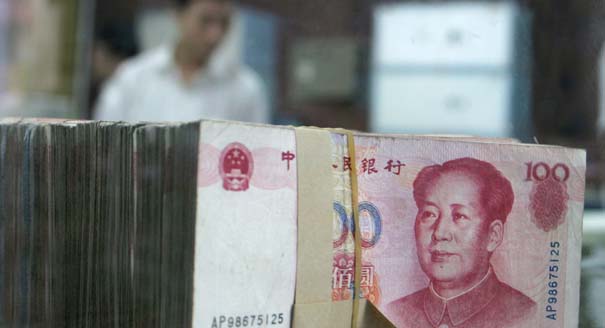
European Union nations are increasingly making their own bilateral deals with China, damaging the unifying efforts of the E.U. trade commissioner.
Source: New York Times

The issues are well known. For European companies, they include the protection of intellectual property rights, ending the dumping of Chinese goods on European markets and coming clean about the generous state subsidies given to Chinese firms when they bid for contracts or snap up European companies.
Mr. De Gucht is no pushover when it comes to dealing with China. But because of the euro crisis, E.U. countries are increasingly going it alone with China and ignoring the E.U. Commission. Big and small member states are vying with each other to win business in China and to attract Chinese investments in their own countries.It’s as if all the downsides of doing business with China have been forgotten.
Here in Germany, the small and midsize companies known as the Mittelstand, which in the past complained about the difficulties of doing business in China, now play down problems like red tape and corruption. Given the economic climate, they prefer to lie low rather than speak out.
Some of the big German companies, including the carmakers, do speak out from time to time. They are weighty enough, and they have the ear of Chancellor Angela Merkel, who was in China last week, a visit I discuss in this week’s Letter from Europe.
Ms. Merkel used to be much more confrontational with China, calling often for more respect of human rights and press freedoms. She wants a strong economy and jobs to prevail in Germany over the next 12 months before the next federal elections. China can oblige.
Such attitudes do not help Mr. De Gucht, as national interests are prevailing in ways that prevent Europe from having a strong and united position in how to deal with China. Beijing can only be smiling.

Nonresident Senior Fellow, Carnegie Europe
Dempsey is a nonresident senior fellow at Carnegie Europe
Recent Work
Judy Dempsey
Judy Dempsey
Carnegie does not take institutional positions on public policy issues; the views represented herein are those of the author(s) and do not necessarily reflect the views of Carnegie, its staff, or its trustees.
Orbán created an image for himself as virtually the only opponent of aid to Ukraine in the entire EU. But in reality, he was simply willing to use his veto to absorb all the backlash, allowing other opponents to remain in the shadows.
Maksim Samorukov

Central Asia’s digital ambitions are achievable, but only if policy is aligned with the region’s physical constraints.

Aruzhan Meirkhanova

Not only does the fighting jeopardize regional security, it undermines Russian attempts to promote alternatives to the Western-dominated world order.

Ruslan Suleymanov
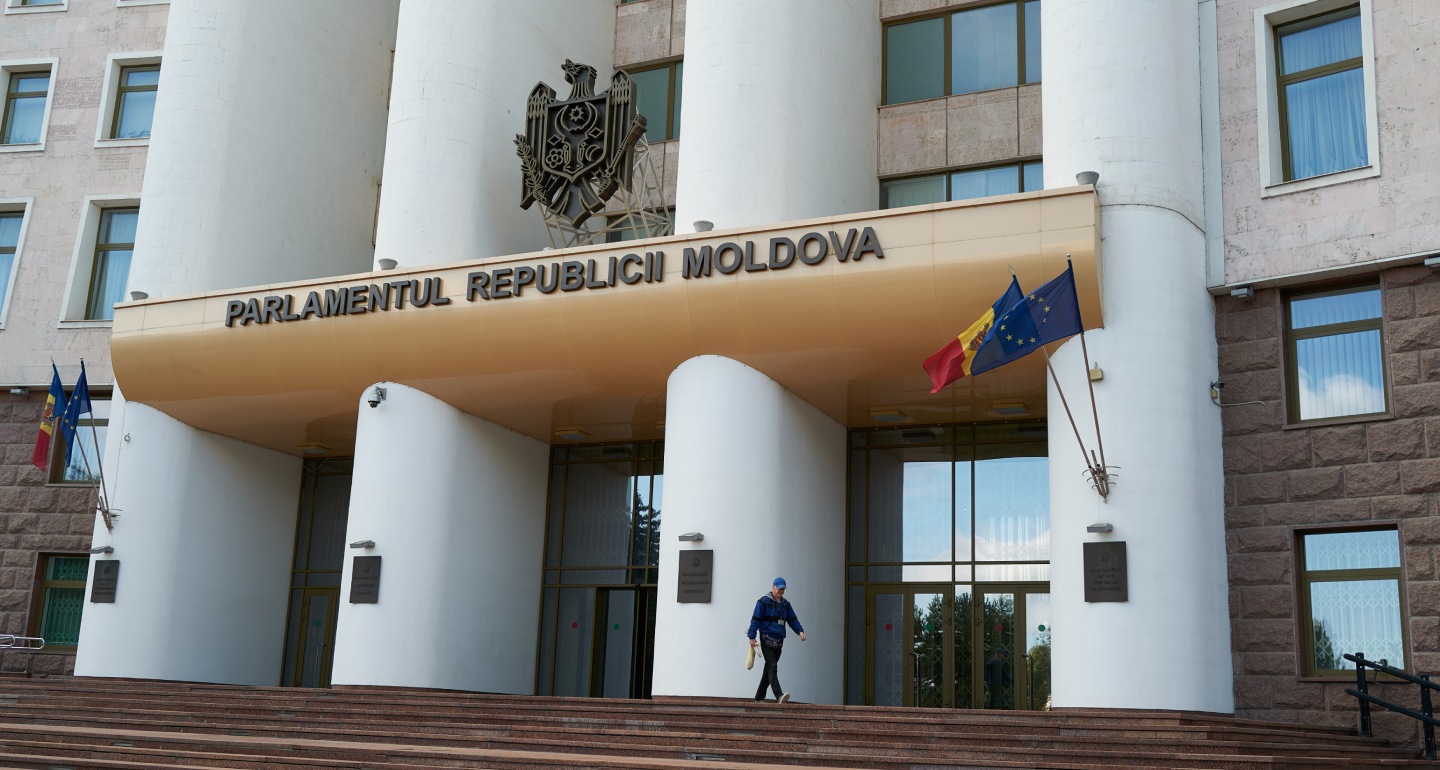
Moldova’s reintegration plan was drawn up to demonstrate to Brussels that Chișinău is serious about the Transnistria issue—and to get the West to react.

Vladimir Solovyov
Lukashenko is willing to make big sacrifices for an invitation to Mar-a-Lago or the White House. He also knows that the clock is ticking: he must squeeze as much out of the Trump administration as he can before congressional elections in November leave Trump hamstrung or distracted.

Artyom Shraibman