• Research
  • Politika
  • About
Carnegie Russia Eurasia center logoCarnegie lettermark logo
  • Donate
{
  "authors": [
    "Karim Sadjadpour"
  ],
  "type": "legacyinthemedia",
  "centerAffiliationAll": "dc",
  "centers": [
    "Carnegie Endowment for International Peace"
  ],
  "collections": [],
  "englishNewsletterAll": "menaTransitions",
  "nonEnglishNewsletterAll": "",
  "primaryCenter": "Carnegie Endowment for International Peace",
  "programAffiliation": "MEP",
  "programs": [
    "Middle East"
  ],
  "projects": [],
  "regions": [
    "Middle East",
    "Iran",
    "Gulf"
  ],
  "topics": [
    "Economy",
    "Political Reform",
    "Nuclear Policy"
  ]
}
Source: Getty

In The Media

Talk of a ‘Red Line’ Stirs Fears Inside Iran

The possibility of a military action targeting Iran, along with the current economic sanctions, are creating anxiety inside the country.

Link Copied
By Karim Sadjadpour
Published on Sep 27, 2012

Source: PRI's The World

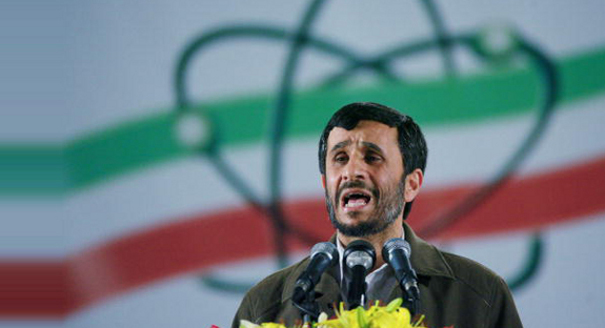
The heightened tensions between Israel, the United States, and Iran regarding Iran’s nuclear program, along with the devastating economics sanctions, are causing increased anxiety in the country. Speaking on PRI’s The World, Carnegie's Karim Sadjadpour noted that when people suffer under economic sanctions, it tends to accentuate their pre-existing political views. In other words, “if you are a supporter of the government you place the onus for personal economic hardship on the U.S. and Western imposed sanctions and if you are an opponent of the government, then you blame it on the regime.” The trend lines in Iran point to a further entrenchment of the dictatorial regime, ruled by Supreme Leader Khamenei and the Revolutionary Guard, Sadjadpour continued. Despite strong resentment among a large swath of the Iranian population, there seems to be little movement towards something resembling the Arab spring. The memory of the brutal repression following the contested 2009 elections demonstrated the regimes policy of refusing to bend, he added. Moreover, “In Iran, the term revolution does not have the romantic connotation that it does in the Arab world because much of the population is so disillusioned with the 1979 revolution,” concluded Sadjadpour.

About the Author

Karim Sadjadpour

Senior Fellow, Middle East Program

Karim Sadjadpour is a senior fellow at the Carnegie Endowment for International Peace, where he focuses on Iran and U.S. foreign policy toward the Middle East.

    Recent Work

  • Q&A
    What’s Keeping the Iranian Regime in Power—for Now

      Aaron David Miller, Karim Sadjadpour, Robin Wright
  • Q&A
    How Washington and Tehran Are Assessing Their Next Steps

      Aaron David Miller, David Petraeus, Karim Sadjadpour

Karim Sadjadpour
Senior Fellow, Middle East Program
Karim Sadjadpour
EconomyPolitical ReformNuclear PolicyMiddle EastIranGulf

Carnegie does not take institutional positions on public policy issues; the views represented herein are those of the author(s) and do not necessarily reflect the views of Carnegie, its staff, or its trustees.
More Work from Carnegie Russia Eurasia Center

  • Commentary
    Carnegie Politika
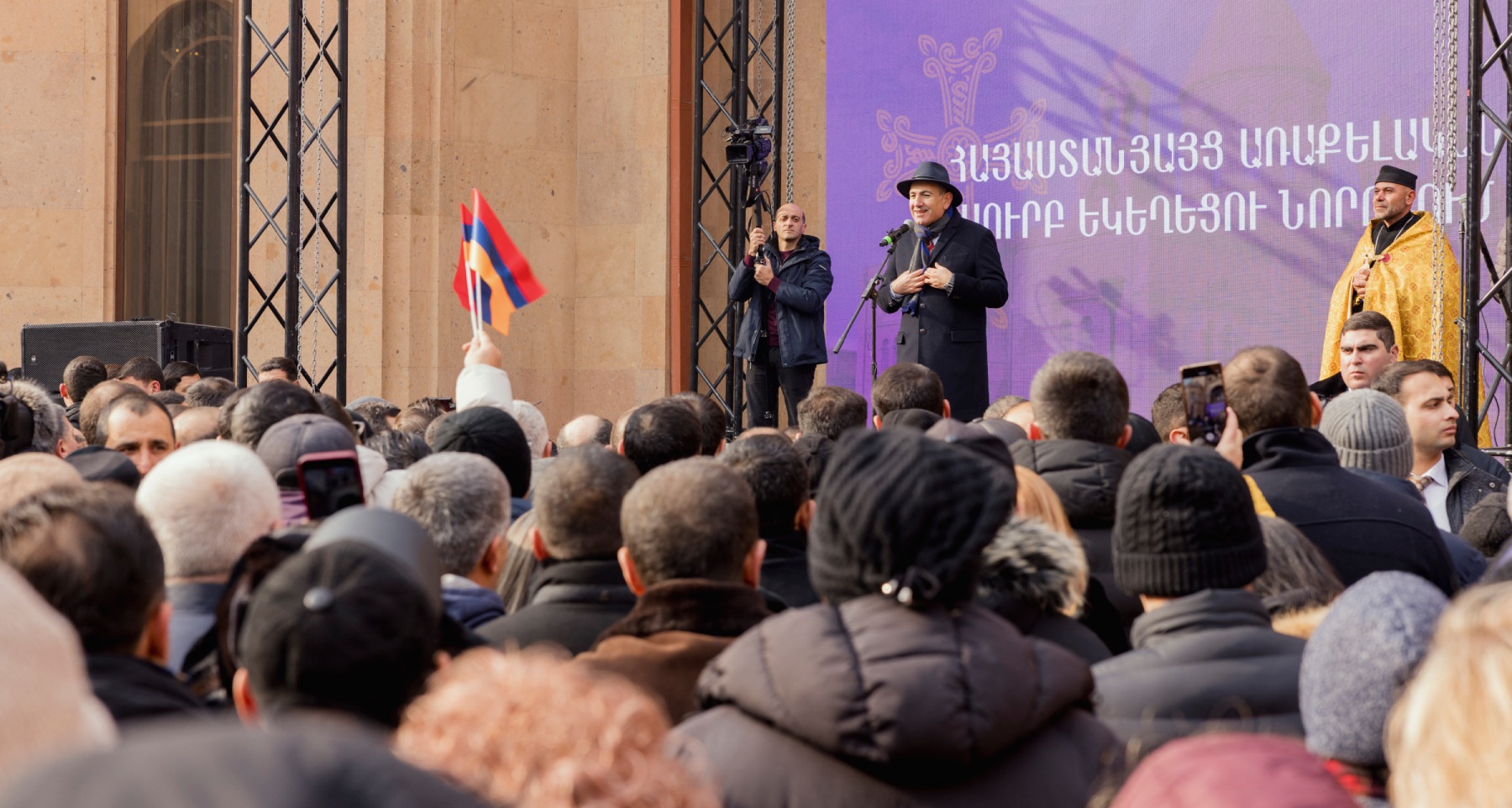
    Is Frustration With Armenia’s Pashinyan Enough to Bring the Pro-Russia Opposition to Power?

    It’s true that many Armenians would vote for anyone just to be rid of Pashinyan, whom they blame for the loss of Nagorno-Karabakh, but the pro-Russia opposition is unlikely to be able to channel that frustration into an electoral victory.
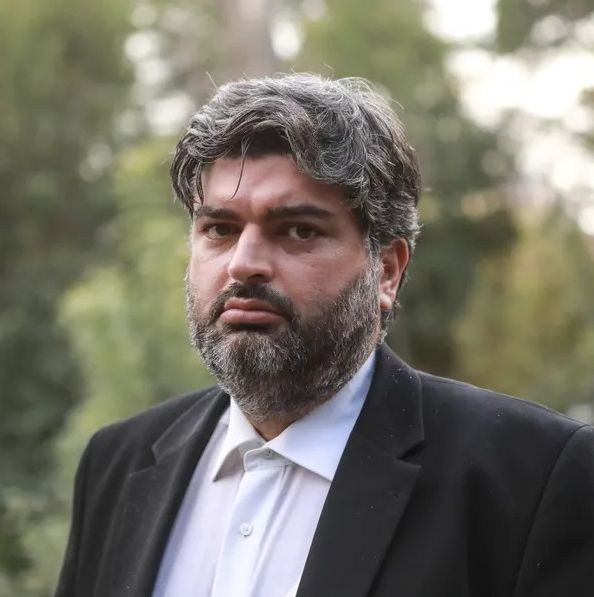
      Mikayel Zolyan
  • Commentary
    Carnegie Politika
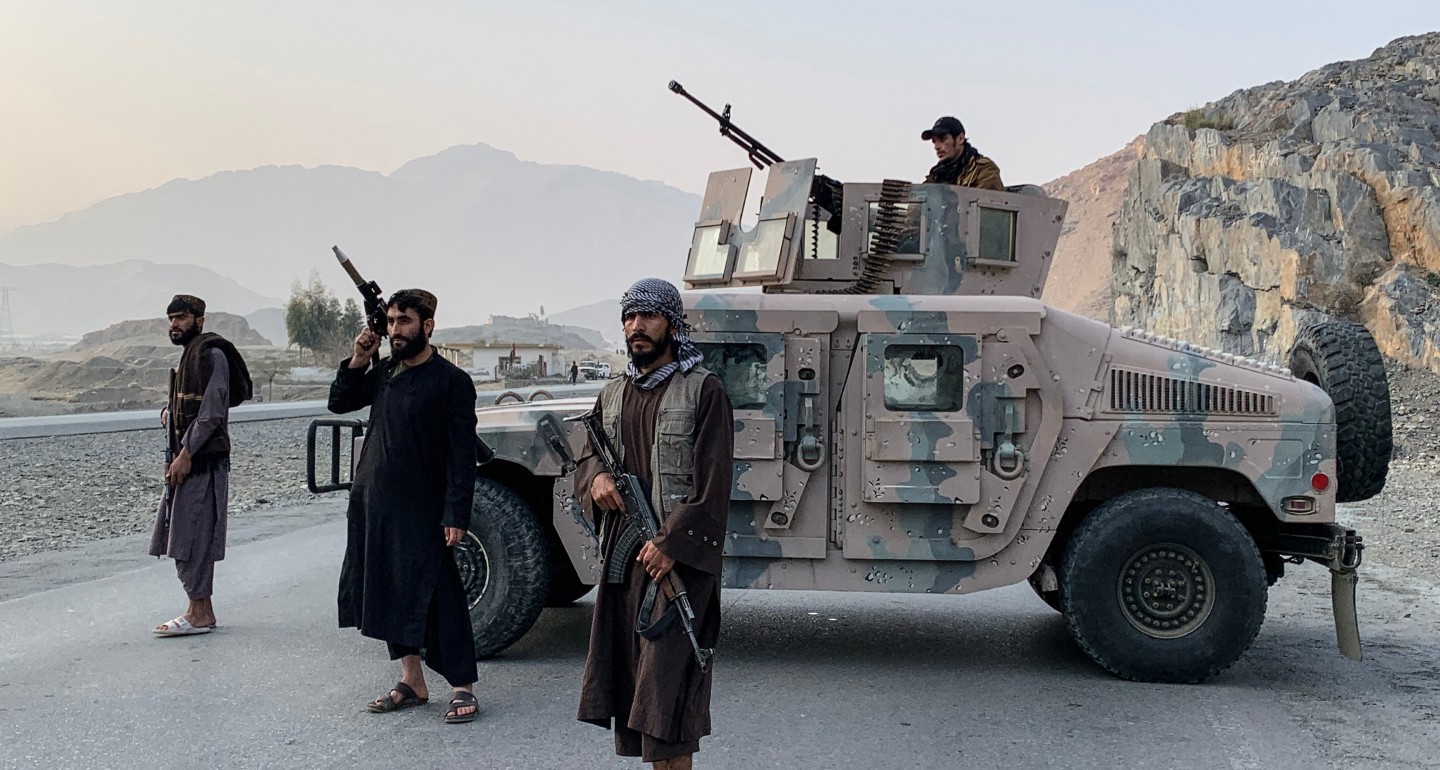
    The Afghanistan–Pakistan War Poses Awkward Questions for Russia

    Not only does the fighting jeopardize regional security, it undermines Russian attempts to promote alternatives to the Western-dominated world order.
      Ruslan Suleymanov
  • Commentary
    Carnegie Politika
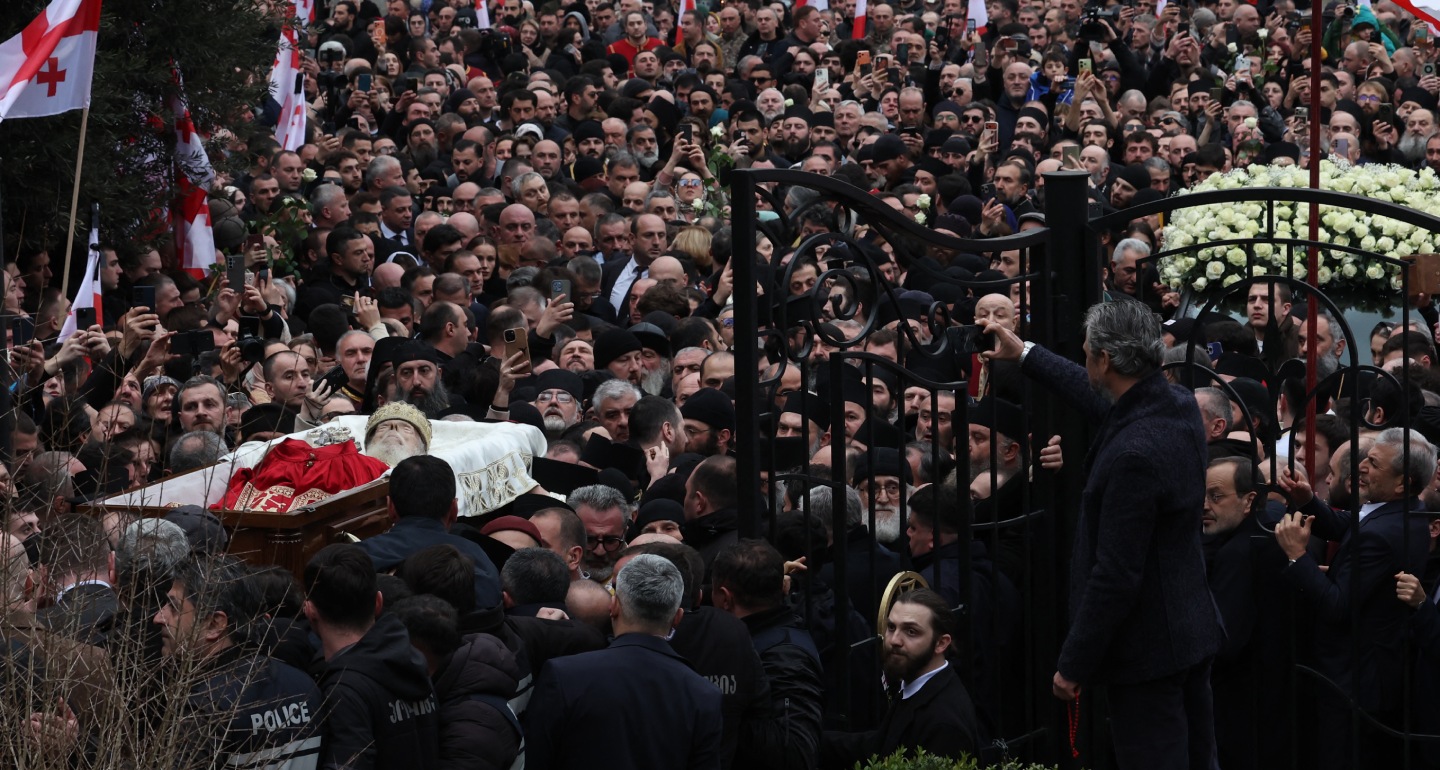
    After Ilia II: What Will a New Patriarch Mean for Georgia?

    The front-runner to succeed Ilia II, Metropolitan Shio, is prone to harsh anti-Western rhetoric and frequent criticism of “liberal ideologies” that he claims threaten the Georgian state. This raises fears that under his leadership the Georgian Orthodox Church will lose its unifying role and become an instrument of ultraconservative ideology.

      Bashir Kitachaev
  • Commentary
    Carnegie Politika
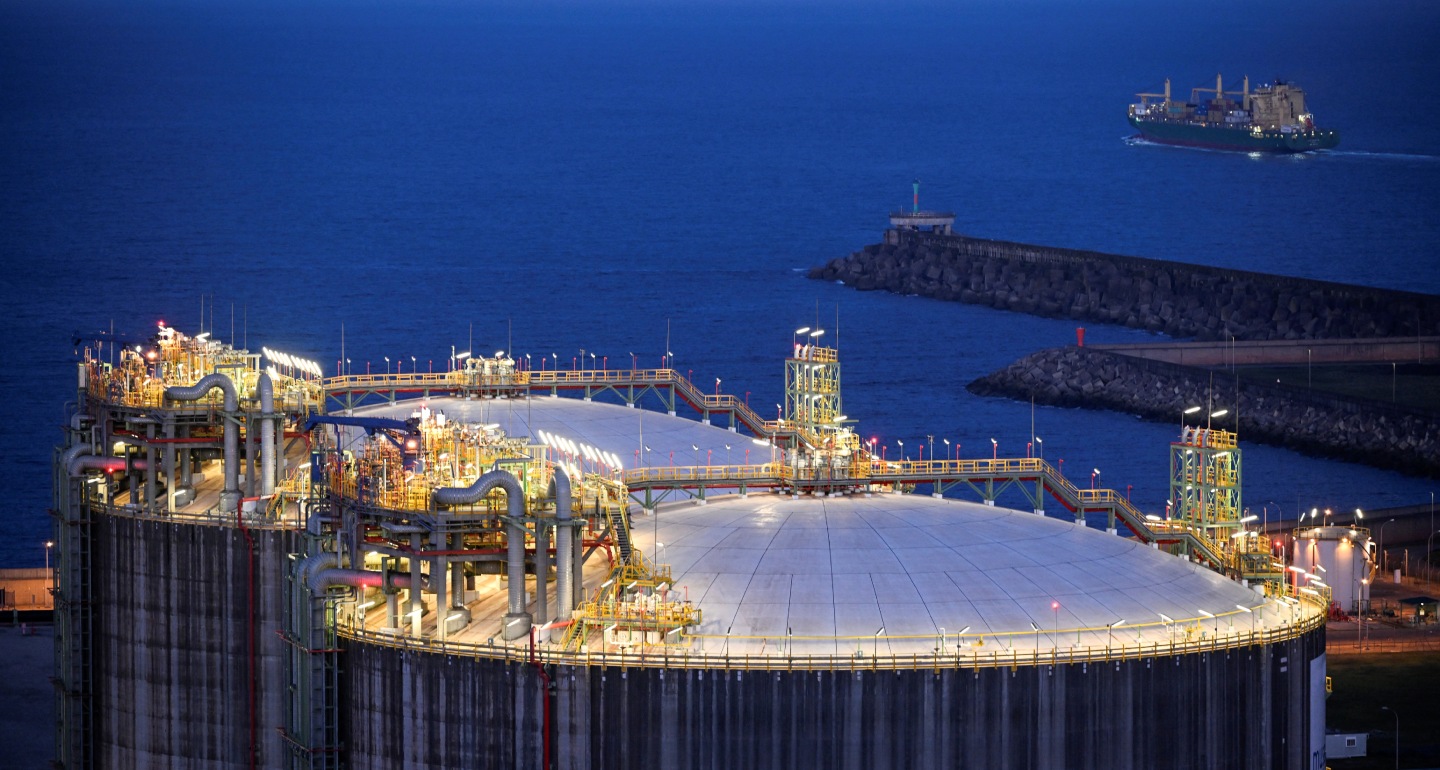
    What the Russian Energy Sector Stands to Gain From War in the Middle East

    The future trajectory of the U.S.-Iran war remains uncertain, but its impact on global energy trade flows and ties will be far-reaching. Moscow is likely to become a key beneficiary of these changes; the crisis in the Gulf also strengthens Russia’s hand in its relationships with China and India, where advantages might prove more durable.

      • Sergey Vakulenko

      Sergey Vakulenko

  • Commentary
    Carnegie Politika
    Beyond Oil: Hormuz Closure Puts Russia in the Lead in the Fertilizer Market

    The Kremlin expects to not only profit from rising fertilizer prices but also exact revenge for the collapse of the 2023 grain deal.
      Alexandra Prokopenko

Get more news and analysis from
Carnegie Russia Eurasia Center
Carnegie Russia Eurasia logo, white
  • Research
  • Politika
  • About
  • Experts
  • Events
  • Contact
  • Privacy
  • For Media
Get more news and analysis from
Carnegie Russia Eurasia Center
© 2026 Carnegie Endowment for International Peace. All rights reserved.