

In The Media
David Rothkopf
{
  "authors": [
    "David Rothkopf"
  ],
  "type": "legacyinthemedia",
  "centerAffiliationAll": "",
  "centers": [
    "Carnegie Endowment for International Peace"
  ],
  "collections": [],
  "englishNewsletterAll": "",
  "nonEnglishNewsletterAll": "",
  "primaryCenter": "Carnegie Endowment for International Peace",
  "programAffiliation": "",
  "programs": [],
  "projects": [],
  "regions": [
    "North America",
    "United States"
  ],
  "topics": [
    "Political Reform",
    "Economy"
  ]
}
Source: Getty
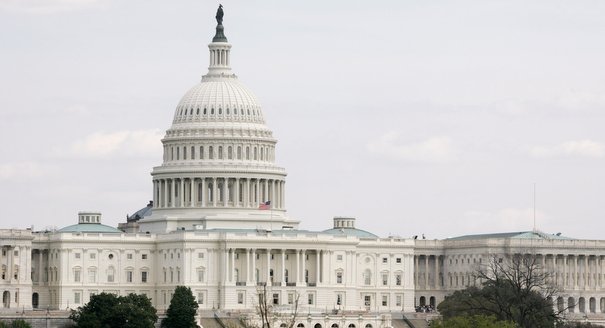
Allowing the United States to default on financial obligations that Congress itself racked up would not only sow chaos in the financial markets and reignite the recession, but also sign the death warrant for the modern Republican Party.
Source: CNN

In short, the president's message was that he would not negotiate with fiscal terrorists.
He may have sounded adamant and unbending to some. But his position was hardly out of place. Speaker John Boehner and the Republicans in the House of Representatives are holding a gun to the head of the American economy and threatening to pull the trigger if the president doesn't bend to their will.
On some level, they must realize that allowing the United States to default on financial obligations that Congress itself racked up would not only sow chaos in the financial markets and reignite the recession, but also sign the death warrant for the modern Republican Party.
If the GOP -- already a party at odds with science, history, math, women, senior citizens, the poor and minority populations -- were to willfully and recklessly play politics with the full faith and credit of the United States, it would virtually ensure that by 2014, Democrats would retake the majority in the House of Representatives and expand their edge in the Senate. This could create a nightmare for many on the right: an Obama presidency in which Democrats could press through their full agenda with little resistance.
Even the most rabid Republican partisans must recognize that they are playing with fire.
They are overreaching in part to help redeem what was widely seen as a defeat for them in the tax deal that was struck at the beginning of the year -- the slight tax increase that was approved for the top 2% of the population. Of course, it is baffling why any among them would so focus on that small increase and neglect the fact that, with Obama's assistance, they managed to do what George W. Bush could not and make Bush's tax plan permanent. No matter, the posturing of Boehner & Co. is designed to make them appear resolute. Unfortunately, it only succeeds in making them look demented.
They say growth is the key to balancing the budget, but are pursuing the one policy most likely to derail it. They say they want to balance the budget to improve America's credit rating and international standing, but they seem willing to do more to damage either than any other Congress in memory. They say they want to force budget cuts but won't touch defense spending, the largest and most bloated area of discretionary spending in the budget.
They seem to assume that the president will offer some cuts and that they will be able to say their toughness won the day. They think the American people will believe their use of the debt ceiling as a cudgel was principled and perhaps even courageous. They will offer themselves up as protectors of the national economic well-being.
This is a lot like a kidnapper expecting to be seen as a hero for releasing his captive. Both parties bear plenty of responsibility for getting America in the fiscal mess we are in today. Both will have to compromise to achieve real progress. Taxes will have to rise more. Defense will have to be cut. Entitlements will have to be sweepingly reformed. Real compromise and courage and principles will be required to a greater extent than either party has embraced or even publicly discussed.
But just because neither party has done all it should, that does not mean both are equally responsible for this bizarre and dangerous episode. As the president rightly asserted, and as reasonable people in either party must acknowledge, playing politics with the debt ceiling must be put permanently out of bounds.

Former Visiting Scholar
David Rothkopf was a visiting scholar at the Carnegie Endowment as well as the former CEO and editor in chief of the FP Group.
Recent Work
David Rothkopf
David Rothkopf
Carnegie does not take institutional positions on public policy issues; the views represented herein are those of the author(s) and do not necessarily reflect the views of Carnegie, its staff, or its trustees.

Russia’s ruling party would have benefited from Putin appearing as its distant patron, but as an active frontman imposing his views on the public, he has done nothing but harm both the party’s election campaign and the ruling system overall.

Andrey Pertsev

Depleted financial reserves and a shrinking tax base mean it is no longer possible to simultaneously deliver high defense spending, price stability, and economic growth.

Alexandra Prokopenko

In the tenth year of his presidency, President Mirziyoyev’s system is becoming even more personalized than that of his predecessor Karimov.

Galiya Ibragimova

The greater threat to Zelensky comes not from Fedorov alone, but from the convergence between the former defense minister’s political campaign and the anti-corruption investigations moving ever closer to the presidential administration.

Balázs Jarábik
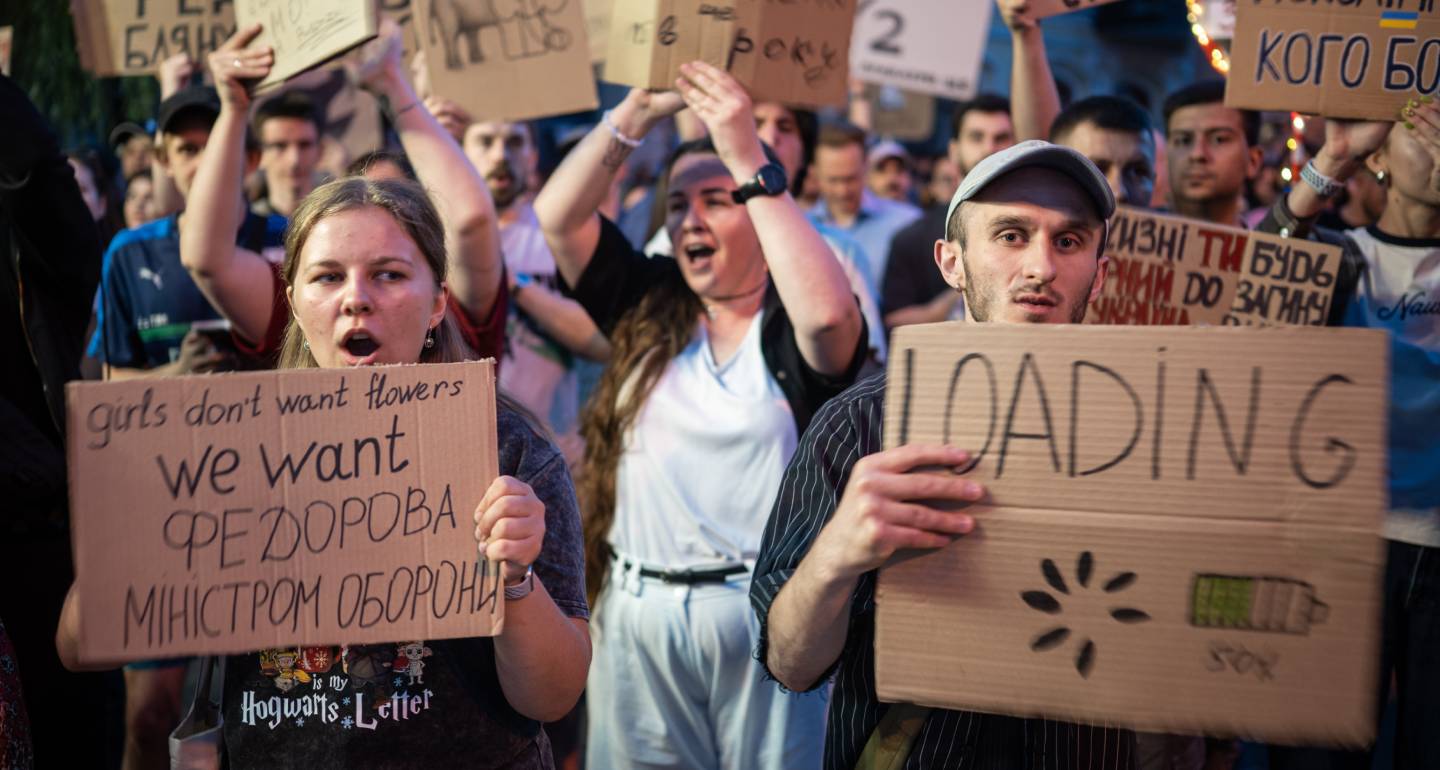
With his public call for new elections in Ukraine, ex-defense minister Mykhailo Fedorov has opened Pandora’s box.

Konstantin Skorkin