

Commentary
With the growth in points of friction between the great powers, organizations like the SCO will continue to play a role in the strategic adaptation of the smaller powers caught between them.
Temur Umarov
{
  "authors": [
    "Wang Tao",
    "E.Tucker Hirsch"
  ],
  "type": "legacyinthemedia",
  "centerAffiliationAll": "dc",
  "centers": [
    "Carnegie Endowment for International Peace",
    "Carnegie China"
  ],
  "collections": [],
  "englishNewsletterAll": "ctw",
  "nonEnglishNewsletterAll": "",
  "primaryCenter": "Carnegie China",
  "programAffiliation": "SCP",
  "programs": [
    "Sustainability, Climate, and Geopolitics"
  ],
  "projects": [],
  "regions": [
    "North America",
    "United States",
    "East Asia",
    "China",
    "Western Europe",
    "United Kingdom"
  ],
  "topics": [
    "Climate Change"
  ]
}
Source: Getty
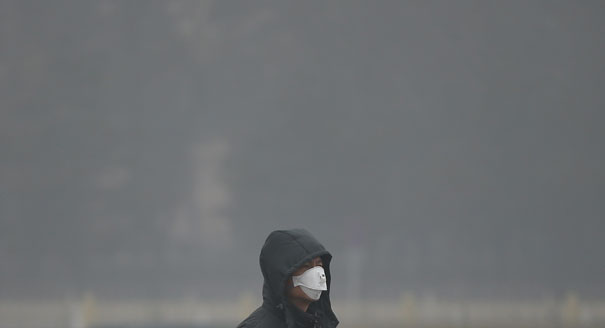
Beijing, London, and Los Angeles all struggle with air pollution. They have much to learn from one another on how to combat it.
Source: Diplomat
Beijing, London, and Los Angeles all have dismal air quality histories. While far from perfect, London and Los Angeles have emerged from the worst of their air pollution days. Beijing, seemingly now at its worst when it comes to air quality, can learn from these two cities.
London and Beijing both have histories of relying on coal for heating. In cold weather, both cities have been immersed in smog that spews from boilers working to keep residents warm. The Great Smog of 1952 created a panic in London and spurred new legislation to clean the air. And the “dash-to-gas” after exploration of the North Sea oil fields enabled the city to increase its use of cleaner-burning gas and become less reliant on coal.
Beijing, meanwhile, grasped most of the low-hanging fruit in its green leap by moving industry away from the city before it hosted the 2008 Olympic Games. The last four coal-fired power plants remaining inside the city will be replaced by gas in a few years. And Beijing should be applauded for boldly promising to nearly halve the city’s coal consumption from 27 to 15 million tons between 2010 and 2015.But more can be done. Beijing could lead the bold transition to renewable energy to replace burning coal and could focus on improvements in the transportation sector—both are major sources of smog.
Among the three cities, Los Angeles takes the lead for promoting renewables. California law requires electricity companies to obtain one-third of their energy from renewable resources by 2020. Los Angeles itself launched a range of programs like the Solar Incentive Program to encourage businesses and homeowners to install solar photovoltaic systems and increase solar power usage, and it directs its municipal utility to harness more wind power for electricity production. Beijing could certainly draw on these experiences in its own development of renewables.
Los Angeles has also pushed to electrify transportation through a rebate program and tax incentives to make purchasing electric vehicles more attractive options to customers. As a result, in 2012, the hybrid Toyota Prius became the best-selling car in California, and the state’s sales accounted for more than one-fourth of total Prius sales in the United States.
However, this is not just about making more electric cars. Congested roads and high concentrations of vehicle emissions are current challenges as well. And Beijing’s public transportation system could be a potential source of greener development.
As of this year the city’s subway system is the longest in the world, and its public transit system benefits from the city’s generous subsidies and massive investment. But there are still some subtle lessons Beijing can learn from London.
Britain’s capital has an incredibly integrated public transit system that is closely linked with its bike-share system. London has worked to improve pedestrians’ walking environment, enabling citizens to more efficiently navigate the city on foot. Large businesses are also required to incentivize employees to carpool, utilize transit, or bike or walk to work.
Compact city planning has led to the development of multiple hubs around London, in contrast to the uncontrolled urban sprawl around Los Angeles and Beijing. That means transportation and emissions are less concentrated in the city center, and hence the impact of exposure to those emissions is less hazardous.
London has also adopted a congestion fee, which imposes a charge on motor vehicles operating in the city center during high-traffic times, to curb unnecessary road use and encourage carpooling and public transit use from city outskirts. Beijing could learn from all of these efforts, as it appears, in some cases, to be doing.
Yet, cleaning the air is never an easy task. And although these and other measures have helped Los Angeles and London improve their air quality over time, there is no silver bullet.
Reducing air pollution requires a continuous transition process that lasts for decades, not the sort of one-off campaign that has prevailed in China’s previous environmental efforts. Still, there are small and quick steps that Beijing can take to avoid extremely bad days.
When poor weather conditions are foreseen, special measures should be undertaken, such as enacting temporary traffic controls for lower-emissions-standards vehicles and dampening dust from construction and traffic. Open-fire burning of biowaste and trash in suburban and rural Beijing should also be strictly prohibited.
This effort may seem daunting. But Beijing has a huge advantage over Los Angeles and London. Scientific advances make targeting specific hazardous gases much easier than it used to be. Los Angeles and London continued to experience unhealthy air for years if not decades after the worst days of their air pollution had passed. Beijing’s cleanup could be much faster. And a successful transition in Beijing would set an example for China’s ongoing urbanization and for many other cities in the emerging world that are suffering from the pains of rapid development.
Former Nonresident Scholar, Carnegie-Tsinghua Center for Global Policy
Wang Tao was a nonresident scholar in the Energy and Climate Program based at the Carnegie–Tsinghua Center for Global Policy.
E.Tucker Hirsch
Carnegie does not take institutional positions on public policy issues; the views represented herein are those of the author(s) and do not necessarily reflect the views of Carnegie, its staff, or its trustees.

With the growth in points of friction between the great powers, organizations like the SCO will continue to play a role in the strategic adaptation of the smaller powers caught between them.

Temur Umarov

When faced with fuel shortages in the past, Central Asian governments could always count on additional supplies from Moscow. That safety net no longer exists.

Galiya Ibragimova
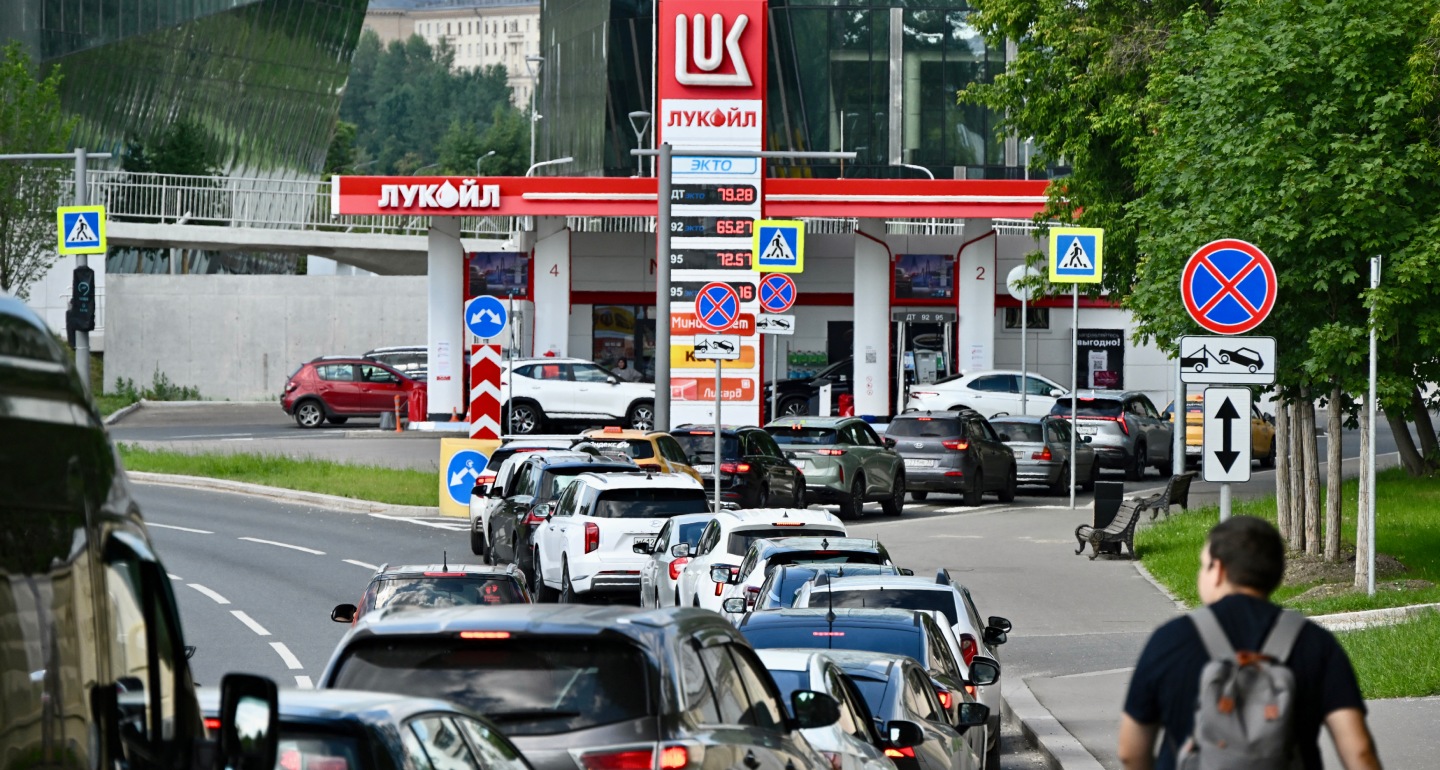
Official discussions about mini oil refineries are unlikely to come to anything—but the mere fact they’re happening reveals the regime is failing to deliver a functioning economy.

Sergey Vakulenko

Ongoing uncertainty in the Middle East allows Moscow to both increase its influence in Tehran and continue to enjoy the financial windfall of higher oil prices.

Nikita Smagin
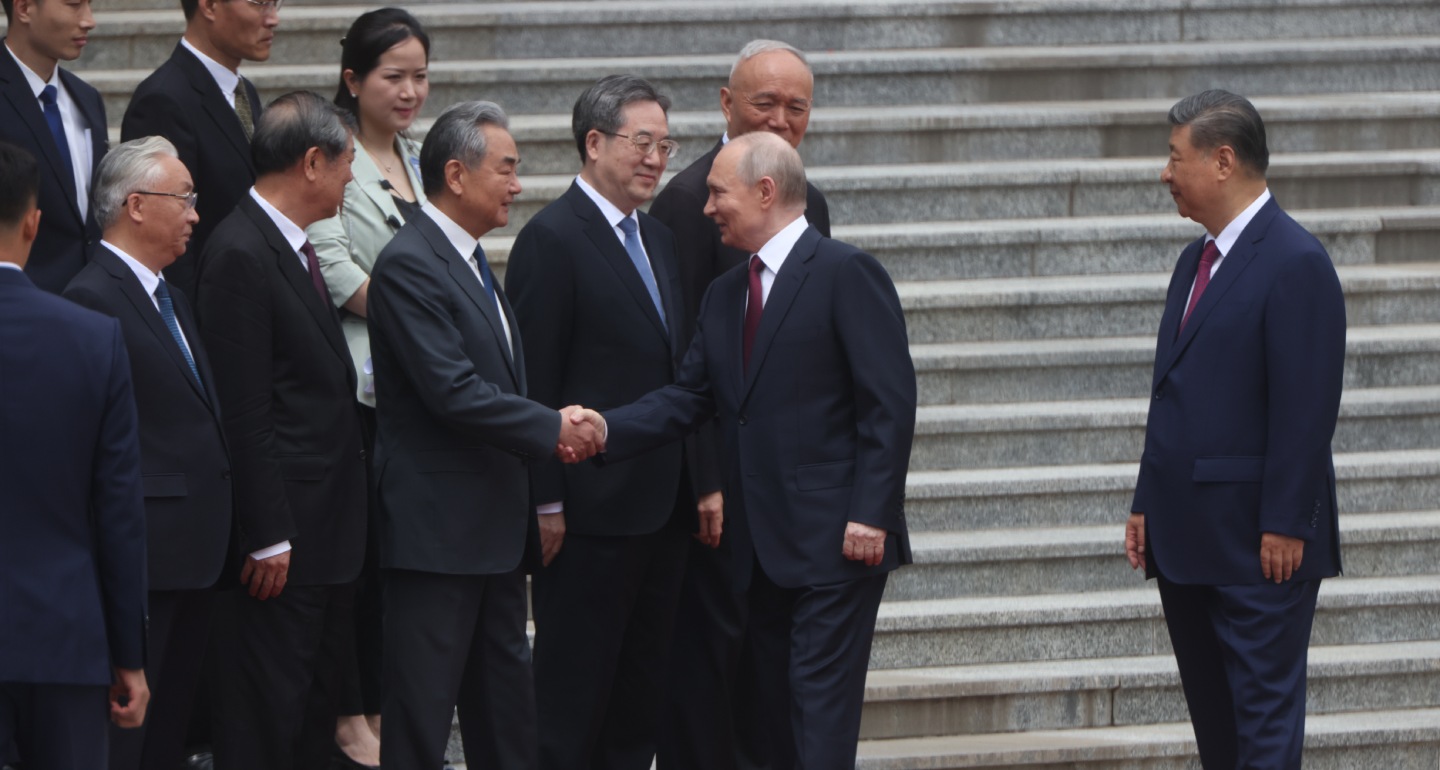
With no key agreement signed on the Power of Siberia 2 gas pipeline, there is a risk that the window of opportunity for Russia will close if Chinese power generation becomes so green that new gas sources are no longer of any interest to Beijing.

Alexander Gabuev