

Q&A
Stephen Tankel
{
  "authors": [
    "Stephen Tankel"
  ],
  "type": "legacyinthemedia",
  "centerAffiliationAll": "dc",
  "centers": [
    "Carnegie Endowment for International Peace"
  ],
  "collections": [],
  "englishNewsletterAll": "ctw",
  "nonEnglishNewsletterAll": "",
  "primaryCenter": "Carnegie Endowment for International Peace",
  "programAffiliation": "SAP",
  "programs": [
    "South Asia"
  ],
  "projects": [],
  "regions": [
    "South Asia",
    "Pakistan"
  ],
  "topics": [
    "Political Reform",
    "Democracy",
    "Security",
    "Civil Society"
  ]
}
Source: Getty
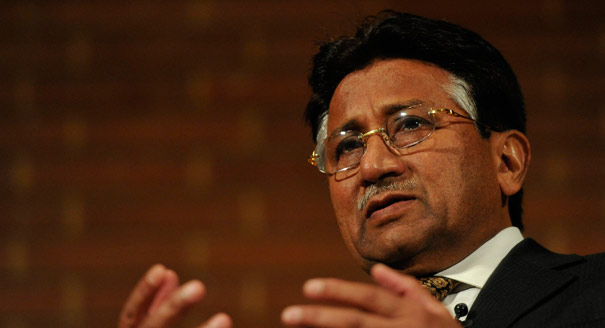
The return of former President Musharraf to Pakistan has the potential to complicate the already fraught elections coming in May 2013.
Source: CTV News Weekend
Despite the threat of legal action arising from alleged abuses during his tenure as president, Pervez Musharraf has returned to Pakistan with hopes of contesting the elections scheduled for May 11, 2013. Speaking on CTV, Carnegie's Stephen Tankel discussed the risks Musharraf takes on personally by choosing to return now, as well as the stakes for the elections. Tankel argued that Musharraf's return has the potential to upset a number of key players, including high-ranking military figures, but may also have minimal impact on the electoral outcome due to his diminished popularity.
Former Nonresident Scholar, South Asia Program
Tankel was a nonresident scholar at the Carnegie Endowment, where his research focuses on insurgency, terrorism, and the evolution of nonstate armed groups.
Recent Work
Stephen Tankel
Stephen Tankel
Carnegie does not take institutional positions on public policy issues; the views represented herein are those of the author(s) and do not necessarily reflect the views of Carnegie, its staff, or its trustees.
It’s true that many Armenians would vote for anyone just to be rid of Pashinyan, whom they blame for the loss of Nagorno-Karabakh, but the pro-Russia opposition is unlikely to be able to channel that frustration into an electoral victory.
Mikayel Zolyan
The internet is awash not only with instructions from digital security experts, but also with urban legends and conspiracy theories that divert attention away from the real dangers of Max.
David Frenkel
The prospect of a total block on Russia’s most popular messaging app has sparked disagreement between the regime’s political managers and its security agencies.

Andrey Pertsev
Not only does the fighting jeopardize regional security, it undermines Russian attempts to promote alternatives to the Western-dominated world order.
Ruslan Suleymanov
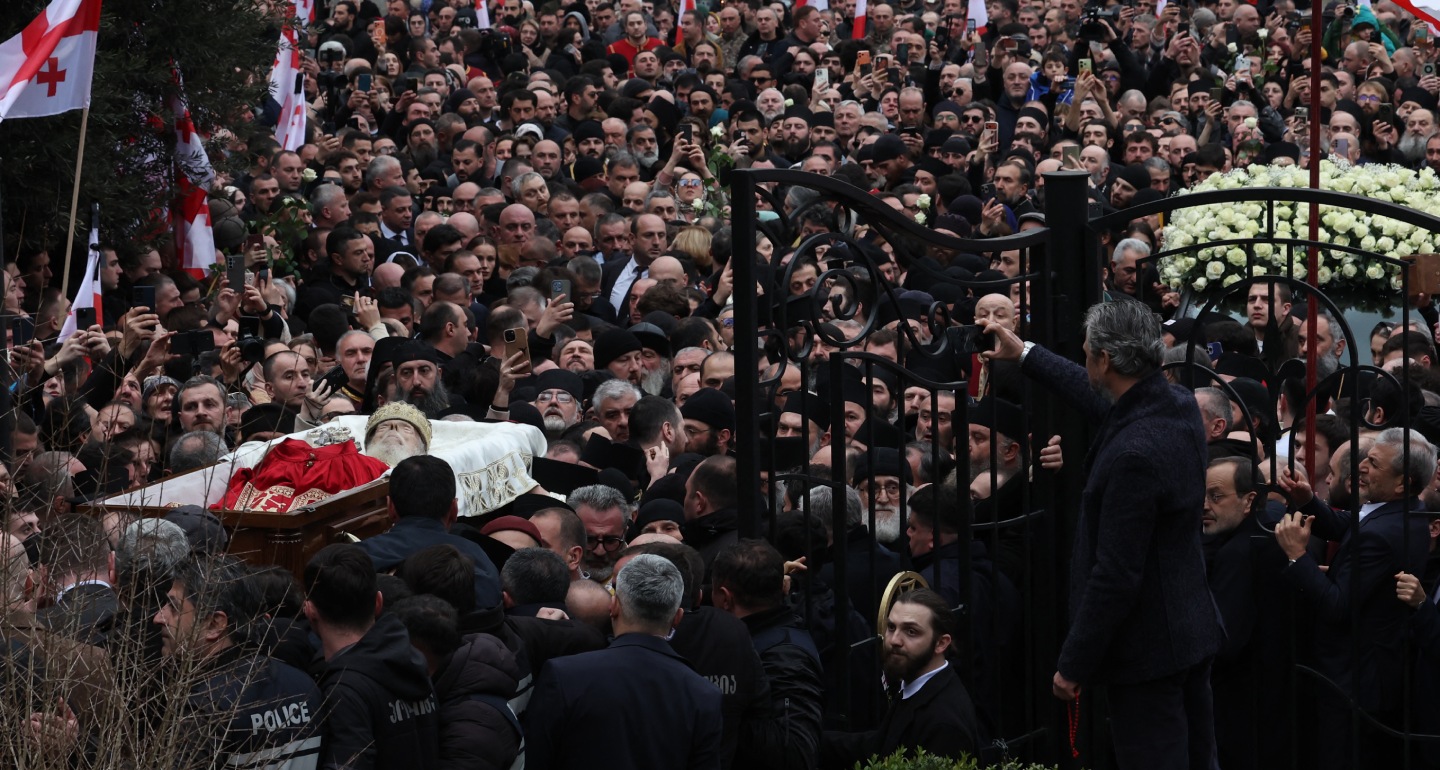
The front-runner to succeed Ilia II, Metropolitan Shio, is prone to harsh anti-Western rhetoric and frequent criticism of “liberal ideologies” that he claims threaten the Georgian state. This raises fears that under his leadership the Georgian Orthodox Church will lose its unifying role and become an instrument of ultraconservative ideology.

Bashir Kitachaev