

In The Media
John Judis
{
  "authors": [
    "John Judis"
  ],
  "type": "legacyinthemedia",
  "centerAffiliationAll": "",
  "centers": [
    "Carnegie Endowment for International Peace"
  ],
  "collections": [],
  "englishNewsletterAll": "",
  "nonEnglishNewsletterAll": "",
  "primaryCenter": "Carnegie Endowment for International Peace",
  "programAffiliation": "",
  "programs": [],
  "projects": [],
  "regions": [
    "North America",
    "United States"
  ],
  "topics": [
    "Political Reform",
    "Democracy",
    "Security",
    "Military"
  ]
}
Source: Getty
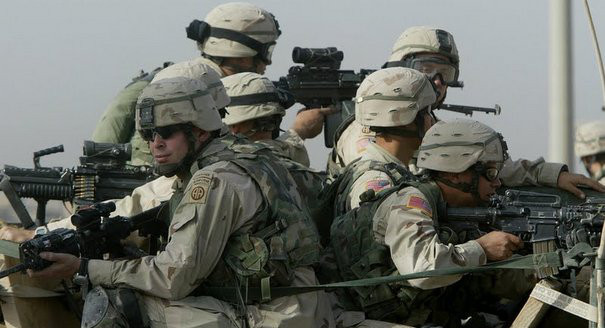
Manning could serve up to 62 years in jail, a sentence that may be enough to cast a pall over anyone else in the military or government who wants to alert the public to grave wrong or injustices.
Source: New Republic
Americans can breathe a sigh of relief that the military didn’t convince Judge Denise Lind that Bradley Manning was guilty of aiding the enemy for releasing files and videos that revealed the underside of America’s wars in Iraq and Afghanistan. But only a very short sigh, because Lind ruled Manning guilty of eight of nine charges of violating the Espionage Act—a piece of legislation originally devised to quash dissent during World War I. On those charges alone, Manning could serve up to 62 years in jail. That may be enough to cast a pall over anyone else in the military or government who wants to alert the public to grave wrong or injustices.
Manning never claimed to be innocent of all charges against him. Last February, he admitted to releasing classified material to unauthorized sources in violation of military law, but the military sought to throw the book at him. They brought 22 charges against him, including aiding the enemy, theft of government property (which involved copying computer files!), and violating the Espionage Act. The military clearly wanted to make an example of Manning.The greatest number of charges fell under the Espionage Act. The act, which the Eisenhower administration used to prosecute the Rosenbergs and Richard Nixon used to prosecute Daniel Ellsberg, is notoriously broad. It aims to prosecute anyone who releases information that “could be used to the injury of the United States or to the advantage of any foreign nation.” The information itself doesn’t even have to be classified. In most provisions of the act, the guilty party has to have “reason to believe” that the material will harm the United States, but during the post-World War II red scare, provisions were added that allowed the government to prosecute anyone who, “in violation of his trust,” released a document “relating to the national defense.”
At the Manning trial, the military attempted to persuade Lind that it didn’t have to prove that Manning "had reason to believe” that the information he released would harm the United States. That would have gotten around Manning’s own insistence—in the statement he had made before the court—that he had no intention of harming the United States, but instead of sparking “a domestic debate on the role of the military and our foreign policy in general as it related to Iraq and Afghanistan.” Lind ruled for the defense in April that the military would have to show that Manning "had reason to believe the information communicated could be used to the injury of the United States or to the advantage of any foreign nation.”
During the trial, the military presented witnesses—some of whose testimony was closed to the public—who claimed that Manning’s releases had harmed the United States, while the defense presented witnesses who claimed that most of what Manning had made known about Iraq, Afghanistan, and detainees at Guantanamo was already available to the public. But with Lind being both judge and jury, the defense did not try to make the obvious argument that any revelation critical of America’s conduct of the war in Iraq or Afghanistan was bound to be to the “advantage” of its adversaries, or the equally obvious point that by revealing indiscriminate killings or diplomatic deceit, Manning was doing the country a favor.
Lind deserves credit for rejecting the government’s vacuous interpretation of the Espionage Act during the proceedings, but then, by pronouncing Manning guilty of violating the Espionage Act, Lind bought the government’s argument that Manning acted with the belief that his revelations would harm the United States and help its enemies. That’s not as bad as accepting the military’s argument that Manning set out to aid the enemy, but it’s pretty damn close to saying so. In effect, Lind ruled that Manning was guilty of espionage rather than treason, and under her ruling, he could still go to jail for the rest of his life. That’s scant consolation to defenders of the First Amendment or to people like myself who believe that the country has still not recovered from the nightmare of the Bush administration foreign policies. Or who find it disturbing that while Manning languishes in prison, Dick Cheney goes fishing.
The trial itself should never have taken place. The military should have accepted Manning’s admission of guilt last February. In my opinion, he had already served long enough, and suffered sufficiently under brutal conditions, to pay for violating his trust as a soldier in military intelligence. But the military might still have exacted a few more years of confinement in a plea bargain. Instead, they sought to stage a show trial. The case they made that Manning had aided the enemy—replete with doctored quotations from emails—would have made Roger Ailes blush. But perhaps they knew what they were doing all along. By focusing attention on the truly horrific charge, they convinced the judge to support a charge that was merely god awful.

Former Visiting Scholar
As a visiting scholar at Carnegie, Judis wrote The Folly of Empire: What George W. Bush Could Learn from Theodore Roosevelt and Woodrow Wilson.
Recent Work
John Judis
John Judis
Carnegie does not take institutional positions on public policy issues; the views represented herein are those of the author(s) and do not necessarily reflect the views of Carnegie, its staff, or its trustees.
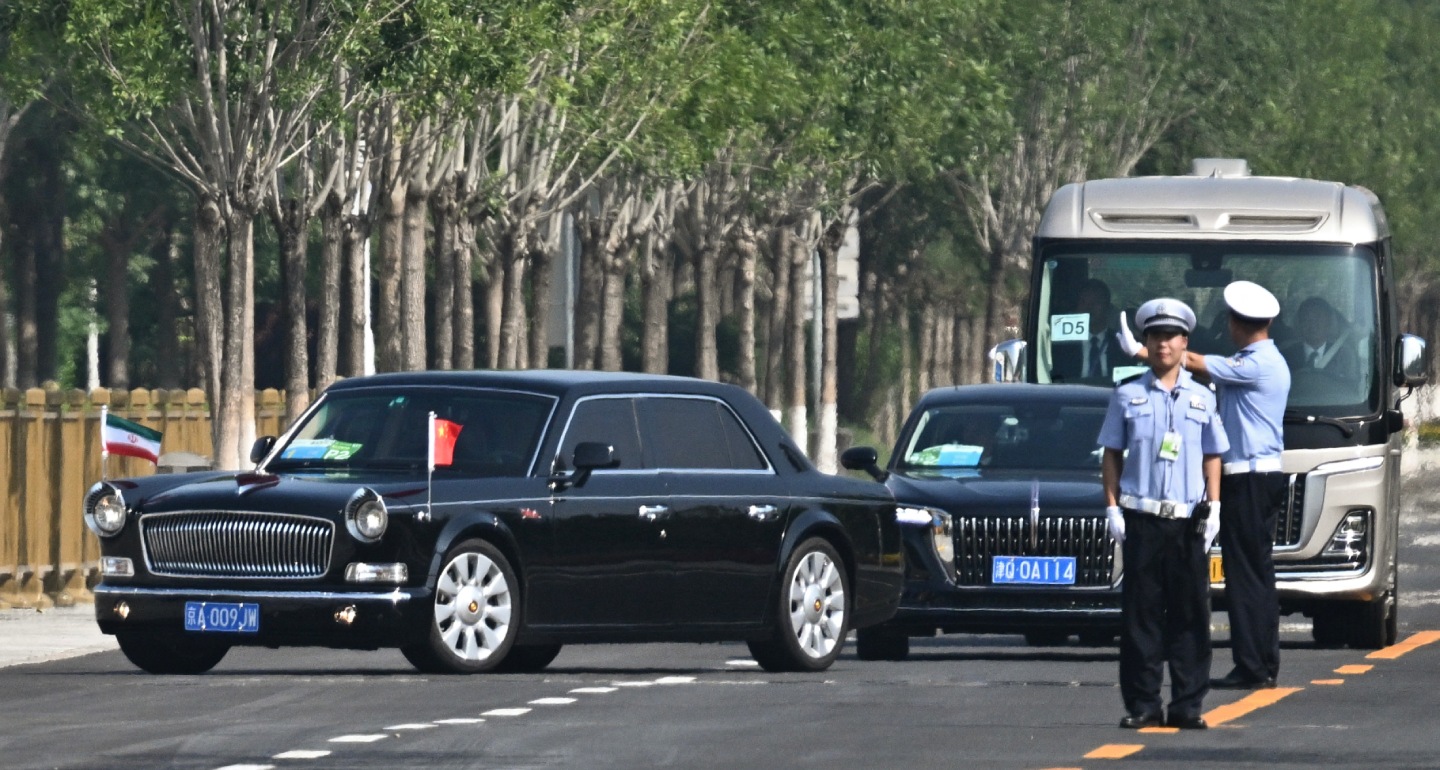
Most of Moscow’s military resources are tied up in Ukraine, while Beijing’s foreign policy prioritizes economic ties and avoids direct conflict.


Alexander Gabuev, Temur Umarov
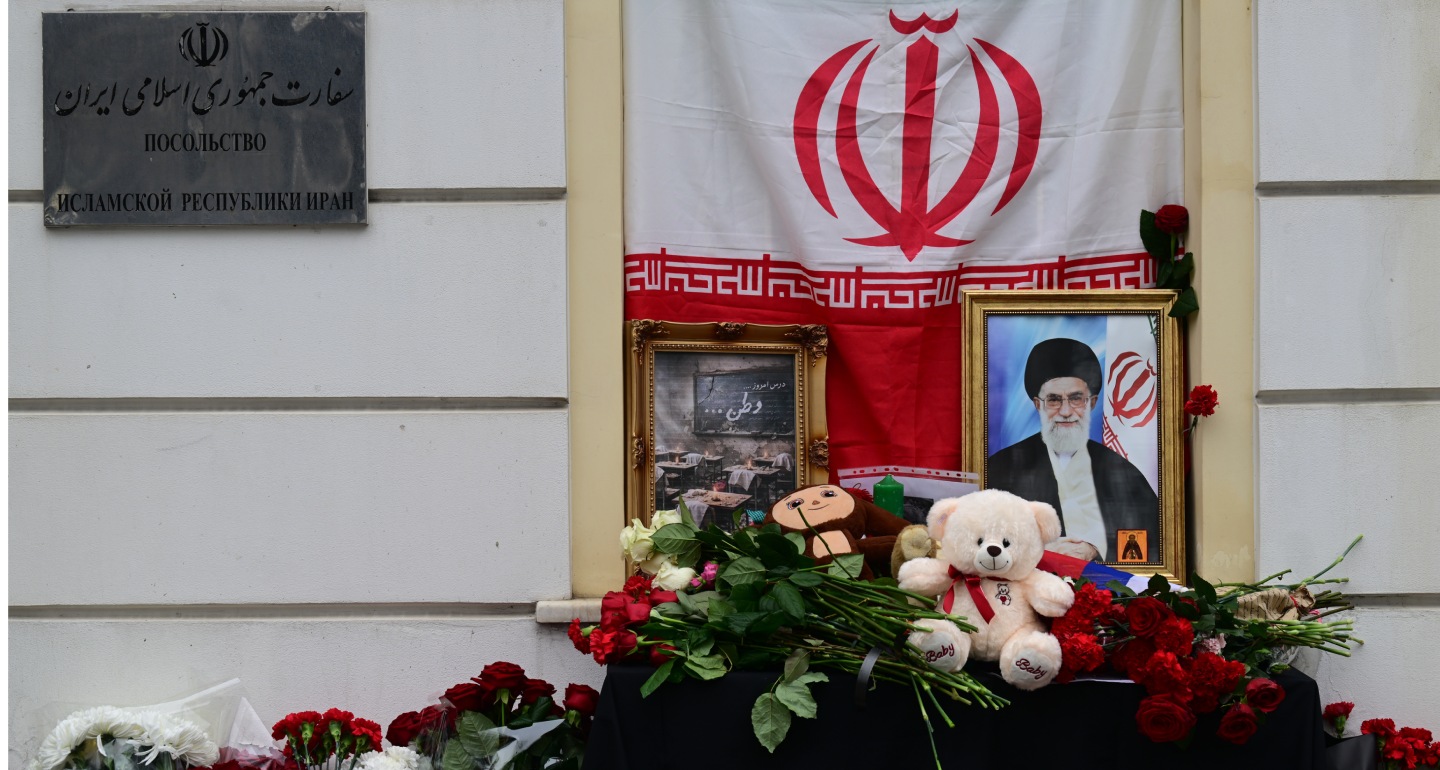
If the regime in Tehran survives, it could be obliged to hand Moscow significant political influence in exchange for supplies of weapons and humanitarian aid.

Nikita Smagin
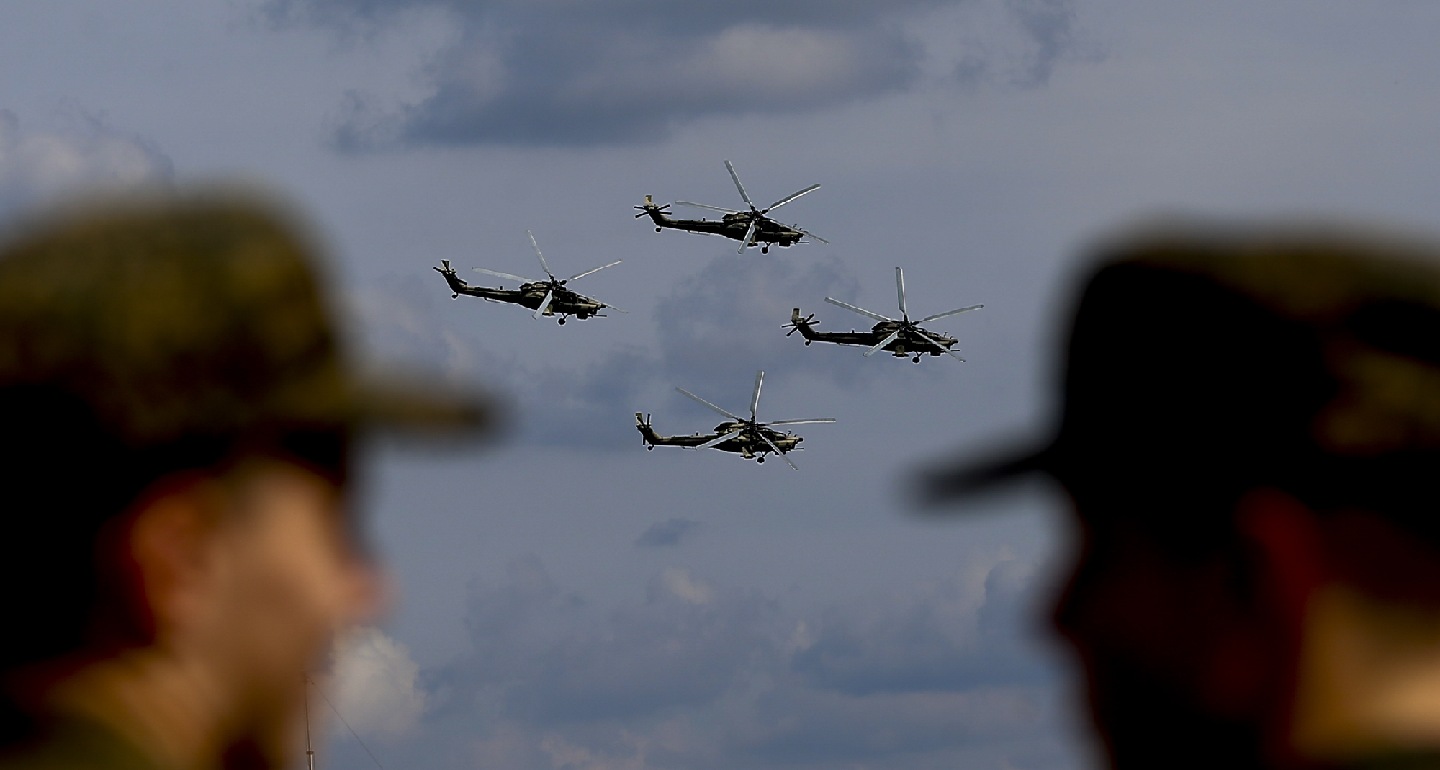
Arms supplies from Russia to Iran will not only continue, but could grow significantly if Russia gets the opportunity.
Nikita Smagin
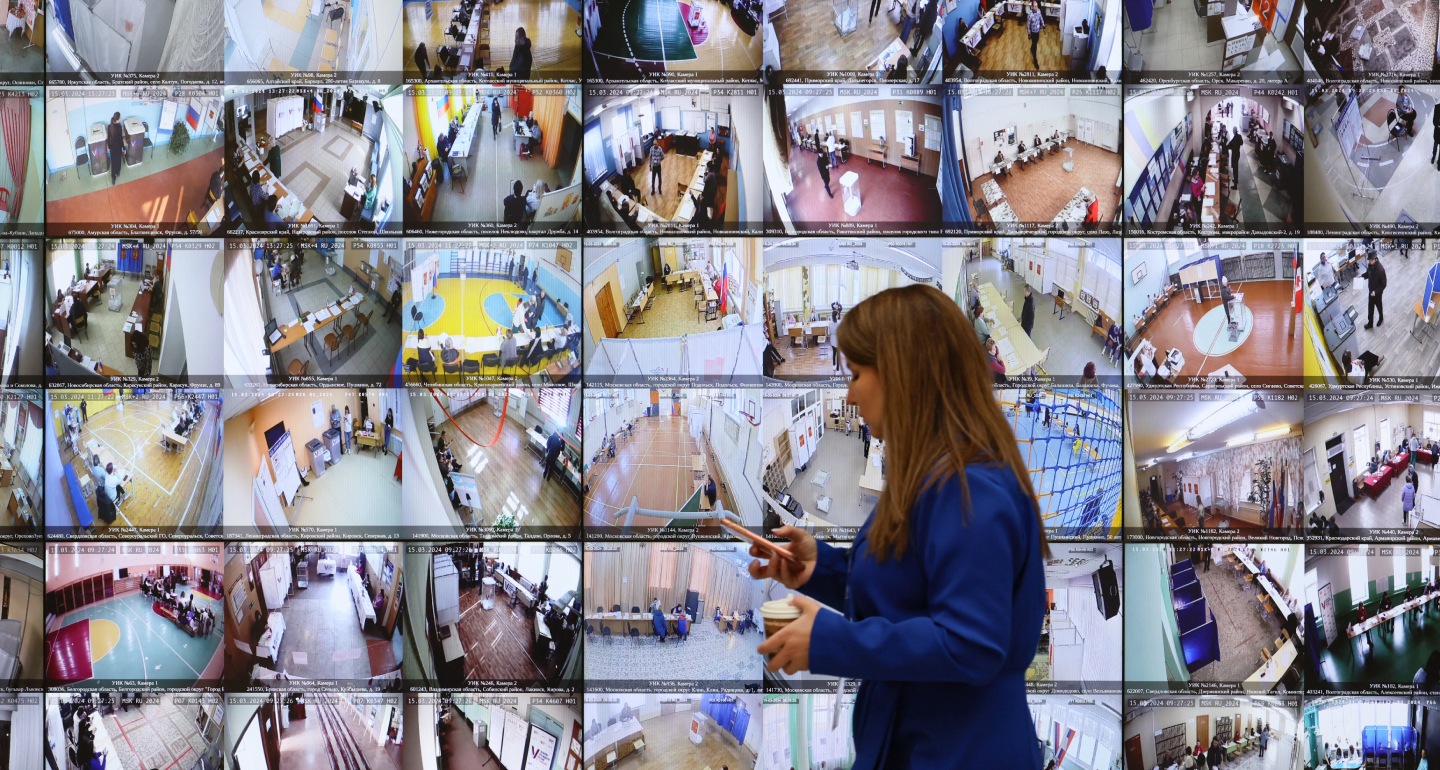
The use of technology to mobilize Russians to vote—a system tied to the relative material well-being of the electorate, its high dependence on the state, and a far-reaching system of digital control—is breaking down.

Andrey Pertsev
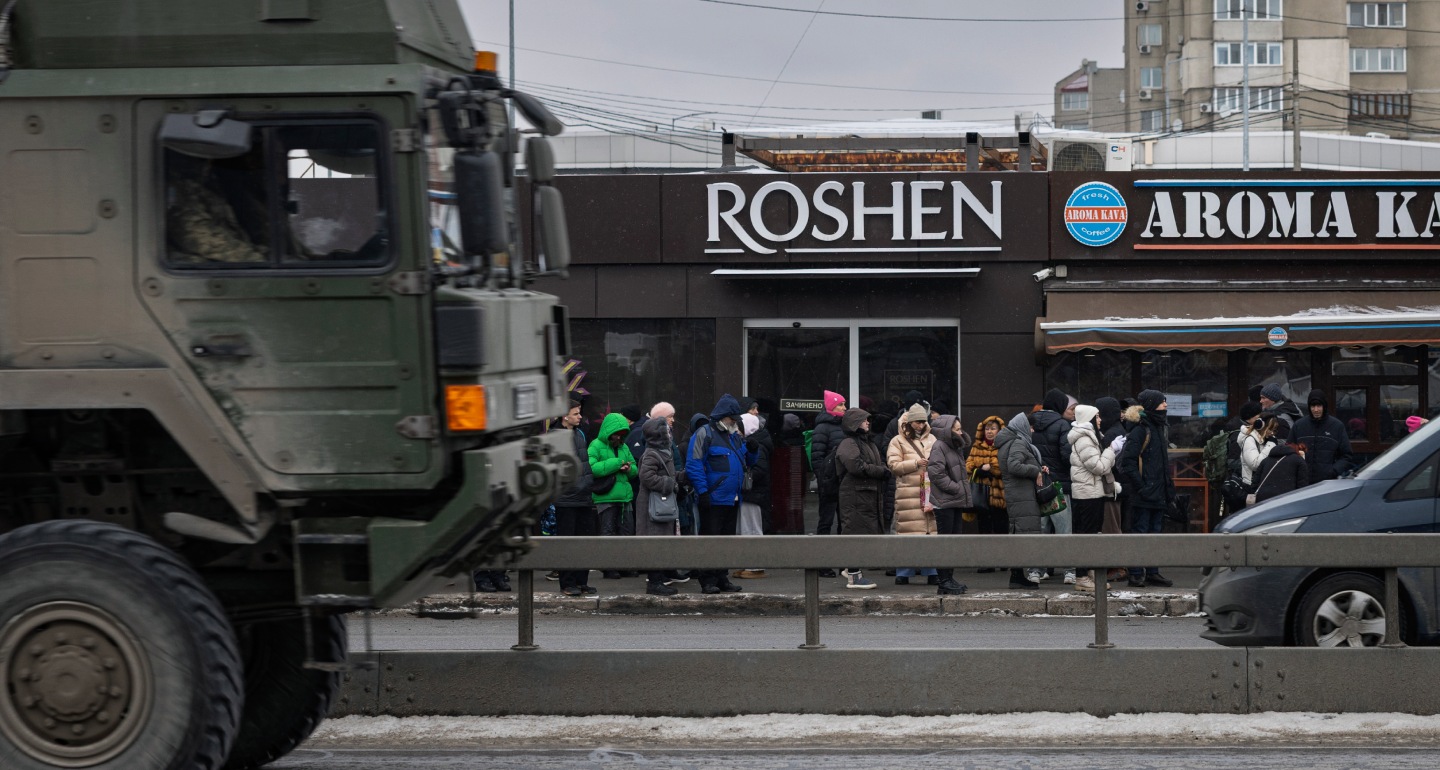
Putin is stalling, waiting for a breakthrough on the front lines or a grand bargain in which Trump will give him something more than Ukraine in exchange for concessions on Ukraine. And if that doesn’t happen, the conflict could be expanded beyond Ukraine.

Alexander Baunov