

In The Media
David Rothkopf
{
  "authors": [
    "David Rothkopf"
  ],
  "type": "legacyinthemedia",
  "centerAffiliationAll": "",
  "centers": [
    "Carnegie Endowment for International Peace"
  ],
  "collections": [],
  "englishNewsletterAll": "",
  "nonEnglishNewsletterAll": "",
  "primaryCenter": "Carnegie Endowment for International Peace",
  "programAffiliation": "",
  "programs": [],
  "projects": [],
  "regions": [
    "North America",
    "United States",
    "South America"
  ],
  "topics": [
    "Foreign Policy"
  ]
}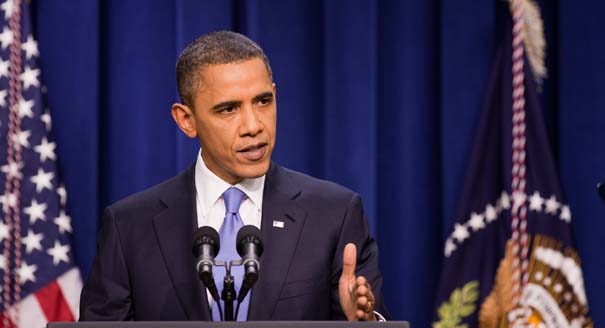
Source: Getty
The absence of any real focus on Latin America except to complain about trade disputes or quibble with the likes of Chávez has created a void that means when something goes wrong, it actually is seen as the totality of U.S. policy in the Americas.
Source: Foreign Policy
Since the United States is perfectly happy to work with left-leaning governments everywhere else in the world (and others that are authoritarian or worse -- yes, I mean you, Vladimir), we have to ask, why is the Latin America policy establishment having such a hard time getting over the 1980s? Or the 1960s? (The joke in the community goes that there are two factions in the Latin America policy community -- those still living in the '60s and those still living in the '80s. But all seem more familiar with the Cold War's tactics and more inclined to discuss import substitution and old school North-South politics than they are with the new realities of this century.)
If the answer is hard to fathom, the consequences could not be more obvious. The absence of any real focus on the region except to complain about trade disputes or quibble with the likes of Chávez (an understandable pursuit but not a suitable basis for a regional policy) has created a void that means when something goes wrong, it actually is seen as the totality of U.S. policy in the Americas.So it loomed larger than it otherwise might have when there was a fiasco concerning the grounding of Bolivian President Evo Morales's flight in Europe because he was thought to be ferrying Edward Snowden to a new destination. It inflamed Morales's colleagues throughout the region. The big bully of the North was dissing them again, extralegally violating their sovereign prerogatives. And then, when it was discovered that the National Security Agency was actively intercepting communications of millions of Brazilians, the United States actually succeeded in sending U.S. relations with the region hurtling back to the periods of the last century in which some U.S. policymakers seem most comfortable. It certainly hasn't helped that it has also been reported that the surveillance efforts extended to Mexico, Colombia, Argentina, Venezuela, Chile, Peru, Ecuador, Panama, Costa Rica, and others. The U.S. intelligence community was in everyone's business again. The United States was treating them like second-class citizens again. And it was hard to name major countervailing positive initiatives -- as you might find in the case of China or even Russia -- that could counterbalance and at least keep the relationships "complex" rather than just lousy.
It is sometimes thought that the failure to pay much attention to a region at least has the advantage of doing no harm. Not true. It leaves the door open for the unexpected and uncomfortable to define the totality of the relationship and gives the United States little leverage to offset problems when they do arise. It is akin to the U.S. stance in Syria, where doing nothing doesn't mean the United States is off the hook. Sometimes you own a problem not because you "broke it," but because your neglect has exacerbated it or made it possible.
For this reason, if the Obama team does not want to preside over the descent of U.S.-Latin America relations to their worst level in years, it's going to have to start thinking about concrete, meaningful, positive initiatives of the kind it has thus far sidestepped or failed to follow through on during the past few years. A breakthrough on Cuba, recognition of Brazil as a true partner in the community of major powers, prioritization of collaborative rather than divisive policies with Mexico, a new trade road map, trailblazing policies in areas associated with the Internet economy and data security, and meaningful energy and climate cooperation could all be elements of a more constructive approach. But most important would be recognizing that policy isn't something that the United States does to a region only when it feels like it. The most effective and enduring policy initiatives are ones the United States takes with its partners -- based not just on its needs and agenda but on listening to theirs and finding common ground. In other words, the best policy initiatives are based on the kind of genuine mutual respect that has been lacking from the U.S.-Latin America agenda for years -- well, forever.
And while U.S. officials may condemn and pursue Edward Snowden, they must also pause and ask what it says that, of the countries that have offered him asylum, the vast majority were in our own neighborhood -- in Venezuela, Bolivia, Nicaragua and, reportedly, Ecuador. In fact, it is worth asking what role the Morales fiasco played in pushing some of these countries to offer him asylum. In any event, this may all seem like a sideshow to those in the Washington foreign policy community who spend most of their time these days worrying about the Middle East, China, cyber-conflict, terrorism, and big trade deals -- which is of course, precisely the problem. In today's world, there is no such thing as benign neglect.

Former Visiting Scholar
David Rothkopf was a visiting scholar at the Carnegie Endowment as well as the former CEO and editor in chief of the FP Group.
Recent Work
David Rothkopf
David Rothkopf
Carnegie does not take institutional positions on public policy issues; the views represented herein are those of the author(s) and do not necessarily reflect the views of Carnegie, its staff, or its trustees.
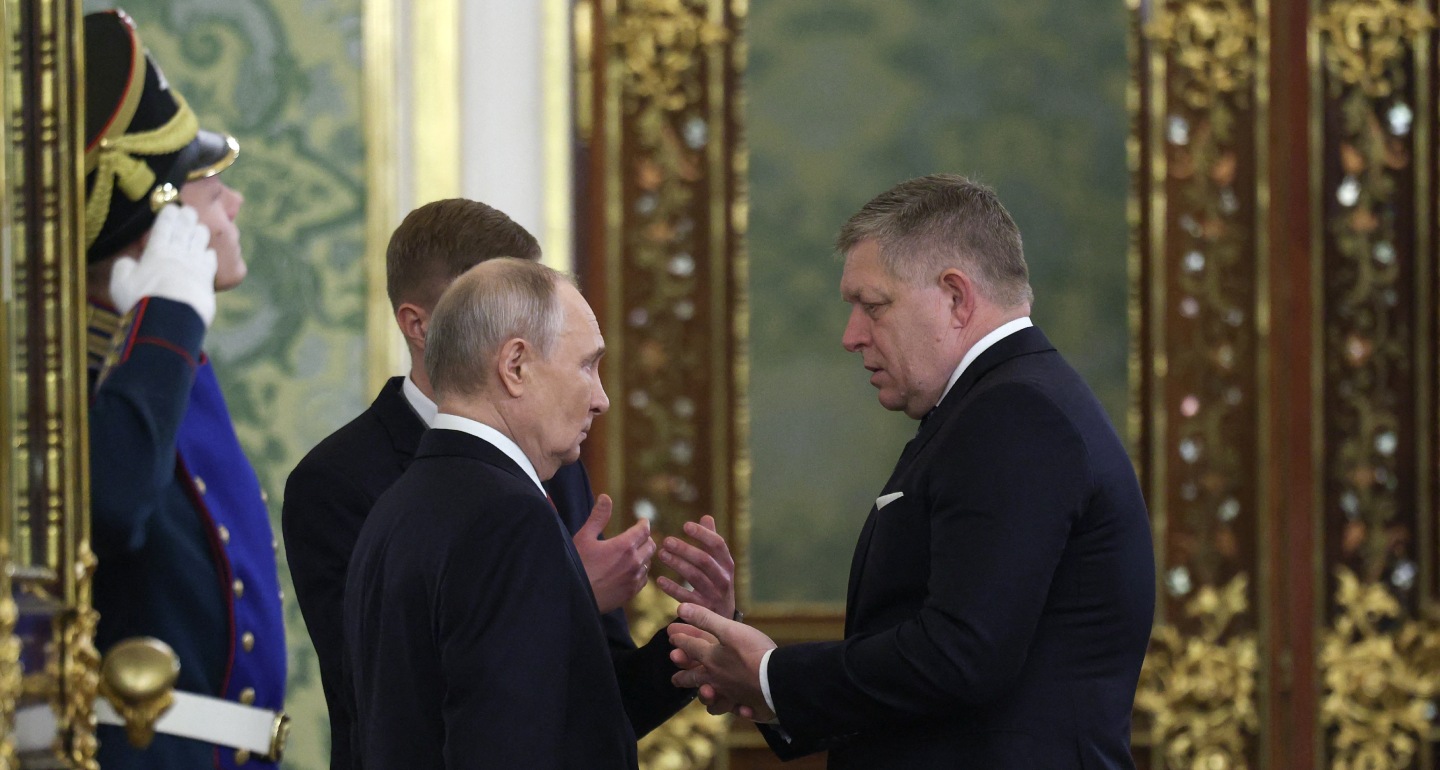
Though Orban is gone, Putin can still count on some like-minded individuals in Central and Eastern Europe. However, they will seek to avoid open confrontation with EU institutions over Ukraine and their ties with Moscow.

Dimitar Bechev

The truth is that Japan’s government is seeking a degree of reengagement but at a vastly reduced level than under Abe. Most significantly, Japan has shown no willingness to ease sanctions.

James D.J. Brown

Azerbaijan’s relations with the EU appear to be going from strength to strength after several years in the deep freeze following the military escalation in Karabakh in 2023 and Azerbaijan’s bitter fallout with France and several other EU member states.

Shujaat Ahmadzada

Governments in Estonia, Latvia, and Lithuania want to ensure that a U.S. military withdrawal would not leave them dangerously exposed to a Russian attack.

Sergejs Potapkins
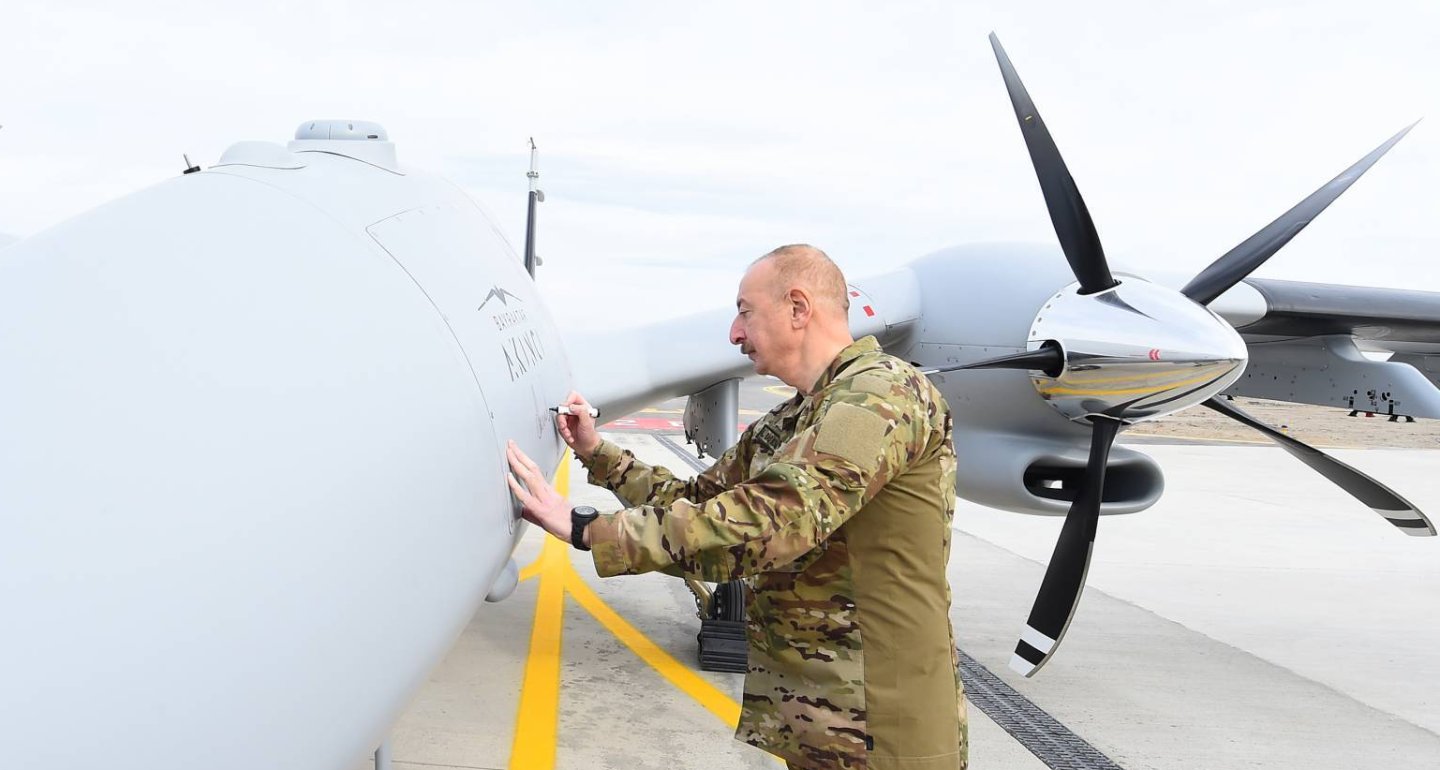
Baku’s backing for Ukraine is less about confronting Russia than about quietly broadening the mix of partners it relies on.

Zaur Shiriyev