

Commentary
Trade volumes between Russia and African nations have fallen since the last event in 2019, while the war in Ukraine and Wagner’s activities on the continent have strained political ties.
Vadim Zaytsev
{
  "authors": [],
  "type": "other",
  "centerAffiliationAll": "",
  "centers": [
    "Carnegie Endowment for International Peace"
  ],
  "collections": [],
  "englishNewsletterAll": "",
  "nonEnglishNewsletterAll": "",
  "primaryCenter": "Carnegie Endowment for International Peace",
  "programAffiliation": "",
  "programs": [],
  "projects": [],
  "regions": [
    "North Africa",
    "Egypt"
  ],
  "topics": []
}
Source: Getty
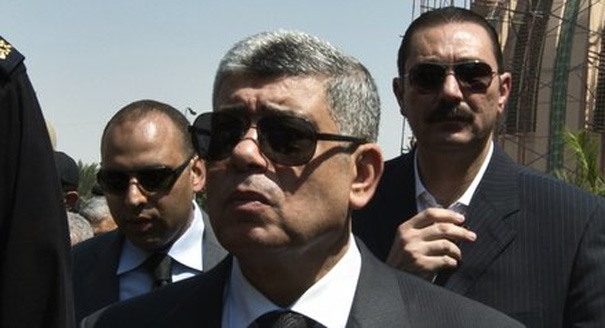
A brief profile of Mohamed Ibrahim.
This resource was published on 09/10/2013 and is not updated to reflect changing circumstances.
Mohamed Ibrahim was appointed Egypt’s interior minister in January 2013 by then prime minister Hisham Qandil. He replaced Ahmed Gamal El Din. During the administration of former president Mohamed Morsi, Ibrahim was criticized by the opposition for violently oppressing protesters demonstrating against Morsi and the ruling Muslim Brotherhood.
However, prior to protests against Morsi scheduled for June 30 by the opposition Rebel Movement (Tamarrud), Ibrahim implicitly endorsed the demonstrations by announcing that the Interior Ministry would not harass protesters. He retained his position after Morsi was removed from power by the military on July 3.
Ibrahim graduated from the Egyptian Police Academy in 1976. He has served in a number of senior positions in the Interior Ministry. Prior to becoming minister of the interior, he was deputy minister and head of Egypt’s prison authority.
Since July, Ibrahim has reportedly been an advocate within the government for a harsh crackdown against the Brotherhood, including the dispersal of pro-Morsi protesters on August 14 that resulted in hundreds of deaths. On September 5, Ibrahim survived an assassination attempt when a bomb exploded near his convoy in Cairo, killing at least one police officer and wounding dozens.
Carnegie does not take institutional positions on public policy issues; the views represented herein are those of the author(s) and do not necessarily reflect the views of Carnegie, its staff, or its trustees.
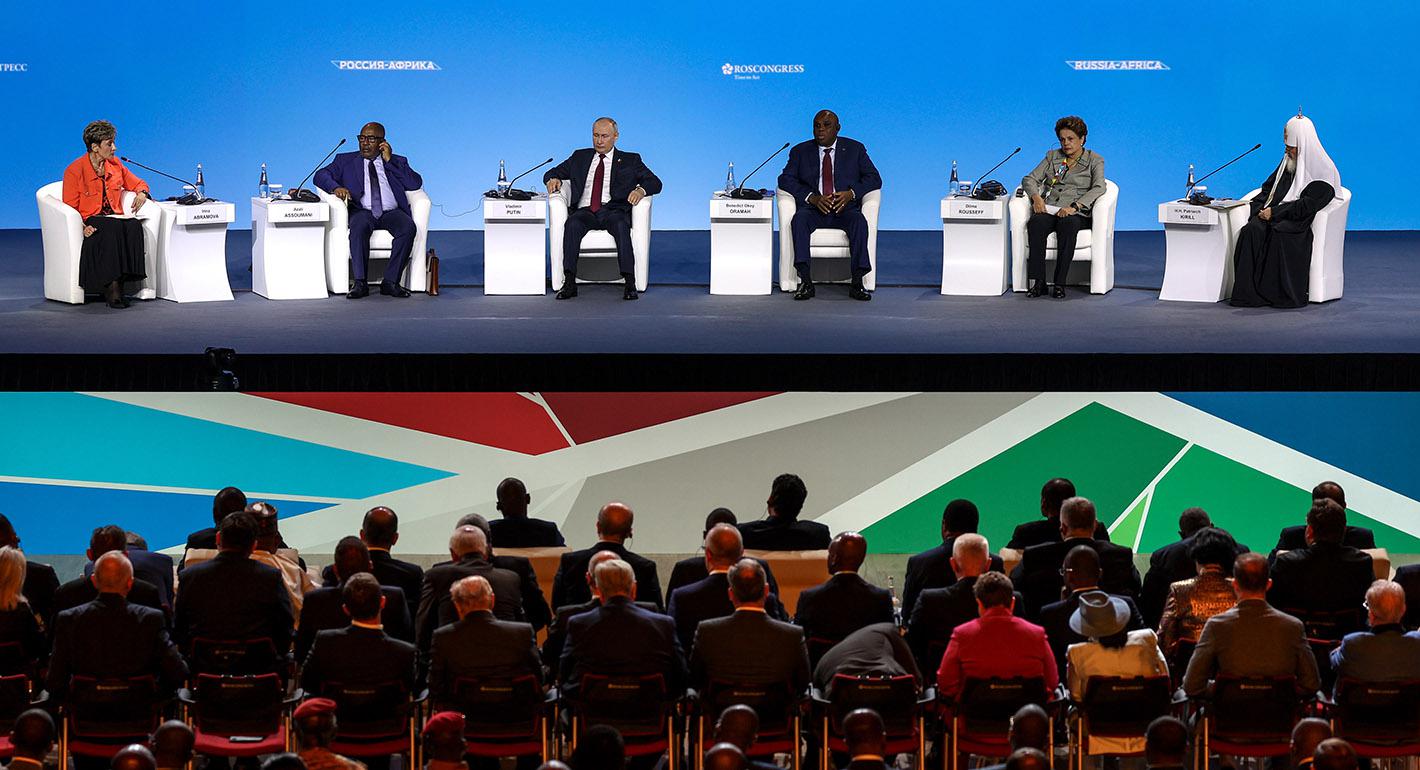
Trade volumes between Russia and African nations have fallen since the last event in 2019, while the war in Ukraine and Wagner’s activities on the continent have strained political ties.
Vadim Zaytsev
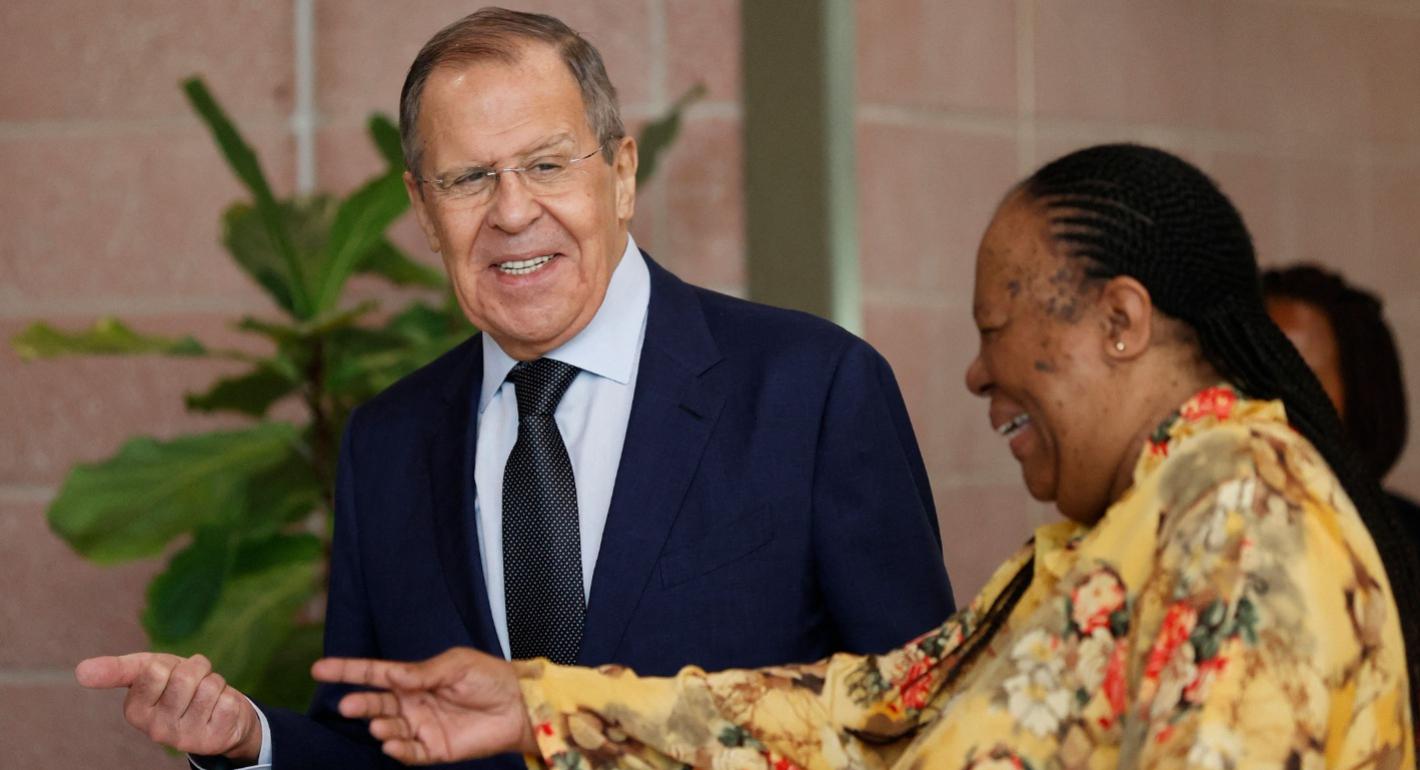
Africa is becoming a battlefield of artificial narratives. The Kremlin pretends it is creating a “second front” and challenging the rules-based order, while the West feigns concern over the Kremlin’s actions there, while knowing perfectly well that the main threat to its interests in the region is actually China.
Vadim Zaytsev
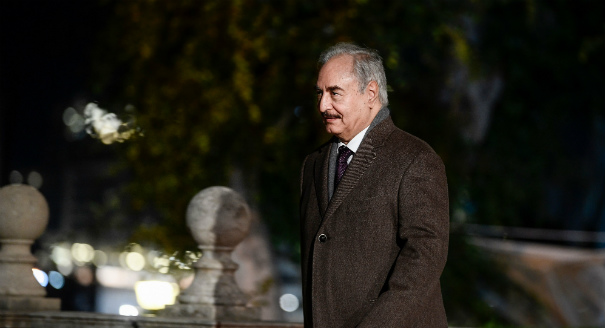
In order to secure its economic interests in Libya, Russia is seeking to bolster Haftar’s influence over a future UN-brokered diplomatic settlement.
Samuel Ramani
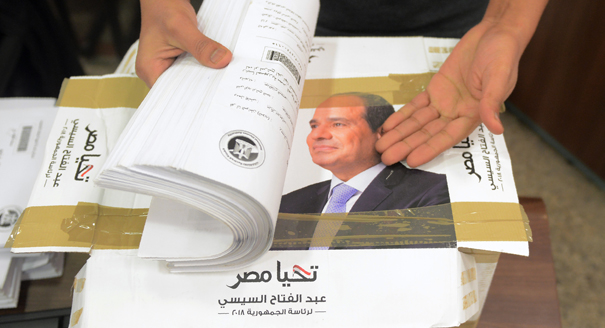
Egypt’s upcoming presidential election may not remove the incumbent, but many problems lie ahead if he wins.

Michele Dunne
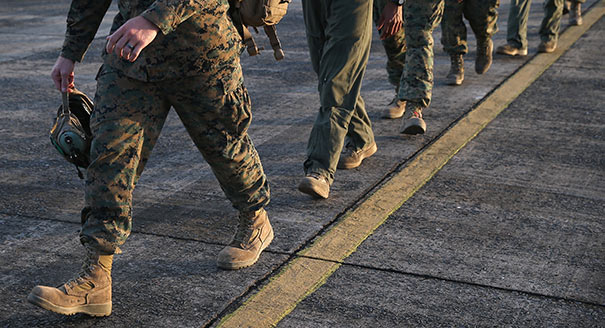
Based on the data, policymakers and practitioners need to ask hard questions about whether the terrorist threat justifies a continuing U.S. military buildup in Africa.

Steve Feldstein