

In The Media
David Rothkopf
{
  "authors": [
    "David Rothkopf"
  ],
  "type": "legacyinthemedia",
  "centerAffiliationAll": "",
  "centers": [
    "Carnegie Endowment for International Peace"
  ],
  "collections": [],
  "englishNewsletterAll": "",
  "nonEnglishNewsletterAll": "",
  "primaryCenter": "Carnegie Endowment for International Peace",
  "programAffiliation": "",
  "programs": [],
  "projects": [],
  "regions": [
    "North America",
    "United States"
  ],
  "topics": [
    "Political Reform",
    "Economy"
  ]
}
Source: Getty
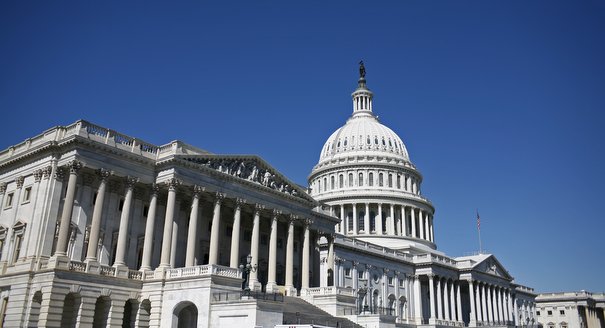
The most stunning thing about the U.S. government shutdown is the degree to which it is a nonevent, considered par for the course given the sad state of affairs in the capital.
Source: CNN
It speaks volumes that America's government could be shut down with its leaders blaming one another for bringing the country to the edge of the economic abyss, and the response of much of the world, including the leading financial markets, would essentially be a yawn.
The most stunning thing about this first shutdown of the U.S. government in almost two decades is the degree to which it is a nonevent, considered par for the course given the sad state of affairs in the nation's capital. Voters may be angry. They may be depressed. But there are no mass demonstrations. Congress' approval rating may have hit new lows, but beyond that, the response has been a shrug.
Here in Washington, traffic is still lousy. Lobbyists still schmooze over restaurant breakfast tables. People shake their heads in disgust. But no one even bothers to feign surprise.Speaking with institutional investors, I was struck to hear that they, too, consider this episode to be not much different from the histrionics of an unhappy child. Even financial professionals, whose world and well-being would be rocked by the cataclysm that would be triggered by America's failure to pay its debts, have not reacted with panic. (Today, during and after House Speaker John Boehner's defiant press conference, which seemed to presage a drawn-out crisis, the Dow Jones Industrial Average barely budged, remaining slightly positive throughout.)
When financial professionals are asked why they remain calm, they say that someone will blink because someone always blinks. And they say if nobody blinks, perhaps a brief market spike downward would serve as a wake-up call to reason.
But more important, nearly all those with whom I spoke believe the United States won't default even if the debt ceiling isn't lifted because there are ways the president can keep the checks going out -- such as simply paying the debt out of available cash and holding back on other payments not tied to the "full faith and credit of the U.S. government."
The result is that rather than action, this pathetic standoff has produced a lot of media sound and fury signifying, just as Shakespeare once observed, nothing.
Interested observers are understandably depressed, legitimately concerned that we have lost our mojo as a country, that this is a sign of decline, based on the fact that at this moment in U.S. history, our government just doesn't work.
Although this is primarily the fault of the GOP and notably and undeniably a tiny fraction of crackpots within the party who are throwing a public tantrum because they didn't get their way on health care reform, it is equally undeniable that both parties have contributed to the pitiful state of a democratic system that was once a shining example to the world.
Both parties are responsible for the gerrymandering that has produced a modern political reality in which the vast majority of members of Congress are in safe districts and never feel pressure from opposing views.
They have no reason ever to compromise and, indeed, are penalized for doing so because their future depends on primary wins, and they see those who vote in primaries -- the most extreme members of the party faithful -- as the group to whom they must answer.
Both parties have engineered and failed to challenge the corrupt campaign finance system that gives check writers power over law writers and undercuts the most basic principles of equity in democracy.
Both parties have contributed to the shrillness of the debate. Both parties have used antiquated Senate rules to block progress by their opponents and the confirmation of nominees of presidents they oppose. And both have done these things for so long now that these flaws in our system are seen as enduring and impermeable to change.
In the end, this is not a problem of a government shutdown or even of the impending breach of the debt ceiling, certainly not about the nonsense spewing from obstructionist tea party clowns who claim it is about defending "individual liberties."
It is also not as simple as refusing to negotiate with political hostage takers as the president suggests, although he is absolutely right to resist their crude techniques.
Rather, it is a governance crisis of the first order, one in which the solution can only be massive system-wide reform. It's a crisis that shows itself not just in the petty squabbles of elites, nor in the lack of a serious discussion about addressing the real problems confronting the country, but is best illustrated by the cynicism and relative indifference of the electorate.
They are not protesting, not voting out the bastards. Rather, most disturbingly, they are saying, "We don't believe you any more and we are starting not to care."
Former Visiting Scholar
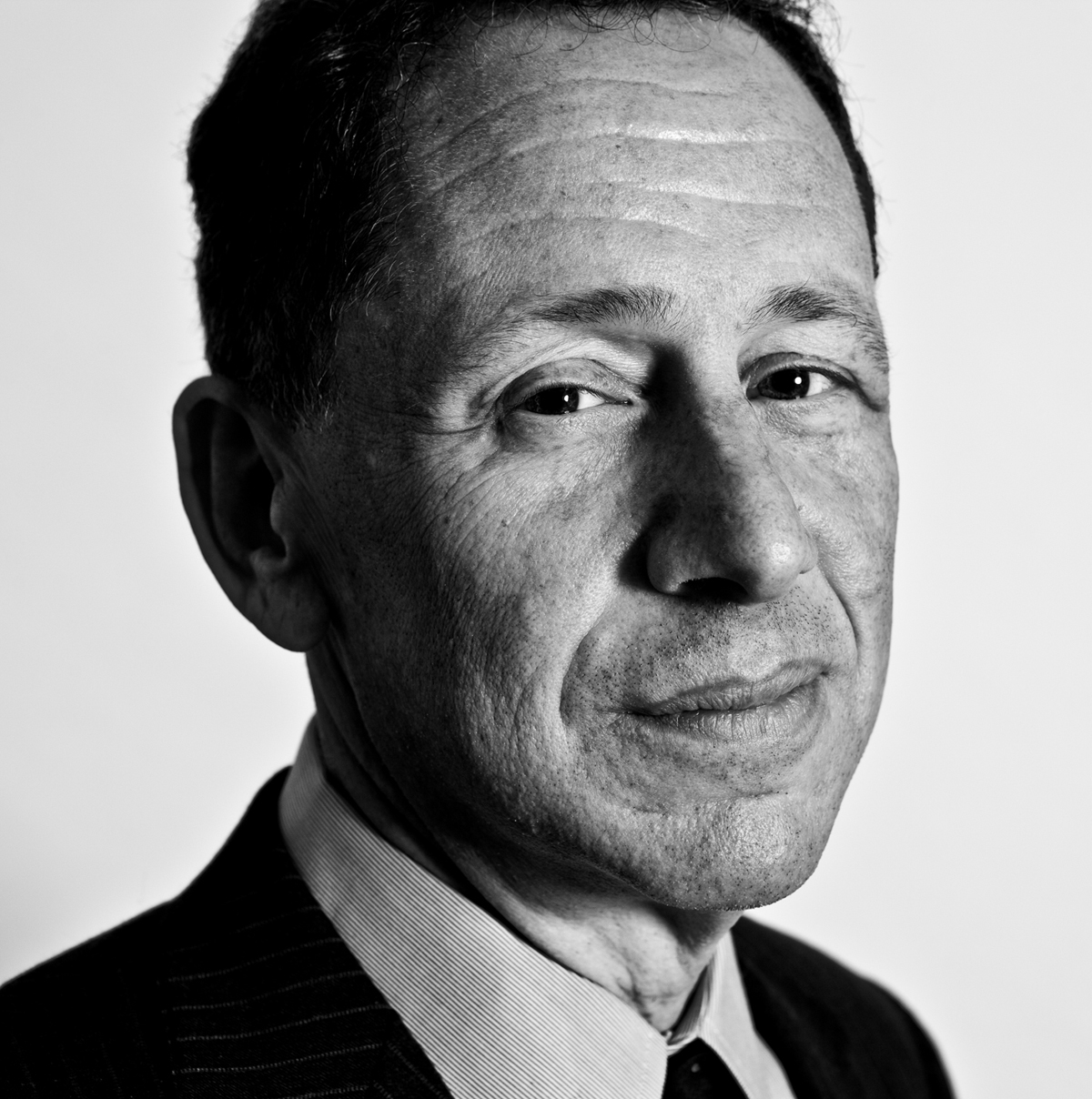
David Rothkopf was a visiting scholar at the Carnegie Endowment as well as the former CEO and editor in chief of the FP Group.
Recent Work
David Rothkopf
David Rothkopf
Carnegie does not take institutional positions on public policy issues; the views represented herein are those of the author(s) and do not necessarily reflect the views of Carnegie, its staff, or its trustees.
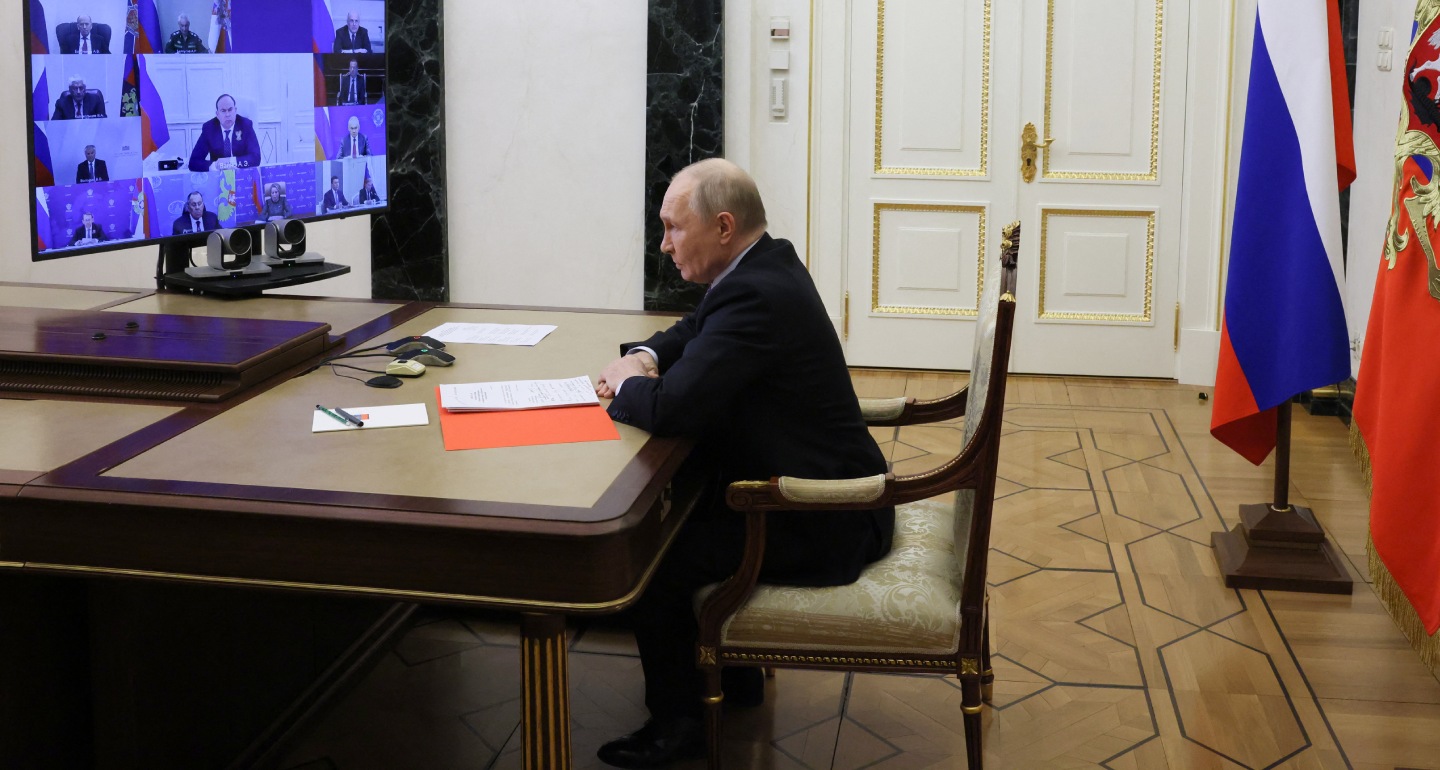
Two divergent trends—Putin’s hardline vision of how to prosecute the war in Ukraine, and a growing desire for change in Russia—could tear the regime apart.

Tatiana Stanovaya
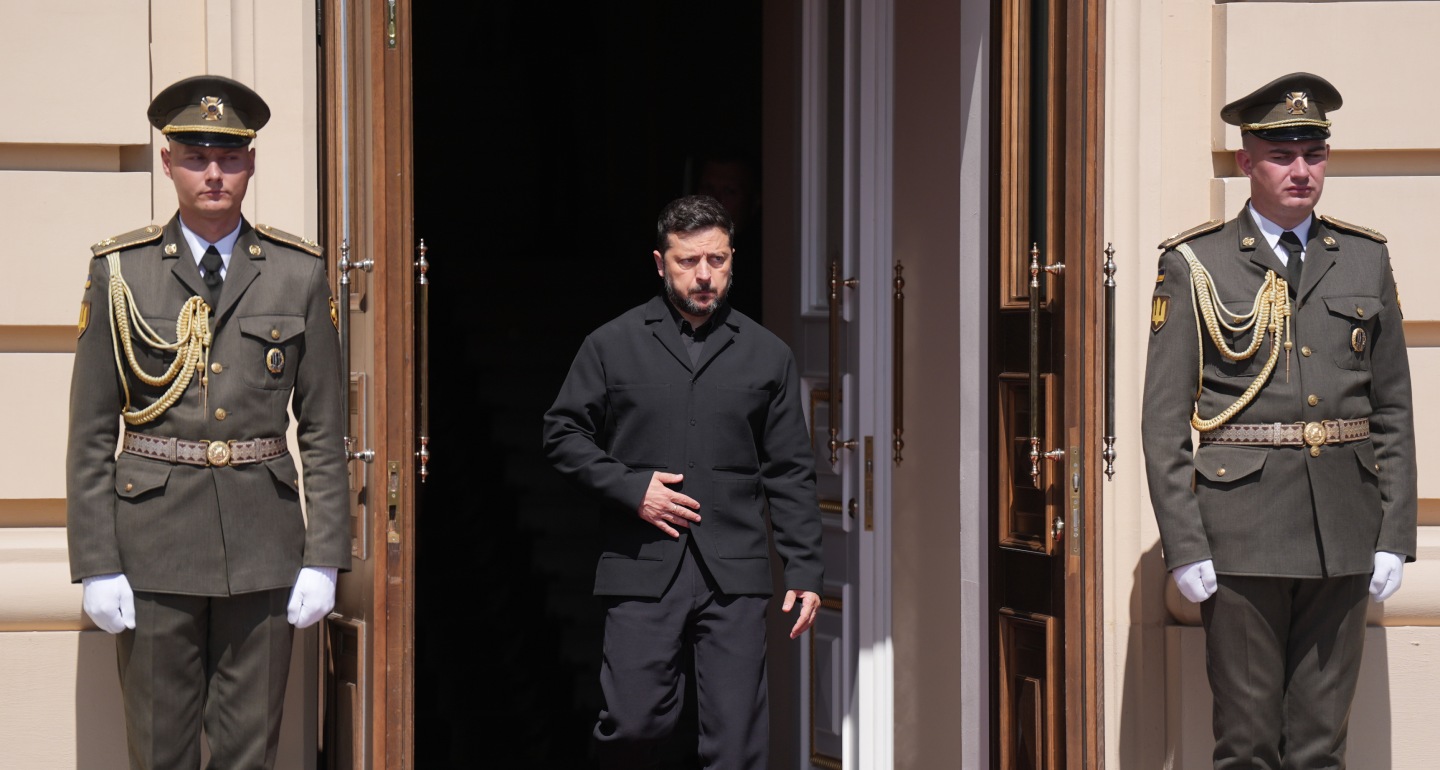
Ultimately, Zelensky sided neither with the reform camp nor with the military establishment as such, but with political control.

Balázs Jarábik

Tokayev’s predecessor, Nursultan Nazarbayev, outlined arrangements for a power transition too soon and in too much detail, ultimately losing control over the process. Tokayev is determined not to meet the same fate.

Temur Umarov

Despite unhappiness on the ground, Moscow is determined to use both carrot and stick to ensure there is record support for United Russia in occupied Ukraine.

Konstantin Skorkin
Whether PAS can refocus on the unfinished business of state-building may ultimately prove more consequential for Moldova’s European future than the pace of its accession negotiations.
Balázs Jarábik