

Q&A
- +1
Sheena Chestnut Greitens, Oriana Skylar Mastro, Yukon Huang, …
{
  "authors": [
    "Yukon Huang"
  ],
  "type": "legacyinthemedia",
  "centerAffiliationAll": "dc",
  "centers": [
    "Carnegie Endowment for International Peace"
  ],
  "collections": [],
  "englishNewsletterAll": "asia",
  "nonEnglishNewsletterAll": "",
  "primaryCenter": "Carnegie Endowment for International Peace",
  "programAffiliation": "AP",
  "programs": [
    "Asia"
  ],
  "projects": [],
  "regions": [
    "East Asia",
    "China"
  ],
  "topics": [
    "Economy"
  ]
}
Source: Getty
Addressing China’s local debt problem requires fiscal reforms to increase local revenues. Sustaining growth also requires expanding the role of private firms and a more efficient urbanization process.
Source: China View
Carnegie’s Yukon Huang appeared on China View to discuss China’s local government debt challenges. He argued that there are two issues which could prevent China from growing at 7 percent through 2020. The first is local government debt, which exploded as a result of the government stimulus following the global financial crisis. However, the true issue with local government debt is that local governments do not receive enough tax revenue to cover their expenses. Therefore, fiscal reform is the single most important step toward addressing the local government debt problem, and the Third Plenum reform proposals seem to have recognized this, he said. The second issue, Huang continued, is that China can no longer afford to simply rely on local government spending for support and must therefore boost productivity. The two main ways the government can boost productivity is to expand the role of private enterprise in the economy, because private firms are twice as productive as state-owned enterprises, and to improve the efficiency of the urbanization process by allowing more people to migrate to the more productive big cities. Improving the efficiency of the urbanization process will also improve equity, expand citizens freedoms, and will reduce China's trade surplus and tensions with the West.

Senior Fellow, Asia Program
Huang is a senior fellow in the Carnegie Asia Program where his research focuses on China’s economy and its regional and global impact.
Recent Work


Sheena Chestnut Greitens, Oriana Skylar Mastro, Yukon Huang, …


Yukon Huang, Isaac B. Kardon, Matt Sheehan
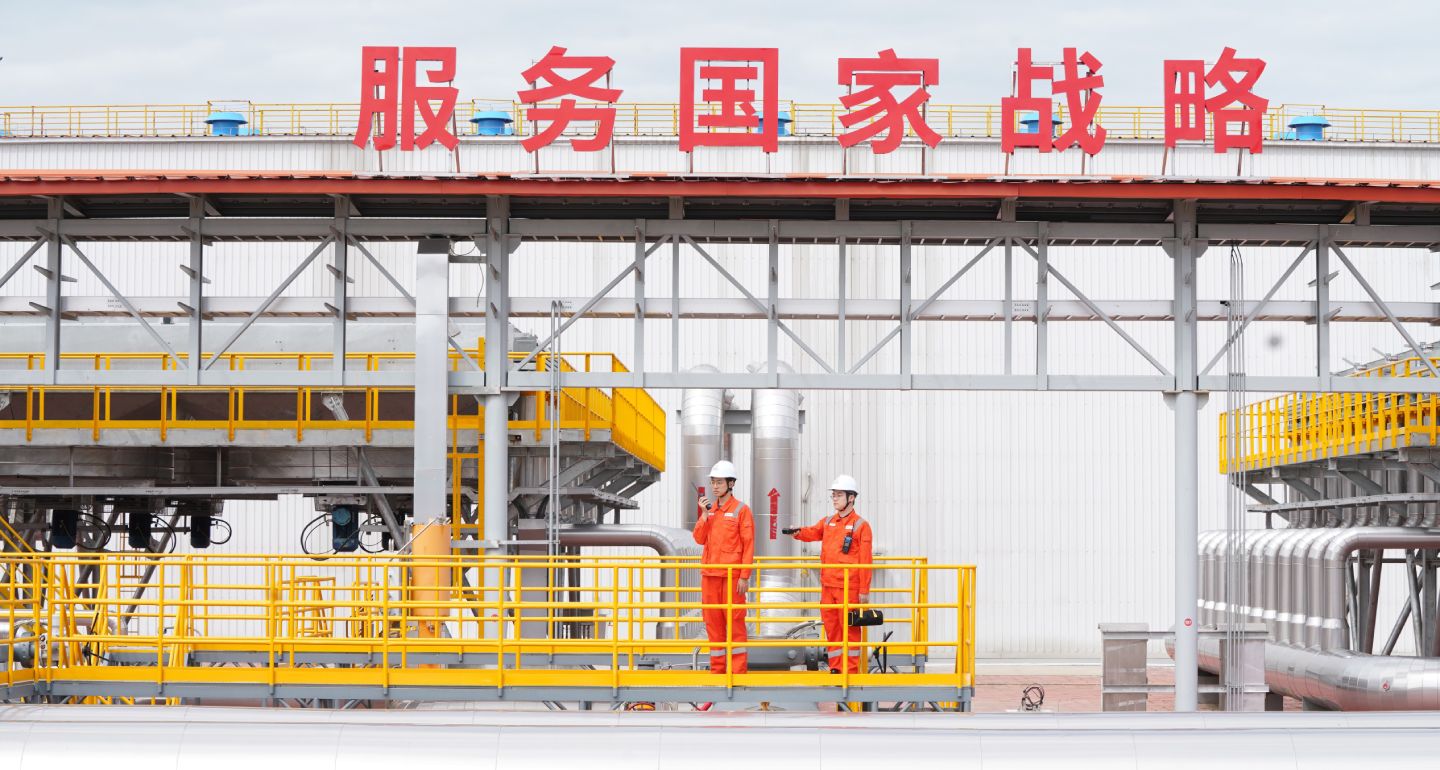
A leak of Russian gas price data helps establish that China is paying Russia far less than Central Asian countries and Gazprom’s former European customers.

Sergey Vakulenko

Russian strikes are weakening the economy sustaining Ukraine’s war effort. Closing the growing funding gap will require more European support and politically contentious reforms in Kyiv.

Balázs Jarábik

For every ruble allocated to social policy, health, and education in 2027, double that amount is earmarked for the army, the police, and the security services.

Alexandra Prokopenko

Depleted financial reserves and a shrinking tax base mean it is no longer possible to simultaneously deliver high defense spending, price stability, and economic growth.
Alexandra Prokopenko

With the growth in points of friction between the great powers, organizations like the SCO will continue to play a role in the strategic adaptation of the smaller powers caught between them.

Temur Umarov