

Article
Deborah Gordon, Stephen D. Ziman
{
  "authors": [
    "Deborah Gordon"
  ],
  "type": "legacyinthemedia",
  "centerAffiliationAll": "dc",
  "centers": [
    "Carnegie Endowment for International Peace"
  ],
  "collections": [],
  "englishNewsletterAll": "ctw",
  "nonEnglishNewsletterAll": "",
  "primaryCenter": "Carnegie Endowment for International Peace",
  "programAffiliation": "SCP",
  "programs": [
    "Sustainability, Climate, and Geopolitics"
  ],
  "projects": [
    "Carnegie Oil Initiative"
  ],
  "regions": [
    "North America",
    "United States"
  ],
  "topics": [
    "Climate Change"
  ]
}
Source: Getty
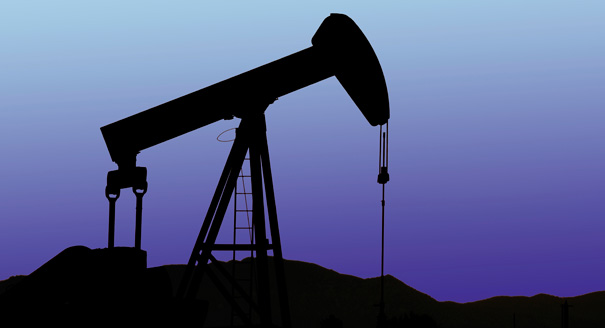
While the energy boom in the United States is increasing domestic access to oil and gas and growing exports of petroleum products, it is unlikely that this will translate into U.S. energy independence.
Source: International Economy Magazine
While the energy boom in the United States is increasing domestic access to oil and gas and growing exports of petroleum products, it is unlikely that this will translate into U.S. energy independence.
Factors beyond our control are likely to steer the U.S. away from independence. Some of these uncertainties include demand growth in emerging economies, future energy prices, and durable trade agreements, as well as the degree of policy intervention on climate change, water, and other societal impacts of fossil fuel use. The upsurge of tight oil, shale gas, other unconventional resources, and yet-to-be-discovered fossil fuels—in the United States and elsewhere—will only make the world more energy interdependent than ever before.
Setting politics aside, the technological push to develop different, difficult, and potentially more dangerous oil and gas resources is being driven by the unbridled power of the global marketplace. Petroleum products made from both U.S. oil and natural gas are extremely valuable and supplies to Asia, Europe, and elsewhere are on the rise. Pressure to ramp up liquefied natural gas exports is building. Direct sale of American crude oil to foreign markets could be the next energy foray.With overall fossil fuel consumption currently flat or falling in America and Western Europe, growth in energy demand is in emerging economies. These burgeoning importers therefore are gaining influence in global energy markets. Exporting countries, including America, will increasingly reorient themselves to those markets. As such, the fossil fuel commodities produced domestically are not guaranteed to stay at home. The expanding array of fossil fuels is more likely to circumnavigate the globe. U.S. fossil fuel production could ultimately do more to trigger competition between global energy trade flows than fuel domestic independence.
If the ultimate goal is self-sufficiency, sovereignty, and security, the road to energy independence cannot be paved predominantly with fossil fuels. Energy efficiency and diversification into alternative renewable energy sources both need to play a far greater role on a worldwide scale.
Abundant fossil fuel supplies alone do not guarantee the United States and others energy independence. Just look at Saudi Arabia, Russia, and increasingly Canada. None of these countries have been able to isolate themselves from the world and avoid the economic and political struggles that oil and gas resource endowments bring.
Despite the hype and hubris, managing energy supplies will be an increasingly complex undertaking, one that needs to account for the externalities—climate change, water stresses, and various local impacts—that loom large. With the larger goal of international peace and security in mind, don’t be surprised if the United States continues to struggle with managing its energy bounty, whether it attains some measure of independence or not.
This article was originally published by International Economy Magazine.

Former Director and Senior Fellow, Energy and Climate Program
Gordon was director of Carnegie’s Energy and Climate Program, where her research focuses on oil and climate change issues in North America and globally.
Recent Work
Deborah Gordon, Stephen D. Ziman
Deborah Gordon, Smriti Kumble, David Livingston
Carnegie does not take institutional positions on public policy issues; the views represented herein are those of the author(s) and do not necessarily reflect the views of Carnegie, its staff, or its trustees.

Without a ceasefire with Ukraine on attacking each other’s energy infrastructure—to which the Kremlin is unlikely to agree—the diesel agreement between Putin and Trump is largely for show, rather than representing a genuine increase in the volumes of Russian diesel on the global market.

Sergey Vakulenko

Trump has promised Belarus a massive potash deal. But Minsk is seeking something greater: restored Western transit and greater room for maneuver from Russia.

Balázs Jarábik

Minsk clearly expected the dialogue with Washington to yield more results, in particular the lifting of EU sanctions and permission to export potash.

Artyom Shraibman

When faced with fuel shortages in the past, Central Asian governments could always count on additional supplies from Moscow. That safety net no longer exists.

Galiya Ibragimova

Official discussions about mini oil refineries are unlikely to come to anything—but the mere fact they’re happening reveals the regime is failing to deliver a functioning economy.
Sergey Vakulenko