

Commentary
Ongoing uncertainty in the Middle East allows Moscow to both increase its influence in Tehran and continue to enjoy the financial windfall of higher oil prices.
Nikita Smagin
{
  "authors": [
    "Deborah Gordon",
    "Andreas Löschel",
    "Jim Skea",
    "Wang Tao"
  ],
  "type": "other",
  "centerAffiliationAll": "dc",
  "centers": [
    "Carnegie Endowment for International Peace"
  ],
  "collections": [],
  "englishNewsletterAll": "ctw",
  "nonEnglishNewsletterAll": "",
  "primaryCenter": "Carnegie Endowment for International Peace",
  "programAffiliation": "SCP",
  "programs": [
    "Sustainability, Climate, and Geopolitics"
  ],
  "projects": [],
  "regions": [
    "North America",
    "United States",
    "East Asia",
    "China",
    "Western Europe",
    "United Kingdom",
    "France"
  ],
  "topics": [
    "Climate Change"
  ]
}
Source: Getty
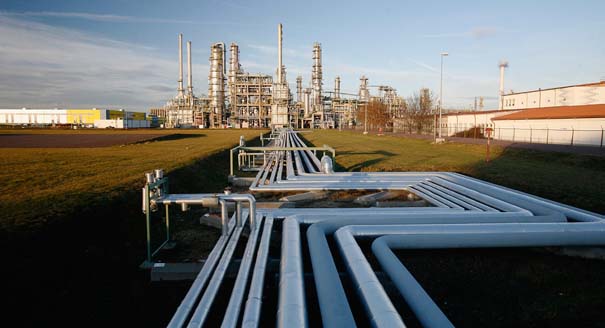
A new energy transition faces the United States as it shifts from oil scarcity to potential abundance.
Source: Université Total - Energy Days
Carnegie’s Deborah Gordon joined Andreas Löschel, Jim Skea, and Wang Tao of the Carnegie-Tsinghua Center for Global Policy on a panel at Université Total - Energy Days to discuss the future of energy. Gordon discussed the new energy transition facing the United States as it shifts from oil scarcity to potential abundance. She identified the number of unknowns still affecting this transition and the future of these new resources, including fossil fuel price variability, changes in energy efficiency, and possible climate policy. Andreas Löschel, Jim Skea, and Wang Tao offered insights on the energy transitions that Germany, the U.K., and China are facing.
Former Director and Senior Fellow, Energy and Climate Program
Gordon was director of Carnegie’s Energy and Climate Program, where her research focuses on oil and climate change issues in North America and globally.
Andreas Löschel
Jim Skea
Former Nonresident Scholar, Carnegie-Tsinghua Center for Global Policy
Wang Tao was a nonresident scholar in the Energy and Climate Program based at the Carnegie–Tsinghua Center for Global Policy.
Carnegie does not take institutional positions on public policy issues; the views represented herein are those of the author(s) and do not necessarily reflect the views of Carnegie, its staff, or its trustees.
Ongoing uncertainty in the Middle East allows Moscow to both increase its influence in Tehran and continue to enjoy the financial windfall of higher oil prices.

Nikita Smagin
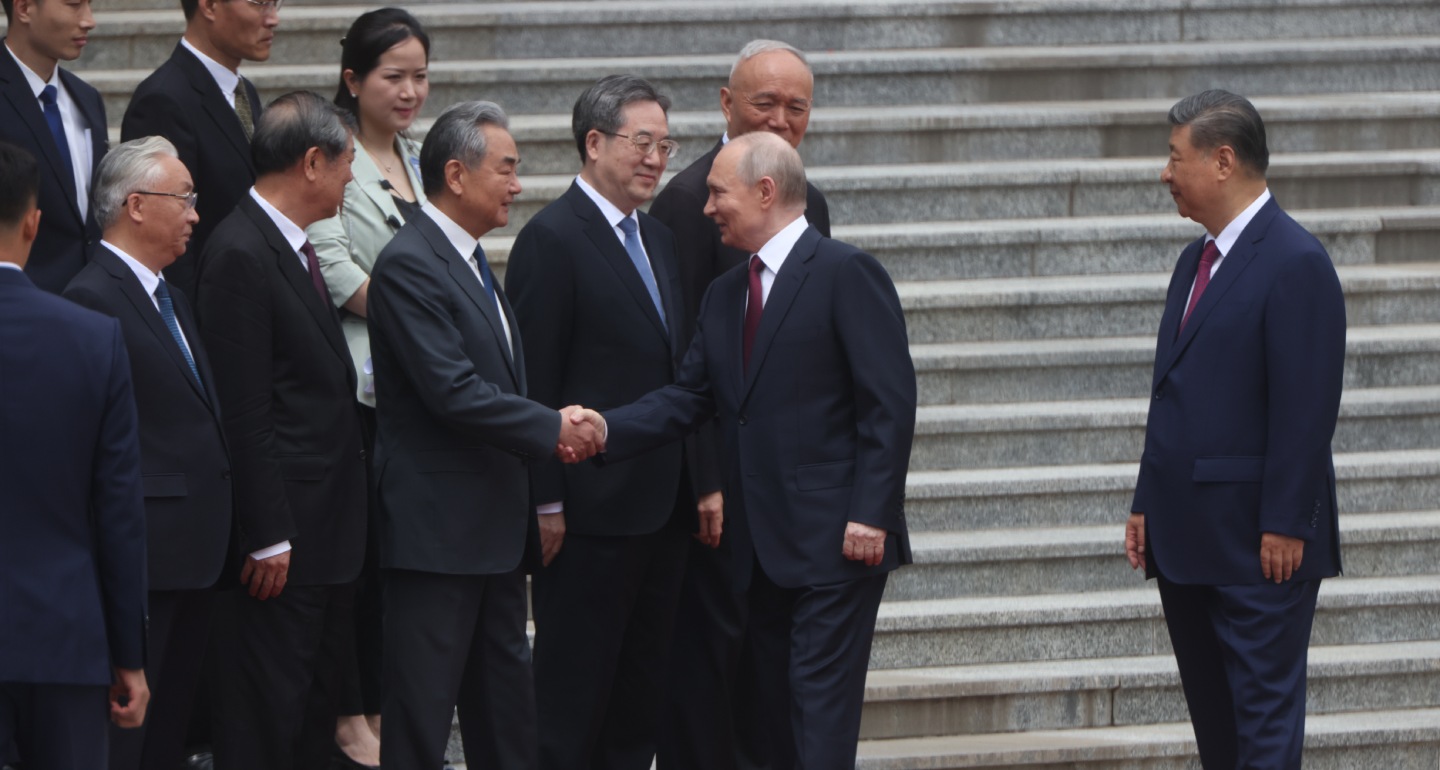
With no key agreement signed on the Power of Siberia 2 gas pipeline, there is a risk that the window of opportunity for Russia will close if Chinese power generation becomes so green that new gas sources are no longer of any interest to Beijing.

Alexander Gabuev
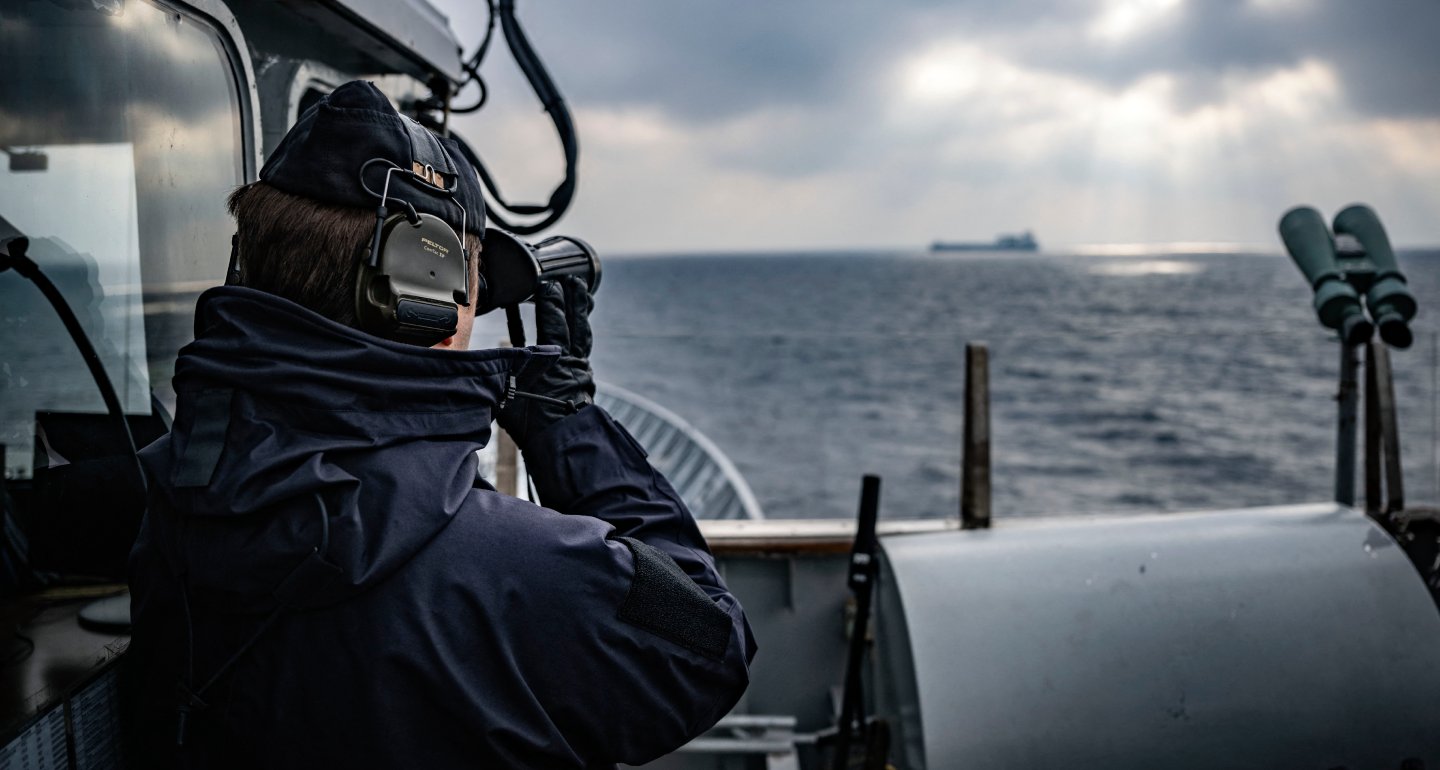
Governments in Estonia, Latvia, and Lithuania want to ensure that a U.S. military withdrawal would not leave them dangerously exposed to a Russian attack.

Sergejs Potapkins
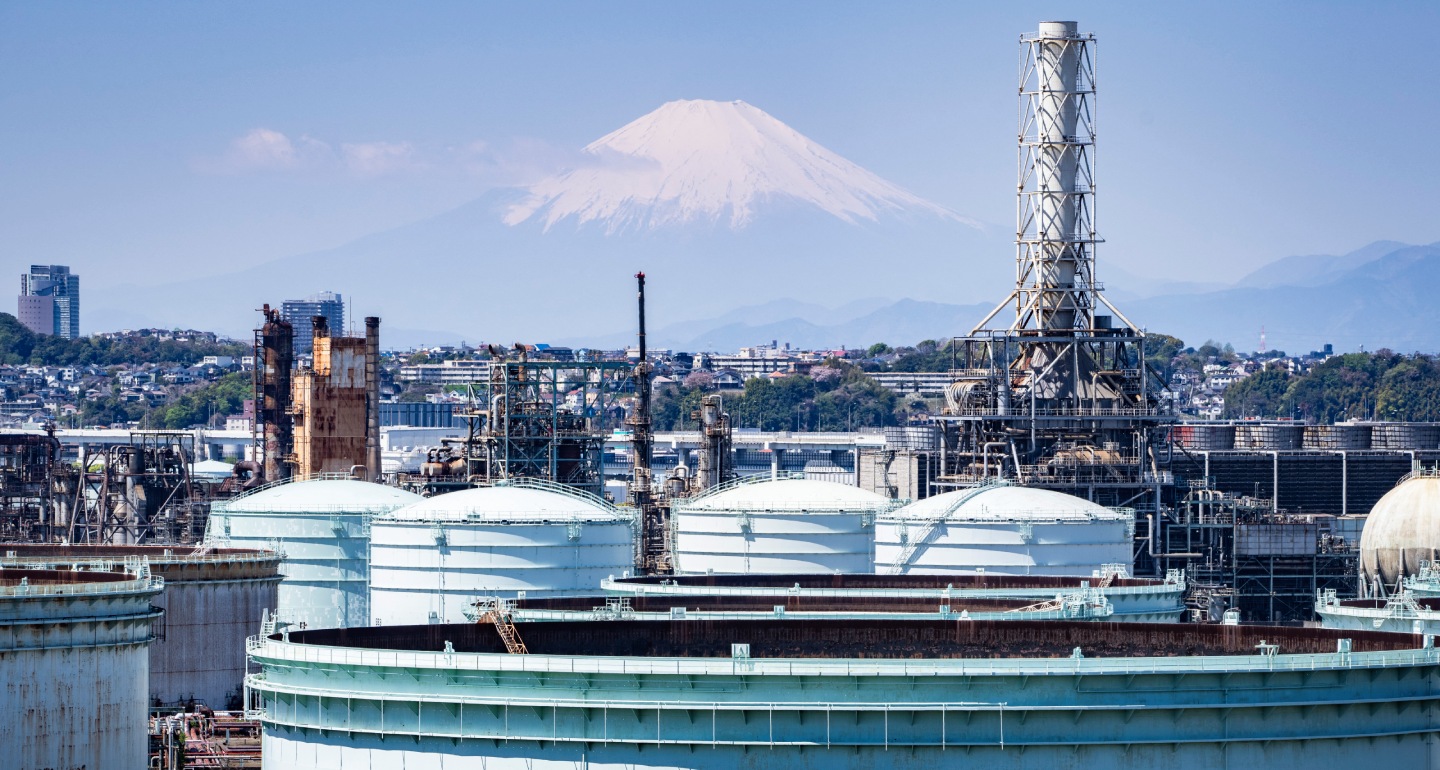
Tokyo would have to surmount a lot of obstacles—not least Western sanctions—if it wanted to return Russian oil imports to even modest pre-2022 volumes.
Vladislav Pashchenko
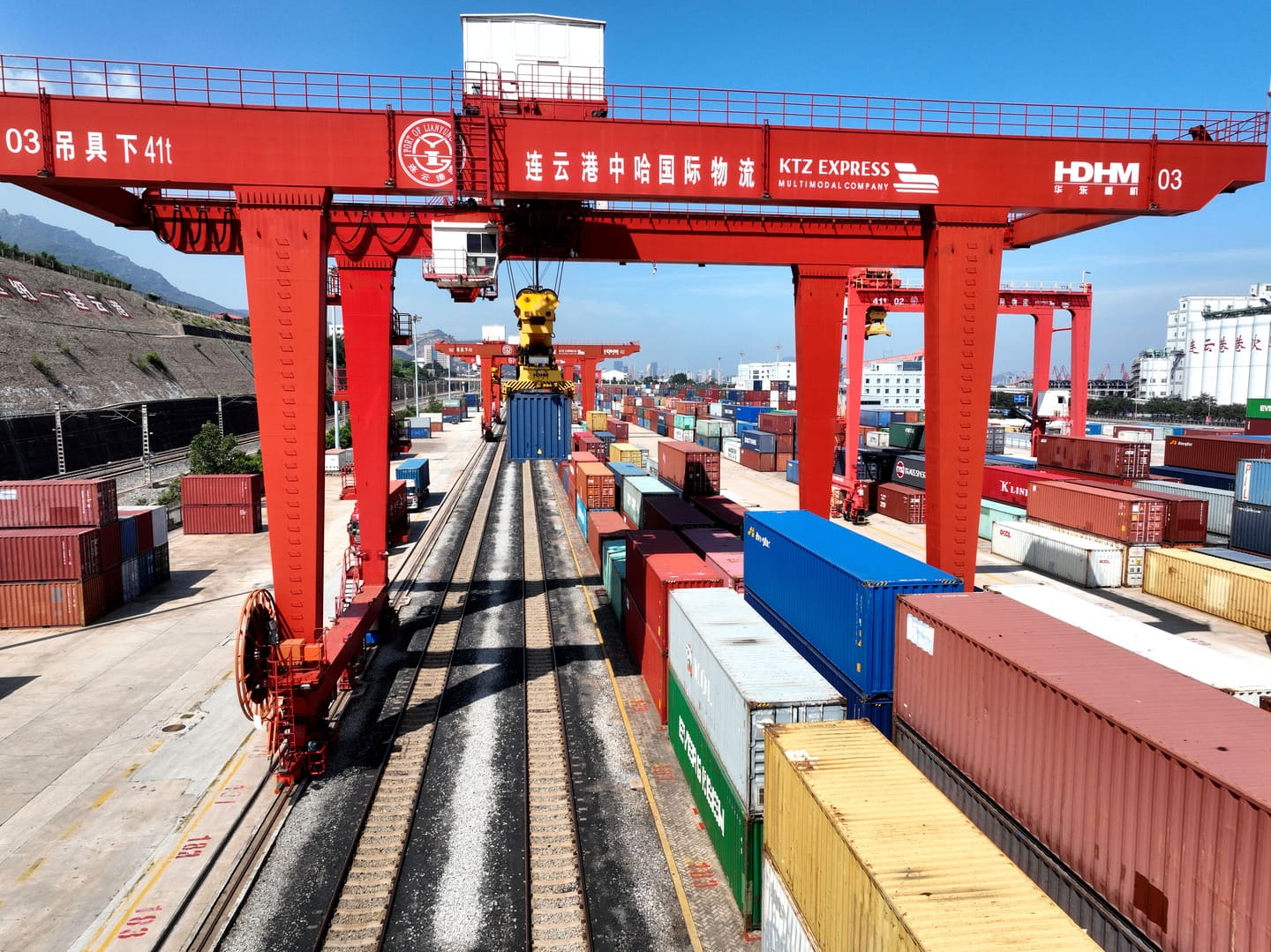
For the Middle Corridor to fulfill its promises, one of these routes must become scalable. At present, neither is.
Friedrich Conradi