

In The Media
Lilia Shevtsova
{
  "authors": [
    "Lilia Shevtsova"
  ],
  "type": "commentary",
  "centerAffiliationAll": "",
  "centers": [
    "Carnegie Endowment for International Peace",
    "Carnegie Russia Eurasia Center"
  ],
  "collections": [],
  "englishNewsletterAll": "",
  "nonEnglishNewsletterAll": "",
  "primaryCenter": "Carnegie Russia Eurasia Center",
  "programAffiliation": "",
  "programs": [],
  "projects": [],
  "regions": [
    "Russia"
  ],
  "topics": [
    "Political Reform",
    "Civil Society"
  ]
}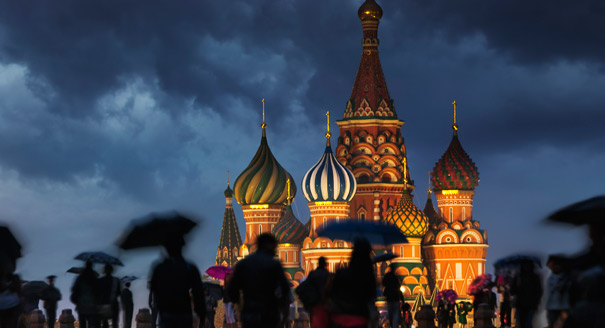
Source: Getty
The Russian system of autocratic rule has been exhausted. Still many factors help delay the deterioration of the crisis. So Russia is waiting for its Godot, that is for someone to come, either from up on top or down below, to solve all problems for it.
When analyzing the rise and fall of global civilizations, the great historian Arnold Toynbee came up with the Challenge-and-Response theory. This idea holds that challenges always trigger social progress: the civilizations that successfully responded to challenges (both internal and external ones) progressed, while those that had not declined.
Toynbee’s theory always occurs to me when I observe the ever-growing challenges Russia is facing. They range from the deteriorating Soviet infrastructure, which allows Russia to continue to survive, to the decimation of the human capital—people’s physical, moral and mental faculties. The regime acts as if it does not notice these challenges. In some cases, it does try to respond but in a way that only creates new problems and undermines the regime’s ability to deal with them. Thus, to respond to the challenges Russia is facing, President Vladimir Putin offered a conservative doctrine in 2013. Containing internal and external enemies—we all know who they are—is the major element of this doctrine. In turn, militarization and the new arms race are essential elements of this containment. But as Toynbee demonstrated, militarizing and searching for an enemy indicate that the system is declining and will eventually self-destruct. Toynbee’s conclusions, if accurate, mean that the Kremlin has already embarked on a mission of “suicidal statecraft”.
The Russian intellectual and political community does not need allusions to Toynbee to understand that the Russian system of autocratic rule has been exhausted. But the problem is that society fixated on diagnosing the malady and lamenting the desperate state of affairs instead of trying to come up with possible solutions to this impasse. Meanwhile, time is of the essence. Should the system and society continue to degenerate, the process of decay may become irreversible, and society will no longer be willing or able to change. It is quite possible that this process has already become irreversible in Russia, but in case it has not, a full-blown undeniable crisis is its only salvation. Such a crisis will reveal both the system’s impotence and the extent to which the society is ready to fight for change and resist the degradation.
So far, many factors help delay the deterioration of the crisis. Among them are inertial forces: the regime’s ability to pay for public obedience, easy elite co-optation, lack of intellectual segment that is ready for resistance, social demoralization, and the absence of political alternatives. But it is impossible to predict whether the process of social and political decay will become permanent or whether it will result in an explosion. There are no instruments that can gauge the temperature of the processes that occur inside the social fabric.
Unless there is a crisis that stimulates social mobilization, one should not expect the elites to split, and the leaders capable of living under the new rules are unlikely to emerge from the split. Moreover, the degenerative processes have affected the elite so deeply that there may be no one left to accept the new model and, more importantly, struggle for its attainment. Again, only a crisis and a protest wave will reveal whether it is indeed the case. But will there be a protest wave, and if so, when? Also, what forces will it bring to the fore? These questions have not been answered yet.
As Russia creeps into the new year 2014, there are no latent signs that the system’s potential has been totally exhausted, nor are there signs that the systemic crisis has entered a critical stage—the stage when the processes brewing inside the social organism become visible on the outside. In short, there are no signs that disparate occurrences are about to become a clear trend. But most importantly, there are no convincing signs that the most active segments of the population are not ready to rise against the current rules of the game as their Ukrainian counterparts did in 2013. Or the signs are still weak and confusing…
Thus, those who believe they represent the thinking class are sitting and waiting for Godot… Remember the famous Samuel Beckett play “Waiting for Godot”? Two principal characters are discussing what to do and can't decide in the end what they will be doing, waiting for Godot to come and give them purpose and agenda.
That is the way we are in Russia—we are waiting for our Godot, that is for someone to come, either from up on top or down below, to liberate us and solve all of our problems for us. We have been sitting and waiting for quite a while, but Godot still has not arrived. Or Godot arrives in the guise of Putin and does something other than what we expected.
Who knows, could our wait for the gift from above end in 2014 with an actual crisis? Since potions and pills could not cure our system, maybe surgical instruments will. But again, we are running the risk of waiting for the surgeon and entrusting our fates to him—with the already known results.
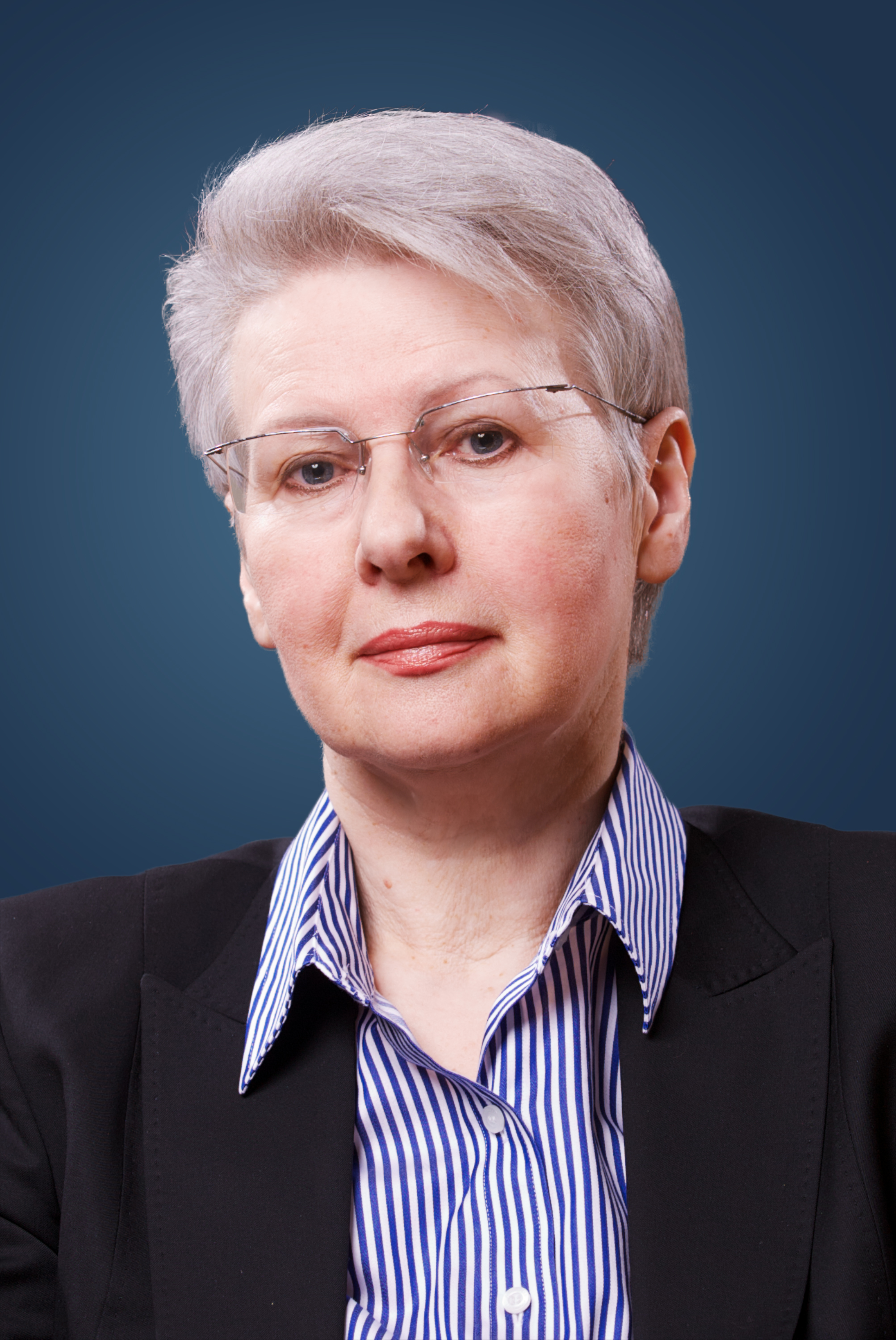
Former Senior Associate, Russian Domestic Politics and Political Institutions Program, Moscow Center
Shevtsova chaired the Russian Domestic Politics and Political Institutions Program at the Carnegie Moscow Center, dividing her time between Carnegie’s offices in Washington, DC, and Moscow. She had been with Carnegie since 1995.
Recent Work
Lilia Shevtsova
Lilia Shevtsova
Carnegie does not take institutional positions on public policy issues; the views represented herein are those of the author(s) and do not necessarily reflect the views of Carnegie, its staff, or its trustees.

With the growth in points of friction between the great powers, organizations like the SCO will continue to play a role in the strategic adaptation of the smaller powers caught between them.

Temur Umarov

The war in Ukraine and a change in ownership led VK to neglect its commercial ventures in favor of implementing the Kremlin’s online agenda. Now it’s been sanctioned by the EU.

Maria Kolomychenko
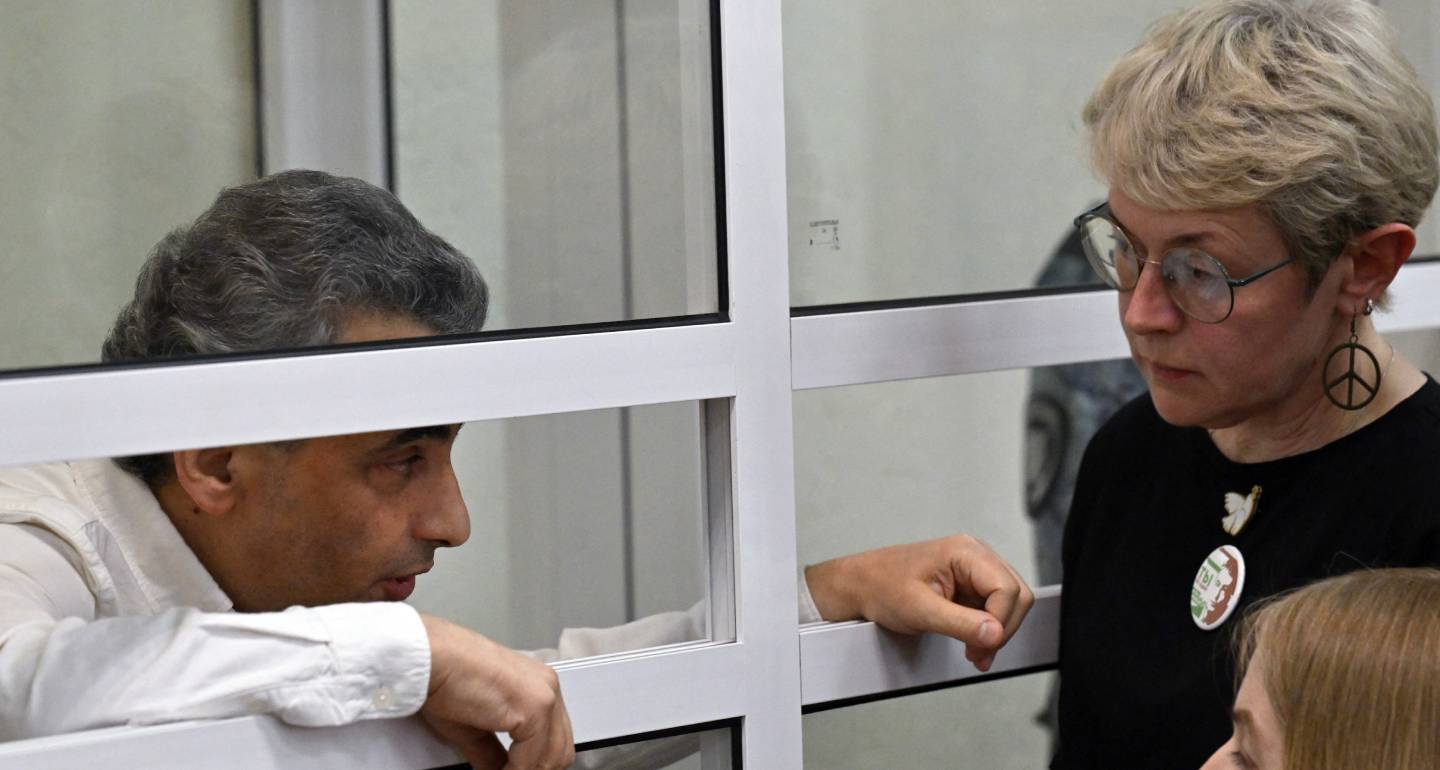
A regime founded on force, coercion, and repression does not want its propaganda, with all its flaws of logic, omissions, and outright lies, to be competing with the most simple of all messages: Thou shalt not kill.

Leonid Bershidsky
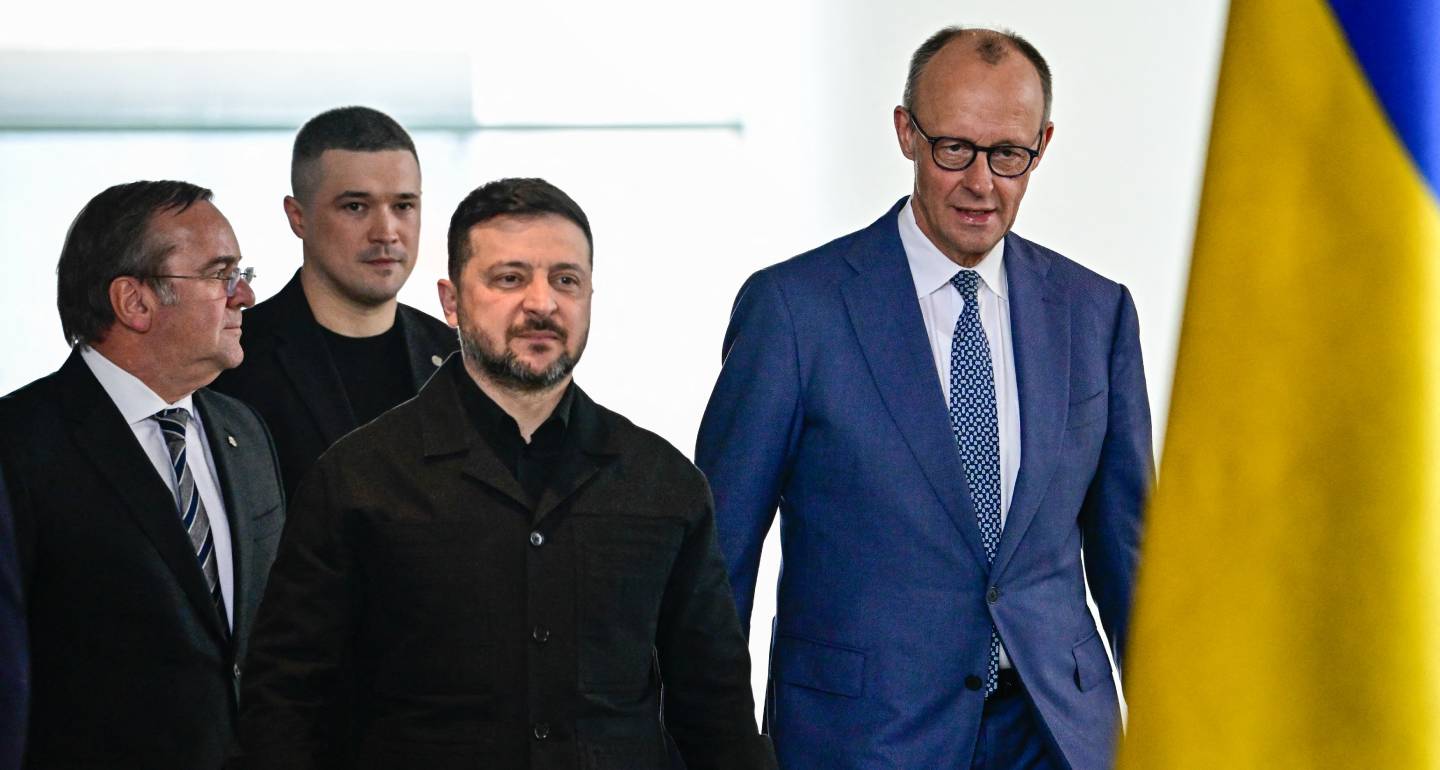
The greater threat to Zelensky comes not from Fedorov alone, but from the convergence between the former defense minister’s political campaign and the anti-corruption investigations moving ever closer to the presidential administration.

Balázs Jarábik
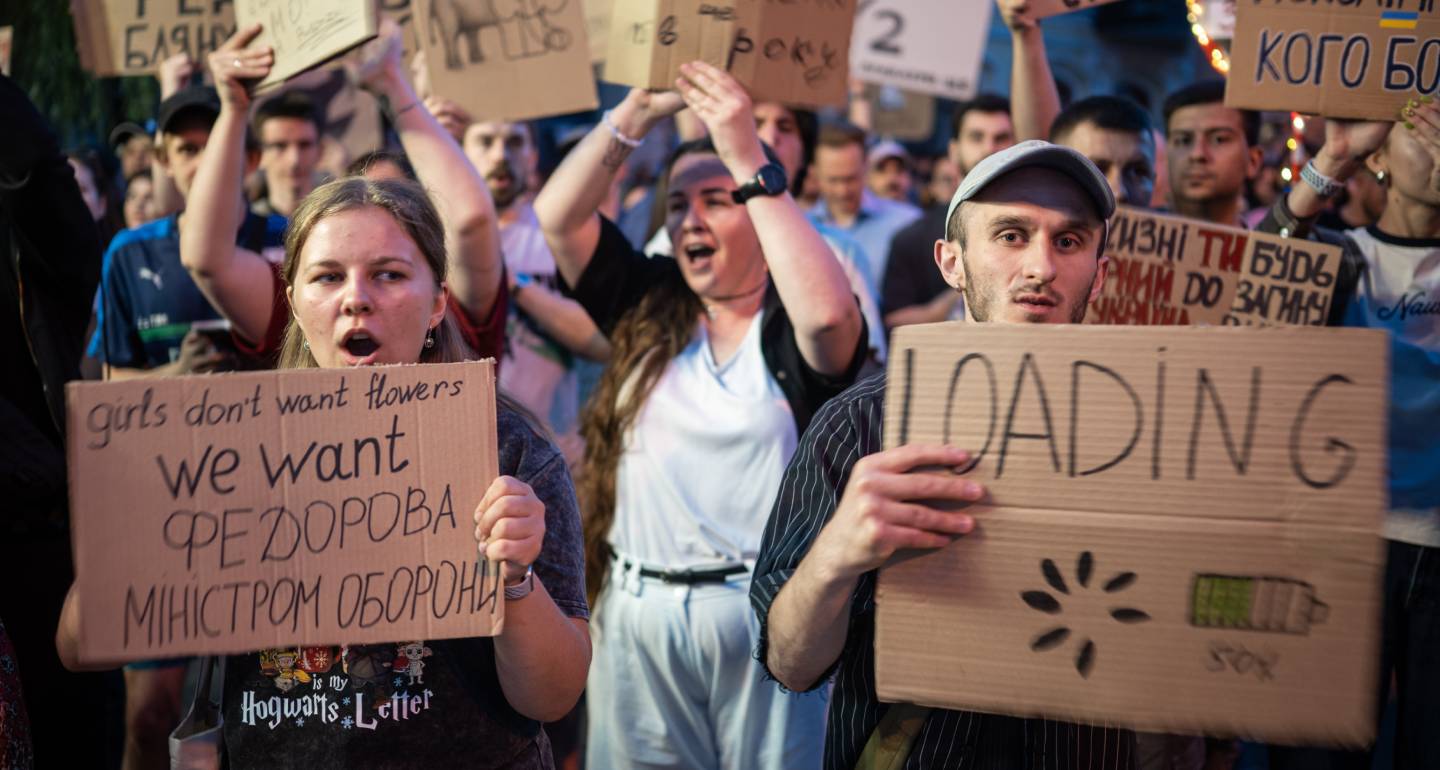
With his public call for new elections in Ukraine, ex-defense minister Mykhailo Fedorov has opened Pandora’s box.

Konstantin Skorkin