

Paper
George Perkovich
{
  "authors": [
    "George Perkovich"
  ],
  "type": "other",
  "centerAffiliationAll": "dc",
  "centers": [
    "Carnegie Endowment for International Peace"
  ],
  "collections": [
    "Iranian Proliferation"
  ],
  "englishNewsletterAll": "ctw",
  "nonEnglishNewsletterAll": "",
  "primaryCenter": "Carnegie Endowment for International Peace",
  "programAffiliation": "NPP",
  "programs": [
    "Nuclear Policy"
  ],
  "projects": [],
  "regions": [
    "Middle East",
    "Iran"
  ],
  "topics": [
    "Nuclear Policy"
  ]
}
Source: Getty
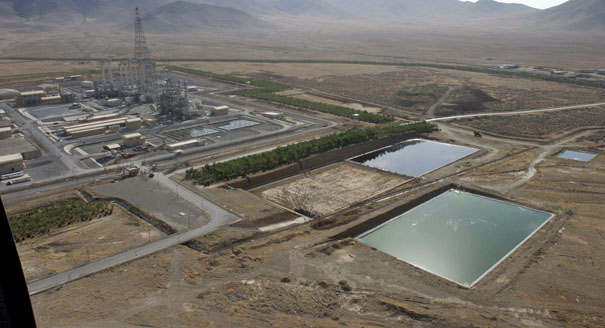
The world would be a safer place if Iran did not enrich uranium, but neither more sanctions nor military strikes will push Iran out of the enrichment club.
Source: Foreign Affairs
The special collection Iran and the Bomb 2: A New Hope pulls together a broad range of pieces that illuminate Iran’s turn toward negotiations, the pros and cons of the interim agreement, and the geopolitical and psychological intricacies of the crucial U.S.-Iranian-Israeli triangle.
The authors include world-renowned experts from several disciplines and professional backgrounds, and their arguments span every significant position on the political spectrum. Iran and the Bomb 2: A New Hope offers an excellent overview of the current situation and all the material required for readers to develop their own opinions about how to proceed.George Perkovich’s chapter, Demanding Zero Enrichment From Iran Makes Zero Sense, argues that the world would be a safer place if Iran did not enrich uranium. But, even if Iran deserves to be singled out for having broken conditions that other uranium-enriching states uphold and offering weak civilian rationales for enriching, the unfortunate fact is that neither more sanctions nor military strikes will push Iran out of the enrichment club. If Tehran rejected a diplomatic solution that allowed carefully limited enrichment in Iran, or if Iran agreed to such an arrangement and then violated it, military action then would be legally and politically defensible. That is why the Obama administration’s strategy should not be impeded by Israel and ill-conceived congressional gambits.
Iran and the Bomb 2: A New Hope is published by Foreign Affairs.

Japan Chair for a World Without Nuclear Weapons, Senior Fellow
George Perkovich is the Japan Chair for a World Without Nuclear Weapons and a senior fellow in the Carnegie Endowment for International Peace’s Nuclear Policy Program. He works primarily on nuclear deterrence, nonproliferation, and disarmament issues.
Recent Work
George Perkovich
George Perkovich
Carnegie does not take institutional positions on public policy issues; the views represented herein are those of the author(s) and do not necessarily reflect the views of Carnegie, its staff, or its trustees.
Ongoing uncertainty in the Middle East allows Moscow to both increase its influence in Tehran and continue to enjoy the financial windfall of higher oil prices.

Nikita Smagin
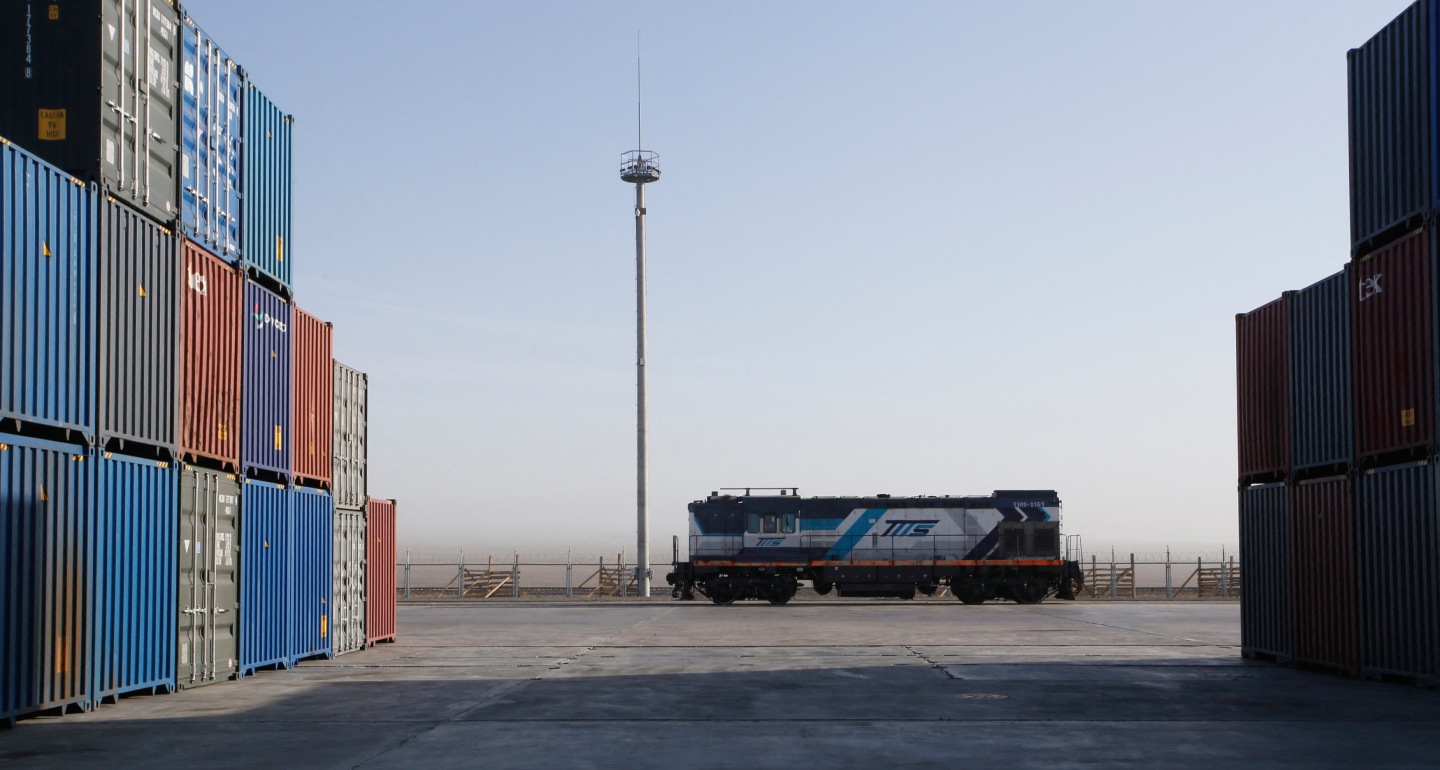
This year’s wars have made alternative routes to transit through Russia no less risky for Central Asian countries.

Galiya Ibragimova
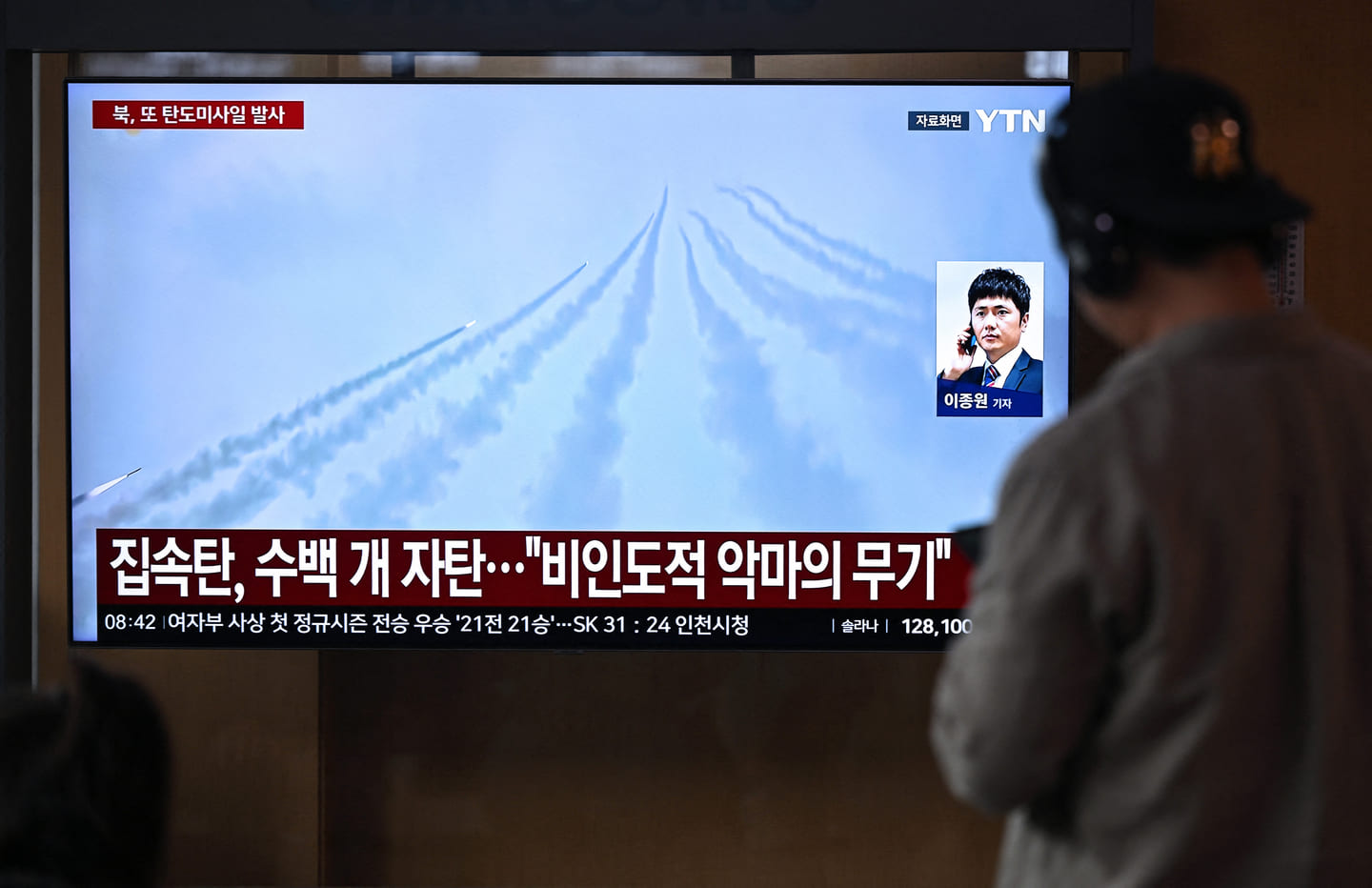
Troubled by the growing salience of nuclear debates in East Asia, Moscow has responded in its usual way: with condemnation and threats. But by exacerbating insecurity, Russia is forcing South Korea and Japan to consider radical security options.

James D.J. Brown
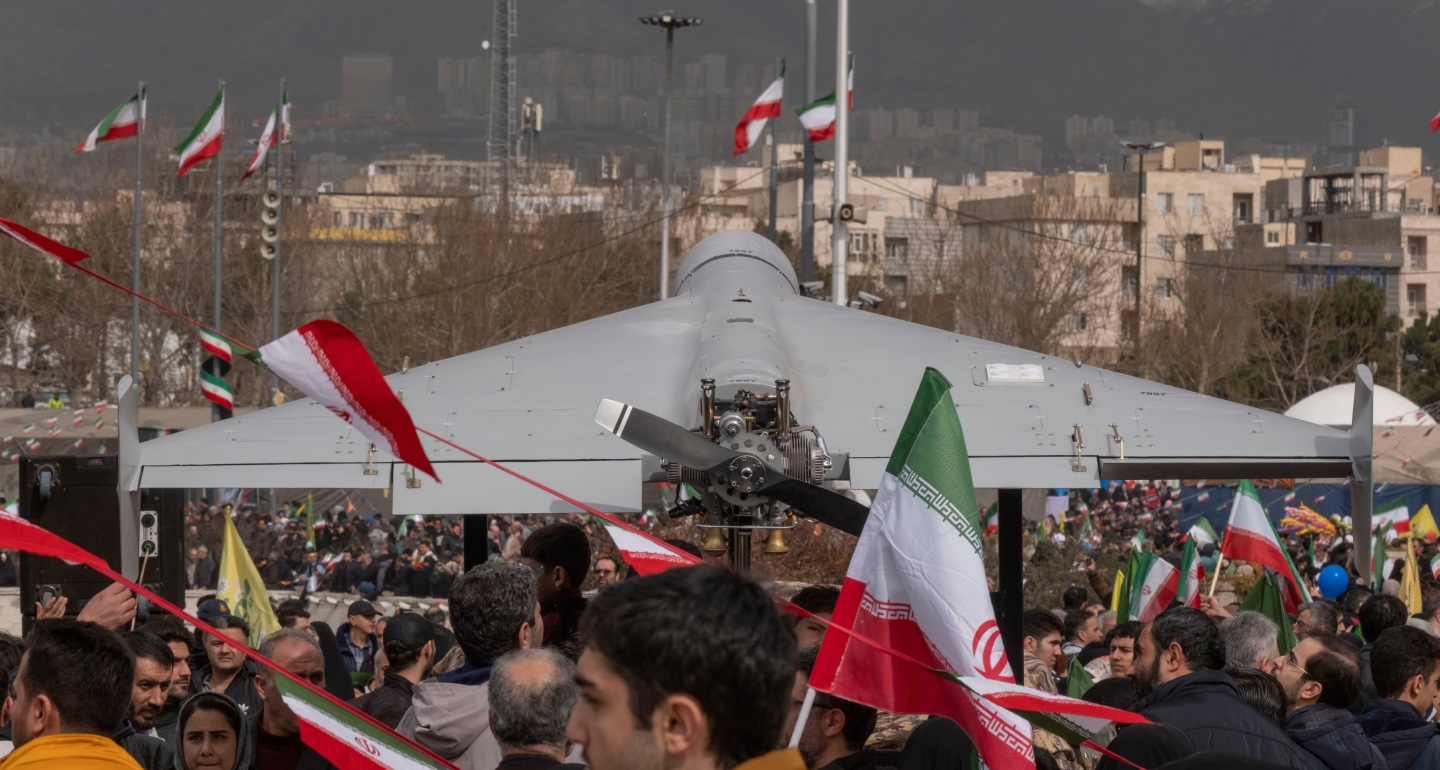
The Russian leadership wants to avoid a dangerous precedent in which it is squeezed out of Iran by the United States and Israel—and left powerless to respond in any meaningful way.
Nikita Smagin
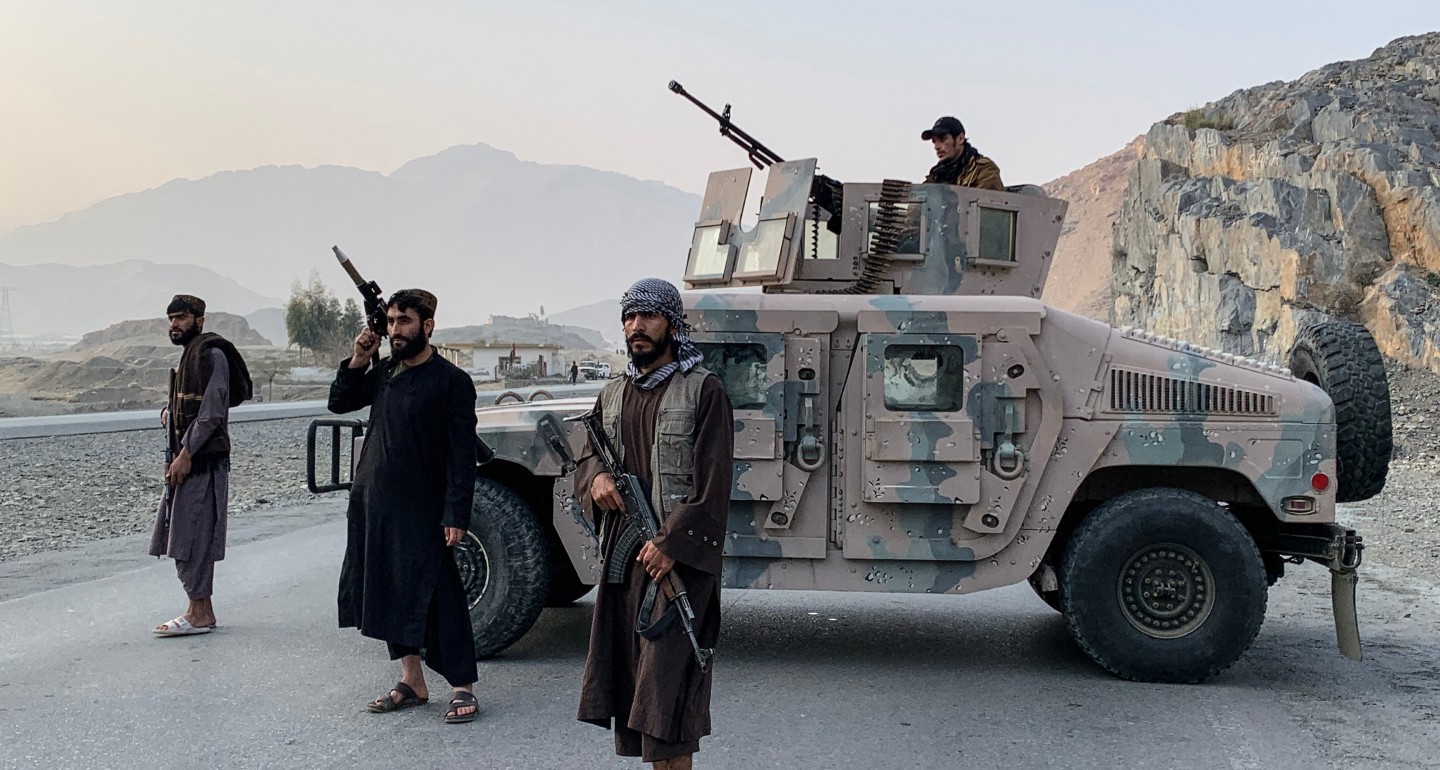
Not only does the fighting jeopardize regional security, it undermines Russian attempts to promote alternatives to the Western-dominated world order.

Ruslan Suleymanov