

Paper
James M. Acton, Ankit Panda
{
  "authors": [
    "James M. Acton"
  ],
  "type": "legacyinthemedia",
  "centerAffiliationAll": "dc",
  "centers": [
    "Carnegie Endowment for International Peace",
    "Malcolm H. Kerr Carnegie Middle East Center"
  ],
  "collections": [
    "Iranian Proliferation",
    "U.S. Nuclear Policy"
  ],
  "englishNewsletterAll": "ctw",
  "nonEnglishNewsletterAll": "",
  "primaryCenter": "Carnegie Endowment for International Peace",
  "programAffiliation": "NPP",
  "programs": [
    "Nuclear Policy"
  ],
  "projects": [],
  "regions": [
    "North America",
    "United States",
    "Middle East",
    "Iran"
  ],
  "topics": [
    "Nuclear Policy"
  ]
}
Source: Getty
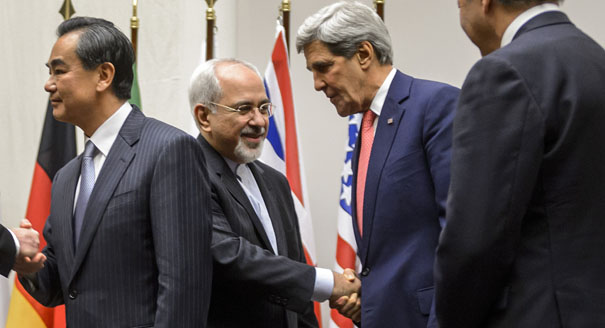
Reaching a final agreement with Iran over its nuclear program is going to require some very hard compromises from hardliners both in Tehran and in Washington.
Source: Bloomberg TV
Carnegie’s James Acton discussed Iran-U.S. relations on Bloomberg Television’s “Bottom Line.”
“Bilaterals between the U.S. and Iran were frankly very hard to imagine before the election of President Rouhani,” said Acton. “But although it is a good sign,” he added, “there is a very, very long way to go. This is the first step in what unquestionably will be a long, drawn-out, difficult, and controversial negotiating process.”Acton told Bloomberg TV that although the two countries still mistrust each other to a certain extent, there is room for guarded optimism: “There is an interim agreement, there is a process to generate a final agreement; there are many stumbling blocks toward getting that final agreement and I suspect President Obama was right when he placed the odds of a final agreement to no more than 50/50.”
“The challenge facing Iran today, and the international community, is to negotiate a set of restrictions, transparency arrangements, and inspections that allow Iran to prove that it is now in compliance with those agreements. And that is going to require some very hard compromises from hardliners both in Tehran and in Washington,” Acton concluded.

Jessica T. Mathews Chair, Co-director, Nuclear Policy Program
Acton holds the Jessica T. Mathews Chair and is co-director of the Nuclear Policy Program at the Carnegie Endowment for International Peace.
Recent Work
James M. Acton, Ankit Panda
James M. Acton
Carnegie does not take institutional positions on public policy issues; the views represented herein are those of the author(s) and do not necessarily reflect the views of Carnegie, its staff, or its trustees.
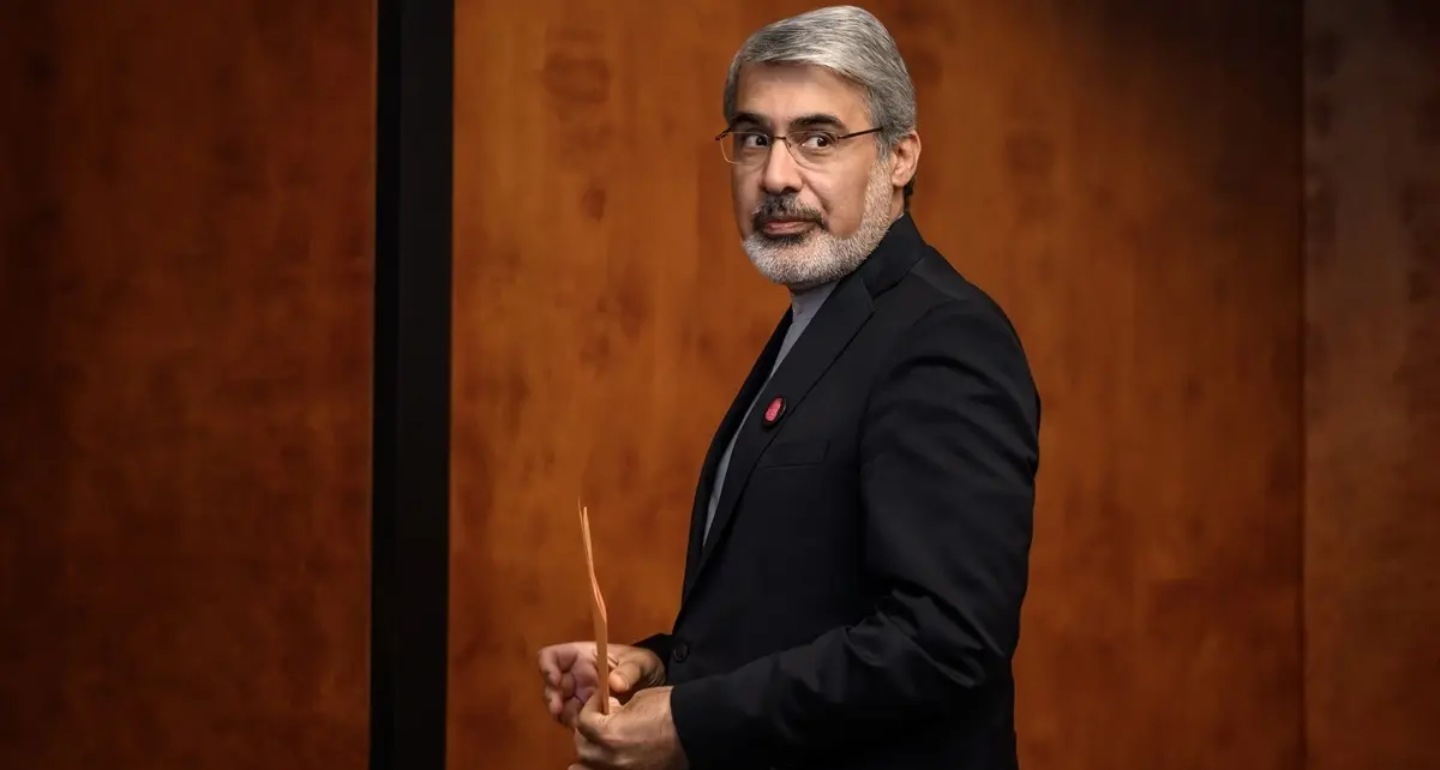
Ongoing uncertainty in the Middle East allows Moscow to both increase its influence in Tehran and continue to enjoy the financial windfall of higher oil prices.

Nikita Smagin
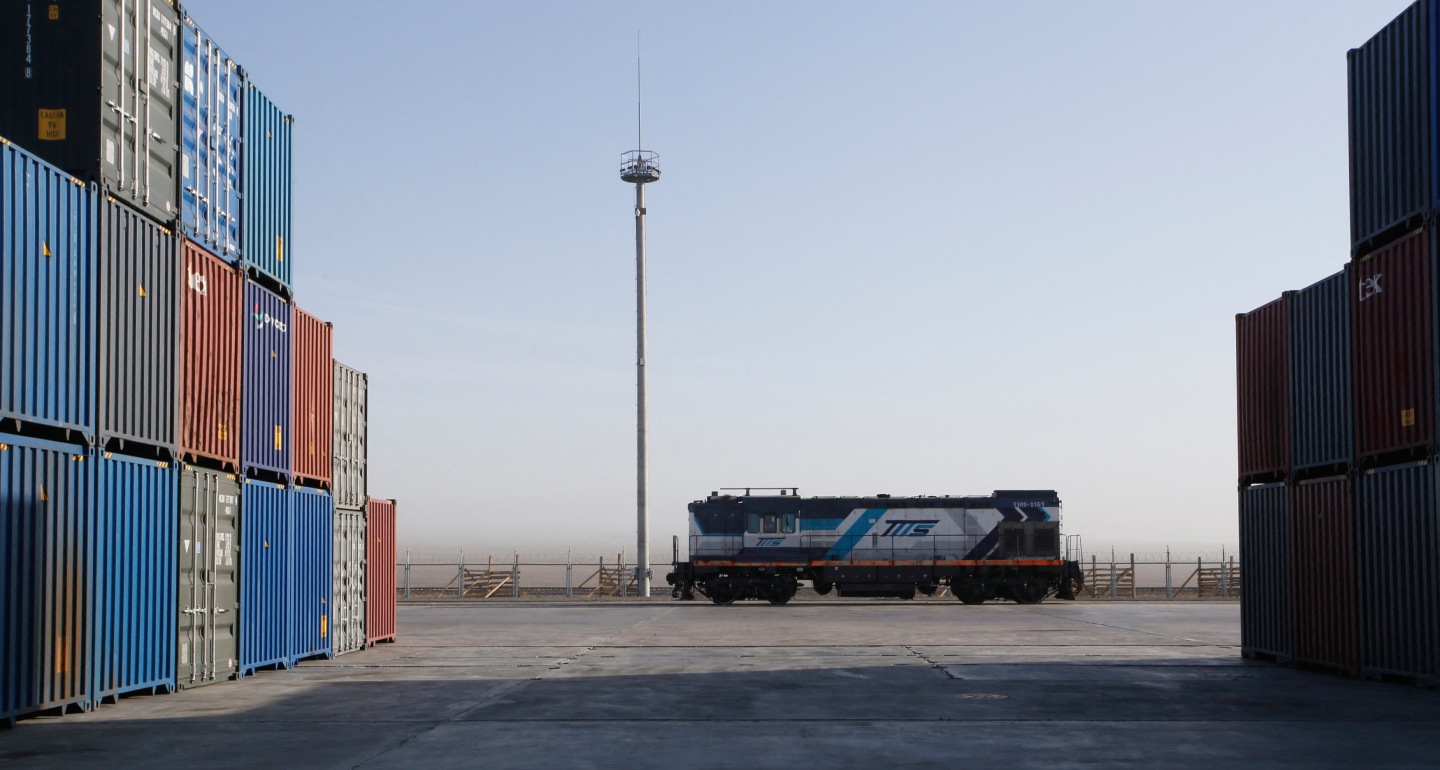
This year’s wars have made alternative routes to transit through Russia no less risky for Central Asian countries.

Galiya Ibragimova
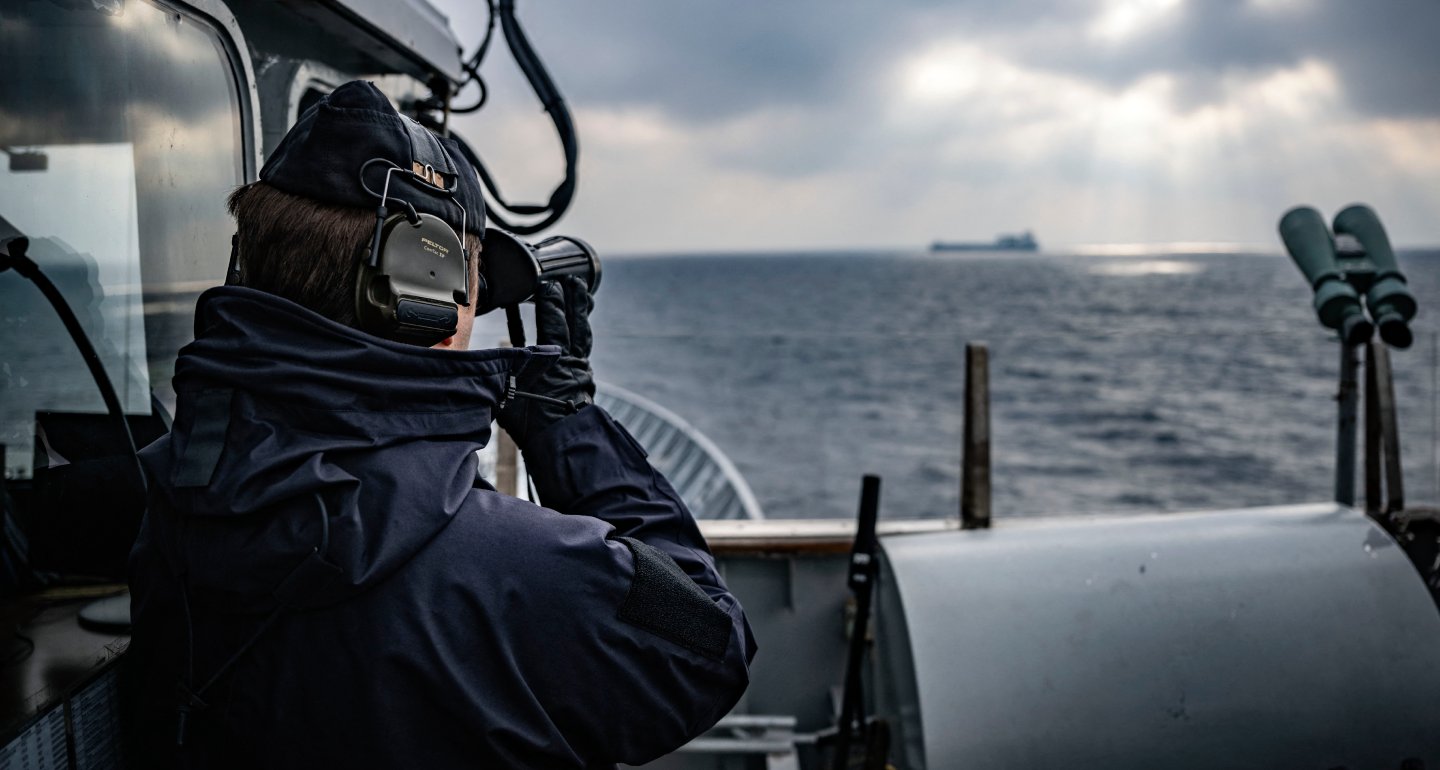
Governments in Estonia, Latvia, and Lithuania want to ensure that a U.S. military withdrawal would not leave them dangerously exposed to a Russian attack.

Sergejs Potapkins
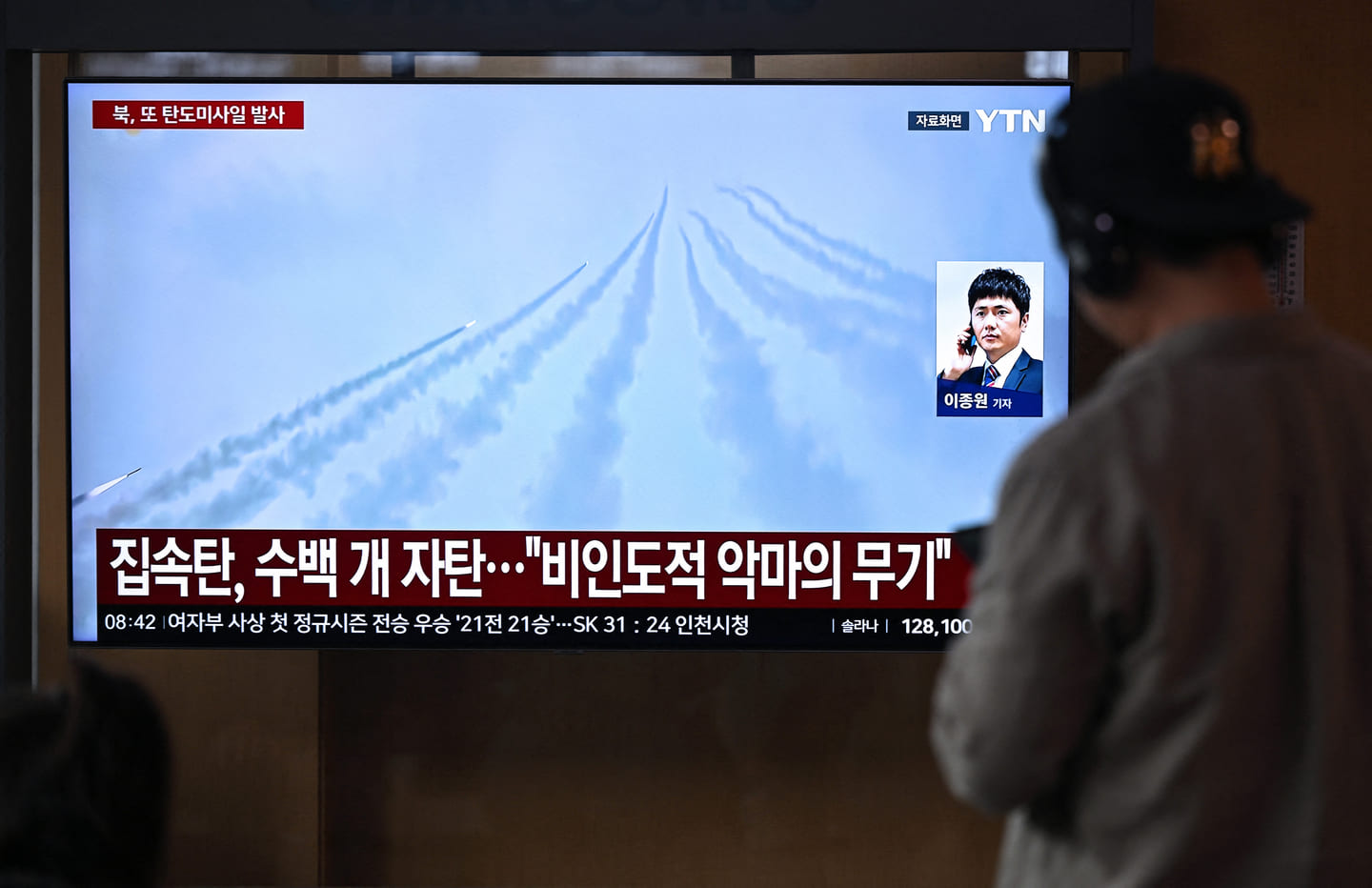
Troubled by the growing salience of nuclear debates in East Asia, Moscow has responded in its usual way: with condemnation and threats. But by exacerbating insecurity, Russia is forcing South Korea and Japan to consider radical security options.

James D.J. Brown
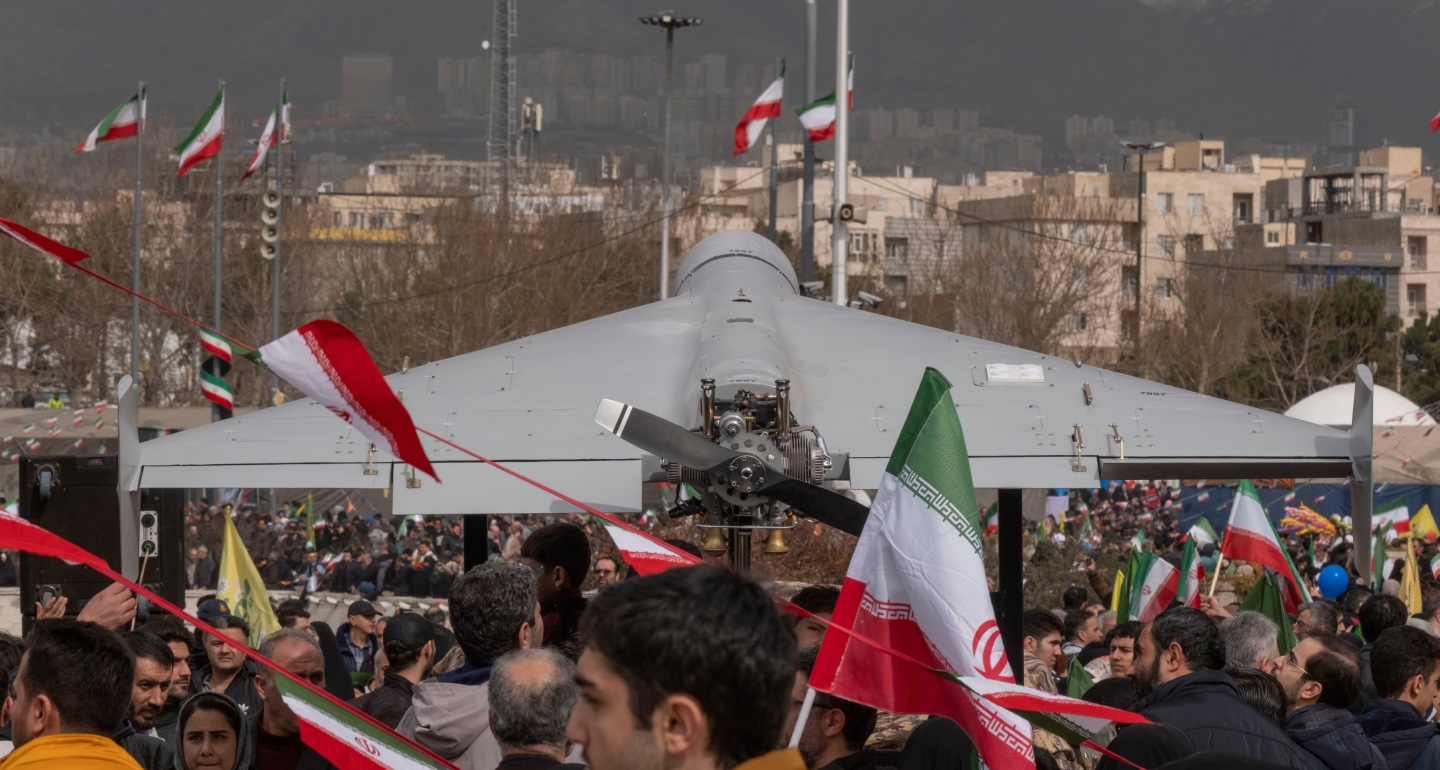
The Russian leadership wants to avoid a dangerous precedent in which it is squeezed out of Iran by the United States and Israel—and left powerless to respond in any meaningful way.
Nikita Smagin