

Other
- +18
James M. Acton, Saskia Brechenmacher, Cecily Brewer, …
{
  "authors": [
    "James M. Acton"
  ],
  "type": "legacyinthemedia",
  "centerAffiliationAll": "dc",
  "centers": [
    "Carnegie Endowment for International Peace"
  ],
  "collections": [
    "U.S. Nuclear Policy"
  ],
  "englishNewsletterAll": "ctw",
  "nonEnglishNewsletterAll": "",
  "primaryCenter": "Carnegie Endowment for International Peace",
  "programAffiliation": "NPP",
  "programs": [
    "Nuclear Policy"
  ],
  "projects": [],
  "regions": [
    "North America",
    "United States",
    "Russia"
  ],
  "topics": [
    "Nuclear Policy"
  ]
}
Source: Getty
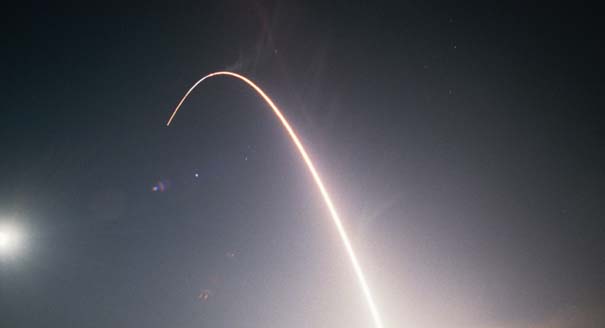
A U.S.-Russian arms race in strategic conventional weapons is an unfortunate possibility, but it is not an inevitability.
Source: Russian Council
A U.S.-Russian arms race in strategic conventional weapons is an unfortunate possibility—but it is not an inevitability. The U.S. Conventional Prompt Global Strike program is in the research and development phase. No procurement decisions have yet been taken and, if the U.S. does ultimately move forward, deployments are unlikely before the mid-2020s. Similarly, Russia also appears to be some years away from being able to field long-range, hypersonic conventional weapons.
Moreover, even if both states do deploy such weapons, cooperation could stabilize any competition. One possibility would be to make all long-range, hypersonic conventional weapons (including non-ballistic systems) accountable in a future arms control treaty. Unfortunately, given that the arms control process is stalled, Russia and the United States should focus on other forms of confidence building for the time being. To this end, reciprocal declarations of acquisition plans, data exchanges, inspections and launch notifications could all help build mutual security.The United States is not considering acquiring Conventional Prompt Global Strike weapons for use against Russia. In the final analysis, therefore, I remain hopeful that such weapons can be managed to avoid a costly and potentially dangerous arms race.
This article was originally published on the Russian Council.

Jessica T. Mathews Chair, Co-director, Nuclear Policy Program
Acton holds the Jessica T. Mathews Chair and is co-director of the Nuclear Policy Program at the Carnegie Endowment for International Peace.
Recent Work


James M. Acton, Saskia Brechenmacher, Cecily Brewer, …
James M. Acton
Carnegie does not take institutional positions on public policy issues; the views represented herein are those of the author(s) and do not necessarily reflect the views of Carnegie, its staff, or its trustees.

Troubled by the growing salience of nuclear debates in East Asia, Moscow has responded in its usual way: with condemnation and threats. But by exacerbating insecurity, Russia is forcing South Korea and Japan to consider radical security options.

James D.J. Brown
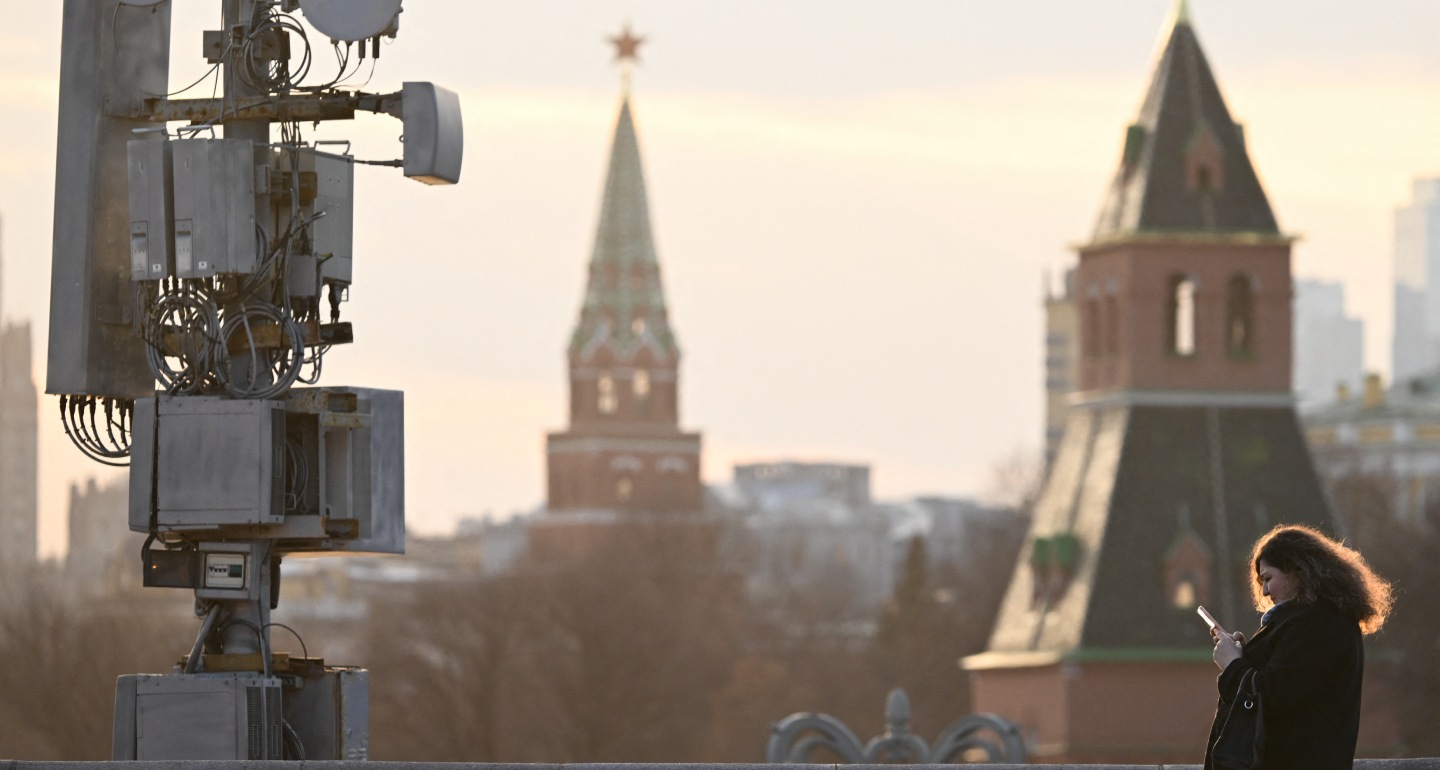
The Russian state has opted for complete ideological control of the internet and is prepared to bear the associated costs.

Maria Kolomychenko
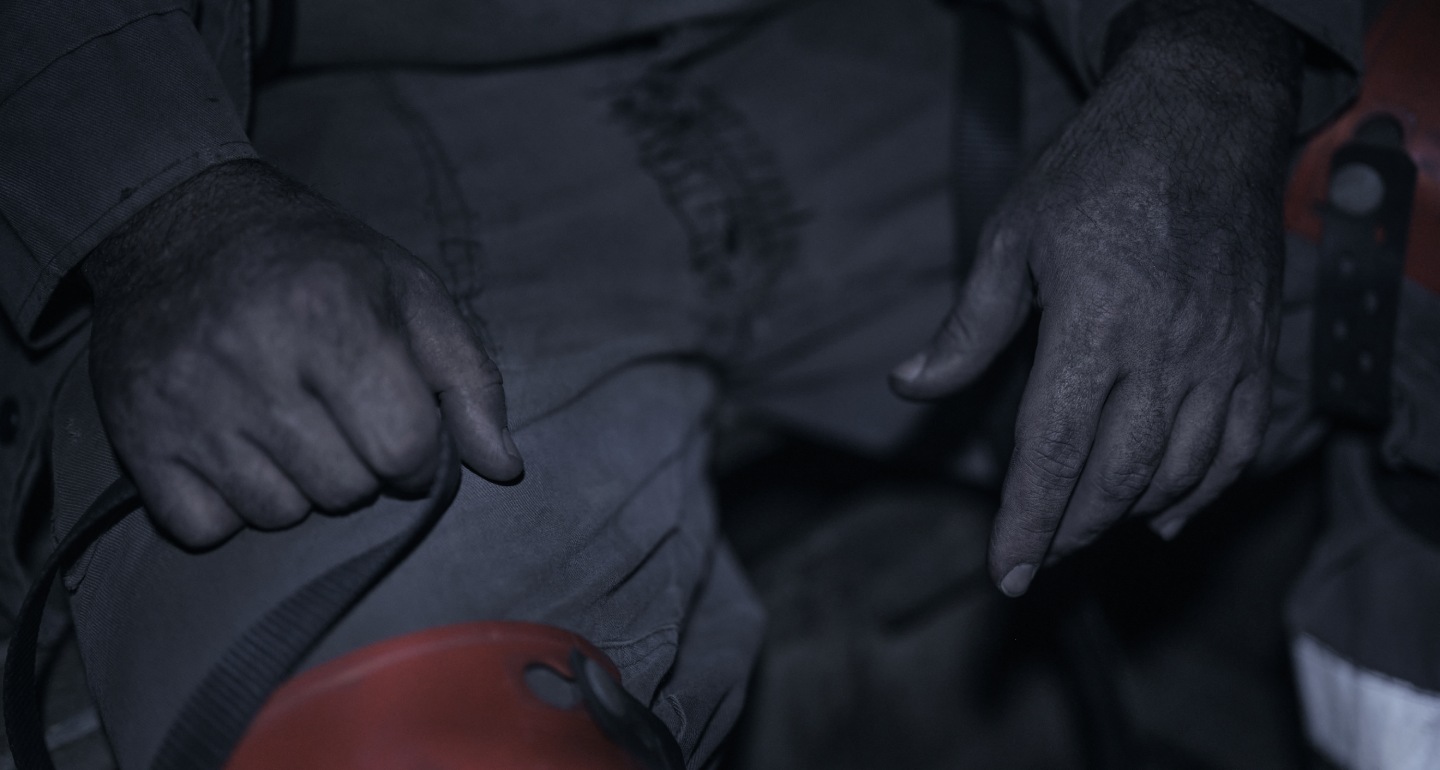
Powerful lobbyists and inertia led to Russia’s coal-mining sector missing an excellent opportunity to solve its structural problems.
Alexey Gusev

After four years of war, there is no one who can stand up to the security establishment, and President Vladimir Putin is increasingly passive.

Tatiana Stanovaya

Although Ukrainian strikes have led to a noticeable decline in the physical volume of Russian oil exports, the rise in prices has more than made up for it.

Sergey Vakulenko