

Commentary
Though Orban is gone, Putin can still count on some like-minded individuals in Central and Eastern Europe. However, they will seek to avoid open confrontation with EU institutions over Ukraine and their ties with Moscow.
Dimitar Bechev
{
  "authors": [
    "Ulrich Speck"
  ],
  "type": "legacyinthemedia",
  "centerAffiliationAll": "dc",
  "centers": [
    "Carnegie Endowment for International Peace",
    "Carnegie Europe"
  ],
  "collections": [
    "Europe’s Eastern Neighborhood",
    "Transatlantic Cooperation"
  ],
  "englishNewsletterAll": "ctw",
  "nonEnglishNewsletterAll": "",
  "primaryCenter": "Carnegie Europe",
  "programAffiliation": "EP",
  "programs": [
    "Europe"
  ],
  "projects": [],
  "regions": [
    "Russia",
    "Europe",
    "North America",
    "Eastern Europe",
    "United States",
    "Ukraine",
    "Western Europe",
    "Iran"
  ],
  "topics": [
    "Foreign Policy"
  ]
}
Source: Getty
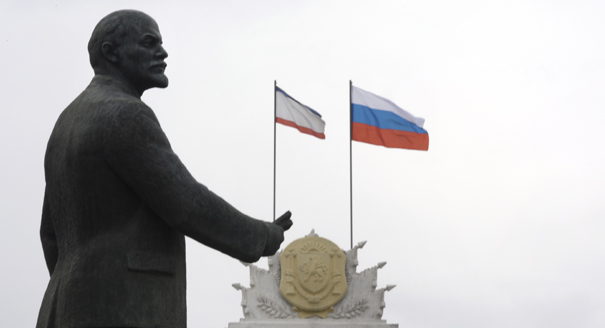
If Vladimir Putin’s Russia succeeds in Ukraine, it will conclude that it can act like an empire. An empire has no borders and does not respect the borders of others.
Source: CNN
What's at stake in the conflict between the West and Russia over Ukraine is not just the future of Crimea, it's the future of international order.
Some weeks ago, Crimea was a remote place, to historians known as the center of a war in the 1850s, while ordinary people would have associated it with some kind of sparkling alcoholic beverage. But suddenly and unexpectedly, Crimea has become a geopolitical hotspot in a conflict between Russia and the West that seems to be straight out of a Cold War playbook.
Moscow has raised the stakes dramatically with a de facto annexation of this region, which is home of an important Russian naval base and inhabited by a population whose majority is oriented towards Russia (while an important minority, among them the Cossacks, is strongly attached to Ukraine).Ulrich Speck
Former Visiting Scholar, Carnegie Europe
Speck was a visiting scholar at Carnegie Europe in Brussels, where his research focuses on the European Union’s foreign policy and Europe’s strategic role in a changing global environment.
Carnegie does not take institutional positions on public policy issues; the views represented herein are those of the author(s) and do not necessarily reflect the views of Carnegie, its staff, or its trustees.
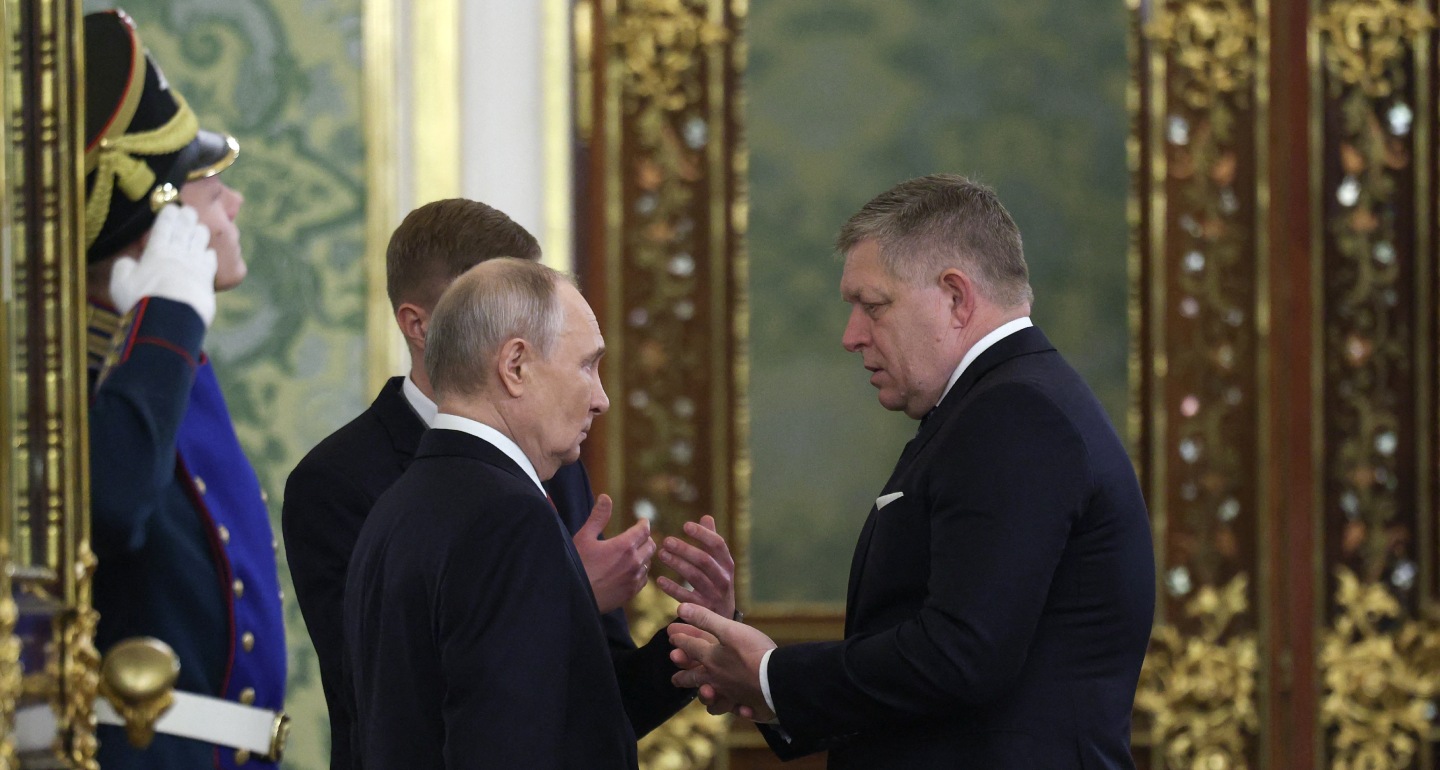
Though Orban is gone, Putin can still count on some like-minded individuals in Central and Eastern Europe. However, they will seek to avoid open confrontation with EU institutions over Ukraine and their ties with Moscow.

Dimitar Bechev

The truth is that Japan’s government is seeking a degree of reengagement but at a vastly reduced level than under Abe. Most significantly, Japan has shown no willingness to ease sanctions.

James D.J. Brown
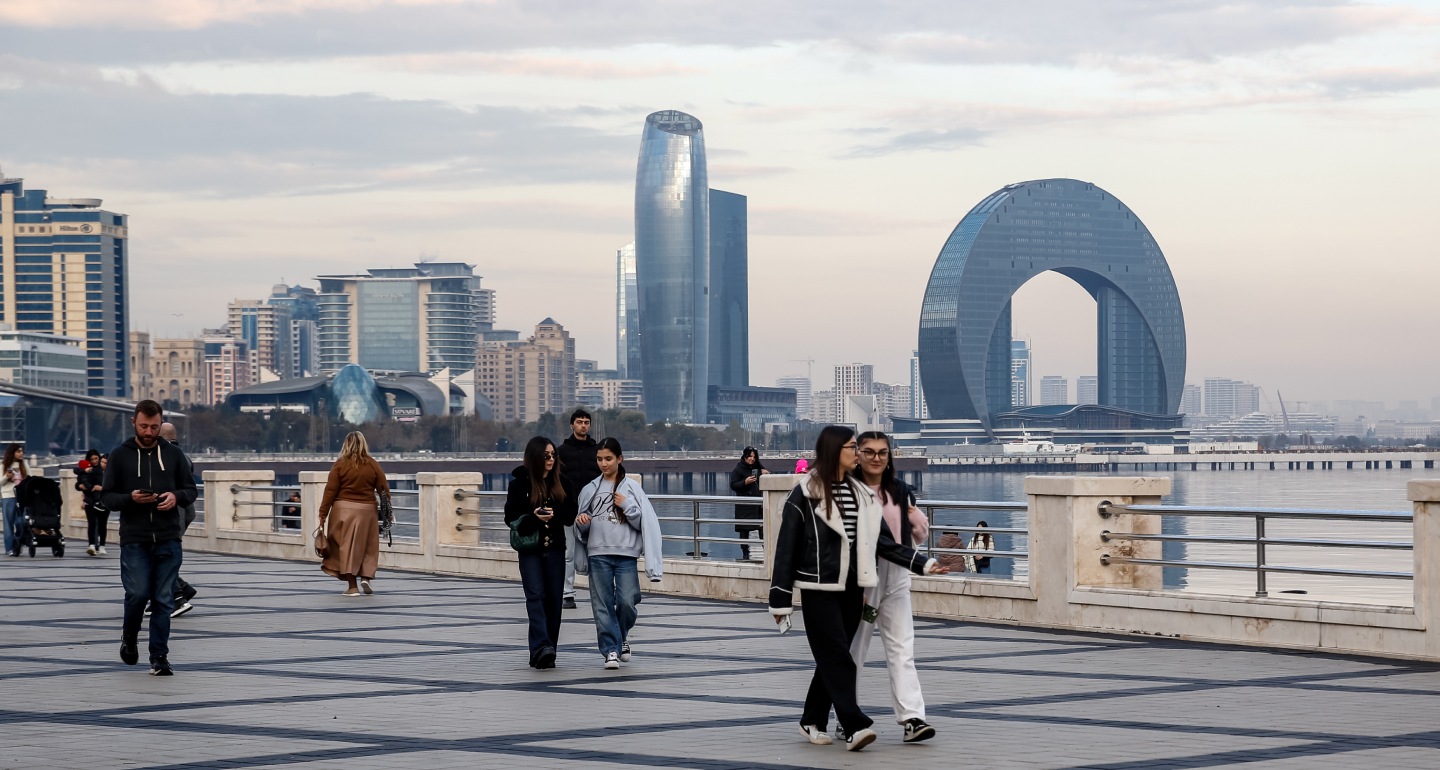
Azerbaijan’s relations with the EU appear to be going from strength to strength after several years in the deep freeze following the military escalation in Karabakh in 2023 and Azerbaijan’s bitter fallout with France and several other EU member states.

Shujaat Ahmadzada
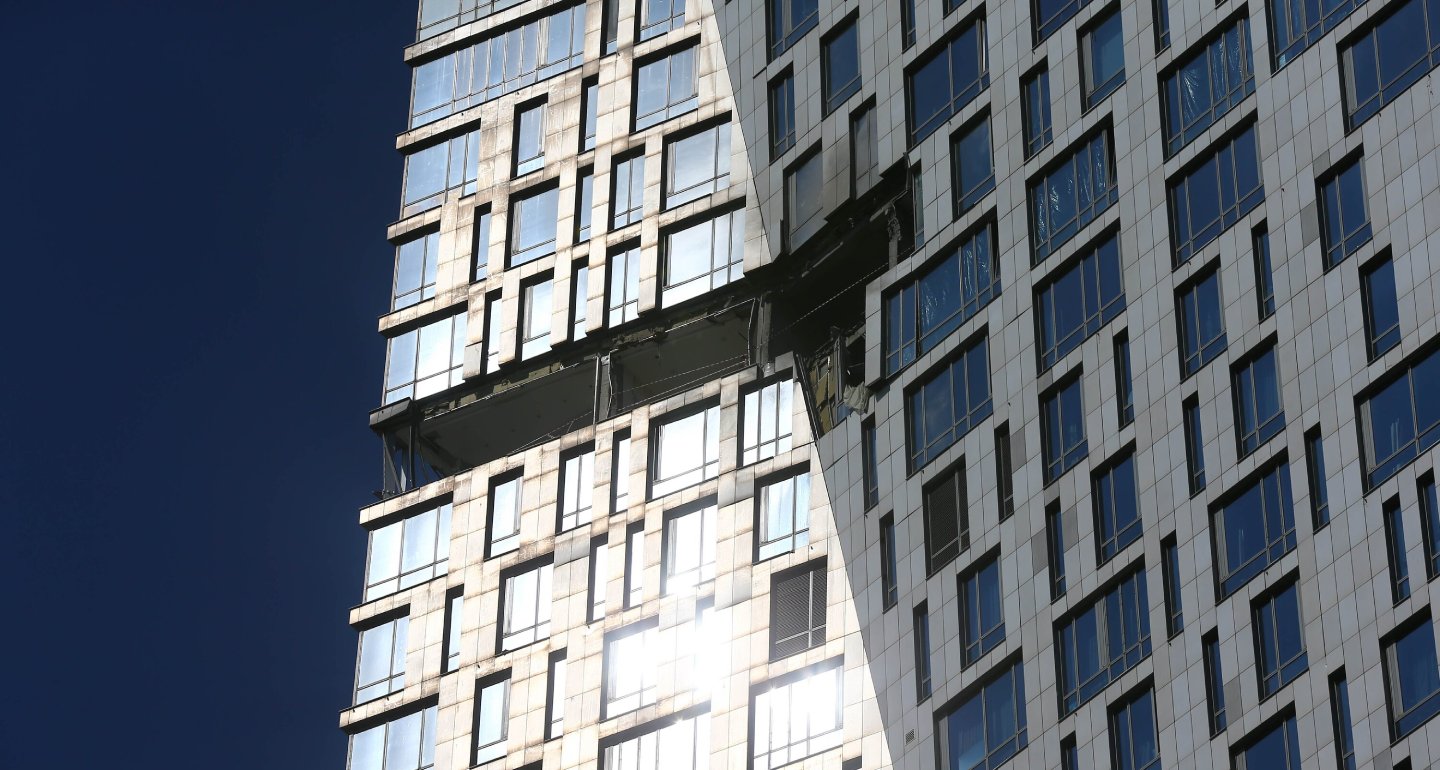
The cost of air defense has become an unregistered tax on revenue for businesses. While military rents are consolidated in the federal budget, the costs of defense are being spread across the balance sheets of companies and regional governments.

Alexandra Prokopenko
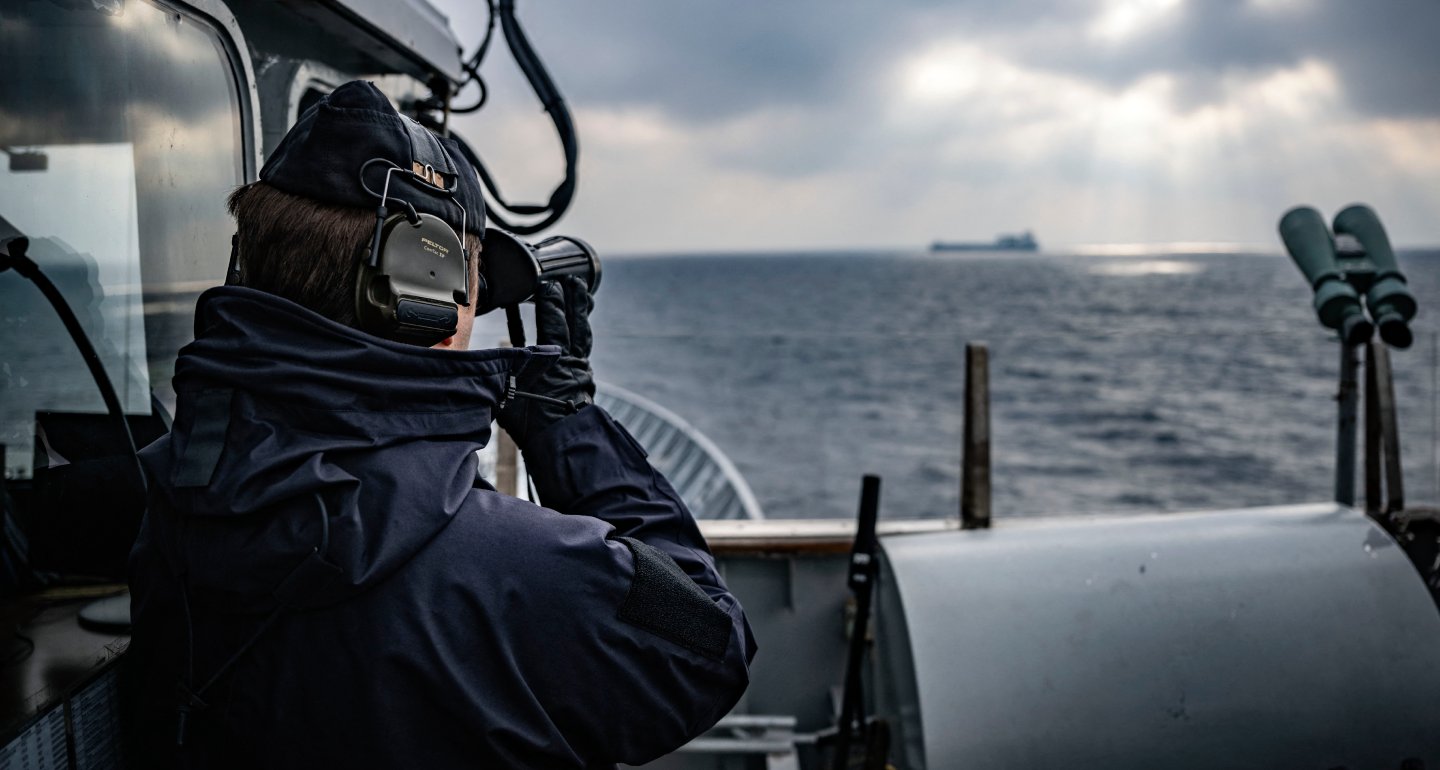
Governments in Estonia, Latvia, and Lithuania want to ensure that a U.S. military withdrawal would not leave them dangerously exposed to a Russian attack.

Sergejs Potapkins