

Paper
Douglas H. Paal
{
  "authors": [
    "Douglas H. Paal"
  ],
  "type": "legacyinthemedia",
  "centerAffiliationAll": "dc",
  "centers": [
    "Carnegie Endowment for International Peace"
  ],
  "collections": [],
  "englishNewsletterAll": "asia",
  "nonEnglishNewsletterAll": "",
  "primaryCenter": "Carnegie Endowment for International Peace",
  "programAffiliation": "AP",
  "programs": [
    "Asia"
  ],
  "projects": [],
  "regions": [
    "East Asia",
    "China"
  ],
  "topics": [
    "Political Reform",
    "Economy"
  ]
}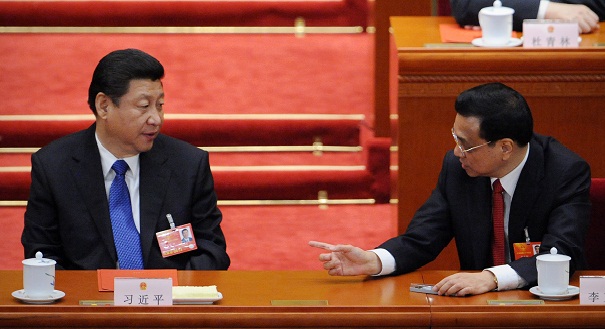
Source: Getty
The driving motivation behind the decision by the National People’s Congress to set the growth target at 7.5 percent is their desire to guarantee full employment.
Source: CCTV America
Douglas Paal, vice president for studies at the Carnegie Endowment, spoke on the highlights coming out of the Chinese Communist Party's National People’s Congress (NPC). Paal explained that the driving motivation behind the NPC’s decision to set the growth target at 7.5 percent is their desire to guarantee full employment. He added that the goal of 12.2 percent growth in defense spending makes China’s military the fastest growing in the world, although that number is somewhat overstated by not accounting for inflation. He also noted that shutting down coal burning power plants and getting high emission cars off the road are positive steps but China still has a long way to go in addressing its pollution challenges. Although he believes that the forced labor camps will be shut down as announced in the Third Plenum Decision document, he stated that other similar practices may take their place.

Distinguished Fellow, Asia Program
Paal previously served as vice chairman of JPMorgan Chase International and as unofficial U.S. representative to Taiwan as director of the American Institute in Taiwan.
Recent Work
Douglas H. Paal


Douglas H. Paal, Tong Zhao, Chen Qi, …
Carnegie does not take institutional positions on public policy issues; the views represented herein are those of the author(s) and do not necessarily reflect the views of Carnegie, its staff, or its trustees.
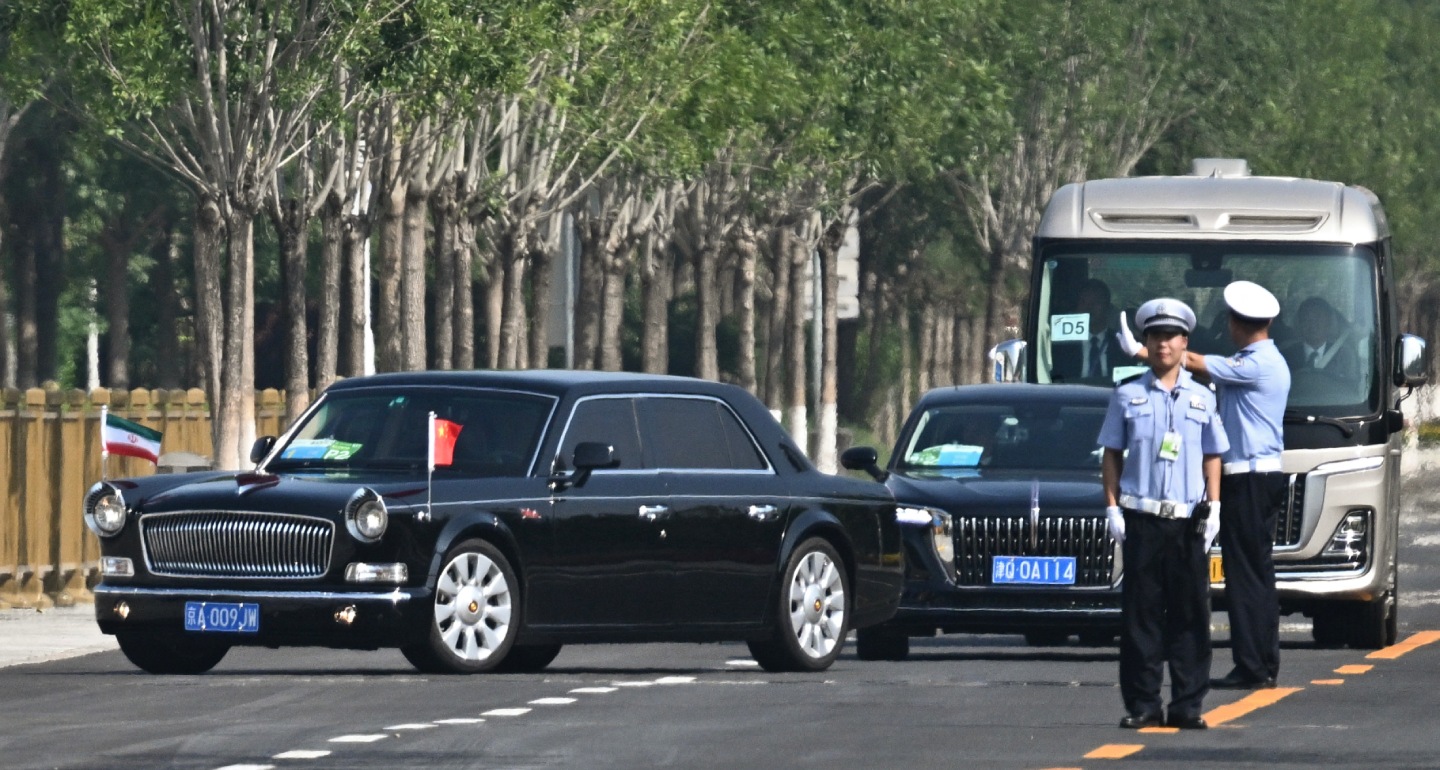
Most of Moscow’s military resources are tied up in Ukraine, while Beijing’s foreign policy prioritizes economic ties and avoids direct conflict.


Alexander Gabuev, Temur Umarov

The interventions in Iran and Venezuela are in keeping with Trump’s strategy of containing China, but also strengthen Russia’s position.

Mikhail Korostikov
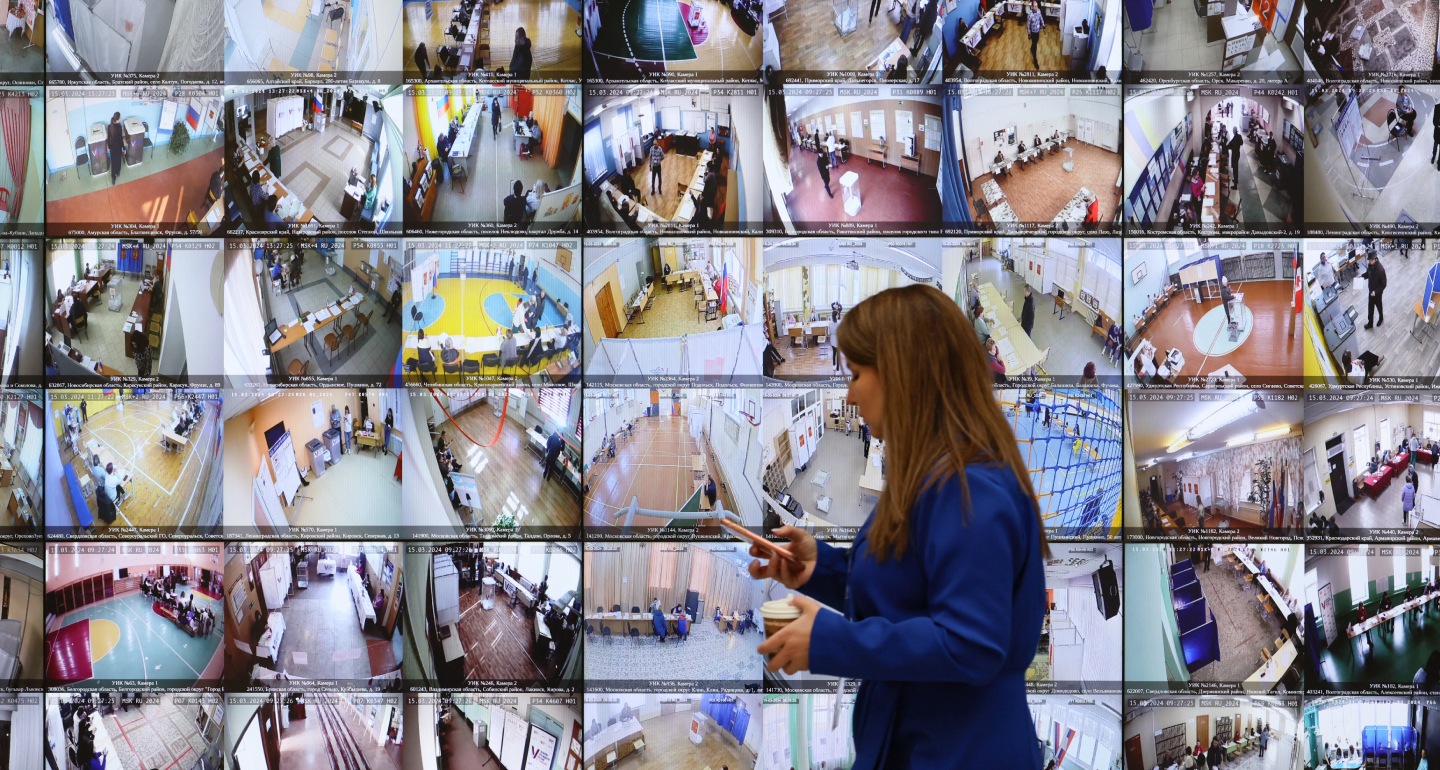
The use of technology to mobilize Russians to vote—a system tied to the relative material well-being of the electorate, its high dependence on the state, and a far-reaching system of digital control—is breaking down.

Andrey Pertsev

As discussions about settlement and elections move from speculation to preparation, Kyiv will have to manage not only the battlefield, but also the terms of political transition. The thaw will not resolve underlying tensions; it will only expose them more clearly.

Balázs Jarábik

Despite its reputation as an island of democracy in Central Asia, Kyrgyzstan appears to be on the brink of becoming a personalist autocracy.
Temur Umarov