

Commentary
Ongoing uncertainty in the Middle East allows Moscow to both increase its influence in Tehran and continue to enjoy the financial windfall of higher oil prices.
Nikita Smagin
{
  "authors": [],
  "type": "pressRelease",
  "centerAffiliationAll": "dc",
  "centers": [
    "Carnegie Endowment for International Peace",
    "Carnegie Europe"
  ],
  "collections": [],
  "englishNewsletterAll": "ctw",
  "nonEnglishNewsletterAll": "",
  "primaryCenter": "Carnegie Endowment for International Peace",
  "programAffiliation": "EP",
  "programs": [
    "Europe"
  ],
  "projects": [],
  "regions": [
    "Iran"
  ],
  "topics": []
}
REQUIRED IMAGE
Sinan Ülgen, visiting scholar at Carnegie Europe, has been invited by NATO Secretary General Anders Fogh Rasmussen to participate in a policy experts group.
BRUSSELS—Sinan Ülgen, visiting scholar at Carnegie Europe, has been invited by NATO Secretary General Anders Fogh Rasmussen to participate in a policy experts group tasked with providing new ideas on how to strengthen the alliance’s transatlantic ties.
Ülgen, a former Turkish diplomat whose research focuses on the implications of Turkish foreign policy for Europe and the United States, is director of the Istanbul-based Center for Economics and Foreign Policy Studies (EDAM.) He and nine other think tank heads from across Europe and North America will join the NATO Parliamentary Assembly and a group of young leaders to find ways to strengthen the transatlantic bond.
The groups’ recommendations will be reviewed at a conference in Brussels in June and will feed into the September NATO Summit in Wales.
“I am honored to have been invited to join this expert group, which is meeting at a critical juncture in the history of the alliance,” Ülgen said. “We shall endeavor to identify a set of concrete proposals that can be taken on board by NATO leaders.”
Press Contact: Christine Lynch | +32 2 209 29 93 | clynch@ceip.org
Carnegie Europe is the Brussels-based center of the Carnegie Endowment for International Peace. Through publications, articles, seminars, and private consultations, Carnegie Europe aims to foster new thinking on the daunting international challenges shaping Europe’s role in the world.
Carnegie does not take institutional positions on public policy issues; the views represented herein are those of the author(s) and do not necessarily reflect the views of Carnegie, its staff, or its trustees.

Ongoing uncertainty in the Middle East allows Moscow to both increase its influence in Tehran and continue to enjoy the financial windfall of higher oil prices.

Nikita Smagin
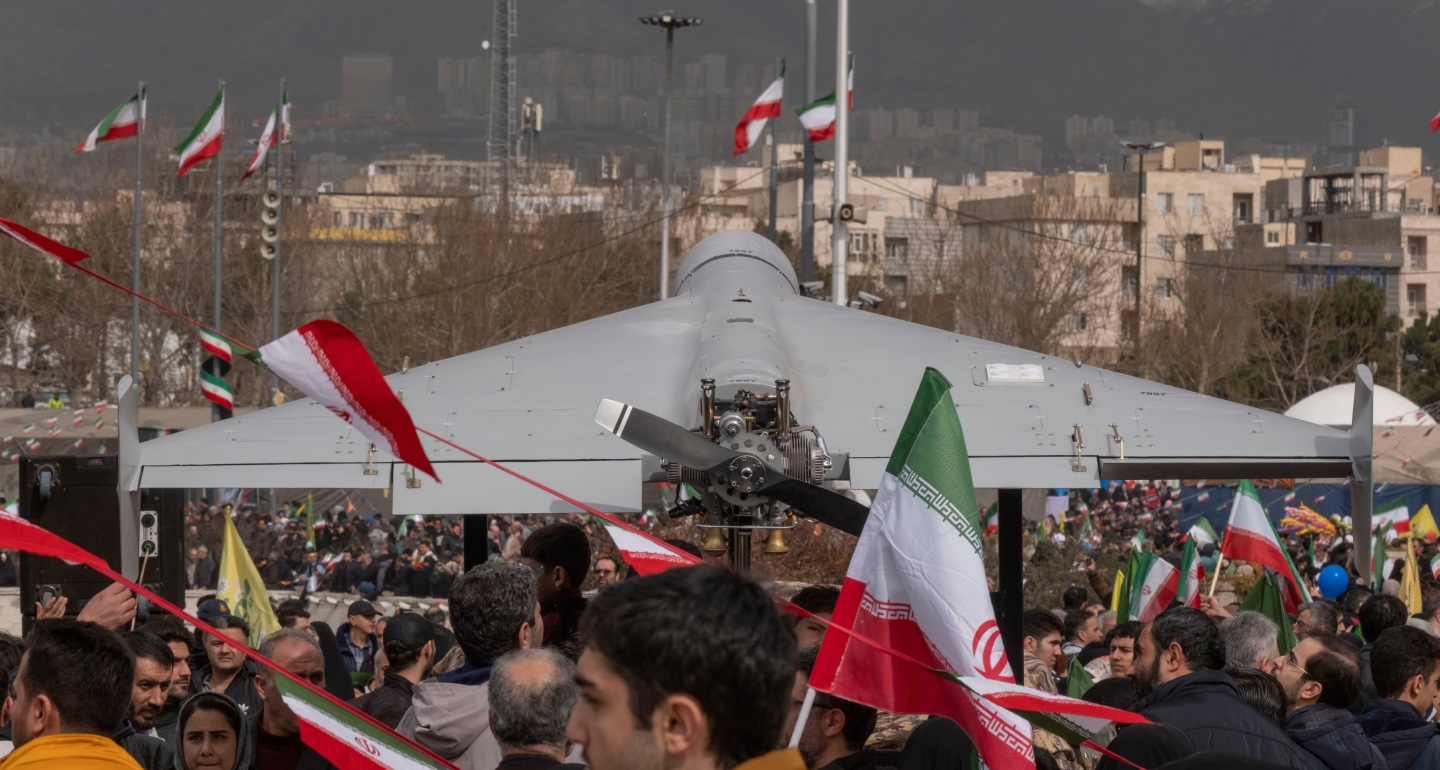
The Russian leadership wants to avoid a dangerous precedent in which it is squeezed out of Iran by the United States and Israel—and left powerless to respond in any meaningful way.
Nikita Smagin
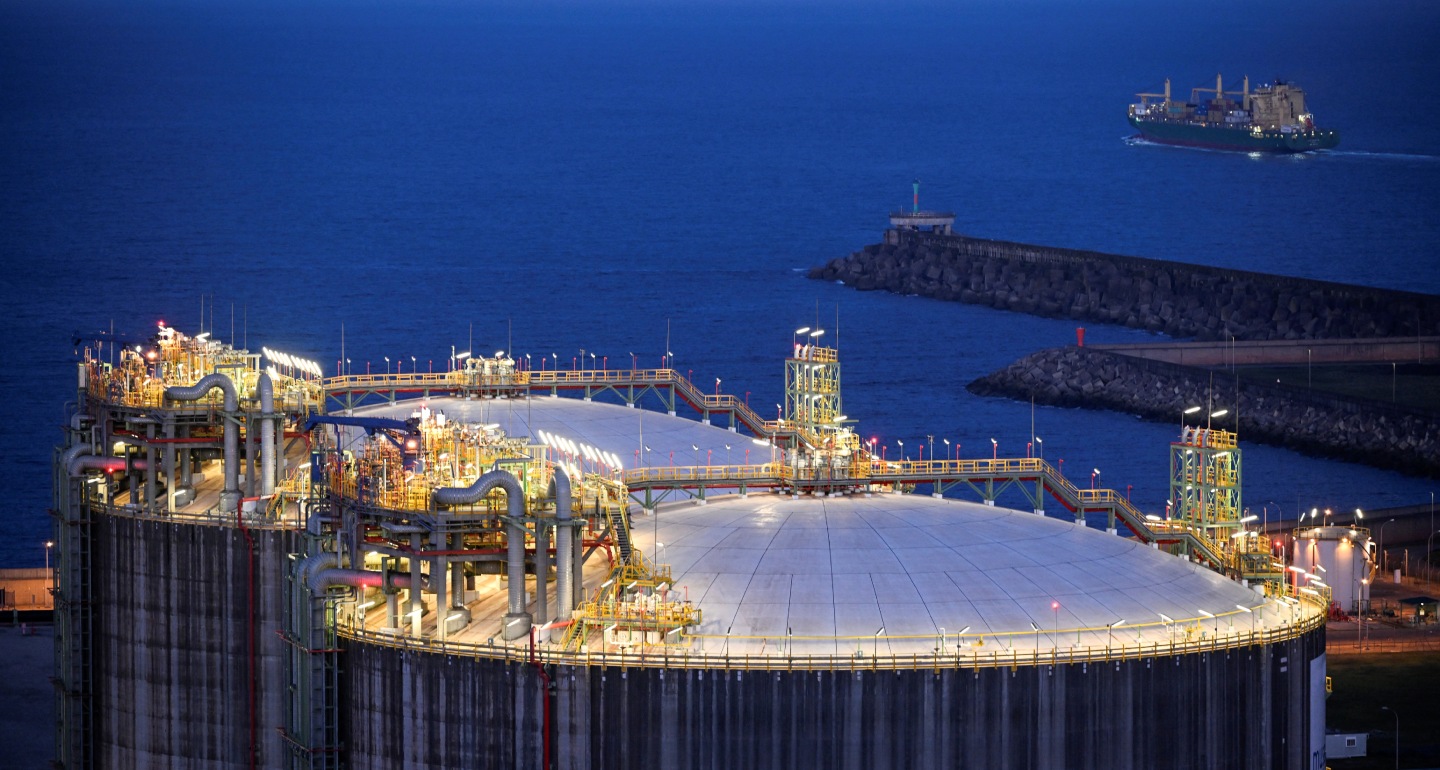
The future trajectory of the U.S.-Iran war remains uncertain, but its impact on global energy trade flows and ties will be far-reaching. Moscow is likely to become a key beneficiary of these changes; the crisis in the Gulf also strengthens Russia’s hand in its relationships with China and India, where advantages might prove more durable.

Sergey Vakulenko
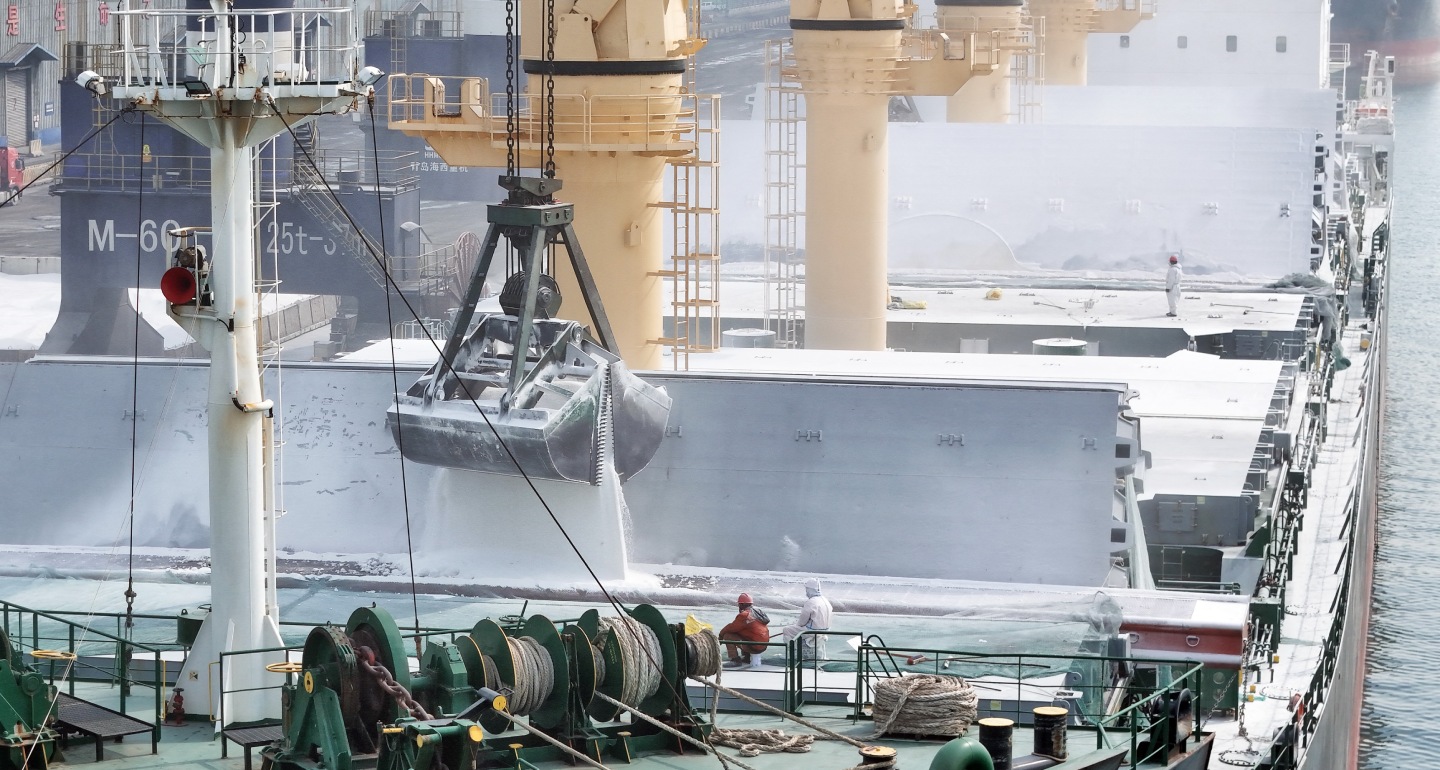
The Kremlin expects to not only profit from rising fertilizer prices but also exact revenge for the collapse of the 2023 grain deal.

Alexandra Prokopenko
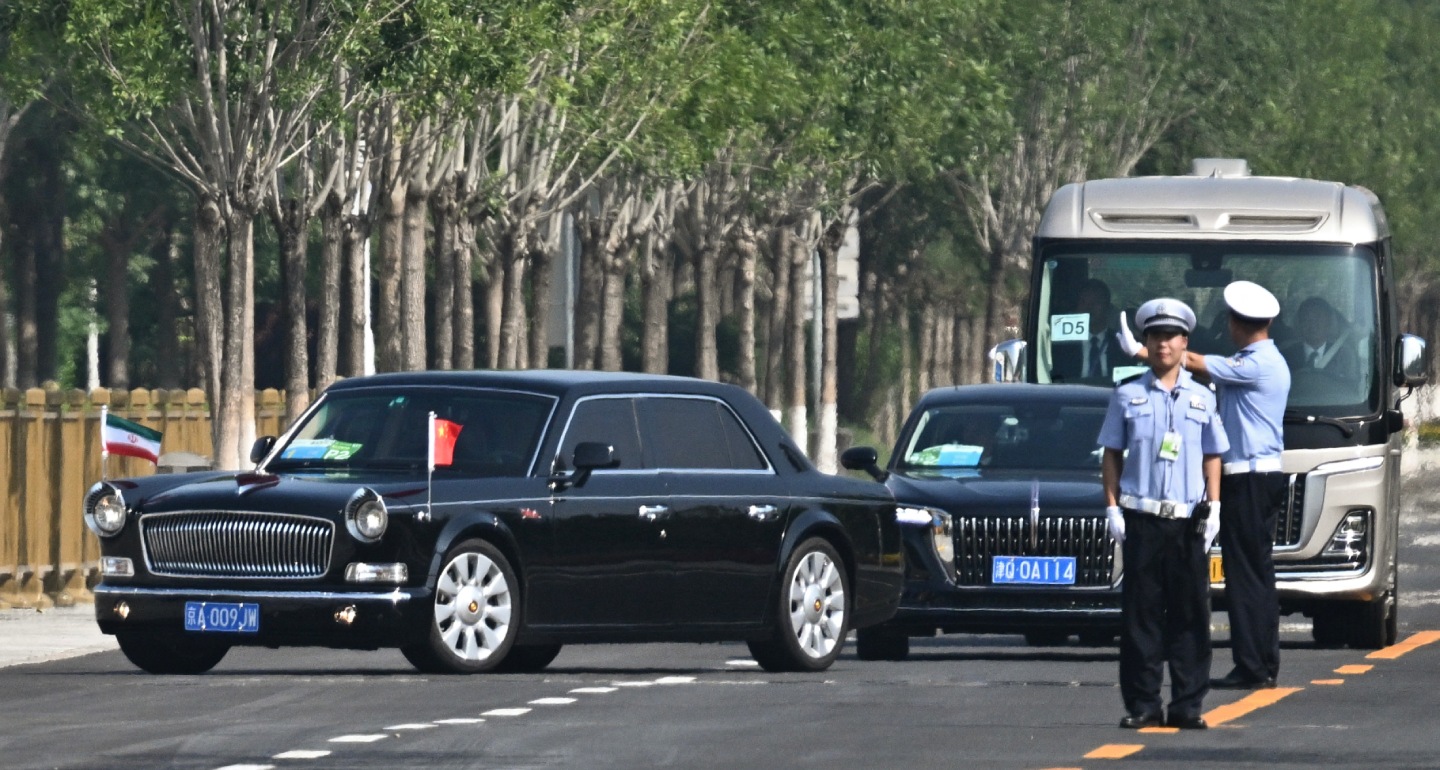
Most of Moscow’s military resources are tied up in Ukraine, while Beijing’s foreign policy prioritizes economic ties and avoids direct conflict.


Alexander Gabuev, Temur Umarov