

Commentary
In the discussions made possible by the State Duma election campaign, one question is being asked more and more loudly. “What next?”
Andrey Pertsev
{
  "authors": [
    "Vinay Shukla"
  ],
  "type": "commentary",
  "centerAffiliationAll": "",
  "centers": [
    "Carnegie Endowment for International Peace",
    "Carnegie Russia Eurasia Center"
  ],
  "collections": [],
  "englishNewsletterAll": "",
  "nonEnglishNewsletterAll": "",
  "primaryCenter": "Carnegie Endowment for International Peace",
  "programAffiliation": "",
  "programs": [],
  "projects": [
    "Eurasia in Transition"
  ],
  "regions": [
    "South Asia",
    "India",
    "Russia"
  ],
  "topics": [
    "Political Reform",
    "Economy",
    "Security",
    "Military",
    "Foreign Policy"
  ]
}
Source: Getty
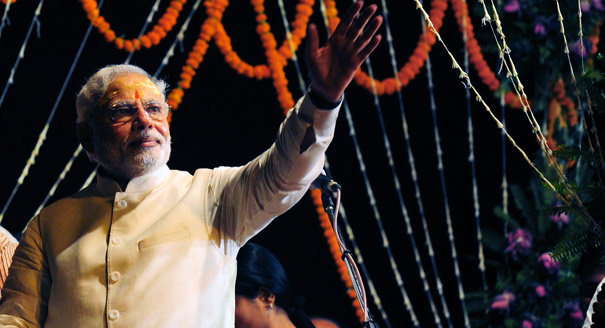
The Indian landslide victory of the Bharatiya Janata Party and Narendra Modi may lead to a strengthening of the strategic partnership between India and Russia.
The landslide victory of the Bharatiya Janata Party in the lower house of India's parliament, the Lok Sabha (The People's Assembly), has totally changed the domestic political scene. Indian voters have made history by displaying the ballot power to wipe out the Indian National Congress Party, identified with the Nehru-Gandhi clan, which had been at the helm for most of the time since India became independent in August 1947.
No doubt, under the stewardship of Prime Minister Narendra Modi, many dramatic changes will be in store for India's domestic life, which will certainly influence its foreign policy, traditionally called “Nehruvian.” However, the Nehruvian policy was never static and had been constantly evolving with the change of guard in the Prime Minister’s Office.
In India, it is not the External Affairs Ministry, but the Prime Minister's Office that decides foreign policy, and the national security advisor personally looks after its strategic and security dimensions.
The BJP election manifesto named no particular nation as the focus of its foreign policy, and it expressed a desire to work with all nations in “India’s national interests.” There is no doubt, however, that relations with troublesome neighbors like Pakistan and China will top its agenda.
What matters to Russia is that Prime Minister Narendra Modi will not only continue the policies of his predecessors, but also could be expected to infuse new blood into the bilateral strategic partnership. This agreement, by the way, was signed by another BJP prime minister, Atal Behari Vajpayee, during Russian President Vladimir Putin’s maiden visit to India in October 2000.
Russia is the only country of the world with which India has a highly structured dialogue mechanism—from annual summits to joint commissions on military-technical, trade, economic, scientific, technological and cultural cooperation—headed by the defense and external affairs ministers.
Russia is seen as a time-tested friend and has never fomented trouble for India through its neighbors. Besides this, Moscow is a reliable supplier of defense technologies denied to India under various U.S.-dominated control regimes.
Moscow also appreciates New Delhi's stance on various issues that have bearing on Russia's long-term interests. In the recent case of Ukraine, India expressed understanding of Russia's national interests in Crimea and refused to join the Western sanctions. Addressing a joint session of the Russian parliament, President Vladimir Putin appreciated India's “restrained” reaction on the Crimea annexation.
Shortly after Crimea’s annexation, Indian Foreign Secretary Sujata Singh visited Beijing and Moscow for consultations, signalling New Delhi's unwillingness to get involved in the West-Russia row over Ukraine.
However, not everything is smooth and perfect in bilateral relations, spanning from high up in space to deep oil wells.
Against the backdrop of excellent—as claimed by the diplomats—political and defense relations, economic cooperation and trade are weak pillars of the strategic partnership between the two countries. Bilateral trade for many years has wobbled around 10 billion dollars. Modi, whose native state of Gujarat has benefited from the growing trade of rough diamonds and gas from Russia, will seek more opportunities for Indian investments in Russian diamond mining and hydrocarbons.
The West's desire to punish Russia through sanctions could be a boon to Modi's India. India had a thriving trade relationship with Moscow when the ex-USSR was under Western curbs and sanctions.
Another matter of concern for the Modi government would be the quality of Russia's arms trade with China. India is obviously envious of Moscow's growing bonhomie with Beijing. However, the export of sensitive defense technology to China by Moscow could have an adverse impact on the national security of India, as Russian military technology would eventually reach Pakistan via China.
Modi's BJP has declared a goal of obtaining self-sufficiency in defense, but for Russia to retain its lead in the Indian arms bazaar will require reformatting the future military-technical cooperation with India along the lines of the BrahMos cruise missile joint venture and joint R&D and production of weapon platforms like fifth generation fighter aircraft.
Stability in Afghanistan, Central Asia, nonproliferation, and anti-terror combat will also continue to remain the issues of closest cooperation between New Delhi and Moscow, especially in view of U.S. pull-out from Afghanistan.
Incidentally, in spite of obvious differences, one thing is common for Putin and Modi: both are highly popular in their countries, but despised by the liberals. Perhaps this commonality will help them develop personal chemistry and further advance bilateral relations when they first meet at the BRICS Summit in Brazil in mid-July.
Vinay Shukla is an independent Eurasia analyst and a former Moscow correspondent of United News of India (UNI) and Press Trust of India (PTI) wire agencies from 1988 to 2011.
Vinay Shukla
Carnegie does not take institutional positions on public policy issues; the views represented herein are those of the author(s) and do not necessarily reflect the views of Carnegie, its staff, or its trustees.
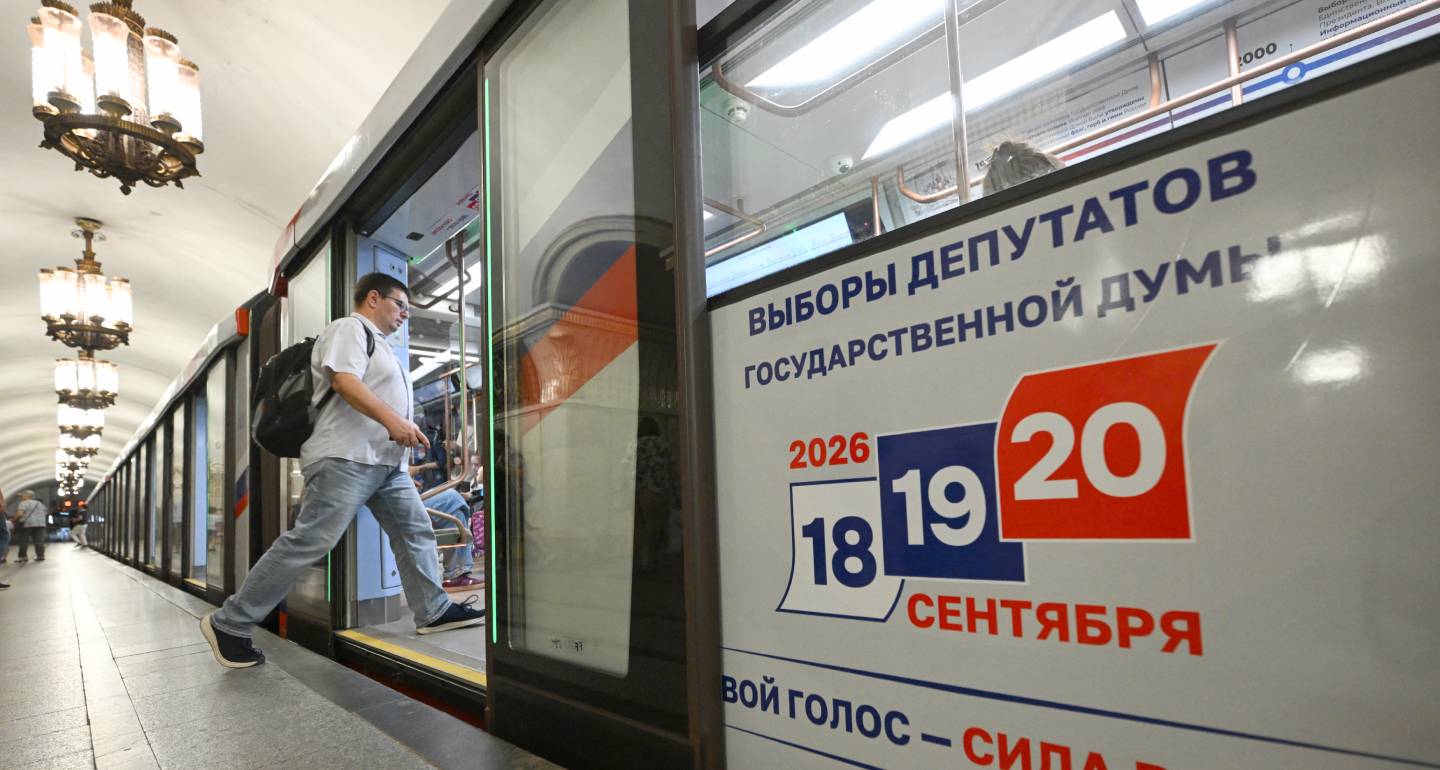
In the discussions made possible by the State Duma election campaign, one question is being asked more and more loudly. “What next?”

Andrey Pertsev
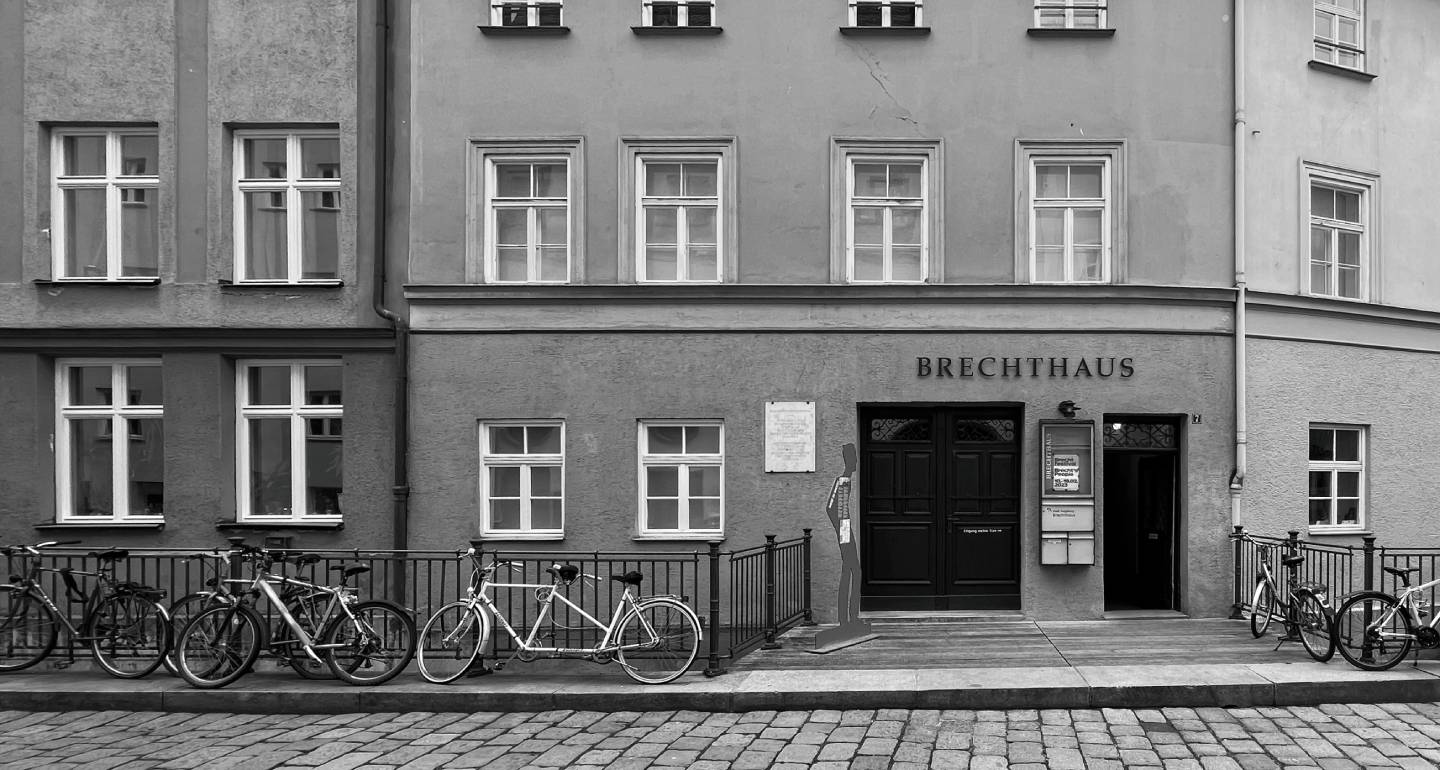
While the Nazis rushed ahead in a revolutionary fervor, Russia’s modern crusaders against enemies of the state work methodically, giving their targets time to adjust to restrictions before closing the loopholes.

Leonid Bershidsky

When faced with fuel shortages in the past, Central Asian governments could always count on additional supplies from Moscow. That safety net no longer exists.

Galiya Ibragimova
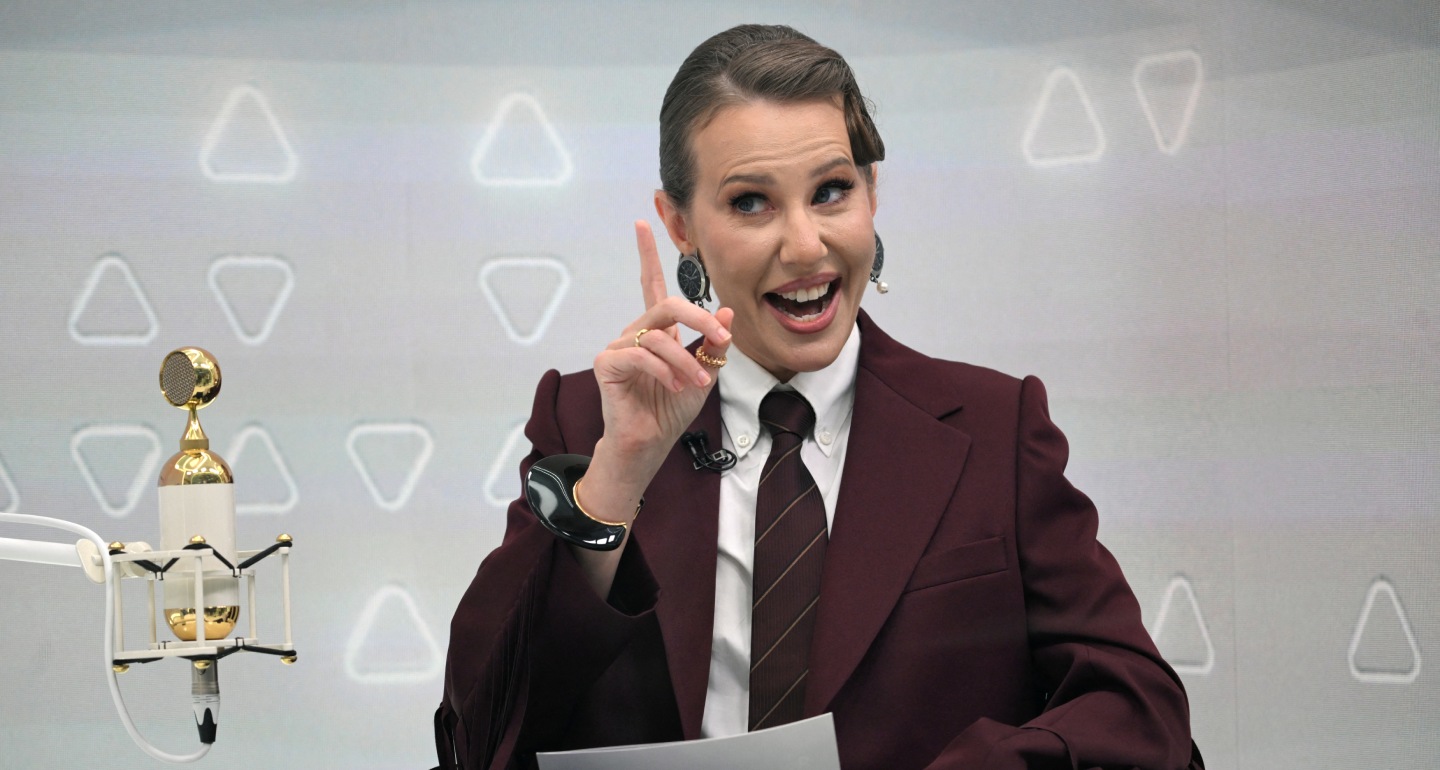
Reading the purported correspondence of celebrity Ksenia Sobchak sheds light on her role within the system, and how journalism and politics function in Putin’s Russia.
Vladislav Gorin
When political power is concentrated in the hands of a small circle of people, a country invariably ends up with technological stagnation.
Aleksei Kiselev