

Q&A
- +1
Amr Hamzawy, Andrew Leber, Eric Lob, …
{
  "authors": [
    "Marwan Muasher"
  ],
  "type": "legacyinthemedia",
  "centerAffiliationAll": "dc",
  "centers": [
    "Carnegie Endowment for International Peace",
    "Malcolm H. Kerr Carnegie Middle East Center"
  ],
  "collections": [
    "Arab Awakening"
  ],
  "englishNewsletterAll": "menaTransitions",
  "nonEnglishNewsletterAll": "",
  "primaryCenter": "Carnegie Endowment for International Peace",
  "programAffiliation": "MEP",
  "programs": [
    "Middle East"
  ],
  "projects": [],
  "regions": [
    "Middle East",
    "North Africa",
    "Egypt",
    "Gulf",
    "Levant",
    "Maghreb"
  ],
  "topics": [
    "Political Reform"
  ]
}
Source: Getty
The age of ideology in the Arab world is drawing to a close.
Source: Aspen Institute
Speaking on a panel discussion at the Aspen Ideas Festival, Carnegie’s Marwan Muasher joined Anne-Marie Slaughter, Steve Clemons, and George Mitchell to discuss the situation in Syria, Iraq, and the broader Middle East. Muasher argued that the age of ideology in the Arab world is coming to a close and that those who are able to show results will succeed. “We cannot talk about the region in terms of ethnic purity or religious purity,” he said. “If we are to talk about a Middle East that is prosperous and stable, we have to talk about pluralism and inclusion, not exclusion, exclusionist policies, or exclusionist countries.”
Muasher argued that that Islamic State of Iraq and the Levant (ISIS) has been able to secure military victories because it’s operating in an environment that felt marginalized. “If we have a political process in which everybody feels included, ISIS will be far less effective than they are today.”
“The Arab world cannot remain hostage to political elites who are governing through a system without any checks and balances or to the radical Islamists who are threatening the cultural and political diversity of society,” he contended. “Those who want a pluralistic discourse have to work for one.”

Vice President for Studies
Marwan Muasher is vice president for studies at Carnegie, where he oversees research in Washington and Beirut on the Middle East. Muasher served as foreign minister (2002–2004) and deputy prime minister (2004–2005) of Jordan, and his career has spanned the areas of diplomacy, development, civil society, and communications.
Recent Work



Amr Hamzawy, Andrew Leber, Eric Lob, …
Marwan Muasher
Carnegie does not take institutional positions on public policy issues; the views represented herein are those of the author(s) and do not necessarily reflect the views of Carnegie, its staff, or its trustees.
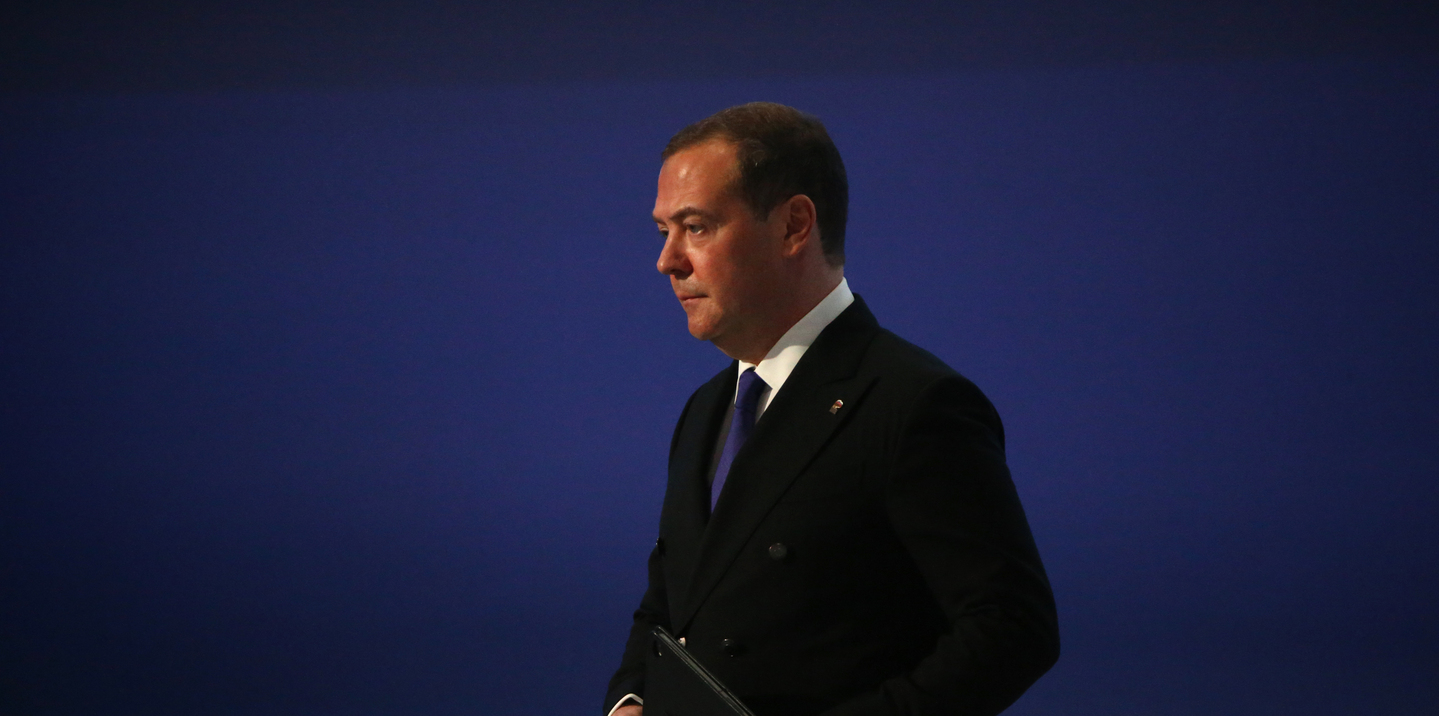
Medvedev’s defeat in the battle for the position of speaker appears to signal that the long process of his marginalization in Russian politics has passed the point of no return.

Andrey Pertsev

This year’s wars have made alternative routes to transit through Russia no less risky for Central Asian countries.

Galiya Ibragimova
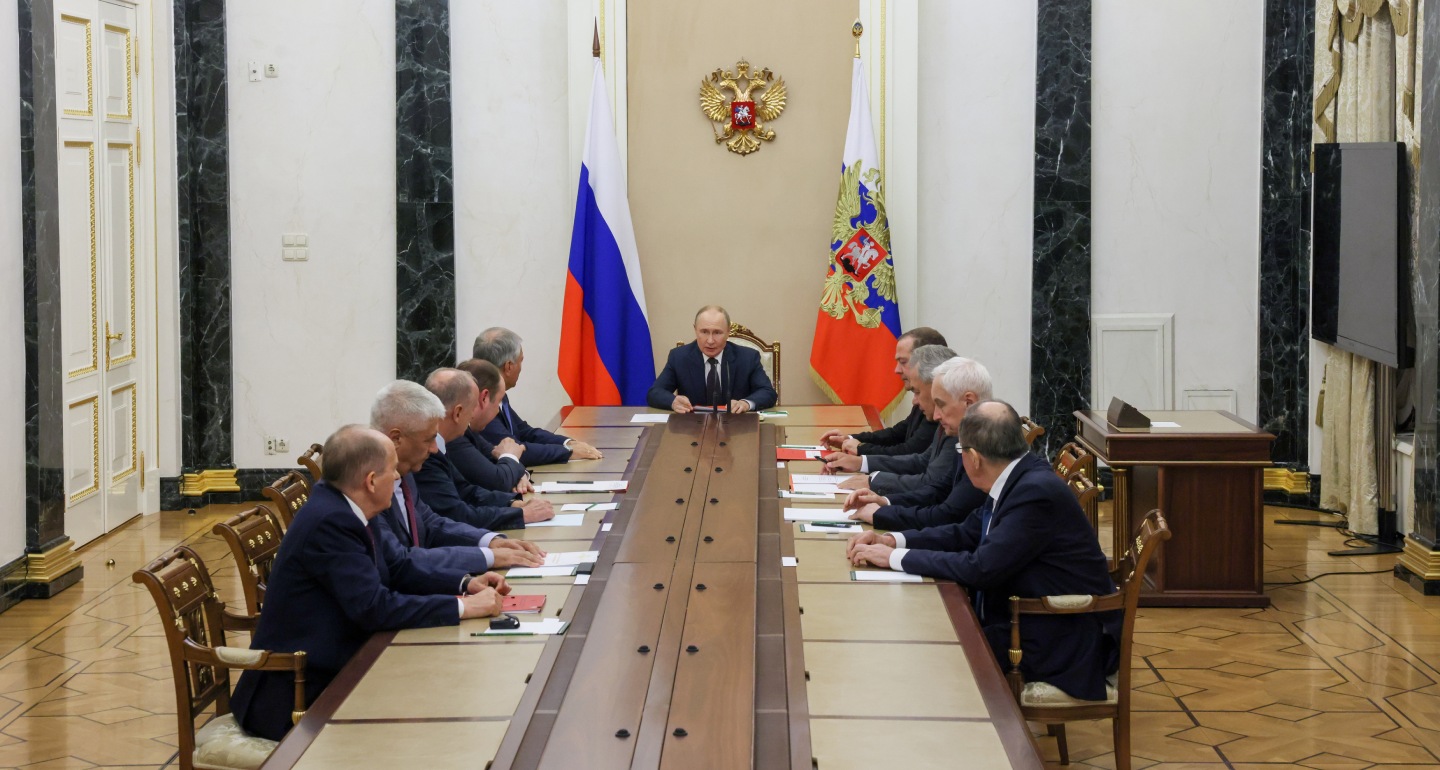
The ruling elites in contemporary Russia are not a political class, but a community of managers who are not subject to competition or public accountability. The state is becoming an operating apparatus without any internal autonomy.

Alexandra Prokopenko

Pashinyan’s pro-European party has been re-elected with a decisive victory. But the pro-Russian opposition could still slow Armenia’s progress toward peace with Azerbaijan and rapprochement with Europe.
Mikayel Zolyan

How did Putin co-opt Russia’s political and economic elites, ensuring no more than fitful resistance to the regime’s war on Ukraine?
Alexandra Prokopenko