

Commentary
Katherine Wilkens
{
  "authors": [
    "Katherine Wilkens"
  ],
  "type": "legacyinthemedia",
  "centerAffiliationAll": "dc",
  "centers": [
    "Carnegie Endowment for International Peace",
    "Malcolm H. Kerr Carnegie Middle East Center"
  ],
  "collections": [],
  "englishNewsletterAll": "menaTransitions",
  "nonEnglishNewsletterAll": "",
  "primaryCenter": "Carnegie Endowment for International Peace",
  "programAffiliation": "MEP",
  "programs": [
    "Middle East"
  ],
  "projects": [],
  "regions": [
    "Middle East",
    "Iraq",
    "Gulf"
  ],
  "topics": [
    "Political Reform",
    "Security"
  ]
}
Source: Getty
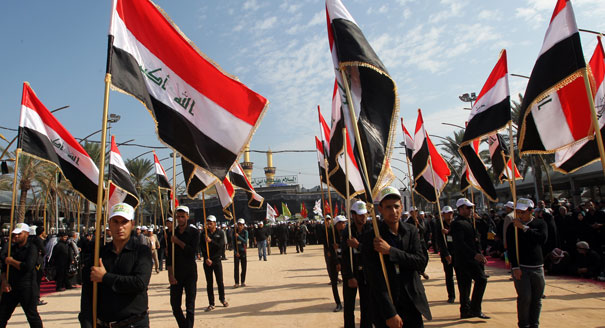
The growing strength and influence of ISIS is rooted in a deep-seated regional disagreement over the nature of the threat posed by jihadist extremists. Until the fight against ISIS is decoupled from the sectarian fires engulfing the region, efforts to make progress against the group will flounder.
Source: Weekly Wonk
The growing strength and influence of the ISIS is rooted in a deep-seated regional disagreement over the nature of the threat posed by jihadist extremists. Until the fight against the ISIS is decoupled from the sectarian fires engulfing the region, efforts to make progress against the group will flounder.
Despite US efforts over the last two years, recruits and resources have continued to make their way to the ISIS across a porous Turkish border and from the Gulf. While this situation is slowly changing, much more needs to be done to get full cooperation from regional allies in this effort.
The ISIS has now become a self-sustaining and well-established force that poses a serious threat to Iraq and the broader region. US assistance alone will not be enough to save Iraq. A broader process towards national unity is needed to give Sunnis and Kurds a greater stake in the country’s future and undermine the sectarian narrative of ISIS and former Baathist forces now occupying large swaths of Iraqi territory.
In Syria the US needs to urgently refocus its efforts on jihadist extremists. We should be open to talks with the Syrian Kurdish PYD, which has been at the center of the battle against ISIS. In addition, we need to recognize that groups combating the Assad regime will be focused first on that priority. US decisions to aid the moderate armed opposition in Syria should be assessed on their own merits, not as a key component of a comprehensive strategy against the jihadist threat in Syria and Iraq.
Nonresident Scholar, Middle East Program
Katherine Wilkens is a nonresident scholar at the Carnegie Endowment for International Peace where she formerly served as deputy director of the Middle East Program.
Recent Work
Katherine Wilkens
Katherine Wilkens
Carnegie does not take institutional positions on public policy issues; the views represented herein are those of the author(s) and do not necessarily reflect the views of Carnegie, its staff, or its trustees.

Two divergent trends—Putin’s hardline vision of how to prosecute the war in Ukraine, and a growing desire for change in Russia—could tear the regime apart.

Tatiana Stanovaya
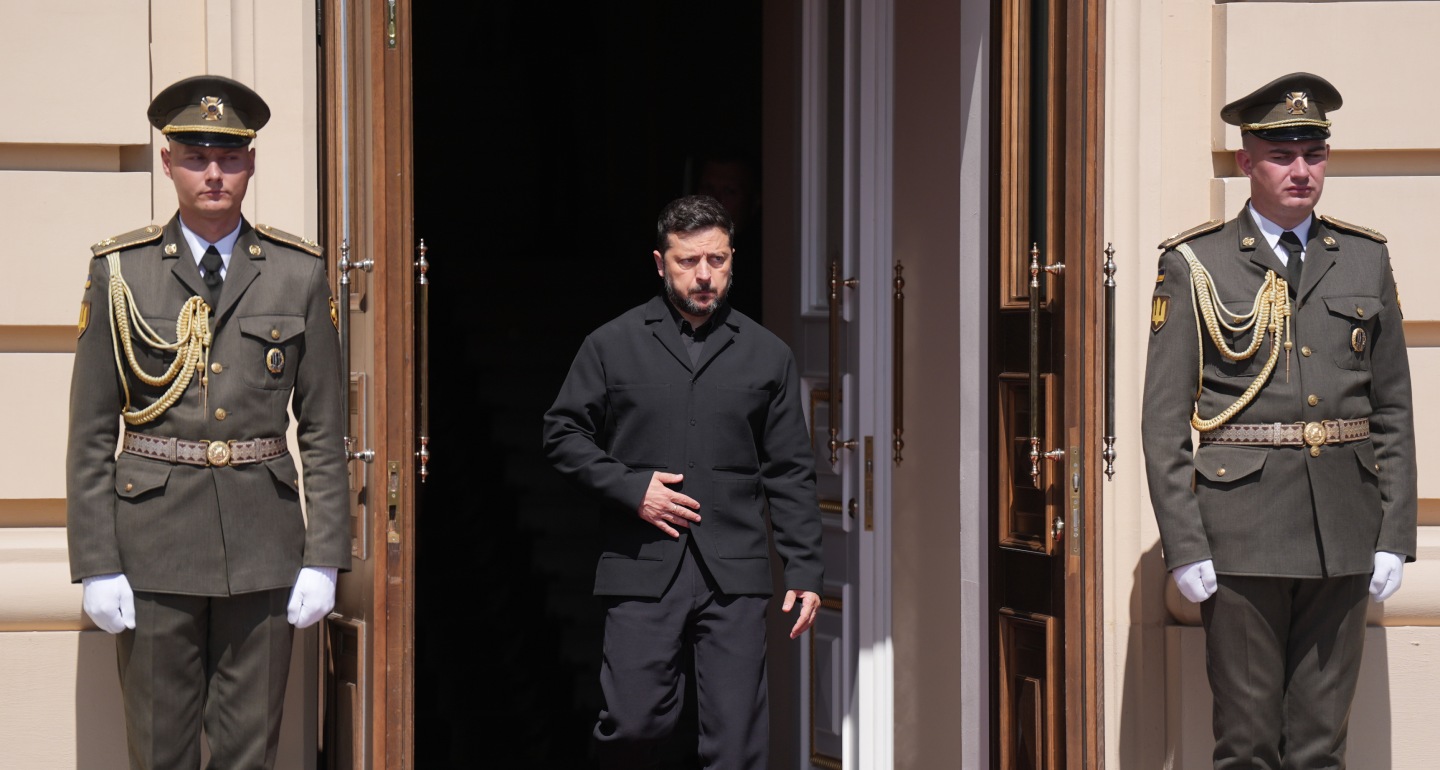
Ultimately, Zelensky sided neither with the reform camp nor with the military establishment as such, but with political control.

Balázs Jarábik
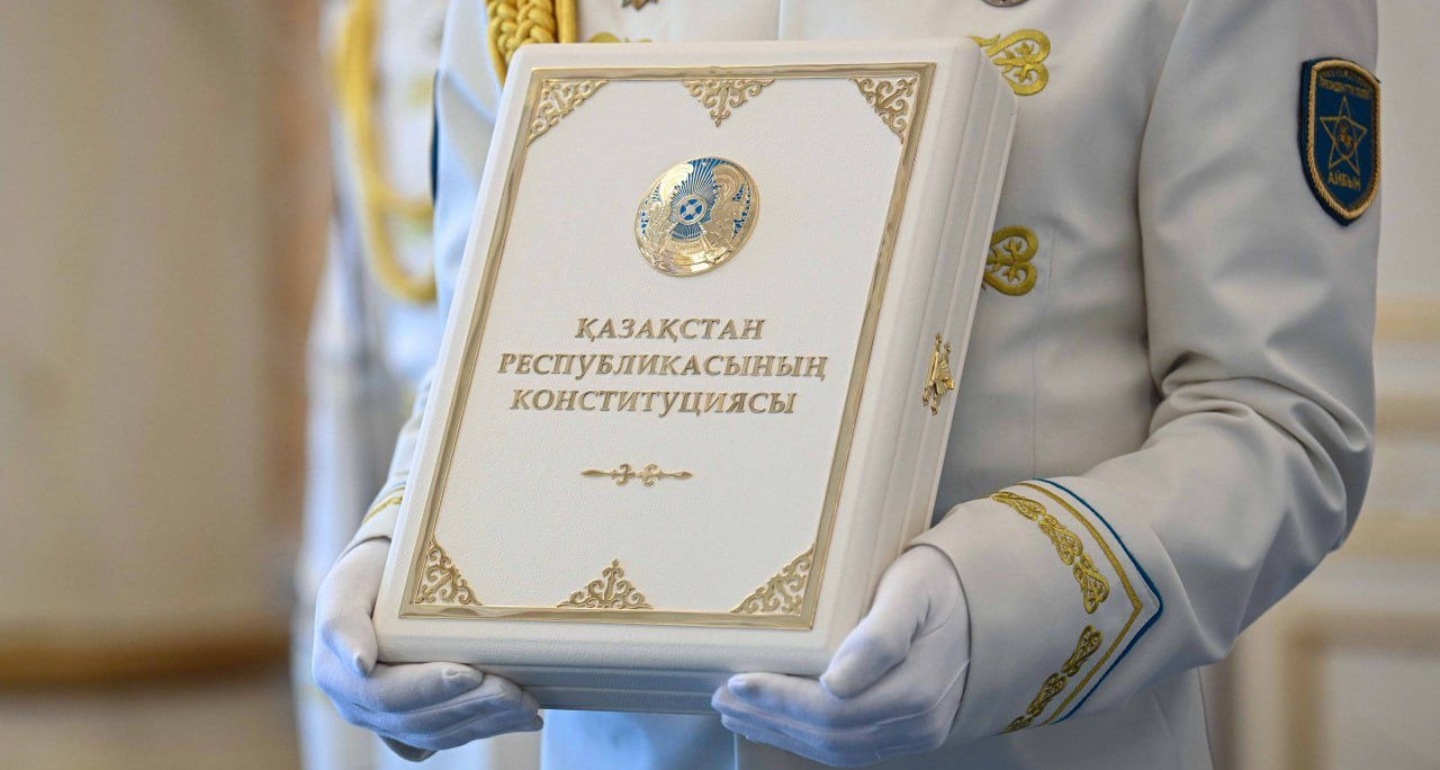
Tokayev’s predecessor, Nursultan Nazarbayev, outlined arrangements for a power transition too soon and in too much detail, ultimately losing control over the process. Tokayev is determined not to meet the same fate.

Temur Umarov

Andrey Melnichenko’s essay offers no answer to the fundamental question of how, under any kind of negotiated settlement, Europe can protect itself from the Russian ressentiment that is inevitable in all scenarios except for an outright victory for Putin.

Leonid Bershidsky

Despite unhappiness on the ground, Moscow is determined to use both carrot and stick to ensure there is record support for United Russia in occupied Ukraine.

Konstantin Skorkin