

Paper
Renée DiResta, Rachel Kleinfeld, Margot Treadwell
{
  "authors": [
    "Rachel Kleinfeld"
  ],
  "type": "legacyinthemedia",
  "centerAffiliationAll": "dc",
  "centers": [
    "Carnegie Endowment for International Peace"
  ],
  "collections": [],
  "englishNewsletterAll": "democracy",
  "nonEnglishNewsletterAll": "",
  "primaryCenter": "Carnegie Endowment for International Peace",
  "programAffiliation": "DCG",
  "programs": [
    "Democracy, Conflict, and Governance"
  ],
  "projects": [],
  "regions": [],
  "topics": [
    "Security",
    "Foreign Policy"
  ]
}
Source: Getty
If military leaders lack control over their troops' role in U.N. missions, but can be held legally responsible for their troops’ actions, then troop contributions from richer states with better courts may be less forthcoming.
Source: New York Times
We like to ask the United Nations to do the impossible – then kick it when it fails. The Security Council gives U.N. troops missions that the five permanent members don’t want, and then it deploys them slowly, without adequate arms, hampered by rules of engagement that impede success.
Nineteen years ago, this cynical system led to a massacre. This week, it fell to a Dutch judge to provide accountability. His careful ruling held Dutch peacekeepers accountable for the 300 deaths attributable to their failure of leadership.
The verdict is apt but its side effects may further harm U.N. mission effectiveness.If military leaders lack control over their troops' role in U.N. missions, but can be held legally responsible for their troops’ actions, then troop contributions from richer states with better courts may be less forthcoming.
Meanwhile, U.N. missions from poorer countries that earn money from them will continue. This is unlikely to increase efficacy: many of these countries send troops so poorly trained and equipped that the United Nations must supply boots as well as arms.
In a world in which tens of thousands of U.N. blue helmets are deployed right now, this is no way to create stability.
The world needs the United Nations. Like democracy, it is the worst system save for all the others. If we are going to keep asking the U.N. to serve in places where the U.S. doesn’t want to go, we should help it do a better job.
First, the Security Council must provide rules of engagement that allow force, which is increasingly needed.
Second, we need a standing fund for peacekeeping. Right now, the United Nations must go begging for funds and troops only after the Security Council authorizes a mission. Months pass and war zones worsen before they can be deployed.
Finally, the United Nations increasingly needs forces that are trained, vetted and can work together, especially since so many come from poor countries. Creating training academies whose graduates are first in line for deployment would help. And it would be a good use of some of the billions President Obama just authorized for foreign military training, in his bid to keep the United States out of future wars.
This article was originally published in the New York Times Room for Debate.
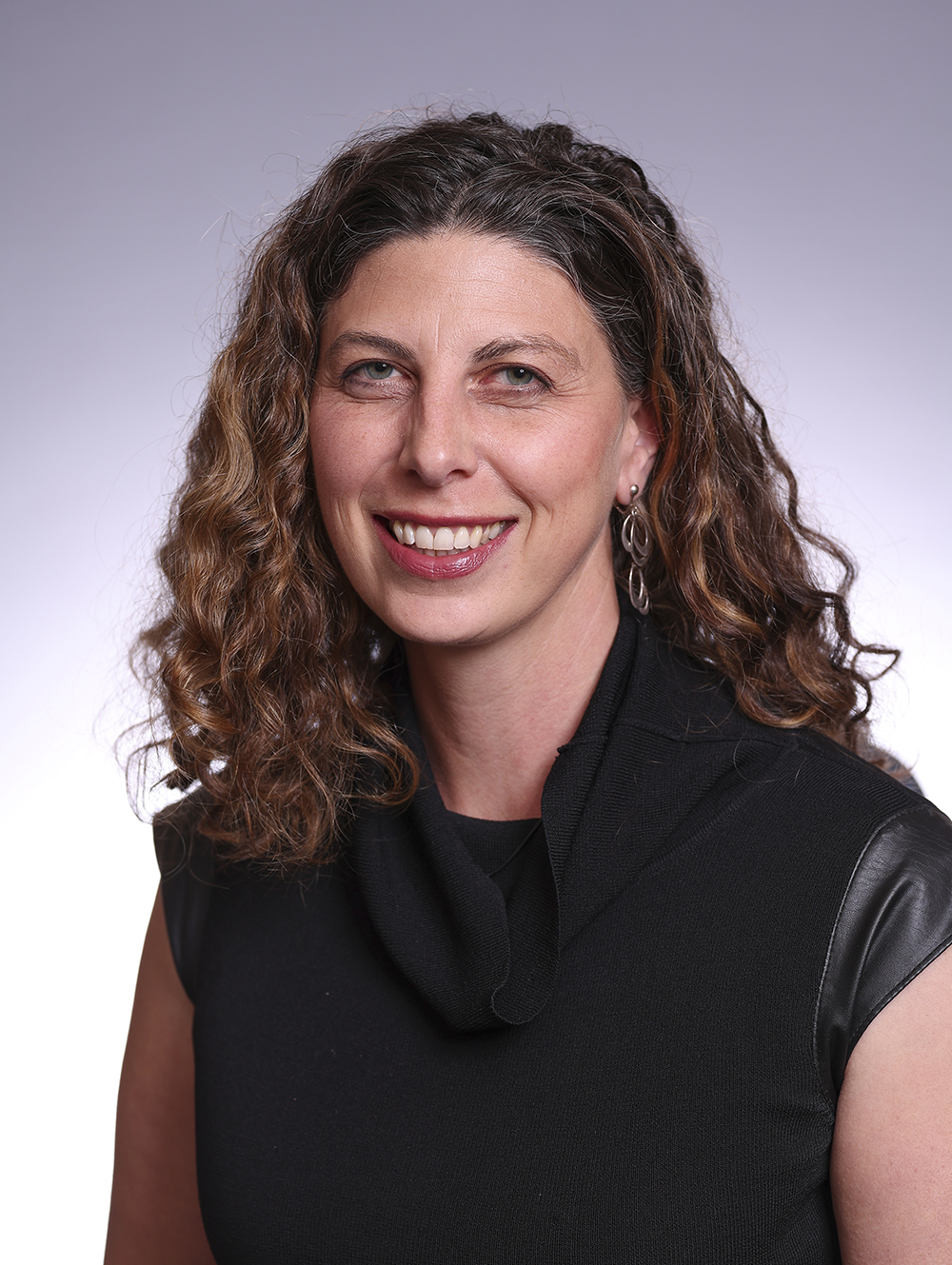
Senior Fellow, Democracy, Conflict, and Governance Program
Rachel Kleinfeld is a senior fellow in Carnegie’s Democracy, Conflict, and Governance Program, where she focuses on issues of rule of law, security, and governance in democracies experiencing polarization, violence, and other governance problems.
Recent Work
Renée DiResta, Rachel Kleinfeld, Margot Treadwell
Political Violence Researchers, Rachel Kleinfeld, ed., Dalya Berkowitz, ed.
Carnegie does not take institutional positions on public policy issues; the views represented herein are those of the author(s) and do not necessarily reflect the views of Carnegie, its staff, or its trustees.

Cargo traffic through Russia’s Northern Sea Route has increased because of the disruption caused by the conflict in the Middle East, the Ukraine war, and U.S.-China tensions.

Mikhail Korostikov

The European far right might fail to steer EU policy in the direction Russia wants, but they will create enough chaos inside Europe to benefit the Kremlin.

Dimitar Bechev

Minsk clearly expected the dialogue with Washington to yield more results, in particular the lifting of EU sanctions and permission to export potash.

Artyom Shraibman

With the growth in points of friction between the great powers, organizations like the SCO will continue to play a role in the strategic adaptation of the smaller powers caught between them.

Temur Umarov

When faced with fuel shortages in the past, Central Asian governments could always count on additional supplies from Moscow. That safety net no longer exists.

Galiya Ibragimova