

Commentary
Dmitri Trenin
{
  "authors": [
    "Dmitri Trenin"
  ],
  "type": "commentary",
  "centerAffiliationAll": "",
  "centers": [
    "Carnegie Endowment for International Peace",
    "Carnegie Russia Eurasia Center"
  ],
  "collections": [],
  "englishNewsletterAll": "",
  "nonEnglishNewsletterAll": "",
  "primaryCenter": "Carnegie Russia Eurasia Center",
  "programAffiliation": "",
  "programs": [],
  "projects": [],
  "regions": [
    "North America",
    "United States",
    "Russia"
  ],
  "topics": [
    "Foreign Policy"
  ]
}
Source: Getty
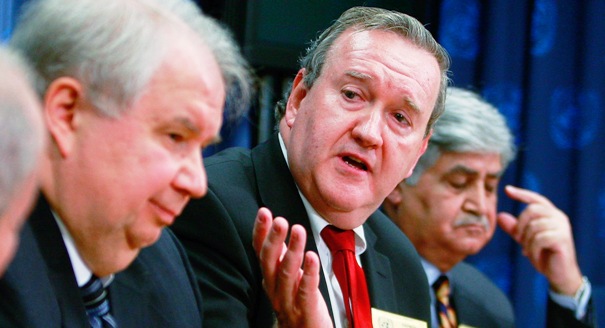
John Mroz, who died earlier this month, was the founder of the EastWest Institute, a novel concept of a “think and do tank” which sought to organize Track 2 and Track 1.5 discussions across the Cold War divide. Mroz has departed precisely at the moment when the need for his services has peaked again.
John Mroz, who died earlier this month, was well known to those Russians who, over the last three decades, participated in public policy exchanges with their American colleagues. Back in 1980 Mroz founded the EastWest Institute, a novel concept of a "think and do tank" which sought to organize Track 2 and Track 1.5 discussions across the Cold War divide.
It would be correct to say that John himself was a global institution. His ebullient energy allowed him to reach the high and mighty around the world and engage them in the cause of greater international security. The issues he took up ranged from Israel-PLO dialogue to Germany's reunification to U.S.-Russian cooperation on ballistic missile defense. Sometimes these engagements produced policy outcomes, sometimes not, but they always left an impact.
Leaving U.S.-Russian relations to occasional phone calls between the Kremlin and the White House and the periodic meetings between the two countries' foreign ministers is not a good option when the media on both sides are becoming increasingly polemical, with many journalists and experts acting as combatants in an information warfare.
A new effort to structure serious discussions between Russians and Americans is sorely needed. Track 2 and Track 1.5 exchanges are indispensable for moving the U.S.-Russian relationship off the dangerous course it has taken. John Mroz has departed precisely at the moment when the need for his services has peaked again. He will be missed.
Former Director, Carnegie Moscow Center
Trenin was director of the Carnegie Moscow Center from 2008 to early 2022.
Recent Work
Dmitri Trenin
Dmitri Trenin
Carnegie does not take institutional positions on public policy issues; the views represented herein are those of the author(s) and do not necessarily reflect the views of Carnegie, its staff, or its trustees.
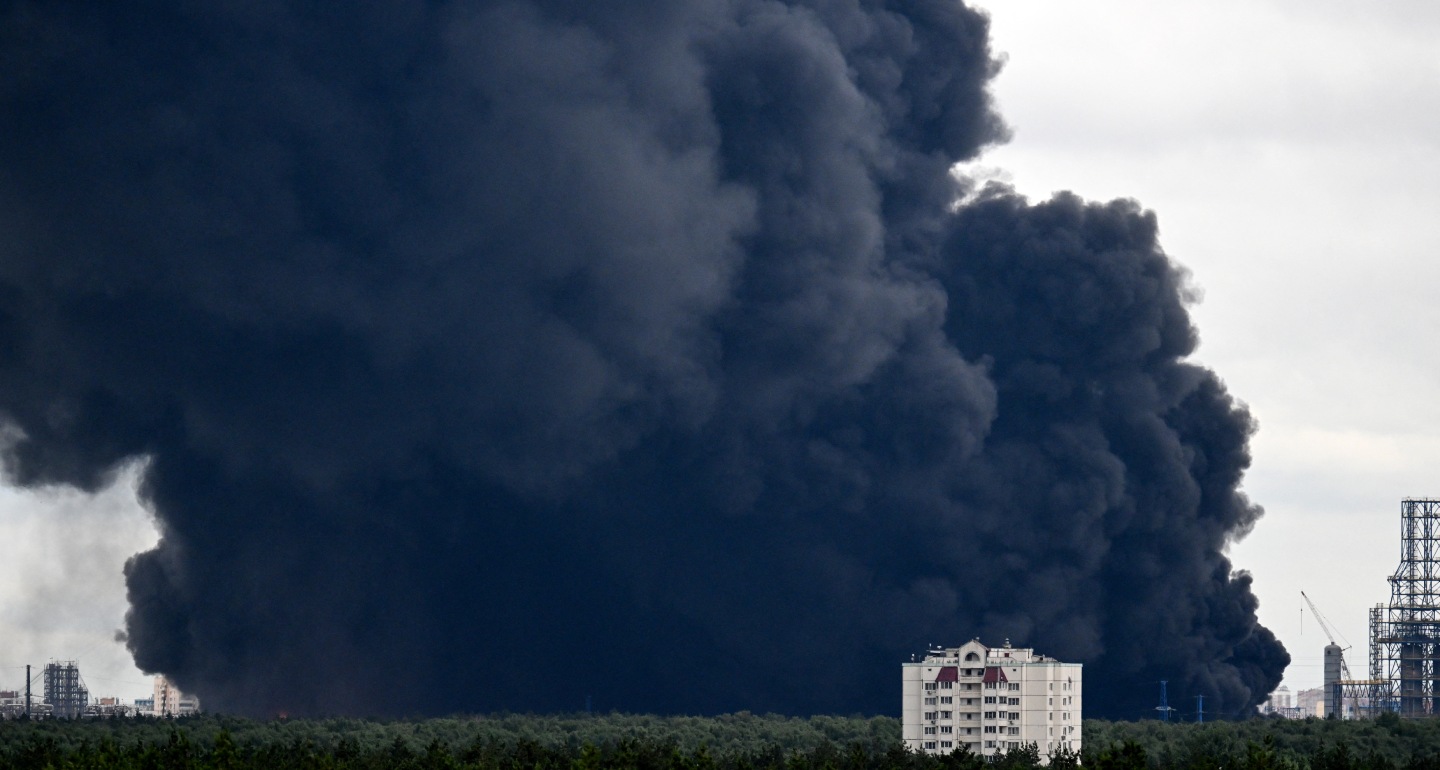
If it proves impossible for the Russian authorities to avoid a gasoline deficit, the question then becomes how they will organize the distribution of a scarce resource.

Sergey Vakulenko
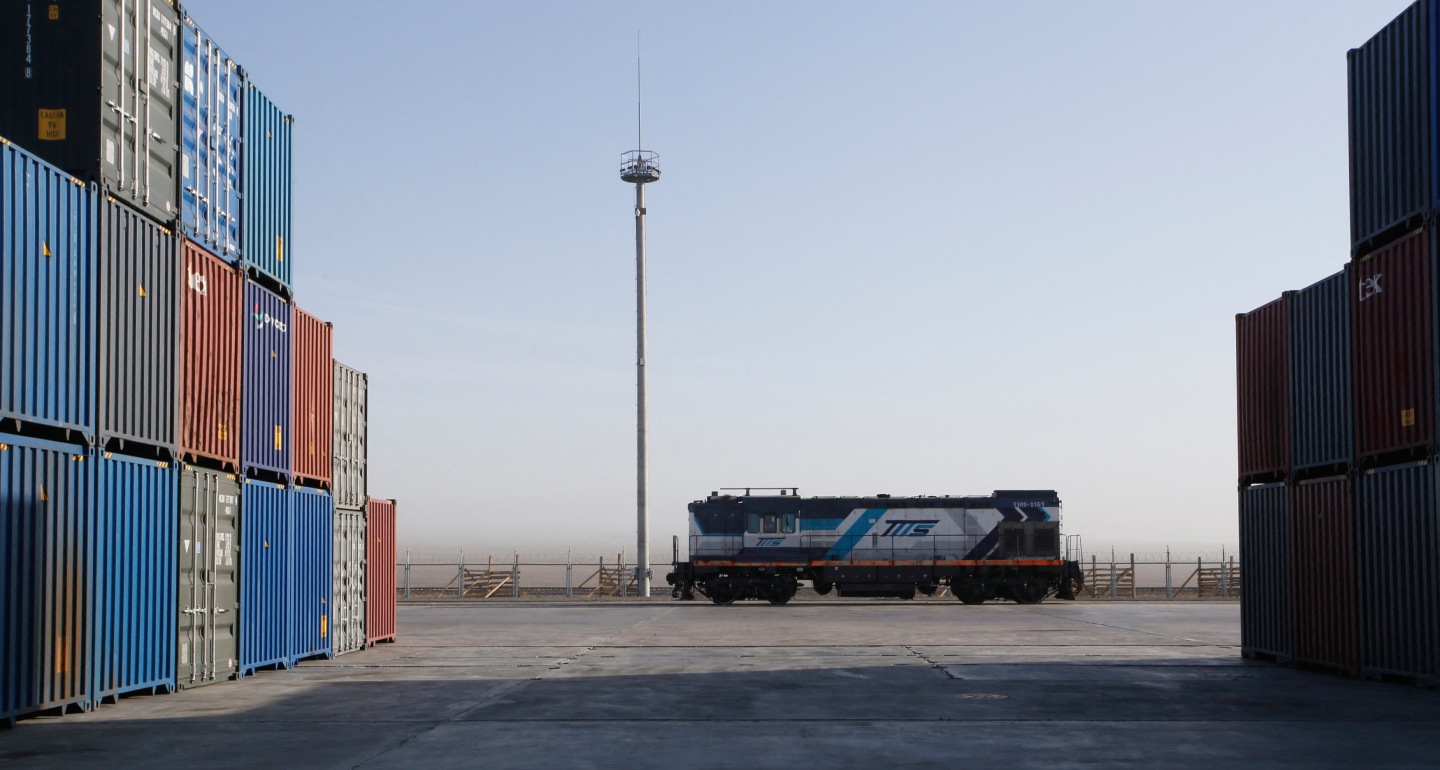
This year’s wars have made alternative routes to transit through Russia no less risky for Central Asian countries.

Galiya Ibragimova
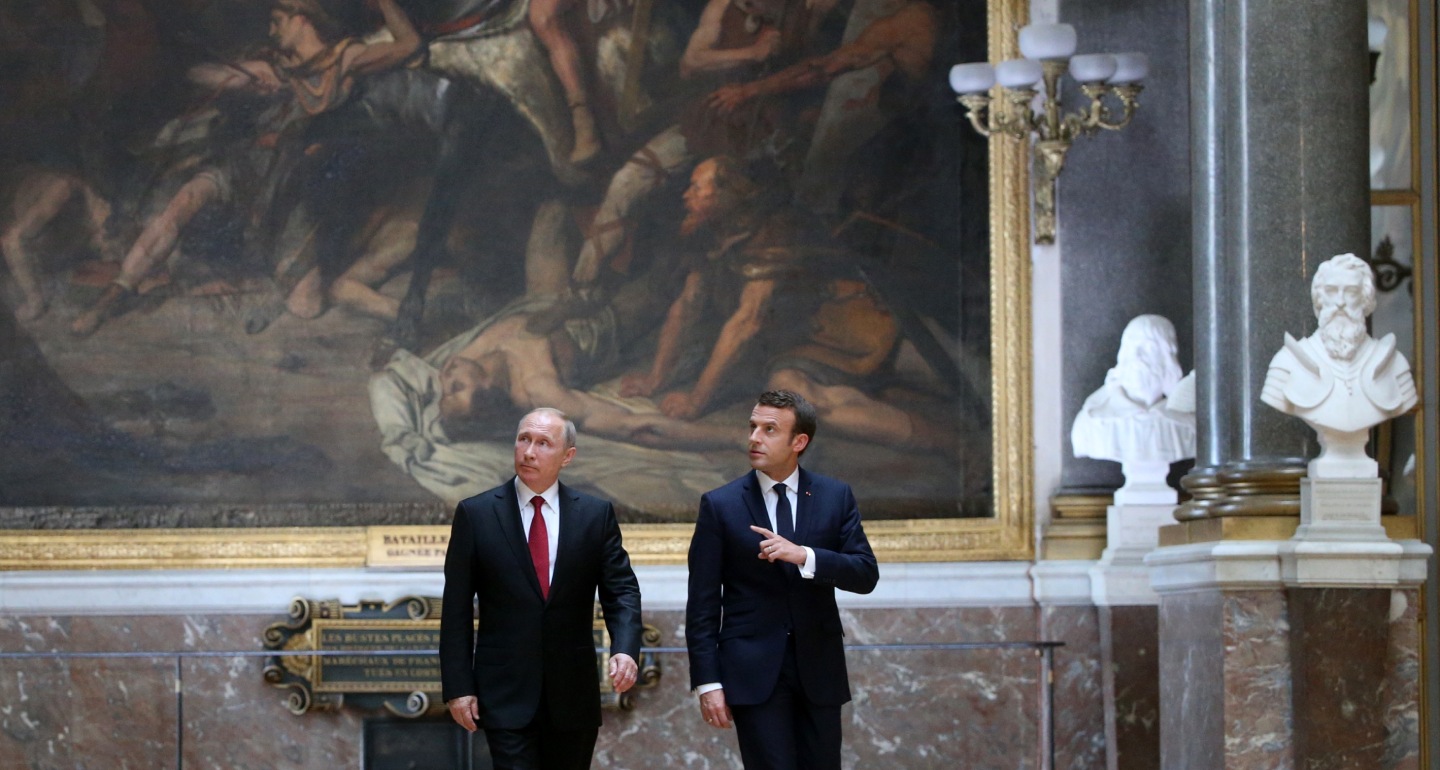
Reestablishing a dialogue with Moscow is not a goal in its own right. The goal is to guarantee the independence of Ukraine and the peace and security of Europe.
Arkady Moshes
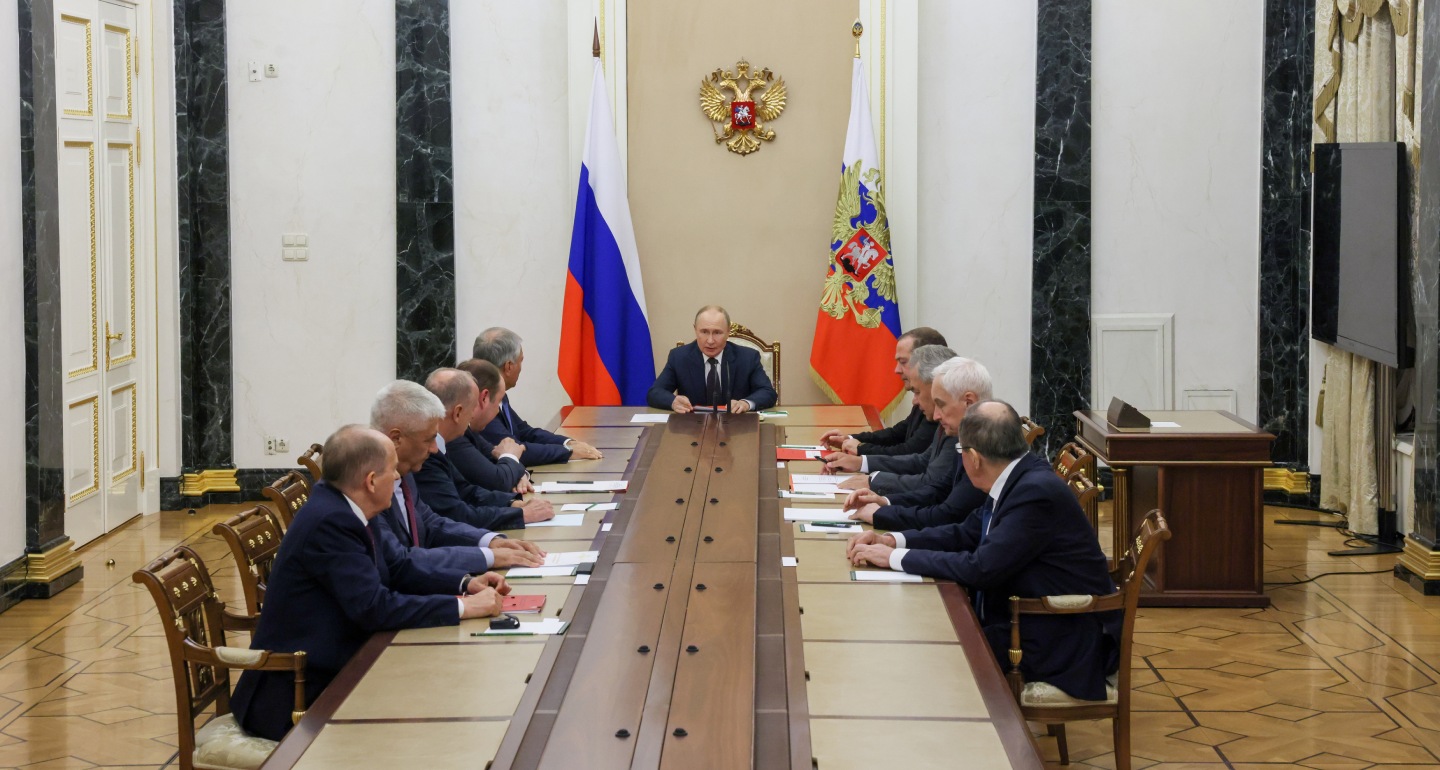
The ruling elites in contemporary Russia are not a political class, but a community of managers who are not subject to competition or public accountability. The state is becoming an operating apparatus without any internal autonomy.

Alexandra Prokopenko
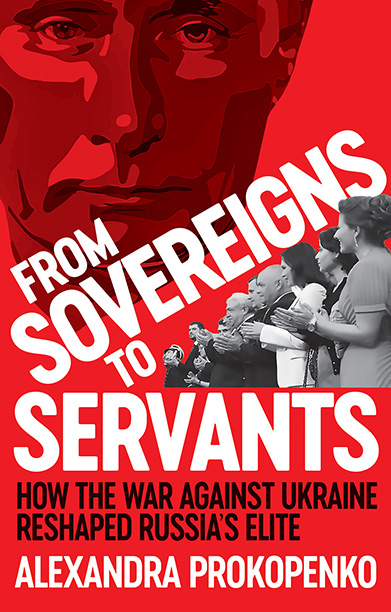
How did Putin co-opt Russia’s political and economic elites, ensuring no more than fitful resistance to the regime’s war on Ukraine?
Alexandra Prokopenko