

Q&A
Dara Massicot, Aaron David Miller, Andrew S. Weiss
{
  "authors": [
    "Andrew S. Weiss"
  ],
  "type": "legacyinthemedia",
  "centerAffiliationAll": "dc",
  "centers": [
    "Carnegie Endowment for International Peace"
  ],
  "collections": [],
  "englishNewsletterAll": "ctw",
  "nonEnglishNewsletterAll": "",
  "primaryCenter": "Carnegie Endowment for International Peace",
  "programAffiliation": "russia",
  "programs": [
    "Russia and Eurasia"
  ],
  "projects": [],
  "regions": [
    "North America",
    "United States",
    "Russia",
    "Eastern Europe",
    "Ukraine"
  ],
  "topics": [
    "Security",
    "Foreign Policy"
  ]
}
Source: Getty
What the Ukrainians really want from the West right now is lethal military assistance and they are just not going to get it.
Source: KCRW’s To The Point
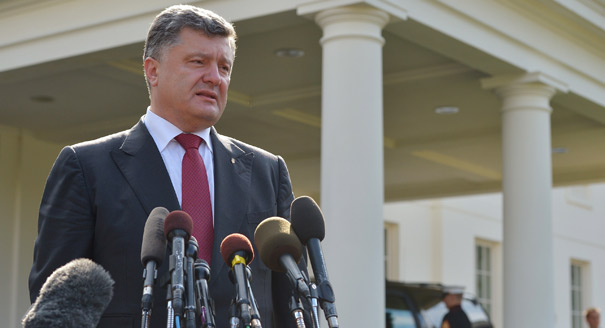
Ukrainian President Petro Poroshenko told a rare joint session of Congress today that the future of NATO and peace in Europe depends on U.S. help for Ukrainian soldiers responding to Russia aggression. Speaking on KCRW, Carnegie’s Andrew S. Weiss analyzed Poroshenko’s visit to Washington in light of the tenuous ceasefire brokered on September 12 in Minsk, the simultaneous ratification of the European Association Agreement on September 16, and the recent proposals to grant “special status” to certain regions in Donetsk and Luhansk.
Weiss argued that despite all appearances, the United States and Ukraine are not on the same page with regard to resolving the conflict. While Ukraine seeks lethal aid like anti-tank weapons, the West understands that “no amount of U.S. military assistance in this kind of military environment is going to fix the strategic imbalance between Ukraine and Russia.”
He explained that in light of the growing instability in the Middle East, bolstering Ukraine is important, but not crucial to the Obama administration. According to Weiss, conflict resolution on this scale requires heavy international involvement, but what the West is doing in Ukraine looks more like “trying to fix a problem on the cheap.”
James Family Chair, Vice President for Studies
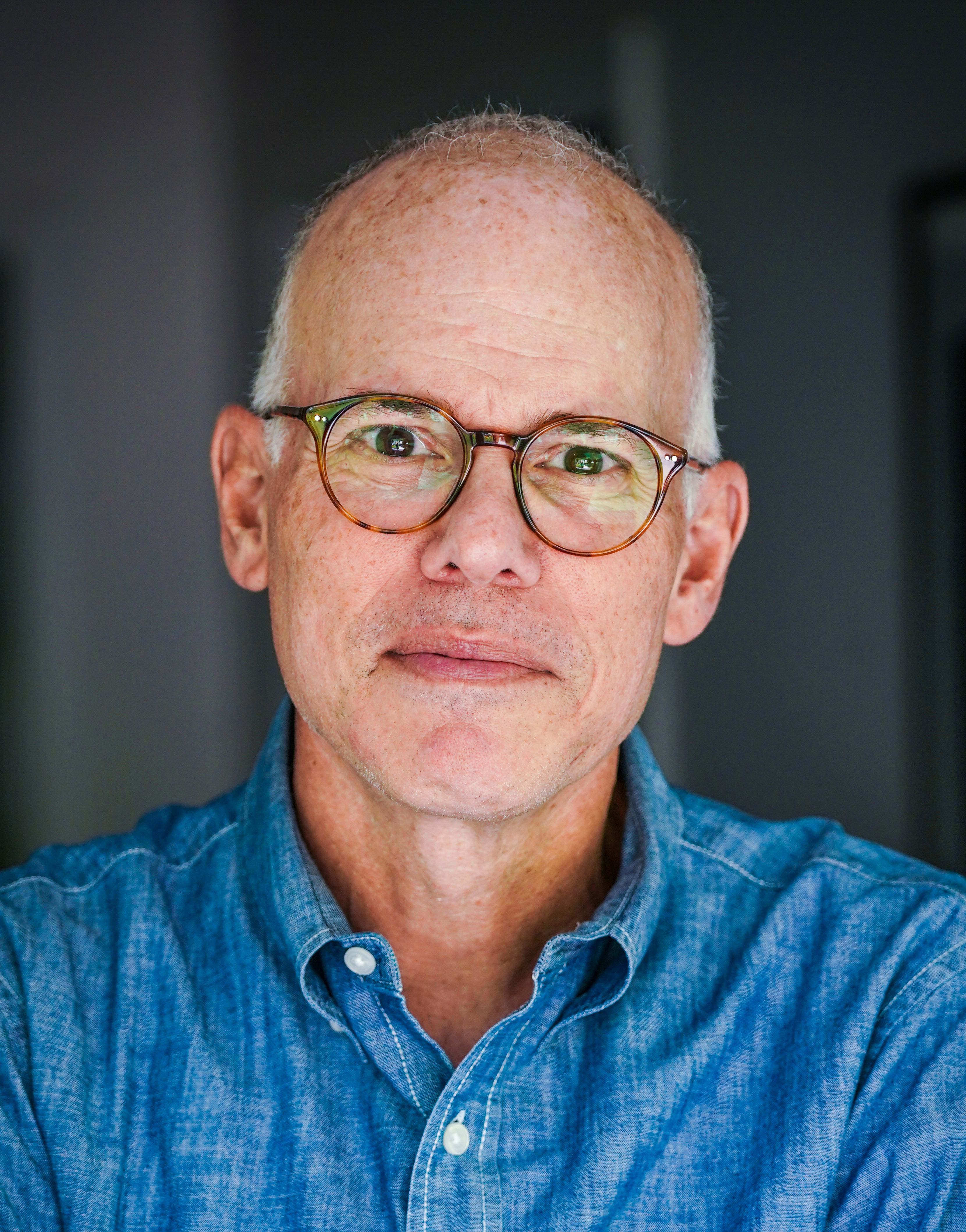
Andrew S. Weiss is the James Family Chair and vice president for studies at the Carnegie Endowment for International Peace, where he oversees research on Russia, Ukraine, and Eurasia. His graphic novel biography of Vladimir Putin, Accidental Czar: the Life and Lies of Vladimir Putin, was published by First Second/Macmillan in 2022.
Recent Work

Dara Massicot, Aaron David Miller, Andrew S. Weiss

Frances Z. Brown, Nate Reynolds, Priyal Singh, …
Carnegie does not take institutional positions on public policy issues; the views represented herein are those of the author(s) and do not necessarily reflect the views of Carnegie, its staff, or its trustees.

Despite a new textbook, an influx of Russian teachers and managers, and an end to the teaching of Ukrainian, the Kremlin is unlikely to have “reprogrammed” locals.

Konstantin Skorkin

For every ruble allocated to social policy, health, and education in 2027, double that amount is earmarked for the army, the police, and the security services.

Alexandra Prokopenko

Cargo traffic through Russia’s Northern Sea Route has increased because of the disruption caused by the conflict in the Middle East, the Ukraine war, and U.S.-China tensions.

Mikhail Korostikov
An analysis of traffic accident data suggests that Ukrainian drone attacks caused a material but not disastrous fall in Russian gasoline consumption over the summer.

Sergey Vakulenko

Sergei Kiriyenko used Russia’s parliamentary vote to further hone his strategy of corporate mobilization that is designed to maximize votes for United Russia.

Andrey Pertsev