

Commentary
When faced with fuel shortages in the past, Central Asian governments could always count on additional supplies from Moscow. That safety net no longer exists.
Galiya Ibragimova
{
  "authors": [
    "David Livingston",
    "World Energy Council’s Future Energy Leaders"
  ],
  "type": "other",
  "centerAffiliationAll": "dc",
  "centers": [
    "Carnegie Endowment for International Peace"
  ],
  "collections": [],
  "englishNewsletterAll": "ctw",
  "nonEnglishNewsletterAll": "",
  "primaryCenter": "Carnegie Endowment for International Peace",
  "programAffiliation": "SCP",
  "programs": [
    "Sustainability, Climate, and Geopolitics"
  ],
  "projects": [],
  "regions": [
    "North America",
    "South America"
  ],
  "topics": [
    "Climate Change"
  ]
}
Source: Getty
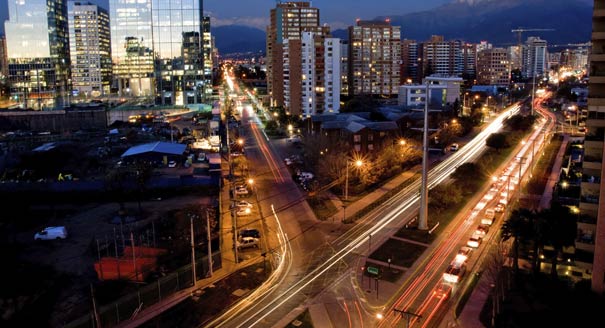
Consumers in Latin America and the Caribbean are sending a strong signal to decisionmakers that a transition to an alternative transport fuel future is not only warranted, but desirable.
Source: World Energy Council
Demand-side solutions are increasingly recognised as fundamental to securing a sustainable energy future. However, a lack of empirical research around consumer perspectives presents a challenge to identifying which demand-side solutions could have most traction and how best they should be implemented. To begin addressing this issue, the World Energy Council’s community of Future Energy Leaders (FELs) conducted a global survey of more than 2,500 respondents providing insight into consumer attitudes and behaviours associated with alternative transport fuels.
With particular relevance for policymakers, vehicle manufacturers, fuel providers and urban planners, these findings demonstrate the level of appetite – and need – for policies that promote the uptake of alternative transport fuels in different countries and regions.
This report provides a deep-dive analysis of the survey results from the Latin American and the Caribbean (LAC) region. The analysis supports the following key findings:This report shows that awareness of, and willingness to pay for, alternative transport fuels is relatively high in the LAC region. Consumers are sending a strong signal to decision makers that a transition to an alternative transport fuel future is not only warranted, but desirable.
Whilst awareness and willingness to pay is relatively high, potential solutions are less well defined. The findings of this report suggest a range of potential actions that could improve the uptake of alternative transport fuels. Solutions will need to be regionally and nationally tailored and should be undertaken by a range of stakeholders including policymakers, urban planners, vehicle manufacturers and transport fuel providers.
The FEL Taskforce believe that the recommendations identified in this report (a selection is noted below) will serve as a catalyst to speed-up the necessary transition to an alternative transport fuel future - and thus contribute to energy trilemma goals.
Former Associate Fellow, Energy and Climate Program
Livingston was an associate fellow in Carnegie’s Energy and Climate Program, where his research focuses on emerging markets, technologies, and risks.
World Energy Council’s Future Energy Leaders
Carnegie does not take institutional positions on public policy issues; the views represented herein are those of the author(s) and do not necessarily reflect the views of Carnegie, its staff, or its trustees.

When faced with fuel shortages in the past, Central Asian governments could always count on additional supplies from Moscow. That safety net no longer exists.

Galiya Ibragimova
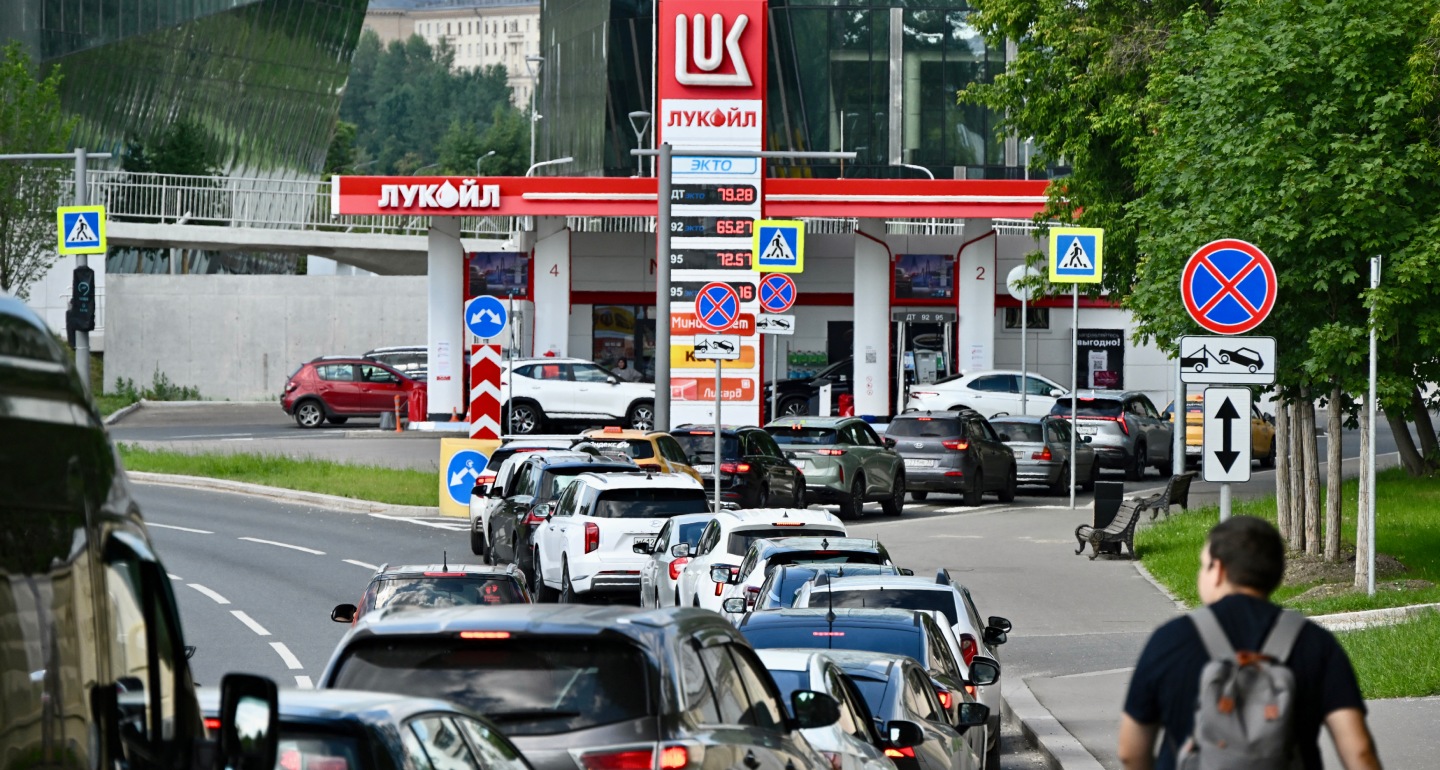
Official discussions about mini oil refineries are unlikely to come to anything—but the mere fact they’re happening reveals the regime is failing to deliver a functioning economy.

Sergey Vakulenko
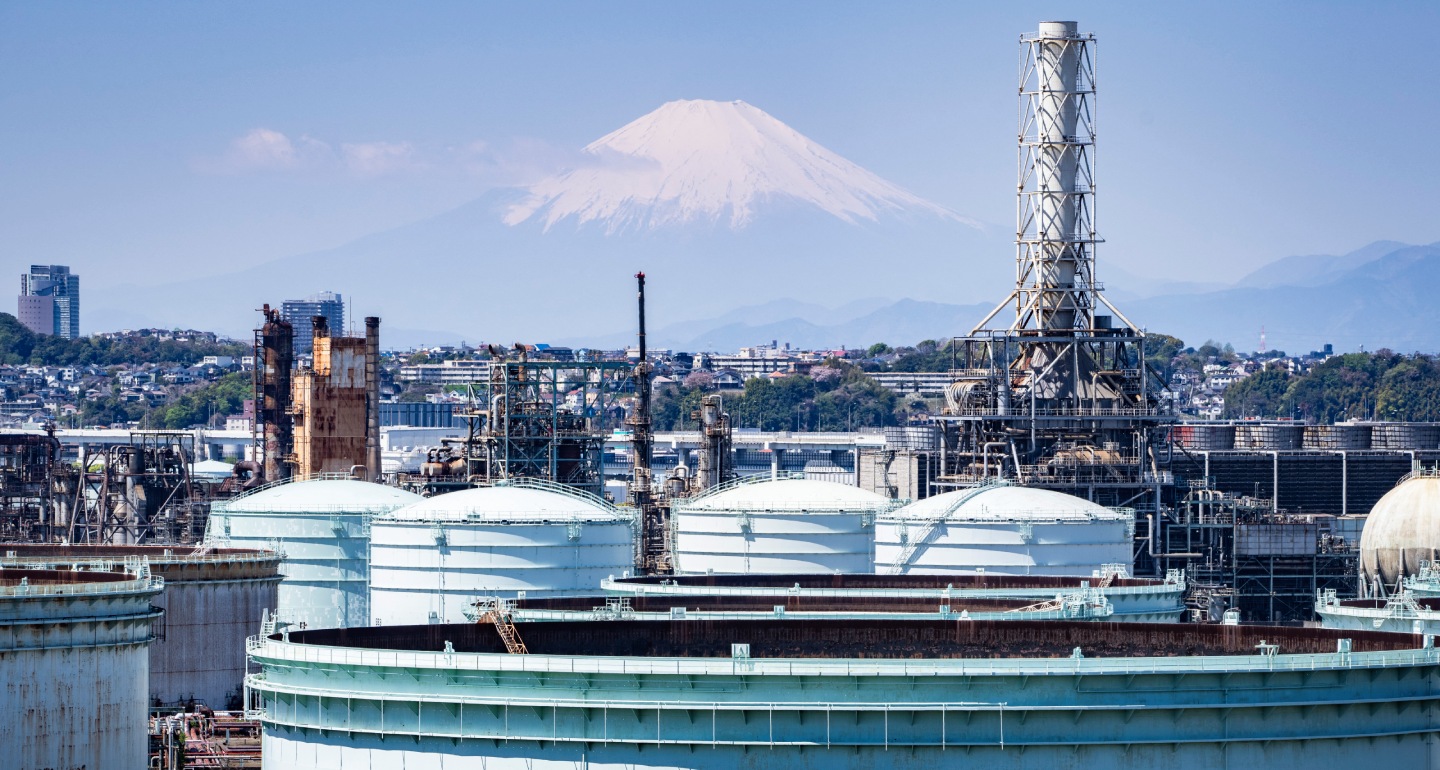
Tokyo would have to surmount a lot of obstacles—not least Western sanctions—if it wanted to return Russian oil imports to even modest pre-2022 volumes.

Vladislav Pashchenko

Powerful lobbyists and inertia led to Russia’s coal-mining sector missing an excellent opportunity to solve its structural problems.
Alexey Gusev
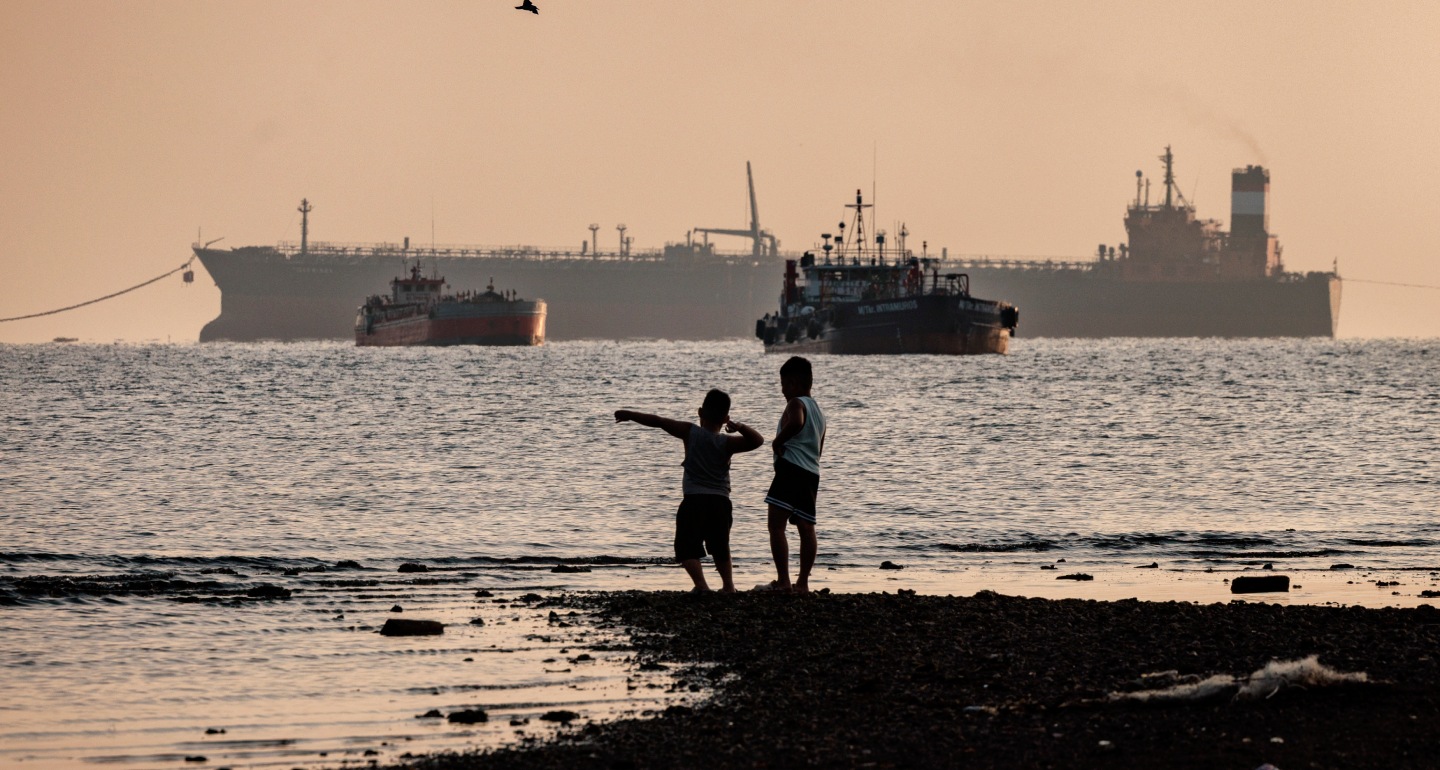
Although Ukrainian strikes have led to a noticeable decline in the physical volume of Russian oil exports, the rise in prices has more than made up for it.
Sergey Vakulenko