

Commentary
Frederic Wehrey, Charles H. Johnson
{
  "authors": [
    "Frederic Wehrey"
  ],
  "type": "legacyinthemedia",
  "centerAffiliationAll": "dc",
  "centers": [
    "Carnegie Endowment for International Peace"
  ],
  "collections": [],
  "englishNewsletterAll": "menaTransitions",
  "nonEnglishNewsletterAll": "",
  "primaryCenter": "Carnegie Endowment for International Peace",
  "programAffiliation": "MEP",
  "programs": [
    "Middle East"
  ],
  "projects": [],
  "regions": [
    "Middle East",
    "Iraq",
    "Syria"
  ],
  "topics": [
    "Security",
    "Foreign Policy"
  ]
}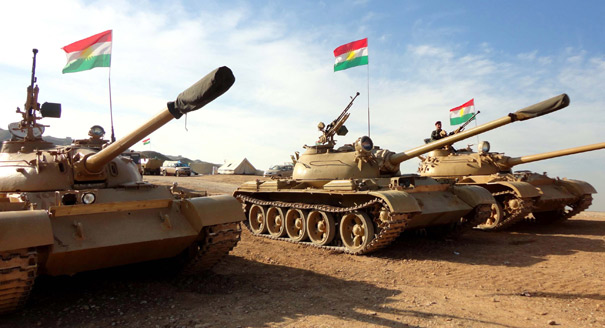
Source: Getty
Kobani is a town of incredible significance for the Syrian and Turkish Kurds, but looking at its strategic significance to U.S. strategy, it appears secondary.
Source: WHYY Radio Times
Speaking to WHYY Radio Times, Carnegie’s Frederic Wehrey said that the Islamic State controls a lot of territory in Iraq and Syria because of a combination of their own proficiency and the disarray of their opponents. This group has been in operation in different permutations for quite a while, he continued, and has built up a cadre of expertise. They benefit from massive defections of former Iraqi army officers and have captured advances weaponry, armored vehicles, and artillery. But more importantly, they’ve tapped into the grievances of the population where they’ve come in, specifically with the Sunnis in Western Iraq, Wehrey argued.
Kobani is a town of incredible significance for the Syrian and Turkish Kurds, he said, but looking at its strategic significance to U.S. strategy, it appears secondary. A lot of U.S. efforts are being poured into defeating and degrading ISIS in Iraq. “The fall of Kobani would have significant political affects for what’s happening inside Turkey, with Turkey’s problems with its own Kurdish population, with the PKK,” Wehrey contended. The principle concern among the Arab states that have joined the coalition against the Islamic State is that attacking it will basically create a vacuum that will benefit the Syrian regime of Bashar al-Assad.

Senior Fellow, Middle East Program
Frederic Wehrey is a senior fellow in the Middle East Program at the Carnegie Endowment for International Peace, where his research focuses on governance, conflict, and security in Libya, North Africa, and the Persian Gulf.
Recent Work
Frederic Wehrey, Charles H. Johnson

Frances Z. Brown, Nate Reynolds, Priyal Singh, …
Carnegie does not take institutional positions on public policy issues; the views represented herein are those of the author(s) and do not necessarily reflect the views of Carnegie, its staff, or its trustees.
Troubled by the growing salience of nuclear debates in East Asia, Moscow has responded in its usual way: with condemnation and threats. But by exacerbating insecurity, Russia is forcing South Korea and Japan to consider radical security options.

James D.J. Brown
After four years of war, there is no one who can stand up to the security establishment, and President Vladimir Putin is increasingly passive.

Tatiana Stanovaya
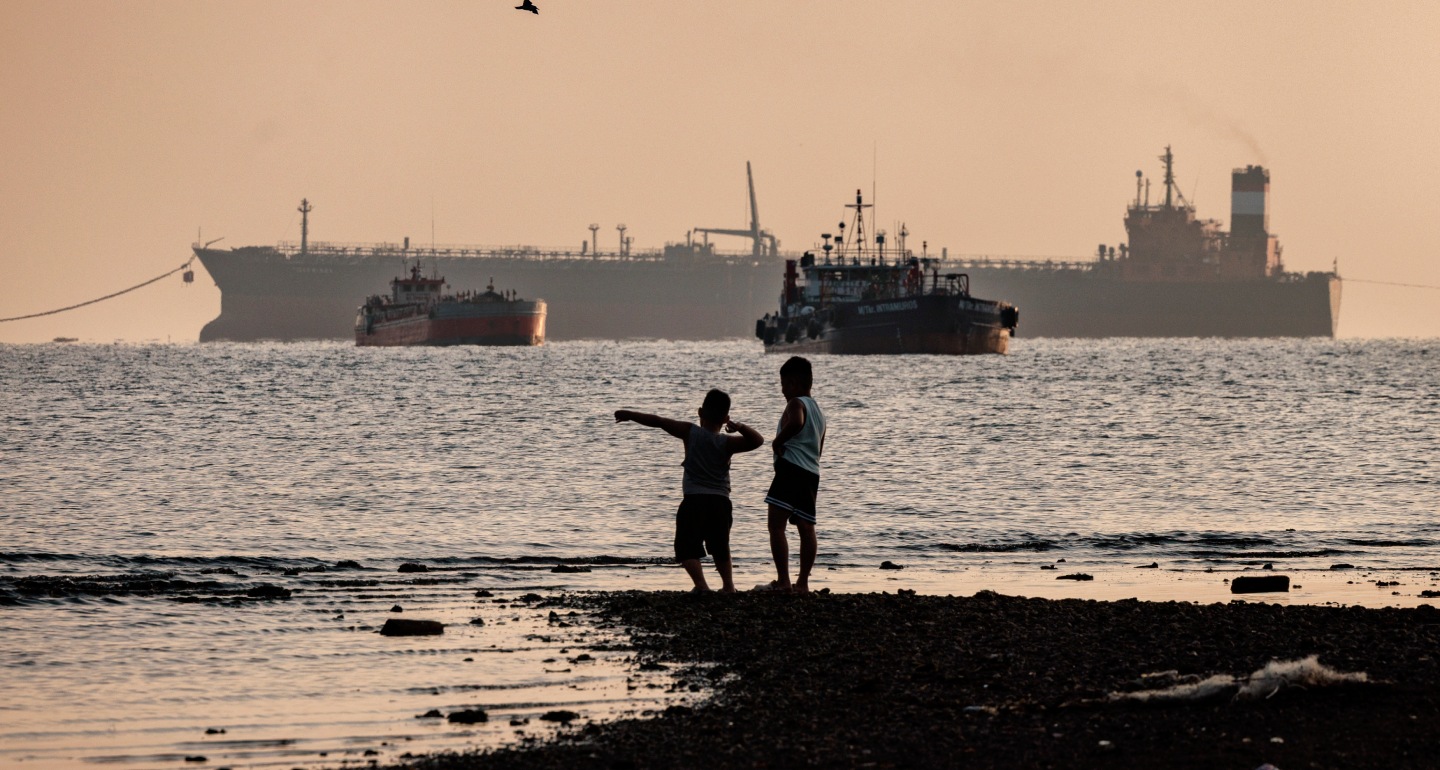
Although Ukrainian strikes have led to a noticeable decline in the physical volume of Russian oil exports, the rise in prices has more than made up for it.

Sergey Vakulenko
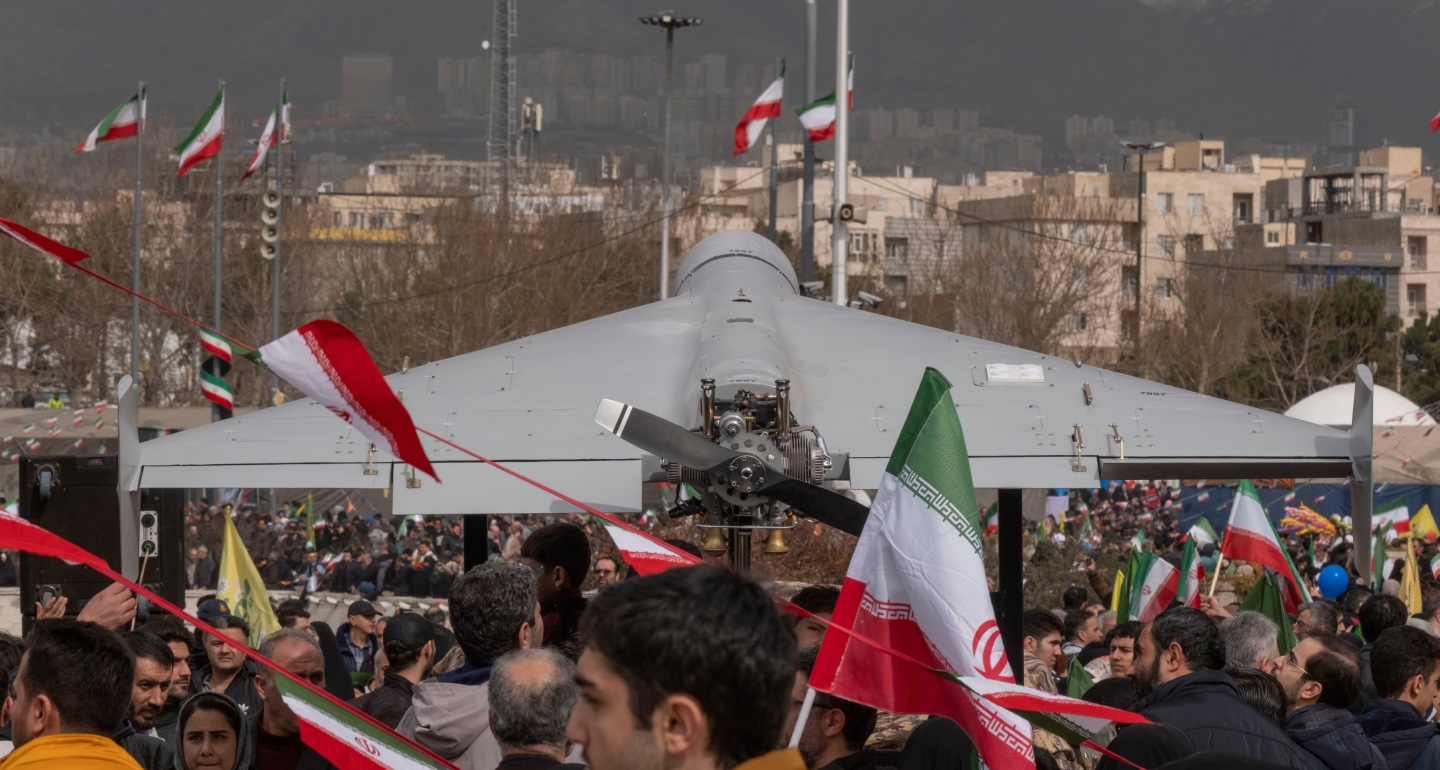
The Russian leadership wants to avoid a dangerous precedent in which it is squeezed out of Iran by the United States and Israel—and left powerless to respond in any meaningful way.

Nikita Smagin
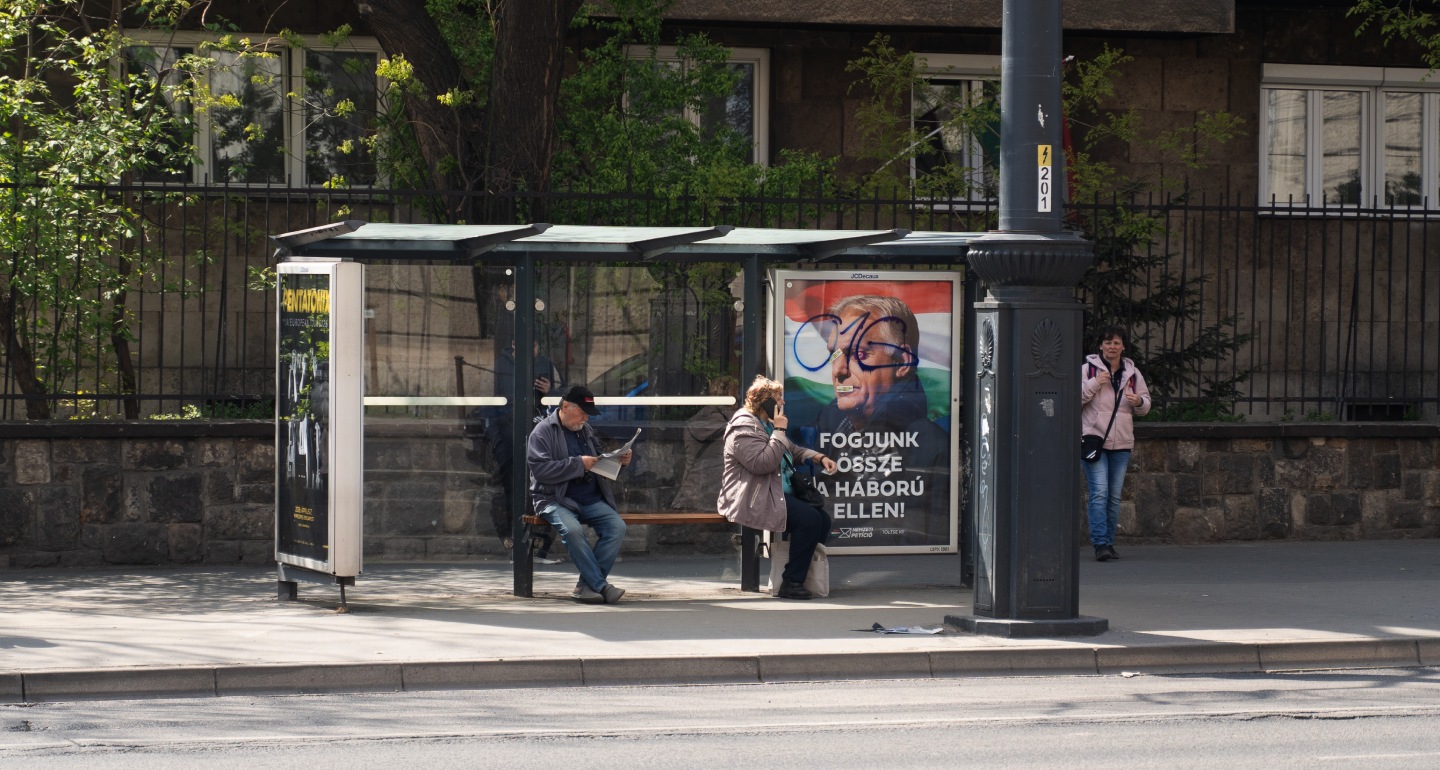
Orbán created an image for himself as virtually the only opponent of aid to Ukraine in the entire EU. But in reality, he was simply willing to use his veto to absorb all the backlash, allowing other opponents to remain in the shadows.
Maksim Samorukov