

Commentary
Sarah Chayes
{
  "authors": [
    "Sarah Chayes"
  ],
  "type": "legacyinthemedia",
  "centerAffiliationAll": "dc",
  "centers": [
    "Carnegie Endowment for International Peace",
    "Malcolm H. Kerr Carnegie Middle East Center"
  ],
  "collections": [
    "Anti-Corruption"
  ],
  "englishNewsletterAll": "democracy",
  "nonEnglishNewsletterAll": "",
  "primaryCenter": "Carnegie Endowment for International Peace",
  "programAffiliation": "DCG",
  "programs": [
    "Democracy, Conflict, and Governance"
  ],
  "projects": [],
  "regions": [
    "Middle East",
    "North Africa",
    "Southern, Eastern, and Western Africa",
    "South Asia",
    "East Asia",
    "Central Asia",
    "Caucasus",
    "Eastern Europe",
    "Gulf",
    "Levant"
  ],
  "topics": [
    "Security",
    "Democracy",
    "Military"
  ]
}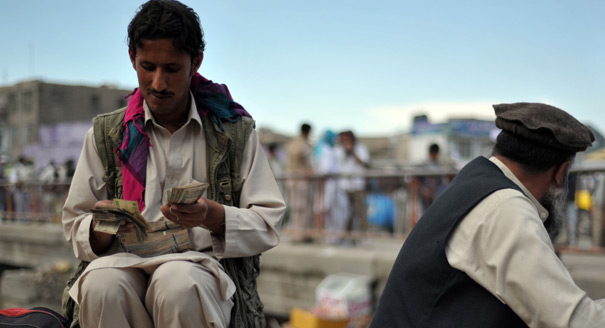
Source: Getty
Corruption acts as a thread tying recent frightening international security crises together.
Source: WAMC Northeast Public Radio
The world is blowing up. Every day a new blaze seems to ignite: the bloody implosion of Iraq and Syria; the East-West standoff in Ukraine; abducted schoolgirls in northern Nigeria. Is there some thread tying these frightening international security crises together?
In a riveting account that weaves history with fast-moving reportage and insider accounts from the Afghanistan war, Sarah Chayes identifies the unexpected link - corruption - in her book, Thieves of State: Why Corruption Threatens Global Security.
This interview was originally broadcast on WAMC Northeast Public Radio.
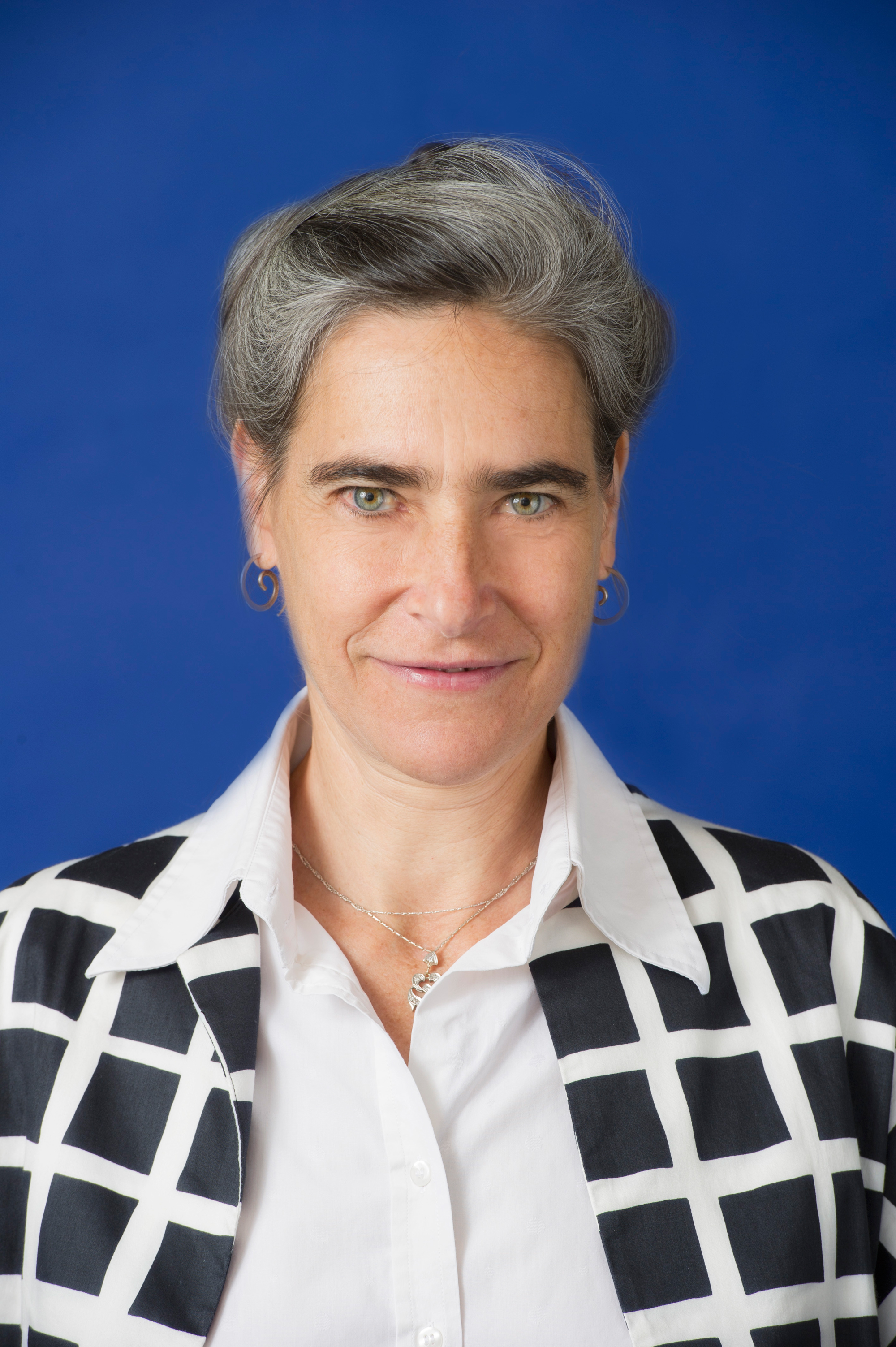
Former Senior Fellow, Democracy, Conflict, and Governance Program
Sarah Chayes is internationally recognized for her innovative thinking on corruption and its implications. Her work explores how severe corruption can help prompt such crises as terrorism, revolutions and their violent aftermaths, and environmental degradation.
Recent Work
Sarah Chayes
Carnegie does not take institutional positions on public policy issues; the views represented herein are those of the author(s) and do not necessarily reflect the views of Carnegie, its staff, or its trustees.

The European far right might fail to steer EU policy in the direction Russia wants, but they will create enough chaos inside Europe to benefit the Kremlin.

Dimitar Bechev

If the Russian-speaking community in Latvia cannot articulate their interests without being seen as disloyal, they could end up embracing a pro-Kremlin agenda.

Sergejs Potapkins

In the tenth year of his presidency, President Mirziyoyev’s system is becoming even more personalized than that of his predecessor Karimov.

Galiya Ibragimova

With the growth in points of friction between the great powers, organizations like the SCO will continue to play a role in the strategic adaptation of the smaller powers caught between them.

Temur Umarov

When faced with fuel shortages in the past, Central Asian governments could always count on additional supplies from Moscow. That safety net no longer exists.
Galiya Ibragimova