

In The Media
Jessica Tuchman Mathews
{
  "authors": [
    "Jessica Tuchman Mathews"
  ],
  "type": "other",
  "centerAffiliationAll": "",
  "centers": [
    "Carnegie Endowment for International Peace"
  ],
  "collections": [],
  "englishNewsletterAll": "",
  "nonEnglishNewsletterAll": "",
  "primaryCenter": "Carnegie Endowment for International Peace",
  "programAffiliation": "",
  "programs": [],
  "projects": [],
  "regions": [
    "North America",
    "United States"
  ],
  "topics": [
    "Political Reform",
    "Foreign Policy"
  ]
}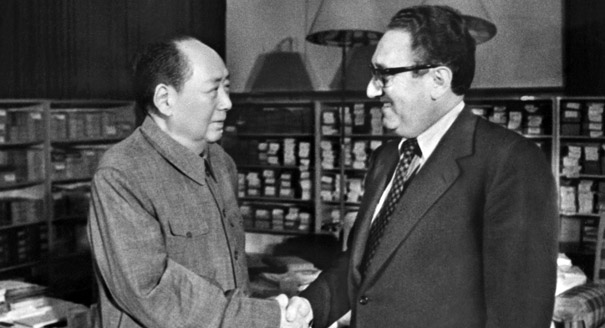
Source: Getty
Almost from the beginning of its history, America has struggled to find a balance in its foreign policy between narrowly promoting its own security and idealistically serving the interests of others.
Source: New York Review of Books
Almost from the beginning of its history, America has struggled to find a balance in its foreign policy between narrowly promoting its own security and idealistically serving the interests of others; between, as we’ve tended to see it in shorthand, Teddy Roosevelt’s big stick and the ideals of Woodrow Wilson. Just as consistently, the US has gone through periods of embracing a leading international role for itself and times when Americans have done all they could to turn their backs on the rest of the world.Two new books now join this never-ending debate: Henry Kissinger’s World Order and America in Retreat by Bret Stephens, a Pulitzer Prize–winning foreign affairs columnist for The Wall Street Journal. Both sound a call for more powerful and more engaged US leadership around the globe. Both Stephens and Kissinger appear to be worried about a return to isolationism, or at least a more inward-looking American policy, and are doing what they can to head it off. Both offer their own view of the relation between US interests and US values. Stephens’s formula, roughly speaking, is 90 percent interests, 10 percent values, when convenient. Kissinger frames the debate more elegantly as one of power vs. principle, but he often comes down on both sides of the fence.
Read the full text of this article on the New York Review of Books.

Distinguished Fellow
Mathews is a distinguished fellow at the Carnegie Endowment for International Peace. She served as Carnegie’s president for 18 years.
Recent Work
Jessica Tuchman Mathews
Jessica Tuchman Mathews
Carnegie does not take institutional positions on public policy issues; the views represented herein are those of the author(s) and do not necessarily reflect the views of Carnegie, its staff, or its trustees.

The greater threat to Zelensky comes not from Fedorov alone, but from the convergence between the former defense minister’s political campaign and the anti-corruption investigations moving ever closer to the presidential administration.

Balázs Jarábik
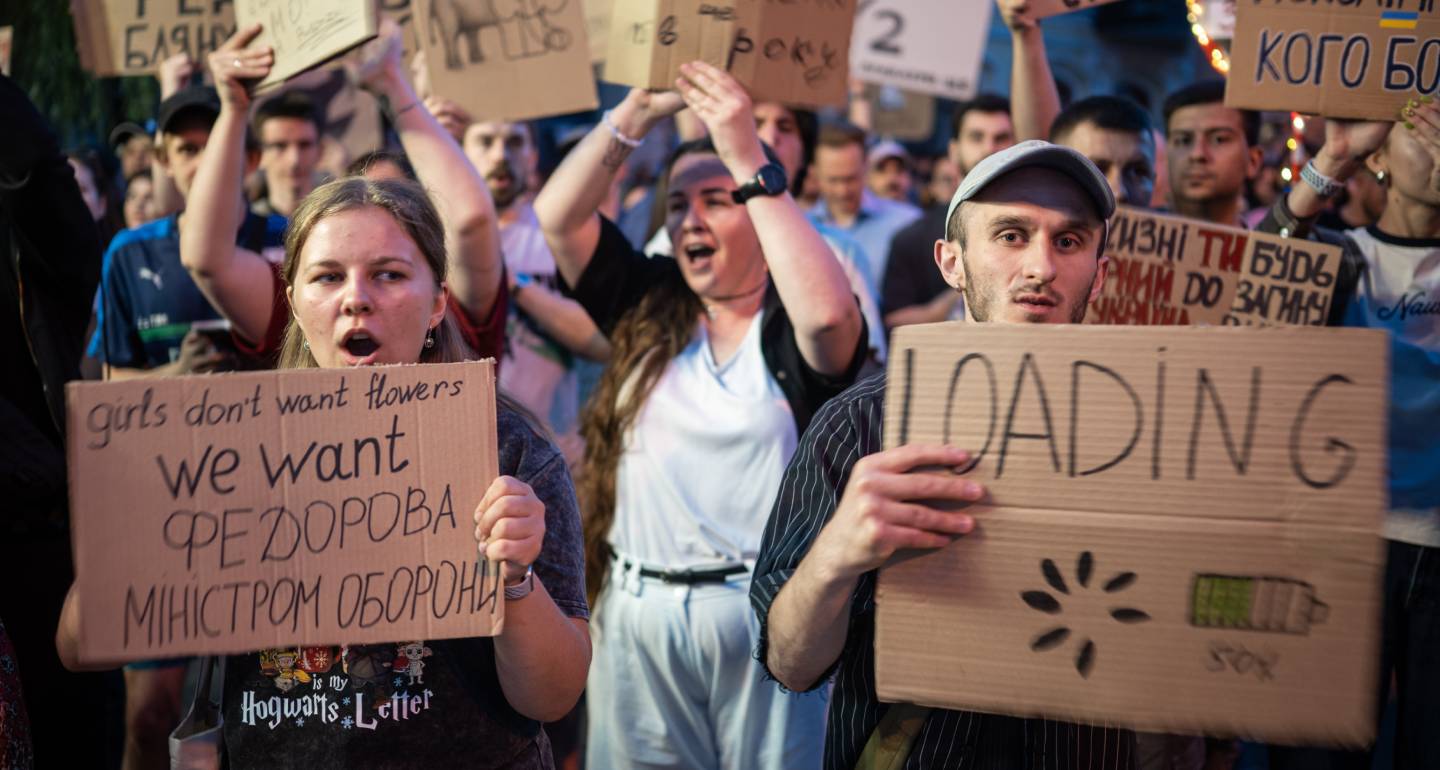
With his public call for new elections in Ukraine, ex-defense minister Mykhailo Fedorov has opened Pandora’s box.

Konstantin Skorkin

In the discussions made possible by the State Duma election campaign, one question is being asked more and more loudly. “What next?”

Andrey Pertsev

When faced with fuel shortages in the past, Central Asian governments could always count on additional supplies from Moscow. That safety net no longer exists.

Galiya Ibragimova

Two divergent trends—Putin’s hardline vision of how to prosecute the war in Ukraine, and a growing desire for change in Russia—could tear the regime apart.

Tatiana Stanovaya