

Article
C. Raja Mohan, Darshana M. Baruah
{
  "authors": [
    "C. Raja Mohan"
  ],
  "type": "legacyinthemedia",
  "centerAffiliationAll": "dc",
  "centers": [
    "Carnegie Endowment for International Peace",
    "Carnegie India"
  ],
  "collections": [],
  "englishNewsletterAll": "ctw",
  "nonEnglishNewsletterAll": "",
  "primaryCenter": "Carnegie India",
  "programAffiliation": "SAP",
  "programs": [
    "South Asia"
  ],
  "projects": [],
  "regions": [
    "South Asia",
    "India"
  ],
  "topics": []
}
Source: Getty
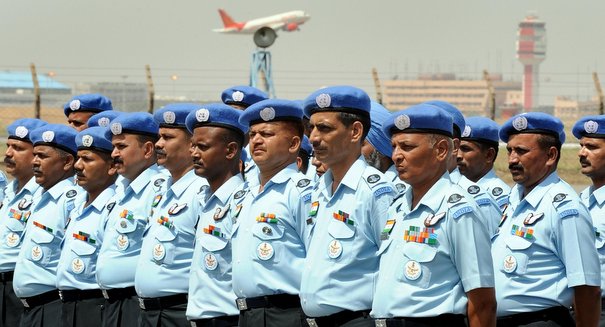
The time has come for political India to put the second World War in its proper historical context and celebrate the extraordinary contributions of the Indian people in defeating fascism and making of the modern world order.
Source: Indian Express
Little noticed in the joint statement issued by External Affairs Minister Sushma Swaraj earlier this week in Beijing along with her Chinese and Russian counterparts was a brief paragraph urging all nations to mark the 70th anniversary of Allied victory in the Second World War.
On the face of it, the sentiment seems entirely unexceptionable. Not quite. While Russia and China see the Second World War as a defining moment in their national histories, the political leadership of independent India has tended to dissociate itself from the commemorations despite the massive contribution of its people to the war.
It is therefore welcome that India, along with Russia and China, chose to pay “tribute to all those who fought against Fascism and freedom”. “Russia, India and China affirmed the need to solemnly commemorate those historic moments of great significance in human history”, the three ministers added.For Russia, the victory over fascist Germany in the second world war is a sacred national memory. For Beijing the Second World War is about the liberation of China from Japanese imperialism.
For both Russia and China, their special position in the international system as permanent members of the United Nations Security Council comes from their participation in the victorious coalition against fascist powers. Moscow and Beijing also won special concessions as great powers in the post war territorial settlements of of Europe and Asia.
The Indian national movement, however, had a problem. It was deeply divided on how to deal with the Second World War and the rapidly shifting alliances among the great powers. For Russia and China, the Allied war against fascism coincided with their national struggle against foreign occupiers—Germany and Japan respectively.
India, however, was torn between ousting the British Raj and joining the larger cause of defeating fascism. The Indian National Congress, refused to back the British war effort after negotiations with the Raj on the terms of support collapsed. Unlike the Congress, the Muslim League did not obstruct the Indian effort and won much support for the idea of Pakistan during the war.
The Indian communists tacked themselves to Soviet Russia’s shifting positions in the war. The called it an “inter-imperialist war” when it broke out in 1939. After Germany attacked Soviet Union in 1941, the Communist Party of India changed the tune, called it people’s war and fully collaborated with the British Raj in the war effort against fascism.
A section of the national movement led by Subhas Chandra Bose, chose to ally with the Germans and Japanese and formed the Indian National Army in the quest to oust the British colonial rulers from India.
The Raj of course mobilised all the resources of the undivided subcontinent in the war against Germany and Japan. The Indian army saw action on fronts ranging from Italy and North Africa to East Africa, the Middle East and the Far East.
In South-East Asia alone, 700,000 Indian troops joined the effort to oust Japanese armies from Burma, Malaya and Indo-China. By the time the war ended, the Indian army numbered a massive 2.5 million men, the largest all-volunteer force the world had ever seen.
Thanks to the incoherent Indian nationalist response to the war, it got few rewards in the peace settlement that followed. Given its decisive contribution to the war, India should have been permanent member of the United Nations Security Council.
If the world rapidly forgot about the Indian role in the Second World War, independent India did a lot worse. Its political leaders trivialised the war by dismissing it a colonial enterprise.
Seventy years later, the time has come for political India to put the war in its proper historical context and celebrate the extraordinary contributions of the Indian people in defeating fascism and making of the modern world order.
This article was originally published in the Indian Express.
Former Nonresident Senior Fellow, Carnegie India
A leading analyst of India’s foreign policy, Mohan is also an expert on South Asian security, great-power relations in Asia, and arms control.
Recent Work

C. Raja Mohan, Darshana M. Baruah


Alexander Gabuev, Paul Haenle, C. Raja Mohan, …
Carnegie does not take institutional positions on public policy issues; the views represented herein are those of the author(s) and do not necessarily reflect the views of Carnegie, its staff, or its trustees.

The demands of the Kremlin’s war in Ukraine, demographic problems, and public hostility toward Central Asians mean Russia does not have enough workers.
Salavat Abylkalikov
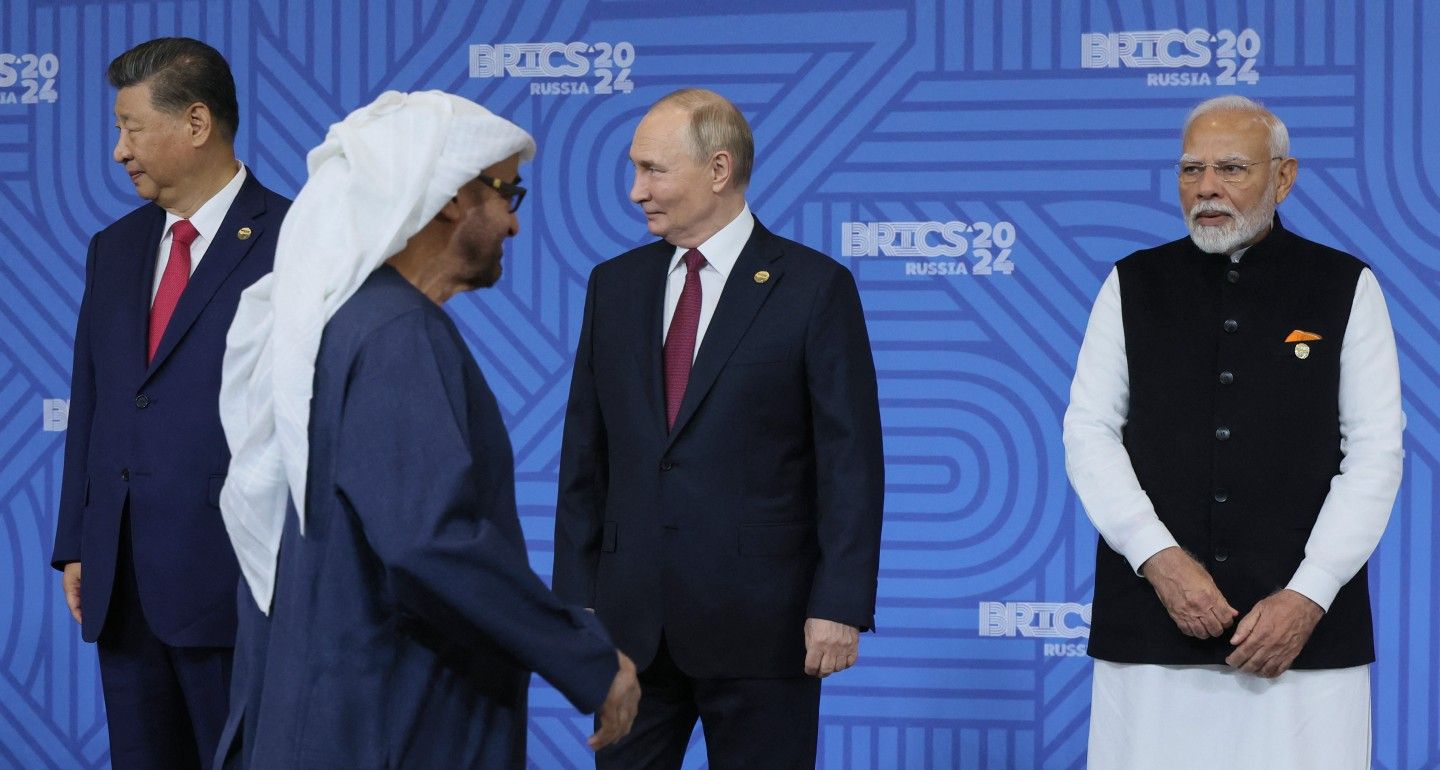
It might seem that within BRICS, Russia should be overshadowed by the giant economies of China and India, especially the former. Yet what is happening is almost the opposite, with Russia effectively taking over the leading role in the club.

Alexander Baunov
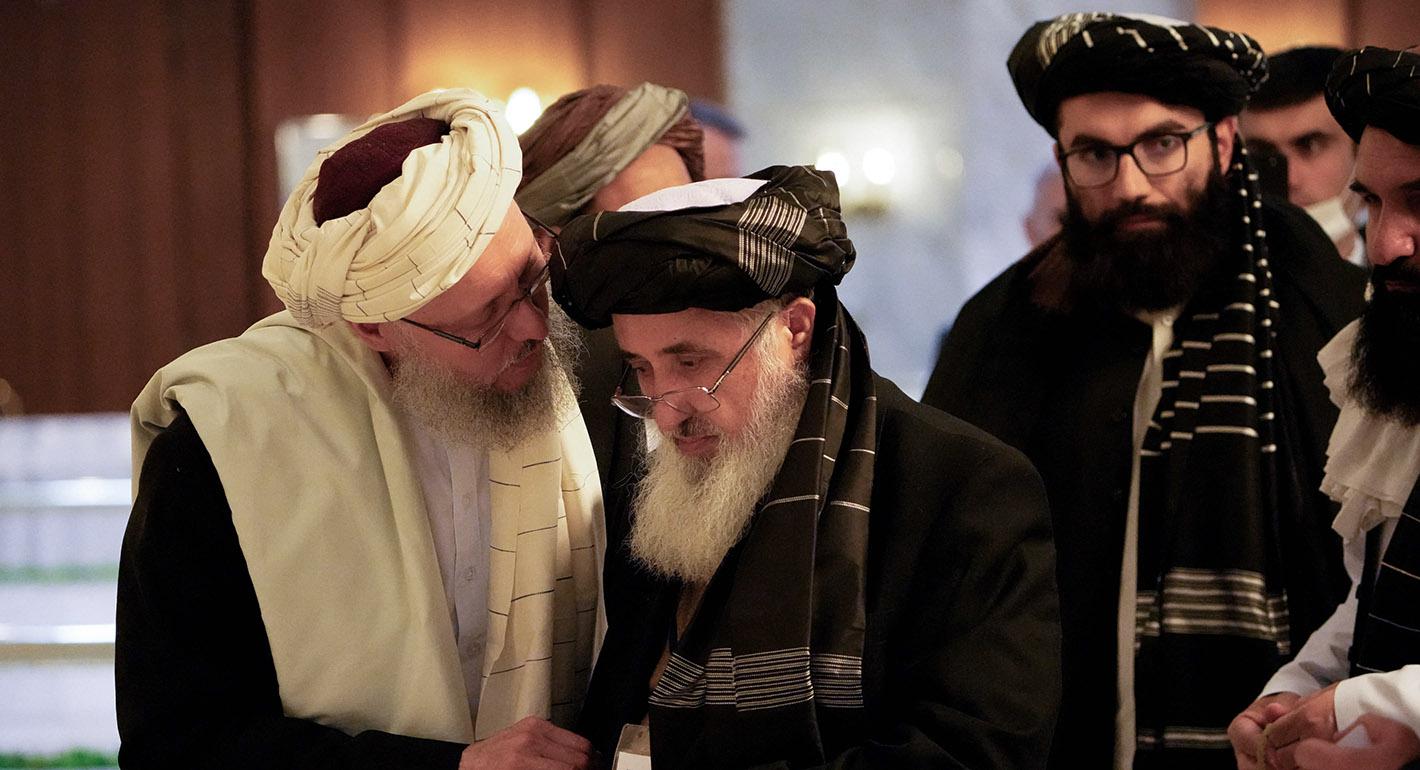
As Russia’s relationship with the West has deteriorated, the Kremlin’s view of the Taliban has changed. But substantive economic cooperation will be hard to achieve.
Ruslan Suleymanov
And how Russia’s war has upended ties in China, Turkey, and the Arctic.


Judy Dempsey, Alexander Gabuev, Rose Gottemoeller, …
Russian-Indian relations are traditionally good. The chemistry between the leaders is excellent, and members of the public are well disposed toward each other. Economic ties have long been stalling, however, and mutual suspicions have recently been creeping in over India’s relations with America, and Russia’s with China. To make the good relationship truly great, Moscow must rethink, adjust, and upgrade its approach to India. Vladimir Putin’s forthcoming visit to New Delhi could be a starting point.
Dmitri Trenin