

Research
- +11
Frances Z. Brown, Nate Reynolds, Priyal Singh, …
{
  "authors": [
    "Frederic Wehrey"
  ],
  "type": "legacyinthemedia",
  "centerAffiliationAll": "dc",
  "centers": [
    "Carnegie Endowment for International Peace",
    "Malcolm H. Kerr Carnegie Middle East Center"
  ],
  "collections": [],
  "englishNewsletterAll": "menaTransitions",
  "nonEnglishNewsletterAll": "",
  "primaryCenter": "Carnegie Endowment for International Peace",
  "programAffiliation": "MEP",
  "programs": [
    "Middle East"
  ],
  "projects": [],
  "regions": [
    "North Africa",
    "Libya",
    "Maghreb"
  ],
  "topics": [
    "Security",
    "Military"
  ]
}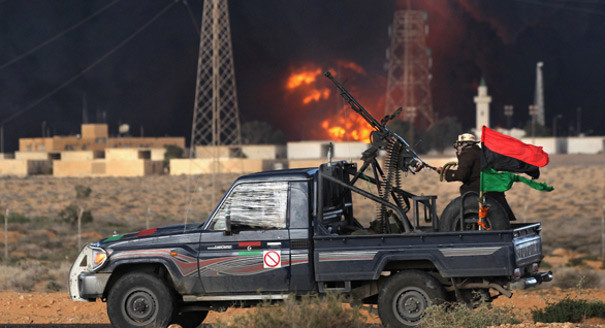
Source: Getty
Frederic Wehrey discusses evidence of the use of cluster munitions as well as the ongoing civil war in Libya.
Source: RFI
During his recent trip to Libya, Frederic Wehrey saw evidence of cluster munitions used against a bank in Libya. The munitions were probably used by the aircraft of the Dignity camp, who obtained the munitions from the former Qaddafi regime in Libya. Preventing the use of the munitions in the future may not be easy as there is an ongoing civil war in Libya with “winner take all” mentality dominating the thinking of the fighting factions.
While both the Dawn and Dignity camps have access to heavy artillery, tanks, and grad rockets the real difference between the weapons of the two sides is that Dignity has more aircraft and has access to munitions for these aircraft from outside of Libya. While Dawn has repaired some aircraft, this side has been flying far less sorties.
But the aircraft on Dignity side, including the ones that have probably used cluster munitions, may not be all that effective. Those aircraft fly and bomb at high altitudes, making them very inaccurate. Also, historical evidence suggests that aircraft alone are not decisive in victory. As the “balance of weakness” continues in Libya, it will be hard to end the ongoing conflict in Libya. This has made the conflict particularly bloody.
Senior Fellow, Middle East Program
Frederic Wehrey is a senior fellow in the Middle East Program at the Carnegie Endowment for International Peace, where his research focuses on governance, conflict, and security in Libya, North Africa, and the Persian Gulf.
Recent Work

Frances Z. Brown, Nate Reynolds, Priyal Singh, …
Charles H. Johnson, Frederic Wehrey
Carnegie does not take institutional positions on public policy issues; the views represented herein are those of the author(s) and do not necessarily reflect the views of Carnegie, its staff, or its trustees.
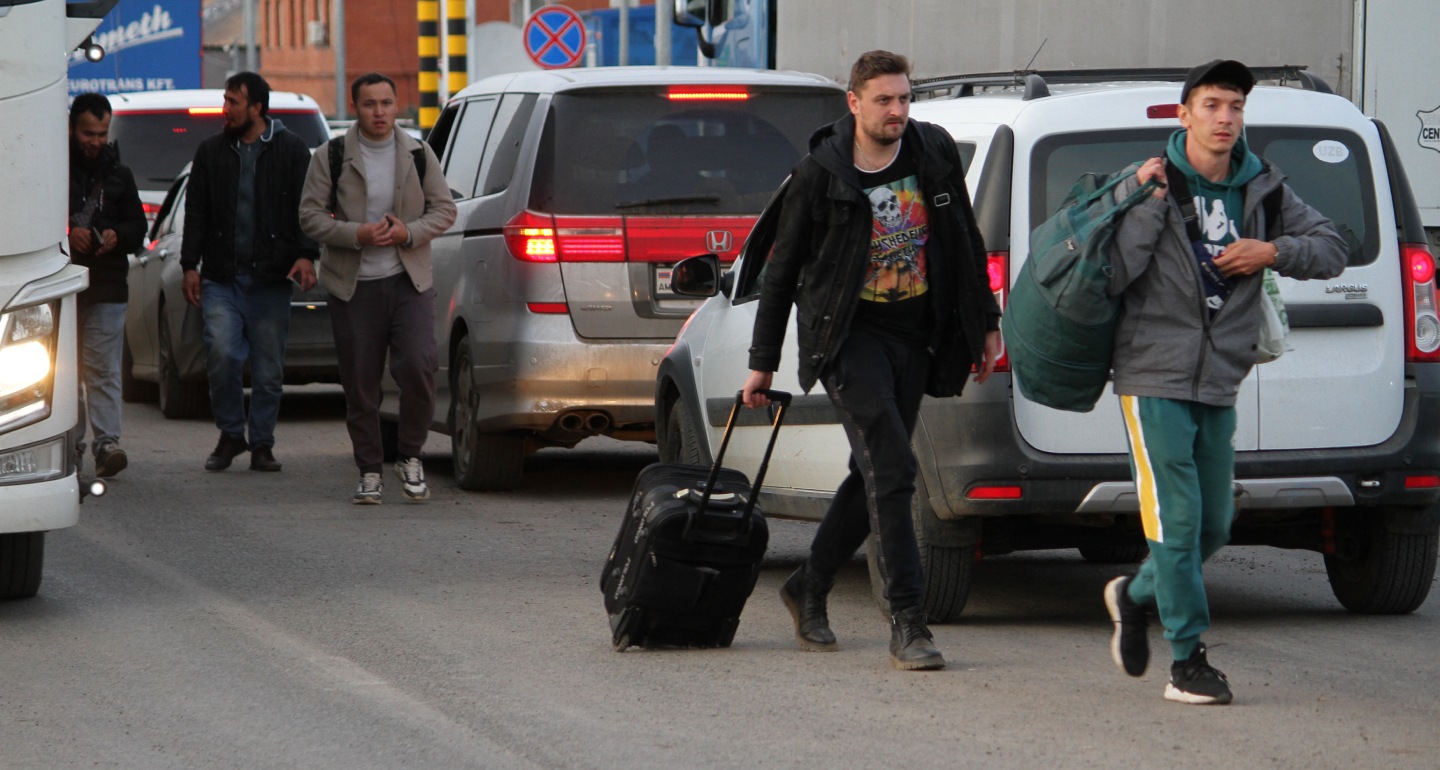
The current U.S. indifference to human rights means Astana no longer has any incentive to refuse extradition requests from its authoritarian neighbors—including Russia.

Temur Umarov
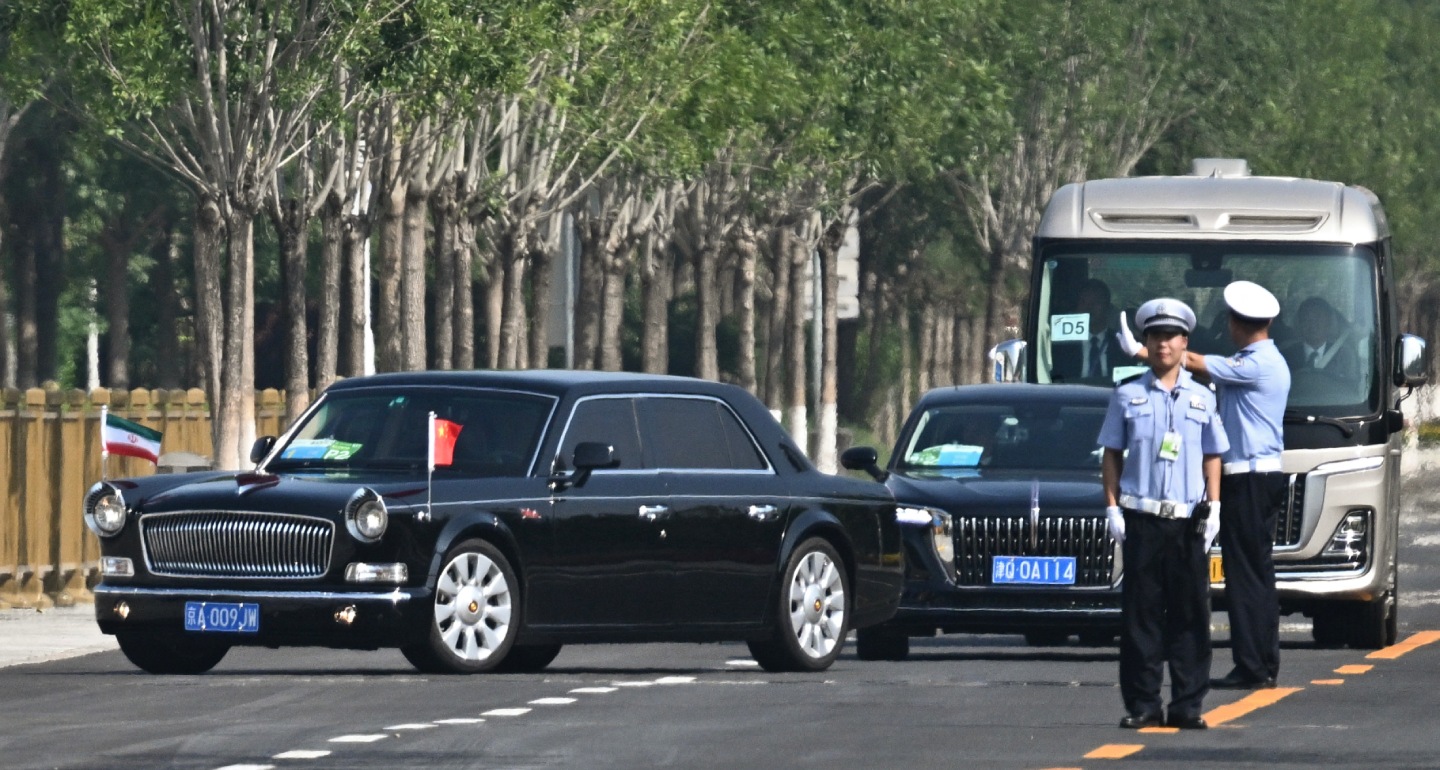
Most of Moscow’s military resources are tied up in Ukraine, while Beijing’s foreign policy prioritizes economic ties and avoids direct conflict.

Alexander Gabuev, Temur Umarov
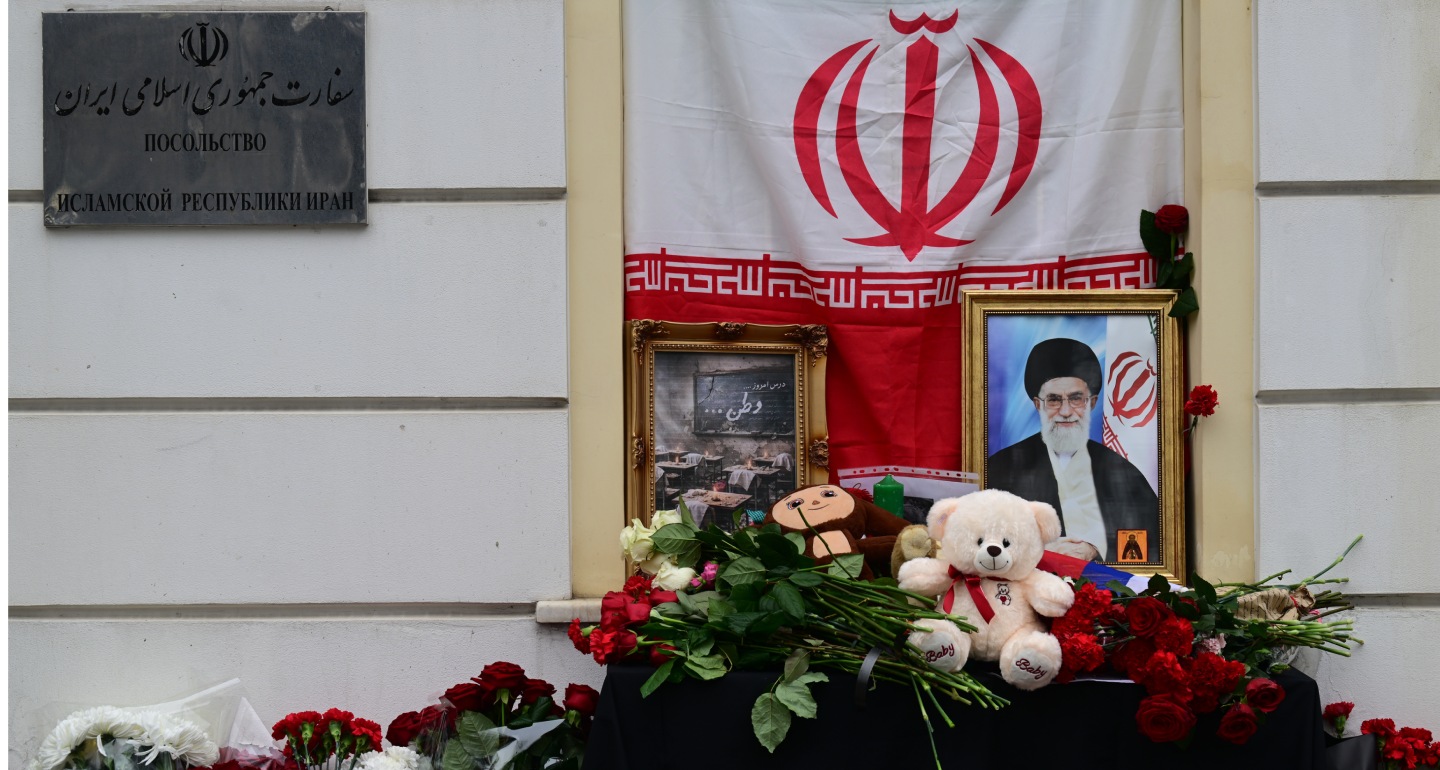
If the regime in Tehran survives, it could be obliged to hand Moscow significant political influence in exchange for supplies of weapons and humanitarian aid.

Nikita Smagin
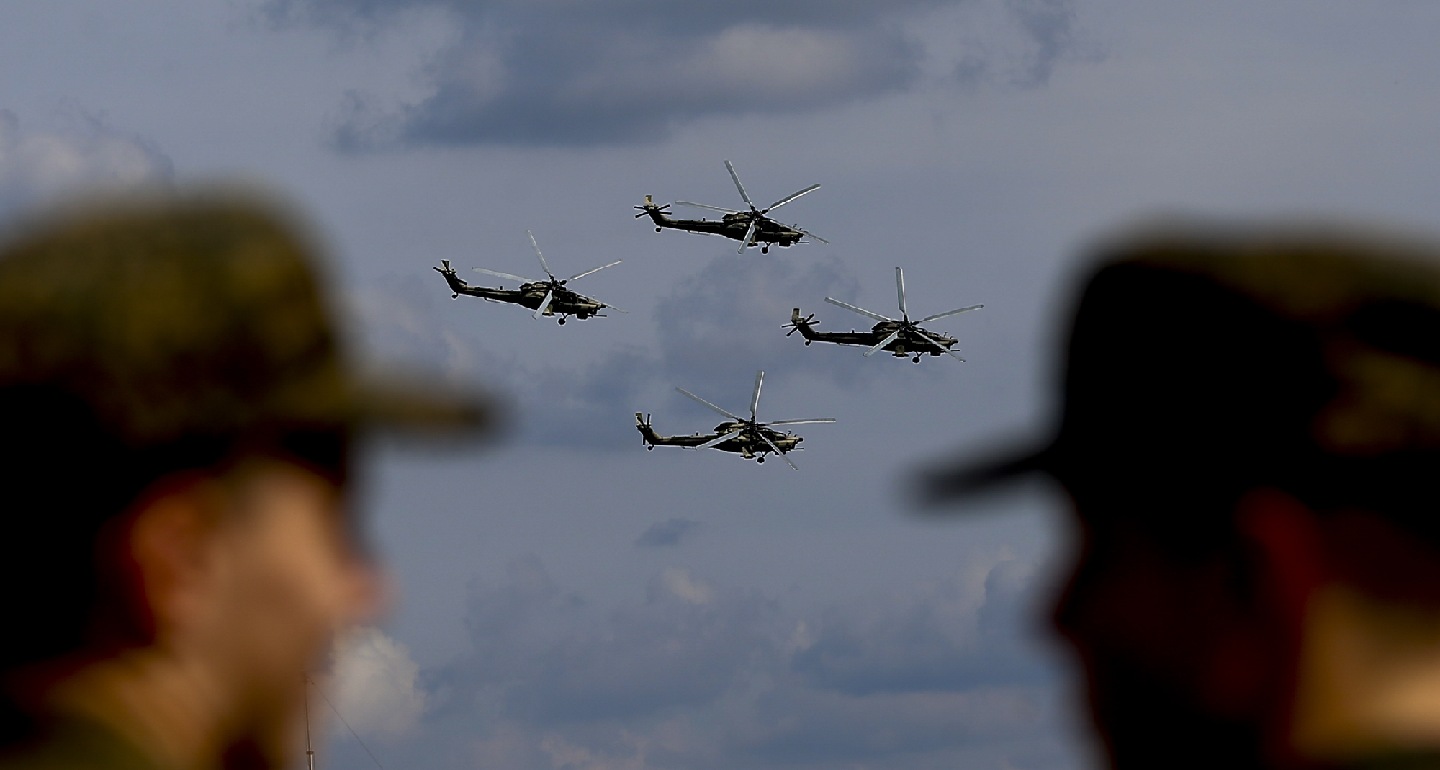
Arms supplies from Russia to Iran will not only continue, but could grow significantly if Russia gets the opportunity.
Nikita Smagin
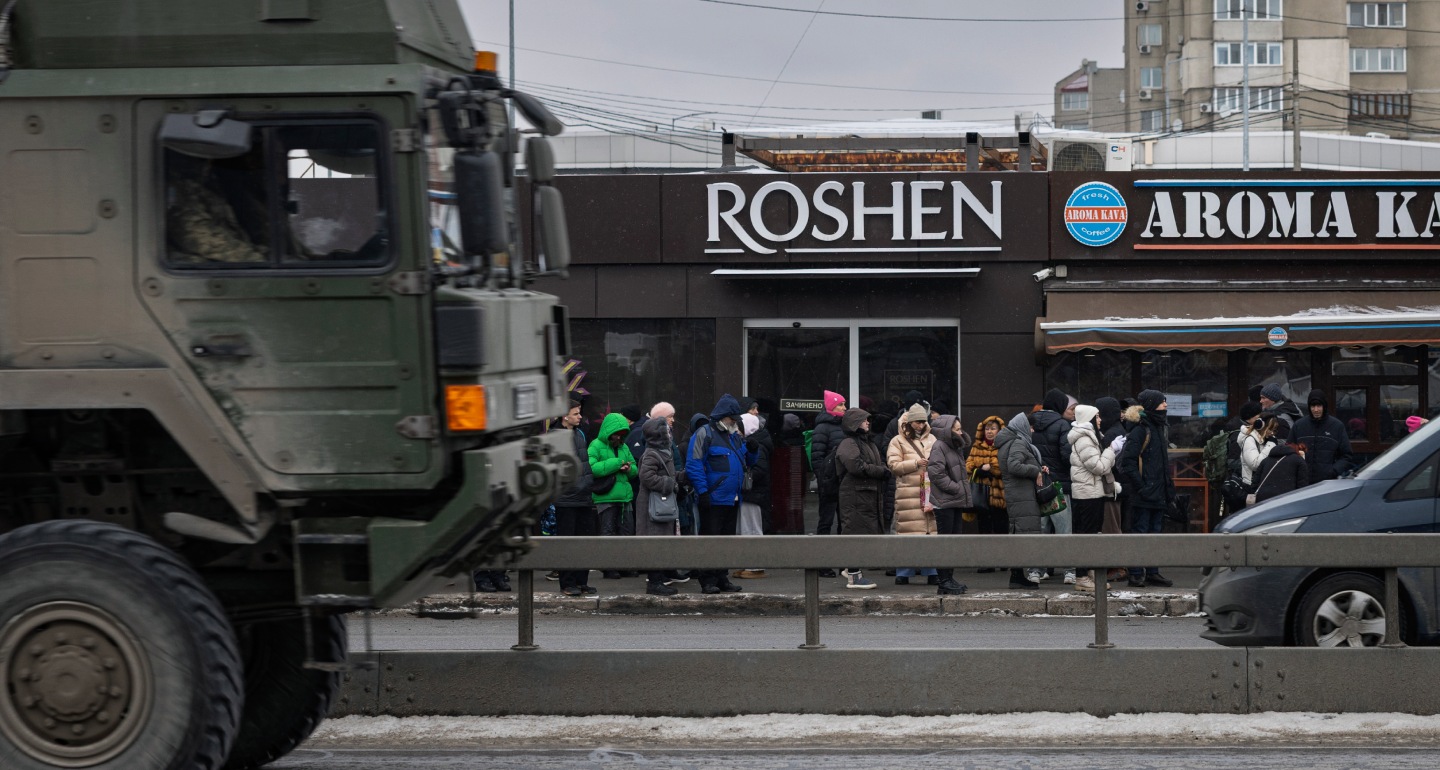
Putin is stalling, waiting for a breakthrough on the front lines or a grand bargain in which Trump will give him something more than Ukraine in exchange for concessions on Ukraine. And if that doesn’t happen, the conflict could be expanded beyond Ukraine.

Alexander Baunov