

Commentary
Thomas de Waal
{
  "authors": [
    "Thomas de Waal"
  ],
  "type": "legacyinthemedia",
  "centerAffiliationAll": "dc",
  "centers": [
    "Carnegie Endowment for International Peace",
    "Carnegie Europe"
  ],
  "collections": [],
  "englishNewsletterAll": "ctw",
  "nonEnglishNewsletterAll": "",
  "primaryCenter": "Carnegie Europe",
  "programAffiliation": "russia",
  "programs": [
    "Russia and Eurasia"
  ],
  "projects": [],
  "regions": [
    "Middle East",
    "Türkiye",
    "Caucasus",
    "Armenia"
  ],
  "topics": []
}
Source: Getty
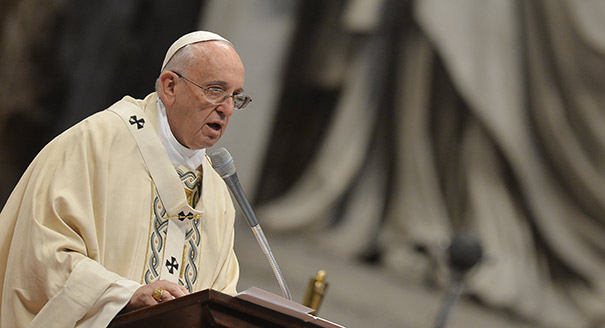
Pope Francis reignited a debate that has smoldered for a hundred years: Whether the deaths of more than a million Armenians were caused by a policy of genocide by the Turks.
Source: WAMU’s Diane Rehm Show
Pope Francis reignited a debate that has smoldered for a hundred years: Whether the deaths of more than a million Armenians were caused by a policy of genocide by the Turks. In a mass on Sunday, the Pope called the massacre “the first genocide of the 20th century.” The Turkish government responded quickly, labeling the pope’s comments unacceptable. Turkey maintains that the death toll was exaggerated, and that many of the Christian Armenians who died in 1915 were the victims of civil war.
Carnegie Endowment Senior Associate Thomas de Waal joined the Diane Rehm Show to discuss why the fate of Armenians in Turkey a century ago remains a passionate issue today.
This interview was originally broadcast on WAMU’s Diane Rehm Show.

Senior Fellow, Carnegie Europe
Thomas de Waal is a senior fellow at Carnegie Europe, specializing in Eastern Europe and the Caucasus.
Recent Work
Thomas de Waal
Thomas de Waal
Carnegie does not take institutional positions on public policy issues; the views represented herein are those of the author(s) and do not necessarily reflect the views of Carnegie, its staff, or its trustees.
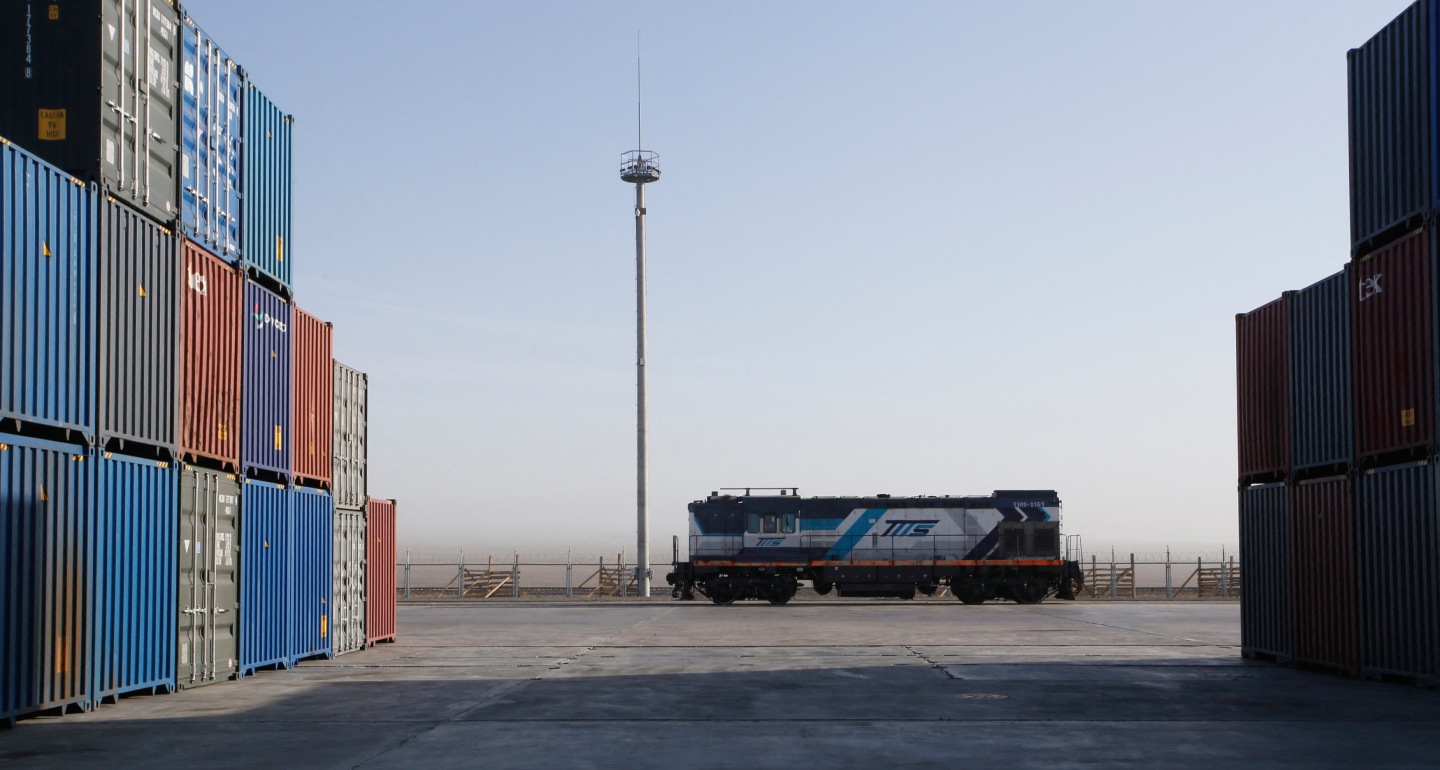
This year’s wars have made alternative routes to transit through Russia no less risky for Central Asian countries.

Galiya Ibragimova
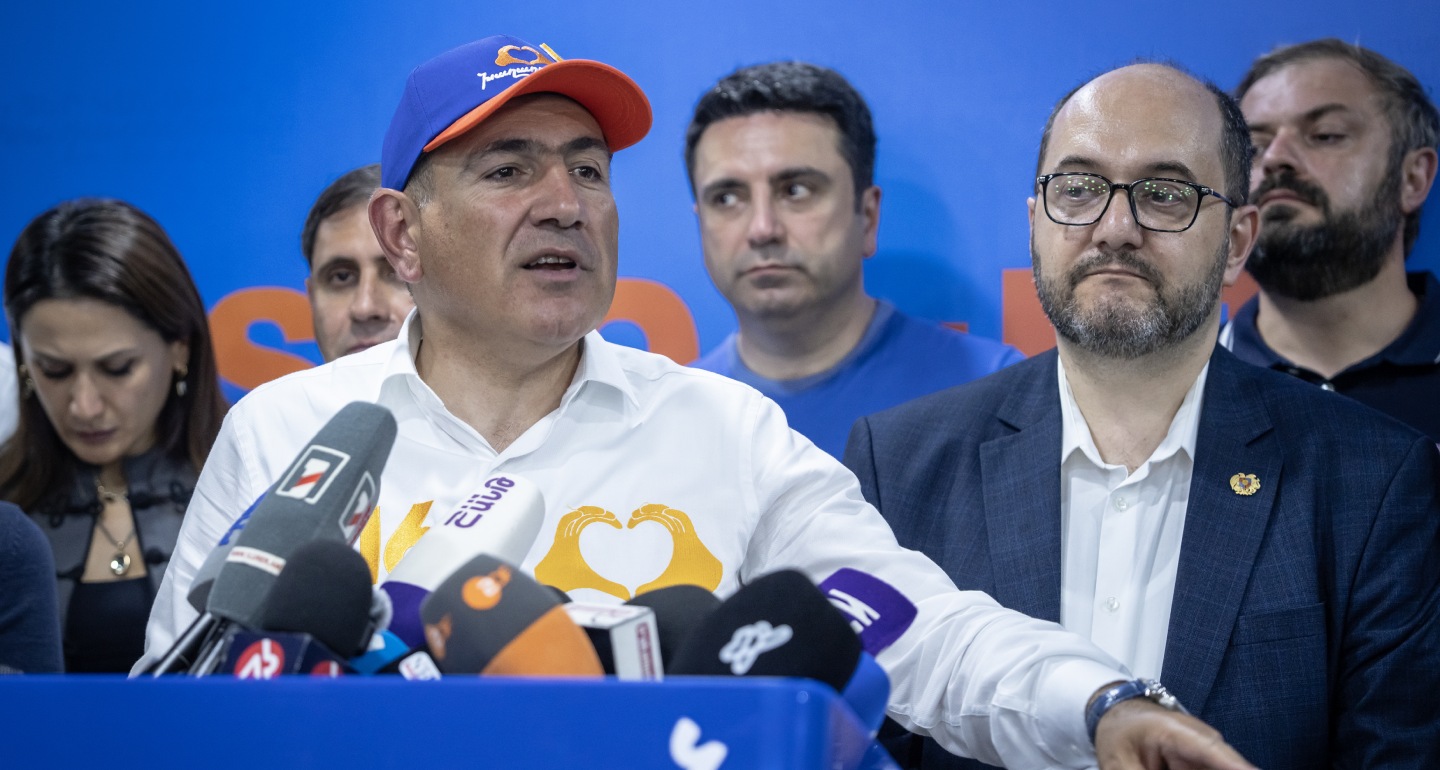
Pashinyan’s pro-European party has been re-elected with a decisive victory. But the pro-Russian opposition could still slow Armenia’s progress toward peace with Azerbaijan and rapprochement with Europe.
Mikayel Zolyan
For all the menacing rhetoric, the Armenian prime minister remains a leader with whom Putin is prepared to interact: not as an ally, but as a partner, albeit a problematic one.
Alexander Atasuntsev
By fueling the arguments of both supporters and opponents of Armenian Prime Minister Nikol Pashinyan, Azerbaijan wants to ensure he is re-elected with a weaker mandate.

Bashir Kitachaev
Baku’s backing for Ukraine is less about confronting Russia than about quietly broadening the mix of partners it relies on.

Zaur Shiriyev