

Commentary
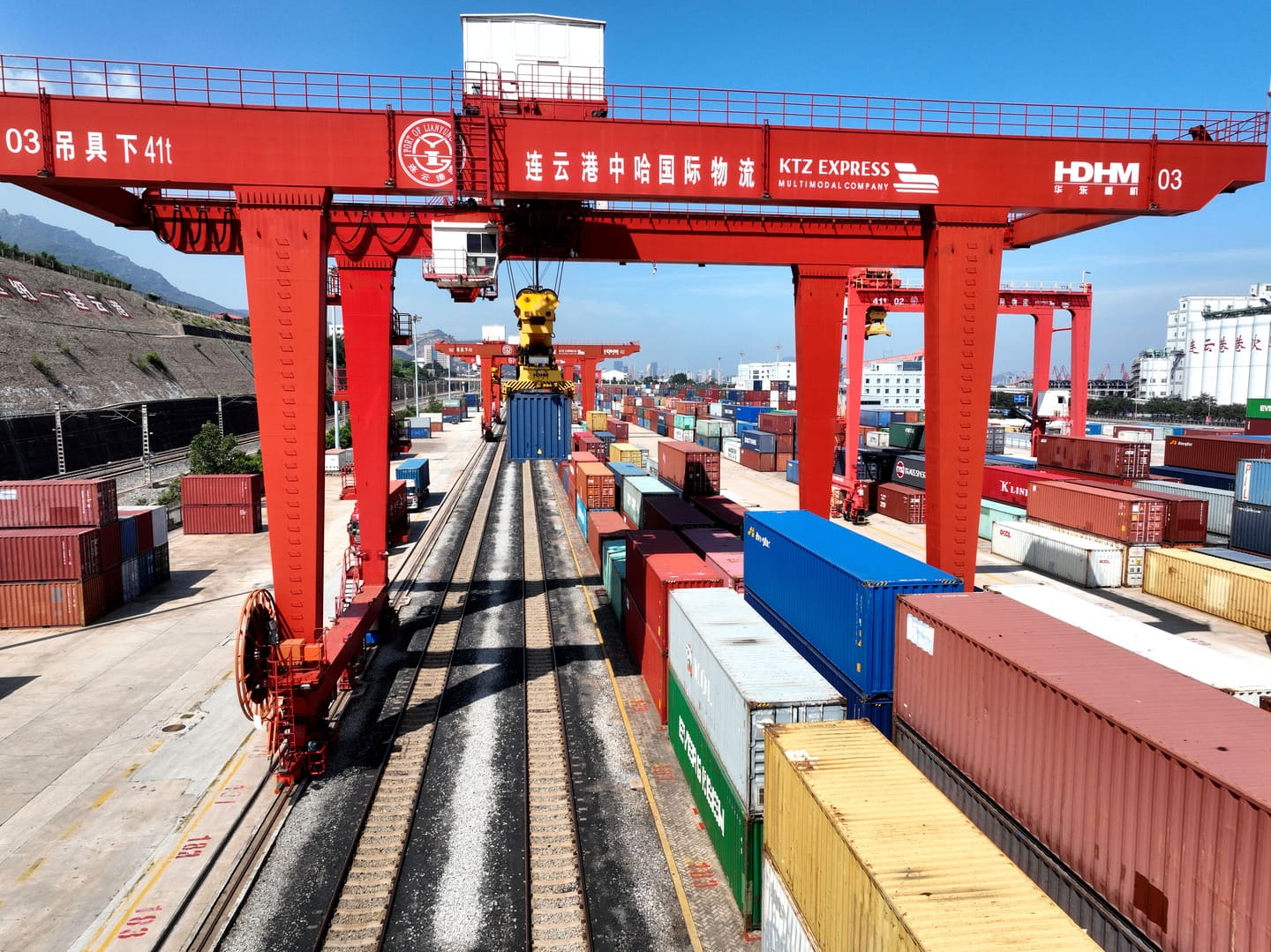
For the Middle Corridor to fulfill its promises, one of these routes must become scalable. At present, neither is.
Friedrich Conradi
{
  "authors": [
    "Ashley J. Tellis",
    "Robert D. Blackwill"
  ],
  "type": "legacyinthemedia",
  "centerAffiliationAll": "dc",
  "centers": [
    "Carnegie Endowment for International Peace"
  ],
  "collections": [],
  "englishNewsletterAll": "ctw",
  "nonEnglishNewsletterAll": "",
  "primaryCenter": "Carnegie Endowment for International Peace",
  "programAffiliation": "SAP",
  "programs": [
    "South Asia"
  ],
  "projects": [],
  "regions": [
    "North America",
    "United States",
    "East Asia",
    "China"
  ],
  "topics": [
    "Foreign Policy",
    "Global Governance"
  ]
}
Source: Getty
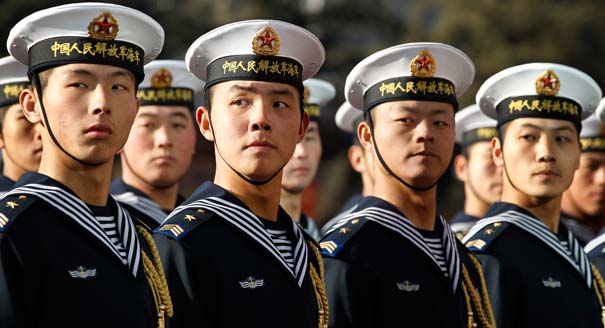
Is it time to think of China less as a trading partner and more as a threat?
Source: NPR’s Morning Edition
Two former U.S. diplomats argue it's time to think of China less as a trading partner and more as a threat. Ashley J. Tellis and Robert Blackwill argue that over the long term, China wants the United States out of Asia, seeing it as an obstacle to Chinese regional hegemony. Washington, therefore, must start preparing now to resist Chinese pressure. Such preparation entails increasing U.S. military capabilities, strengthening U.S. economic and military relationships with allies in the region, and other measures to bolster the permanence of American presence in the Asia-Pacific.
This broadcast originally appeared on NPR’s Morning Edition.
Former Senior Fellow
Ashley J. Tellis was a senior fellow at the Carnegie Endowment for International Peace.
Robert D. Blackwill
Robert D. Blackwill is Henry A. Kissinger Senior Fellow for U.S. Foreign Policy at the Council on Foreign Relations. He was U.S. Ambassador to India from 2001 to 2003 and Deputy National Security Adviser to U.S. President George W. Bush from 2003 to 2004.
Carnegie does not take institutional positions on public policy issues; the views represented herein are those of the author(s) and do not necessarily reflect the views of Carnegie, its staff, or its trustees.
For the Middle Corridor to fulfill its promises, one of these routes must become scalable. At present, neither is.

Friedrich Conradi

For Lukashenko, abandoning Western internet services and embracing Russian equivalents would mean tying himself even closer to Moscow.

Artyom Shraibman
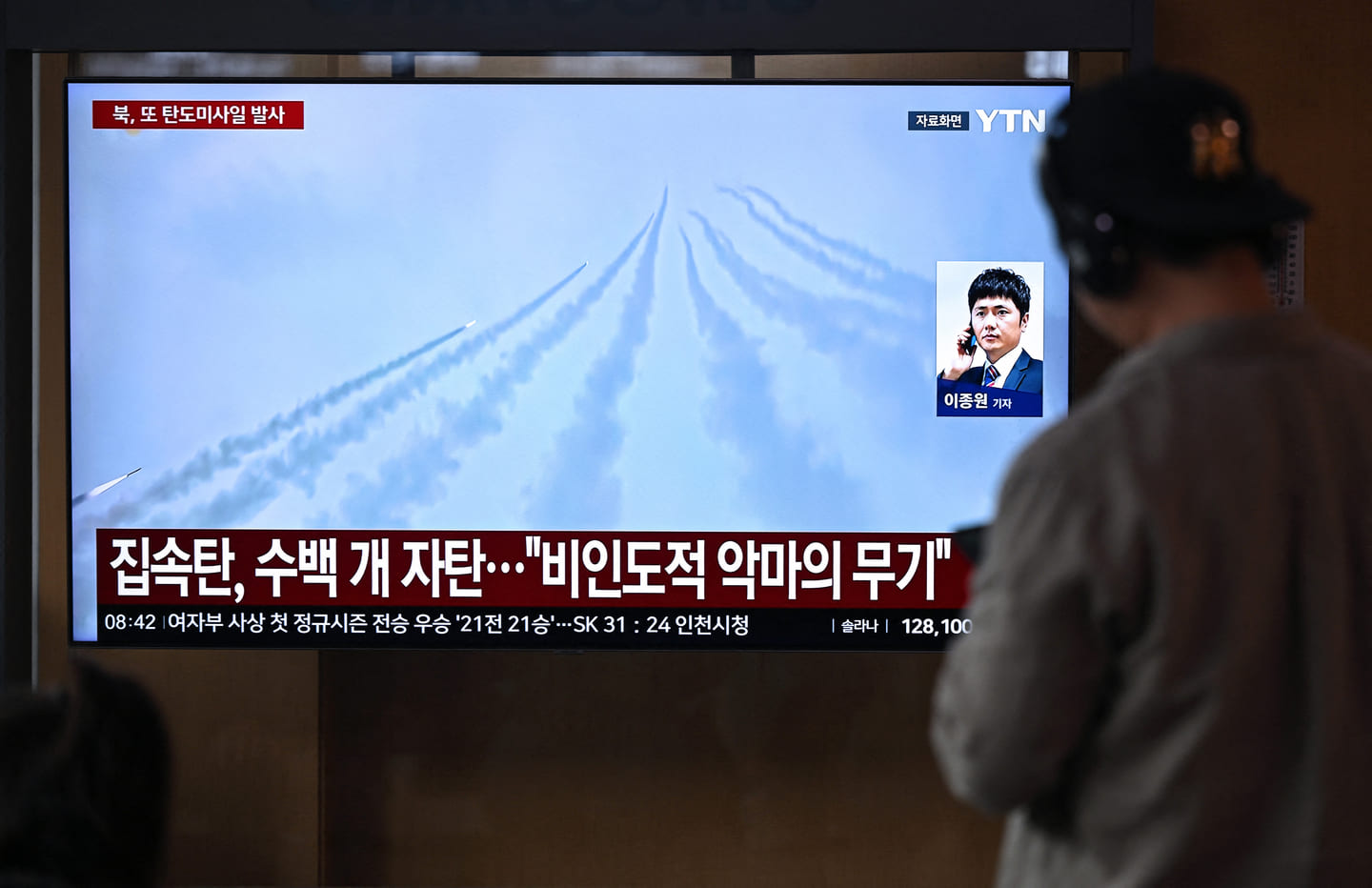
Troubled by the growing salience of nuclear debates in East Asia, Moscow has responded in its usual way: with condemnation and threats. But by exacerbating insecurity, Russia is forcing South Korea and Japan to consider radical security options.

James D.J. Brown

Although Ukrainian strikes have led to a noticeable decline in the physical volume of Russian oil exports, the rise in prices has more than made up for it.

Sergey Vakulenko
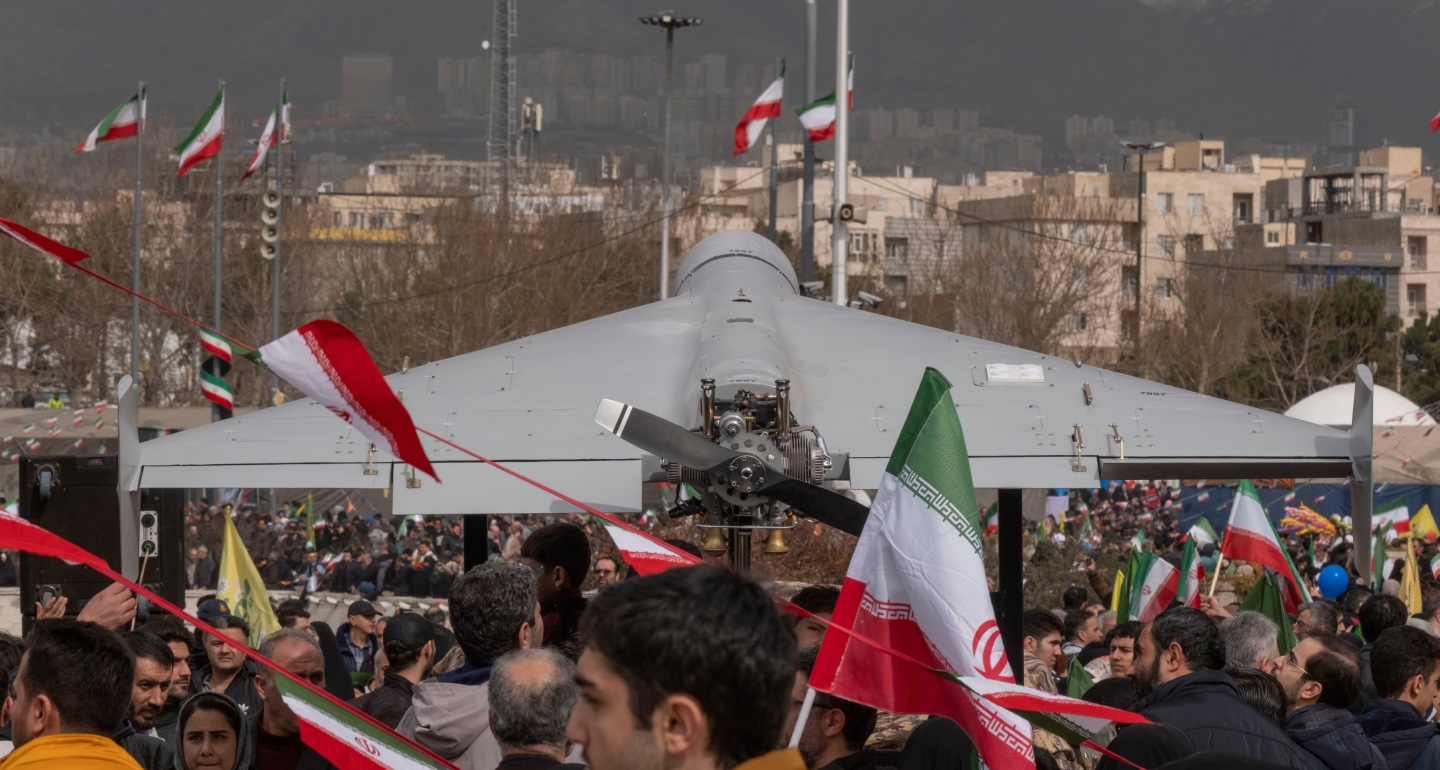
The Russian leadership wants to avoid a dangerous precedent in which it is squeezed out of Iran by the United States and Israel—and left powerless to respond in any meaningful way.

Nikita Smagin