

Paper
James M. Acton, Ankit Panda
{
  "authors": [
    "James M. Acton"
  ],
  "type": "legacyinthemedia",
  "centerAffiliationAll": "dc",
  "centers": [
    "Carnegie Endowment for International Peace",
    "Malcolm H. Kerr Carnegie Middle East Center"
  ],
  "collections": [
    "Iranian Proliferation",
    "U.S. Nuclear Policy"
  ],
  "englishNewsletterAll": "ctw",
  "nonEnglishNewsletterAll": "",
  "primaryCenter": "Carnegie Endowment for International Peace",
  "programAffiliation": "NPP",
  "programs": [
    "Nuclear Policy"
  ],
  "projects": [],
  "regions": [
    "North America",
    "United States",
    "Middle East",
    "Iran"
  ],
  "topics": [
    "Political Reform",
    "Nuclear Policy",
    "Arms Control"
  ]
}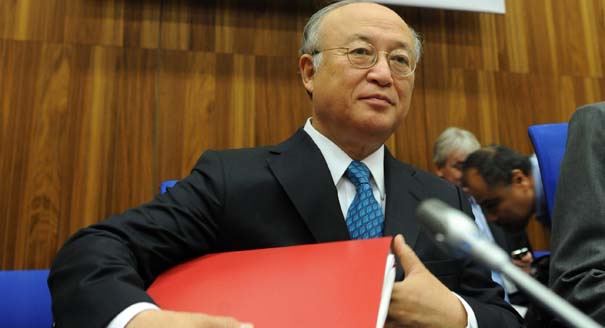
Source: Getty
After 18 months of negotiations, one of the remaining challenges to reaching a nuclear deal with Iran is the extent to which Tehran must “come clean” about the history of its nuclear program and, in particular, about apparent efforts to design a nuclear weapon.
Source: Hill
After 18 months of negotiations, one of the remaining challenges to reaching a nuclear deal with Iran is the extent to which Tehran must “come clean” about the history of its nuclear program and, in particular, about apparent efforts to design a nuclear weapon. The International Atomic Energy Agency has been pressing Tehran for years to explain these “Possible Military Dimensions”—but with little success. When Secretary of State John Kerry stated last week that he wasn’t “fixated” on the past, he implied that negotiators from the P5+1 weren’t making much headway in finding a solution either and might be softening their demands.
Iran is probably reluctant to explain its past activities because it believes that it could satisfy the IAEA only by “‘fessing up” and admitting it had a nuclear weapon program. As desirable as an Iranian confession would be, there’s little prospect of one. Tehran would consider it to be a humiliation. And given that the Supreme Leader has denied that Iran has ever sought nuclear weapons, the government of President Rouhani couldn’t openly contradict him, even if it wanted to.Fortunately, American interests and those of its friends, including Israel, do not require Iran to confess; rather, they demand that the IAEA obtain a detailed understanding of what Iran did, not why Iran did it. This distinction—between activities and intentions—could help form the basis for a solution to this current negotiating impasse.
The international community has two clear interests in the IAEA investigation. First, it wants to make sure that Iranian efforts to design a nuclear weapon have now ceased. Second, it wants to reinforce the authority of the IAEA to investigate future suspect nuclear programs.
Neither of these objectives requires that Iran acknowledge it had a nuclear weapon program. If Tehran provided a complete description of the activities that the IAEA is investigating—without saying anything about why it authorized them—it would enable the IAEA to draw conclusions about whether those activities were still ongoing and underline the Agency’s authority in this area.
In fact, the IAEA has used this approach with Iran in the past. Back in 2008, for example, it decided that Iran’s production of polonium-210—a material that can be used to start a chain reaction in a nuclear warhead—was no longer an outstanding issue. It announced that it understood the “content and magnitude” of Iran’s experiments, without saying anything at all about whether it believed Iran’s claimed rationale of fundamental scientific research.
More recently, however, the IAEA has made a bigger deal out of Iranian intentions. Currently, for example, it is assessing “Iran’s stated need or application for the development of exploding bridge wire detonators,” which can be used to set off the conventional explosives in a nuclear bomb.
This line of questioning is counterproductive. If Iran researched this technology for its potential use in a nuclear weapon—as seems highly likely—Tehran probably feels as though it has no choice but to lie to the IAEA by claiming a civilian application. These implausible excuses then prompt a round of follow-up questions from inspectors that, in turn, feed the Iranian narrative that the IAEA investigation is unlimited in scope and will be endless. The result is greater pressure in Tehran to cease cooperating with the Agency.
Fortunately, this epistemological rabbit hole is easy enough to climb out of. The IAEA should assure Iran that it will no longer seek explanations about why suspect activities were conducted and it should stop asking for them. In its reports, it should not draw any conclusions about Iranian intentions. By contrast, it should continue to press Iran remorselessly to explain the scope and content of its suspect activities until every loose thread is tied up.
The P5+1 should also drive home this message in their parallel negotiations with Iran. They should emphasize that they do not seek a humiliating confession, and that neither sanctions relief nor the eventual termination of restrictions on its nuclear program will be contingent upon one. Instead, they merely require Iran to continue doing what it has, on occasion, already done: furnish the IAEA with purely factual details of its past activities. This offer will hardly be sufficient by itself to effect an agreement, but it may be one critical part of the puzzle.

Jessica T. Mathews Chair, Co-director, Nuclear Policy Program
Acton holds the Jessica T. Mathews Chair and is co-director of the Nuclear Policy Program at the Carnegie Endowment for International Peace.
Recent Work

James M. Acton, Ankit Panda
James M. Acton
Carnegie does not take institutional positions on public policy issues; the views represented herein are those of the author(s) and do not necessarily reflect the views of Carnegie, its staff, or its trustees.
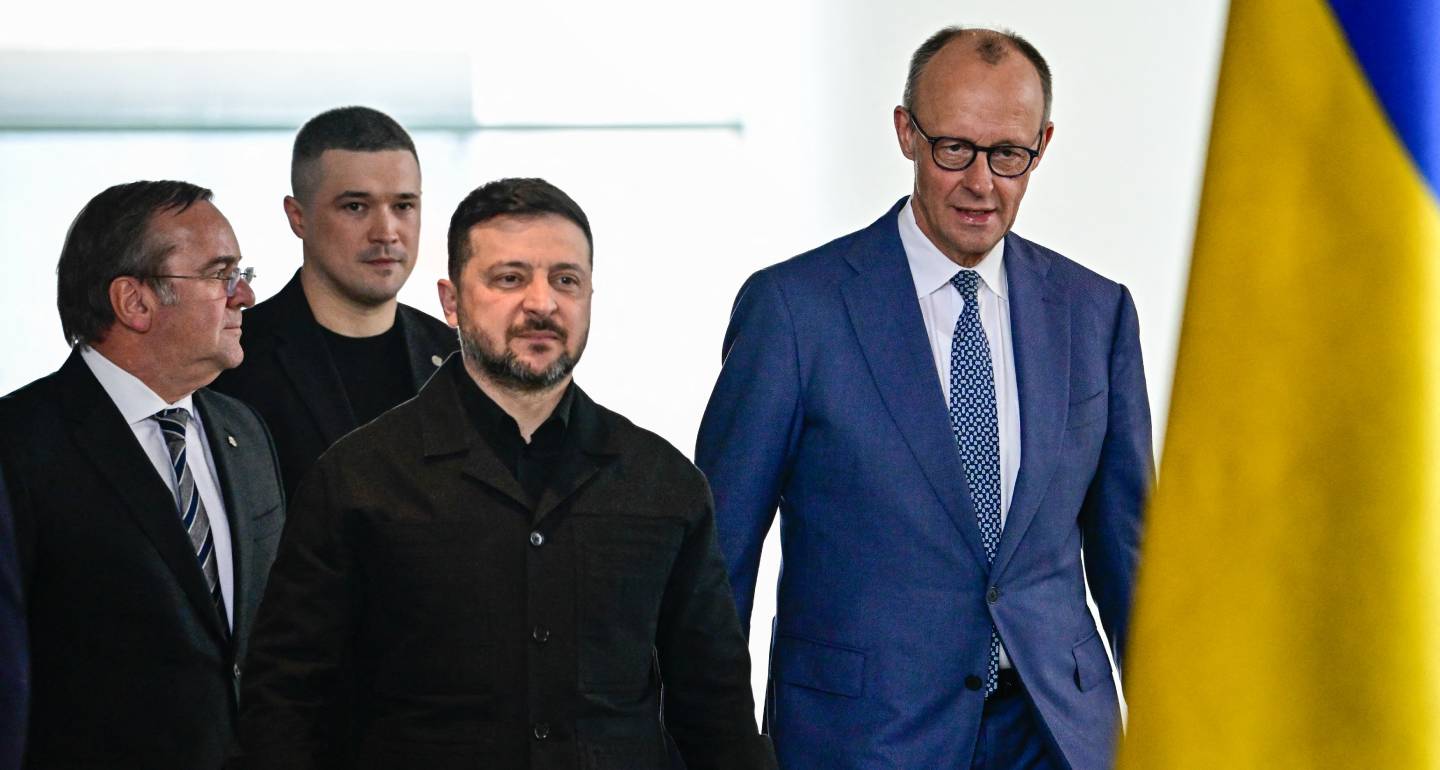
The greater threat to Zelensky comes not from Fedorov alone, but from the convergence between the former defense minister’s political campaign and the anti-corruption investigations moving ever closer to the presidential administration.

Balázs Jarábik
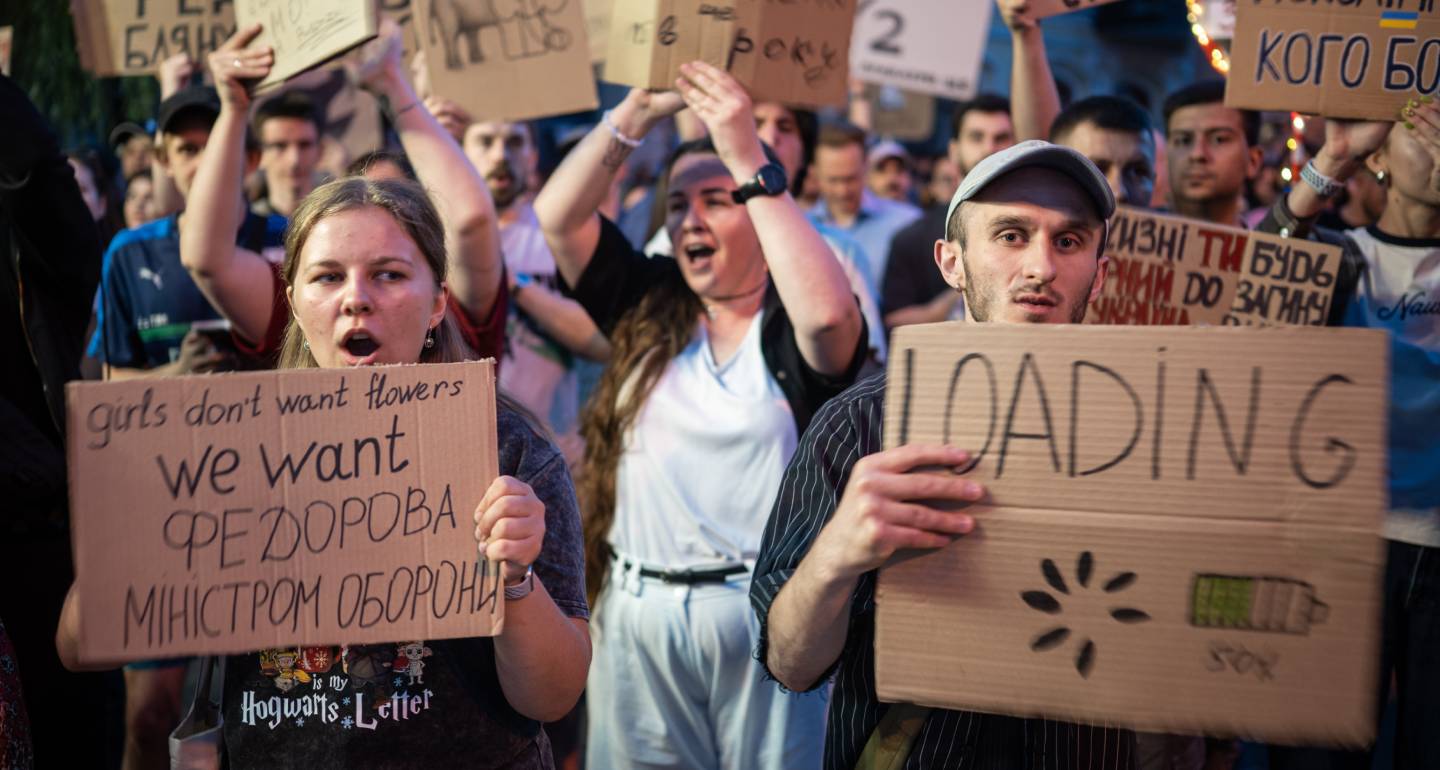
With his public call for new elections in Ukraine, ex-defense minister Mykhailo Fedorov has opened Pandora’s box.

Konstantin Skorkin
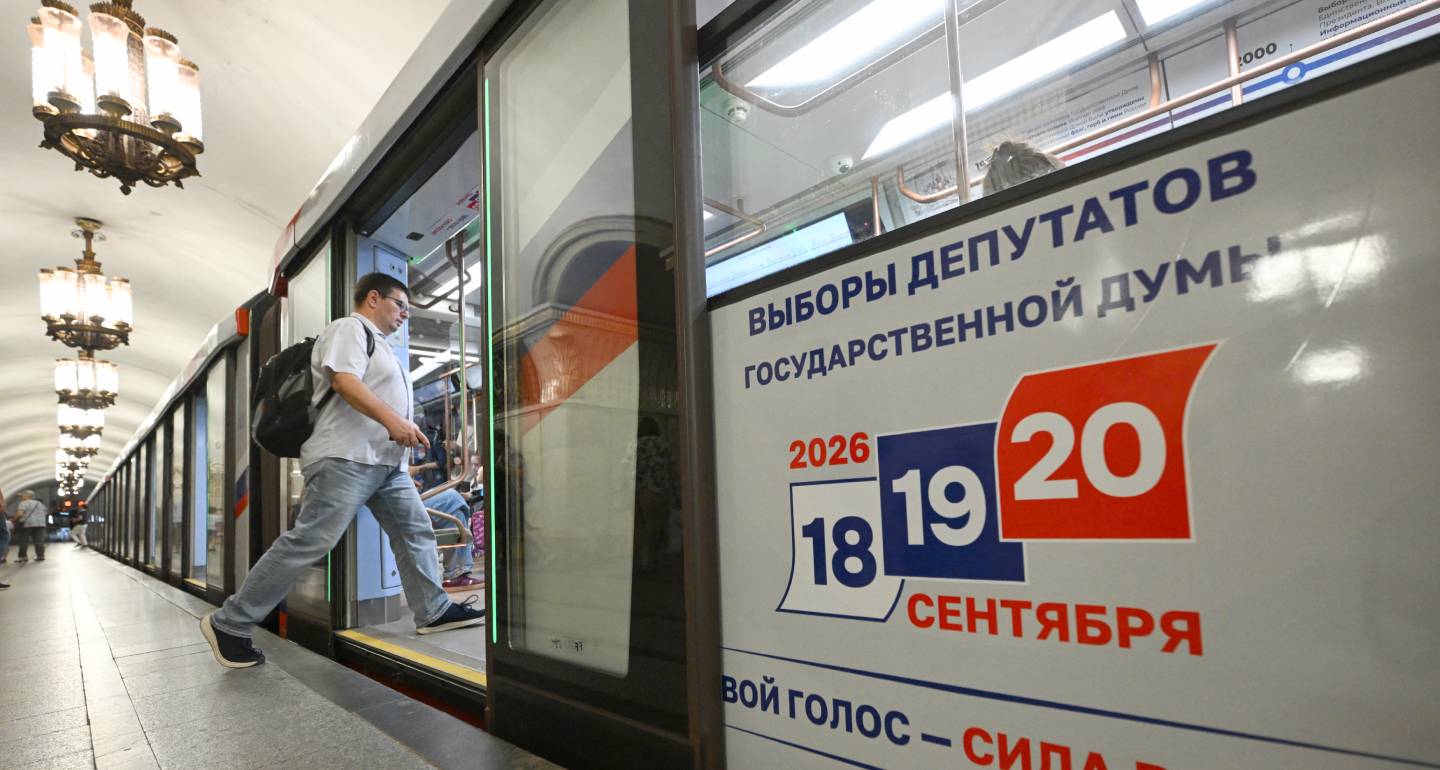
In the discussions made possible by the State Duma election campaign, one question is being asked more and more loudly. “What next?”

Andrey Pertsev
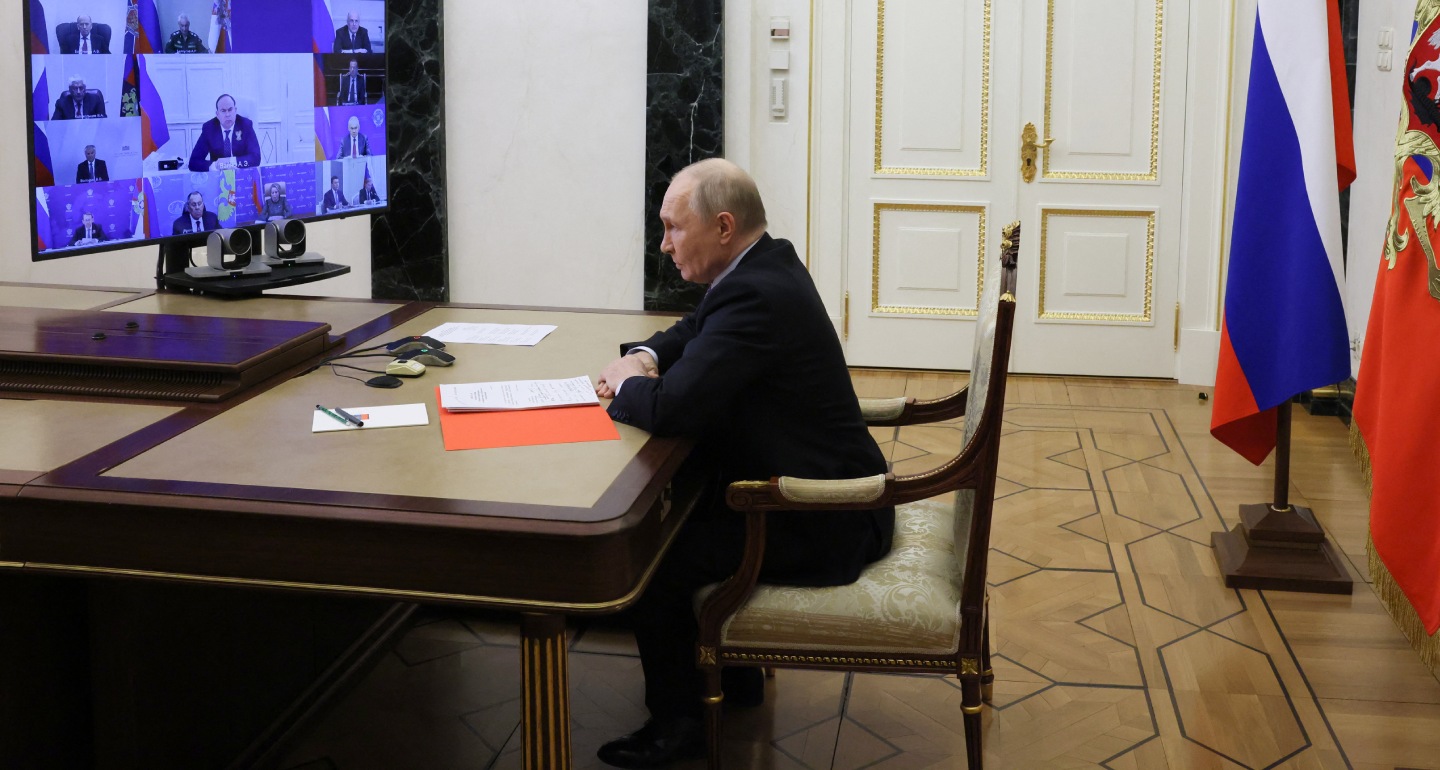
Two divergent trends—Putin’s hardline vision of how to prosecute the war in Ukraine, and a growing desire for change in Russia—could tear the regime apart.

Tatiana Stanovaya
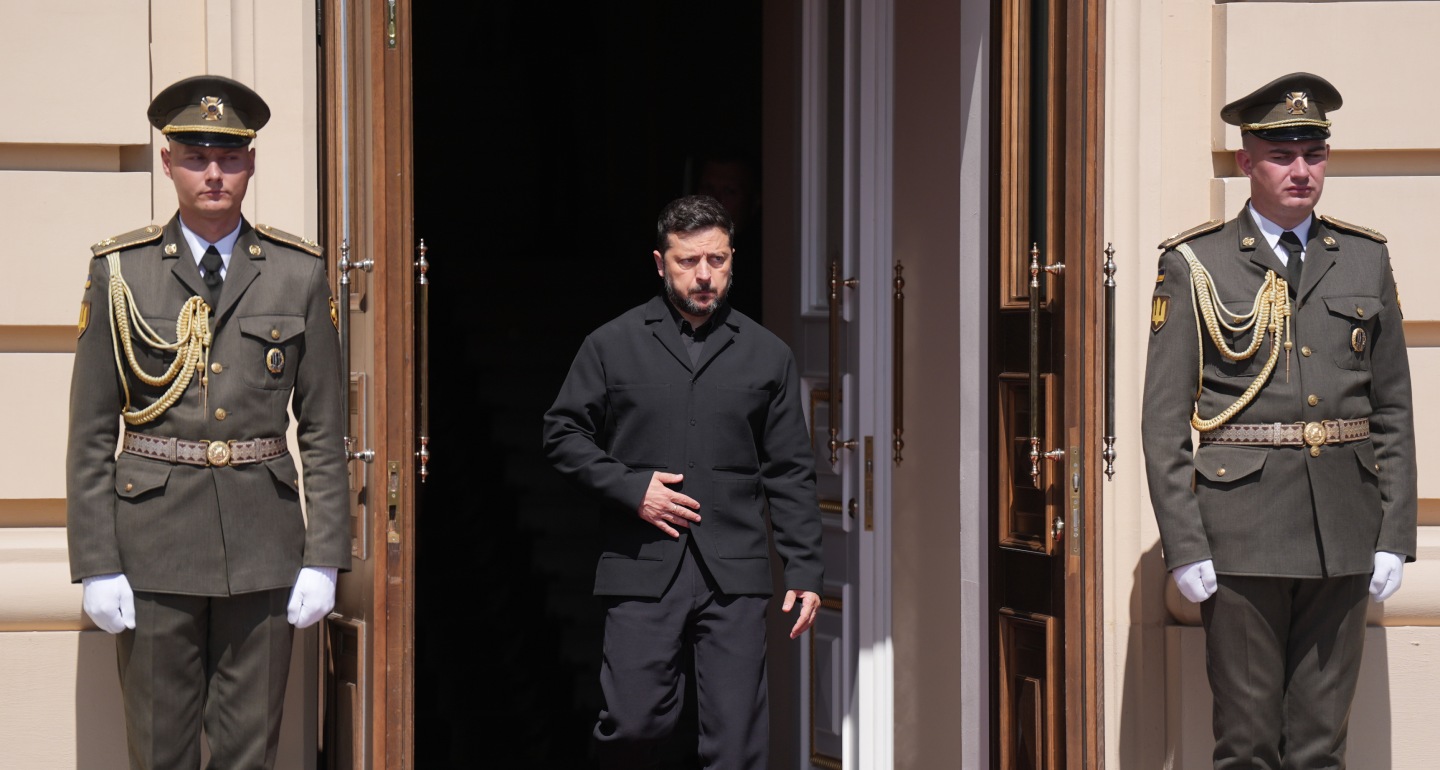
Ultimately, Zelensky sided neither with the reform camp nor with the military establishment as such, but with political control.
Balázs Jarábik