

Paper
James M. Acton, Ankit Panda
{
  "authors": [
    "James M. Acton"
  ],
  "type": "legacyinthemedia",
  "centerAffiliationAll": "dc",
  "centers": [
    "Carnegie Endowment for International Peace"
  ],
  "collections": [],
  "englishNewsletterAll": "ctw",
  "nonEnglishNewsletterAll": "",
  "primaryCenter": "Carnegie Endowment for International Peace",
  "programAffiliation": "NPP",
  "programs": [
    "Nuclear Policy"
  ],
  "projects": [],
  "regions": [
    "Central Asia",
    "Kazakhstan"
  ],
  "topics": [
    "Nuclear Policy",
    "Nuclear Energy"
  ]
}
Source: Getty
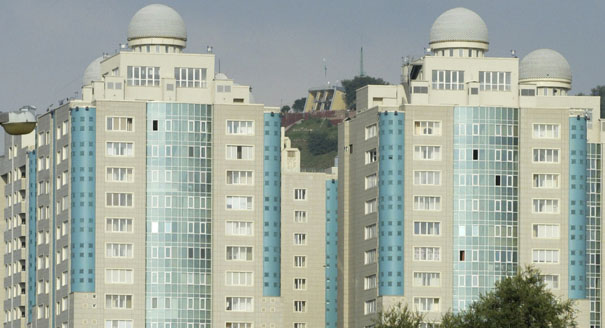
The International Atomic Energy Agency has signed a deal with Kazakhstan, a former member of the Soviet Union. It will open the first internationally-run bank for low-enriched uranium, the fuel for nuclear power plants.
Source: KCRW’s To the Point
The International Atomic Energy Agency has signed a deal with Kazakhstan, a former member of the Soviet Union. It will open the first internationally-run bank for low-enriched uranium, the fuel for nuclear power plants. Carnegie's James Acton talked to KCRW about the deal.
Acton said that the international market for buying enrichment services is dominated by one Russian company and one European consortium that have been in the business for a very long time and the barriers of entry are now relatively high for newcomers.
Acton also explained the details of the deal between Kazakhstan and the IAEA, emphasizing that the IAEA will buy the low-enriched uranium, put out a tender, and then accept the cheapest bid from the international market.

Jessica T. Mathews Chair, Co-director, Nuclear Policy Program
Acton holds the Jessica T. Mathews Chair and is co-director of the Nuclear Policy Program at the Carnegie Endowment for International Peace.
Recent Work
James M. Acton, Ankit Panda
James M. Acton
Carnegie does not take institutional positions on public policy issues; the views represented herein are those of the author(s) and do not necessarily reflect the views of Carnegie, its staff, or its trustees.

In the tenth year of his presidency, President Mirziyoyev’s system is becoming even more personalized than that of his predecessor Karimov.

Galiya Ibragimova

With the growth in points of friction between the great powers, organizations like the SCO will continue to play a role in the strategic adaptation of the smaller powers caught between them.

Temur Umarov

When faced with fuel shortages in the past, Central Asian governments could always count on additional supplies from Moscow. That safety net no longer exists.
Galiya Ibragimova
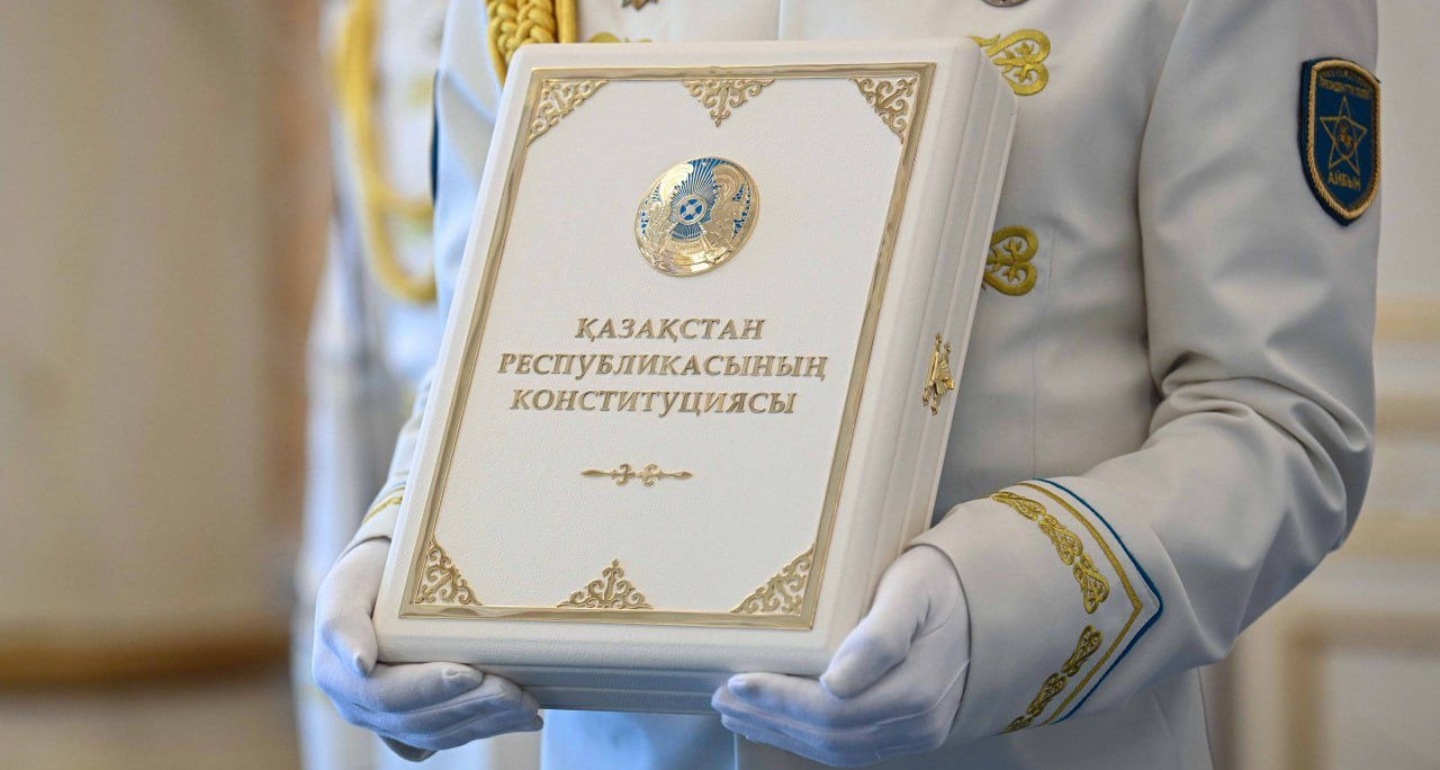
Tokayev’s predecessor, Nursultan Nazarbayev, outlined arrangements for a power transition too soon and in too much detail, ultimately losing control over the process. Tokayev is determined not to meet the same fate.
Temur Umarov
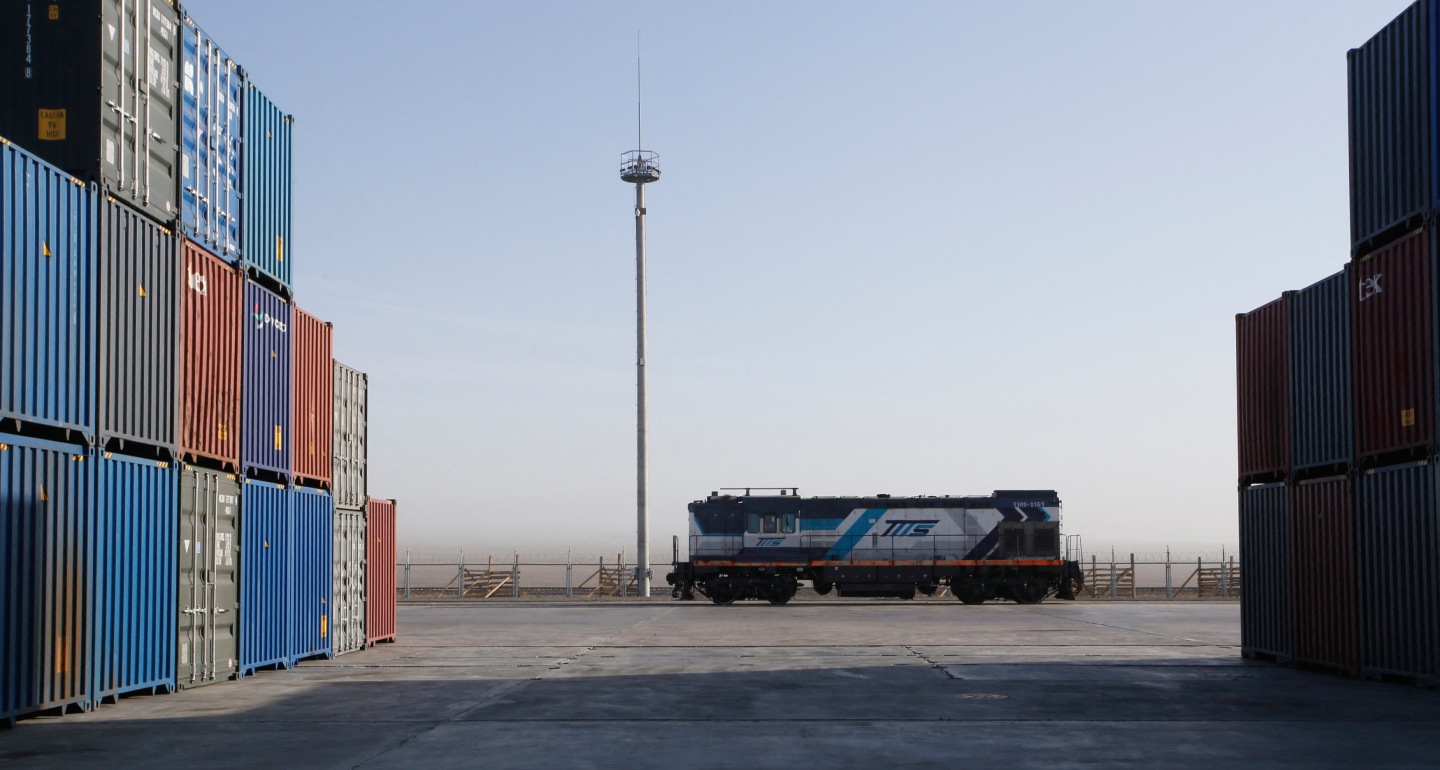
This year’s wars have made alternative routes to transit through Russia no less risky for Central Asian countries.
Galiya Ibragimova