

Commentary
In the discussions made possible by the State Duma election campaign, one question is being asked more and more loudly. “What next?”
Andrey Pertsev
{
  "authors": [
    "Dmitri Trenin",
    "Ryan Faith",
    "Michal Baranowski",
    "Christopher S. Chivvis"
  ],
  "type": "legacyinthemedia",
  "centerAffiliationAll": "dc",
  "centers": [
    "Carnegie Endowment for International Peace",
    "Carnegie Russia Eurasia Center"
  ],
  "collections": [],
  "englishNewsletterAll": "ctw",
  "nonEnglishNewsletterAll": "",
  "primaryCenter": "Carnegie Russia Eurasia Center",
  "programAffiliation": "russia",
  "programs": [
    "Russia and Eurasia"
  ],
  "projects": [
    "Eurasia in Transition"
  ],
  "regions": [
    "North America",
    "United States",
    "Russia",
    "Eastern Europe",
    "Ukraine",
    "Western Europe"
  ],
  "topics": [
    "Security",
    "Military",
    "Foreign Policy"
  ]
}
Source: Getty
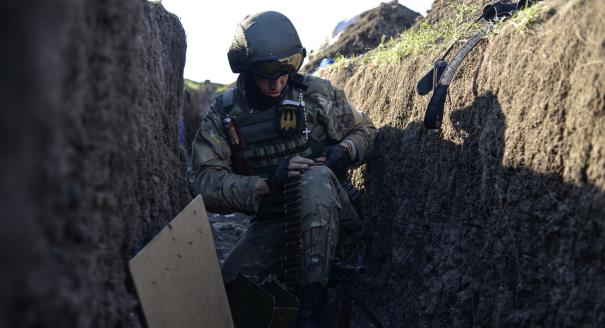
A Russian attack on NATO’s eastern member states was never likely. At the same time, the threat of escalation in eastern Ukraine and the potential for more direct Russian and NATO involvement in the fighting there is a clear and present danger.
Source: KCRW’s To the Point
After years of counterinsurgency in the Middle East, the Pentagon says the biggest threat to U.S. security is Russia. That’s not just because of Russia’s nuclear weapons, it’s “hybrid warfare” of the sort Vladimir Putin is using in eastern Ukraine. U.S. troops are already training to combine counterinsurgency with conventional weapons, street-level fighting, cyber warfare, and propaganda. One very concrete example of that changing strategy took place in the Mojave Desert earlier this month in an exercise called Operation Dragon Spear. The goal is deterring Russia from moving on NATO members Latvia, Estonia, and Lithuania—or other members of the former Soviet Union.
Carnegie’s Dmitri Trenin talked to KCRW on this issue. Ryan Faith of the Vice News, Christopher Chivvis of the RAND Corporation, and Michal Baranowski of the German Marshall Fund were also featured, along with host Warren Olney.
Trenin’s key point was that Russia’s attitude toward Ukraine differs fundamentally from its view of the Baltic states and Poland: Ukraine is part of what Putin calls “the Russian world,” while the latter are seen as parts of the Soviet empire that are “lost forever.” There is no reason, therefore, to believe Putin will do to other countries what he has done in Ukraine.
Asked whether NATO’s attempt to shore up its eastern flank would be an effective deterrent toward Russia, Trenin suggested the question missed the mark, because a Russian attack on NATO’s eastern member states was never likely. While acknowledging that history had given eastern Europe reason to fear Russia, Trenin argued that it would be wiser to focus on the threat of escalation in eastern Ukraine—the potential for more direct Russian and NATO involvement in the fighting in Donbas is “a clear and present danger.”
Former Director, Carnegie Moscow Center
Trenin was director of the Carnegie Moscow Center from 2008 to early 2022.
Ryan Faith
Michal Baranowski
Senior Fellow and Director, American Statecraft Program
Christopher S. Chivvis is the director of the American Statecraft Program at the Carnegie Endowment for International Peace.
Carnegie does not take institutional positions on public policy issues; the views represented herein are those of the author(s) and do not necessarily reflect the views of Carnegie, its staff, or its trustees.

In the discussions made possible by the State Duma election campaign, one question is being asked more and more loudly. “What next?”

Andrey Pertsev

While the Nazis rushed ahead in a revolutionary fervor, Russia’s modern crusaders against enemies of the state work methodically, giving their targets time to adjust to restrictions before closing the loopholes.

Leonid Bershidsky

When faced with fuel shortages in the past, Central Asian governments could always count on additional supplies from Moscow. That safety net no longer exists.

Galiya Ibragimova
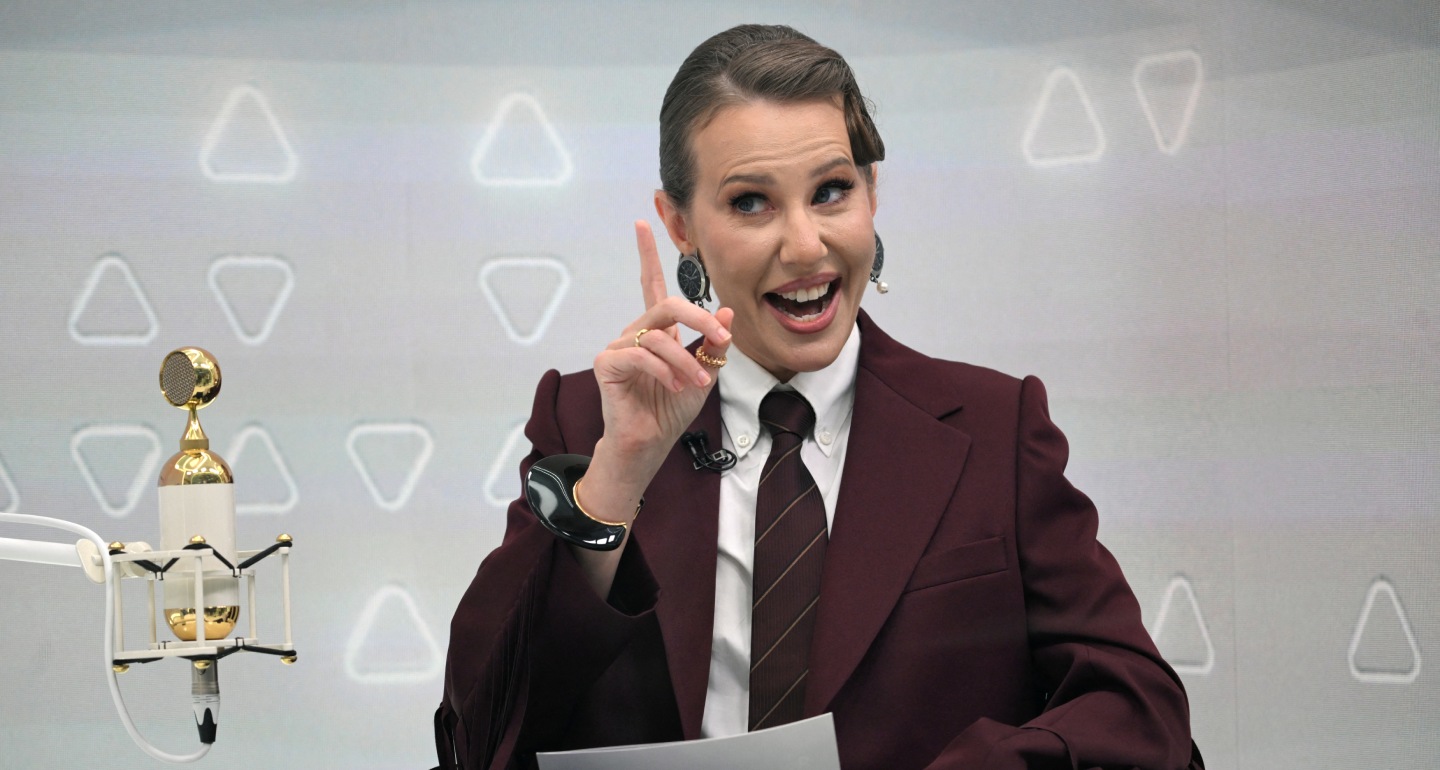
Reading the purported correspondence of celebrity Ksenia Sobchak sheds light on her role within the system, and how journalism and politics function in Putin’s Russia.
Vladislav Gorin

When political power is concentrated in the hands of a small circle of people, a country invariably ends up with technological stagnation.
Aleksei Kiselev