

Article
C. Raja Mohan, Darshana M. Baruah
{
  "authors": [
    "C. Raja Mohan"
  ],
  "type": "legacyinthemedia",
  "centerAffiliationAll": "dc",
  "centers": [
    "Carnegie Endowment for International Peace",
    "Carnegie India"
  ],
  "collections": [],
  "englishNewsletterAll": "ctw",
  "nonEnglishNewsletterAll": "",
  "primaryCenter": "Carnegie India",
  "programAffiliation": "SAP",
  "programs": [
    "South Asia"
  ],
  "projects": [],
  "regions": [
    "United States",
    "South Asia",
    "India"
  ],
  "topics": [
    "Foreign Policy"
  ]
}
Source: Getty
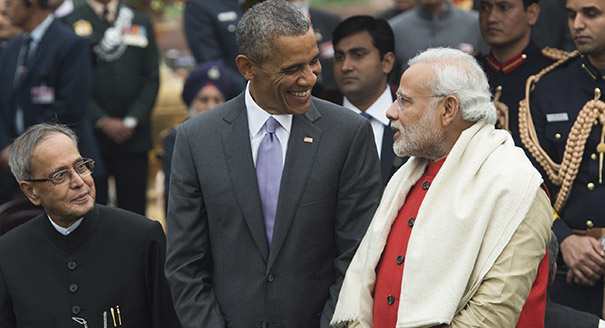
Together, Modi and Obama have an opportunity to lock-in recent gains and set even more ambitious goals.
Source: Indian Express
After holding forth on sustainable development, pitching for a permanent seat at the United Nations Security Council, schmoozing with American businessmen, and charming the diaspora, Prime Minister Narendra Modi will turn his attention this week to two of India’s most important relationships — America and Pakistan.
When all is said and done about the great global issues of the day, boosting ties with America and limiting the problems with Pakistan have always remained at the very top of India’s foreign policy agenda. Since the early 1950s, when the US drew Pakistan into Cold War alliances, New Delhi has spent much of its diplomatic energy in managing the triangular dynamic with Washington and Rawalpindi. Despite the talk of de-hyphenation in Washington, Pakistan continues to loom large on India-US relations.If the script of Modi’s meeting with US President Barack Obama is not difficult to discern, there is no word yet on the PM sitting down with Pakistan’s Nawaz Sharif. Those familiar with the drama of India-Pakistan diplomacy, however, know that Modi’s meeting with Nawaz will not happen until it happens.
If you are a betting person, your money should be on a meeting of some kind taking place. It does not really matter how the officials might choose to describe it. That Modi and Nawaz are staying in the same hotel — the Waldorf Astoria — certainly improves the odds in favour of a rendezvous. In any case, if you go by the record, Indian and Pakistani leaders tend to meet more often than not on the margins of international gatherings.
It will be Modi’s third encounter with both Nawaz and Obama. The dating metaphor has already been used in these columns. That would certainly apply to Modi’s engagement with Obama. It is in the third date when things are supposed to get intimate and interesting. For Modi and Obama, there is much to celebrate as they reflect on the intensive bilateral engagement over the last one year and explore ways to bring India and America closer than ever before.
Modi and Nawaz, in contrast, have every reason to be cautious. Given the failures of the past two rounds — in Delhi and Ufa — one will have to be an optimist to imagine that Modi and Nawaz will be “third-time lucky”. Pessimists might think of baseball — “three strikes and you’re out”. One more misstep might make it a lot harder for Modi and Nawaz to move forward.
With America, Modi has set a scorching diplomatic pace. Two summits in quick succession — in September 2014 and January 2015 — have defined an expansive agenda for bilateral relations. The third encounter this week will be much briefer, but could yet be substantive. As they pat each other on the back, Modi and Obama would want to lock-in many of the recent gains and compel their bureaucracies to turn declarations into tangible outcomes.
Contrary to the perception that Obama is a lame-duck president, he is now free to pursue his foreign policy goals and has the power to make things happen right until his last week in office in January 2017. The Republicans are also supportive of any American progress with India. While Modi is at the peak of his power, he needs to do a lot more to get the Indian bureaucracy to deliver on the big ideas that he has outlined.
Together, Modi and Obama have an opportunity to lock-in recent gains and set even more ambitious goals. Two issue-areas present themselves. One is to unveil a series of specific steps to realise the shared objective that Modi and Obama identified when the US president came to Delhi last January — constructing a stable balance of power in the Indo-Pacific littoral. Stronger defence ties, purposeful political consultation and strategic coordination with other partners should form the heart of the proposed roadmap.
The other is to outline a framework for expansive cooperation on mitigating climate change. Can India and America do what Beijing and Washington did a year ago to turn an adversarial climate discourse into a collaborative one? For both Obama, who is looking at his legacy, and Modi, who has begun to change the domestic narrative on climate change, a deal on energy and environment will be a big political prize.
If the American outlook is full of possibilities, engaging Pakistan remains a challenge for Modi. To get it right the third time, Modi must dispose of the obsession with drafting joint statements at the end of every meeting with Pakistan. Instead, he needs to focus on getting two things done.
One is to consolidate the current efforts to restore the ceasefire on the border. Silencing the guns on the frontier has become the precondition for any sustainable dialogue between the two countries. The other is to return to the terms of dialogue that Atal Bihari Vajpayee and Pervez Musharraf agreed on, after much trial and error, more than a decade ago in January 2004.
While Vajpayee was voted out of power a few months later, his successor, Manmohan Singh, stayed the course. The Vajpayee-Singh framework had three elements — Pakistan will address India’s concerns on terrorism, Delhi will negotiate on the Kashmir question, and the two sides will implement a range of confidence-building measures. This seemed to work well, until the 26/11 attacks on Mumbai shattered the Indian consensus.
Pakistan has already figured in the dialogue between the Indian and American leaders last week. Agreements between Delhi and Washington on more counter-terror cooperation are indeed welcome. But Delhi can’t really expect that the Americans can or will solve India’s problems with Pakistan. India can better leverage support from the US and other international partners only when it has a strong and sustainable engagement of its own with Pakistan.
This article was originally published in the Indian Express.
Former Nonresident Senior Fellow, Carnegie India
A leading analyst of India’s foreign policy, Mohan is also an expert on South Asian security, great-power relations in Asia, and arms control.
Recent Work

C. Raja Mohan, Darshana M. Baruah


Alexander Gabuev, Paul Haenle, C. Raja Mohan, …
Carnegie does not take institutional positions on public policy issues; the views represented herein are those of the author(s) and do not necessarily reflect the views of Carnegie, its staff, or its trustees.

When faced with fuel shortages in the past, Central Asian governments could always count on additional supplies from Moscow. That safety net no longer exists.

Galiya Ibragimova

Despite unhappiness on the ground, Moscow is determined to use both carrot and stick to ensure there is record support for United Russia in occupied Ukraine.

Konstantin Skorkin
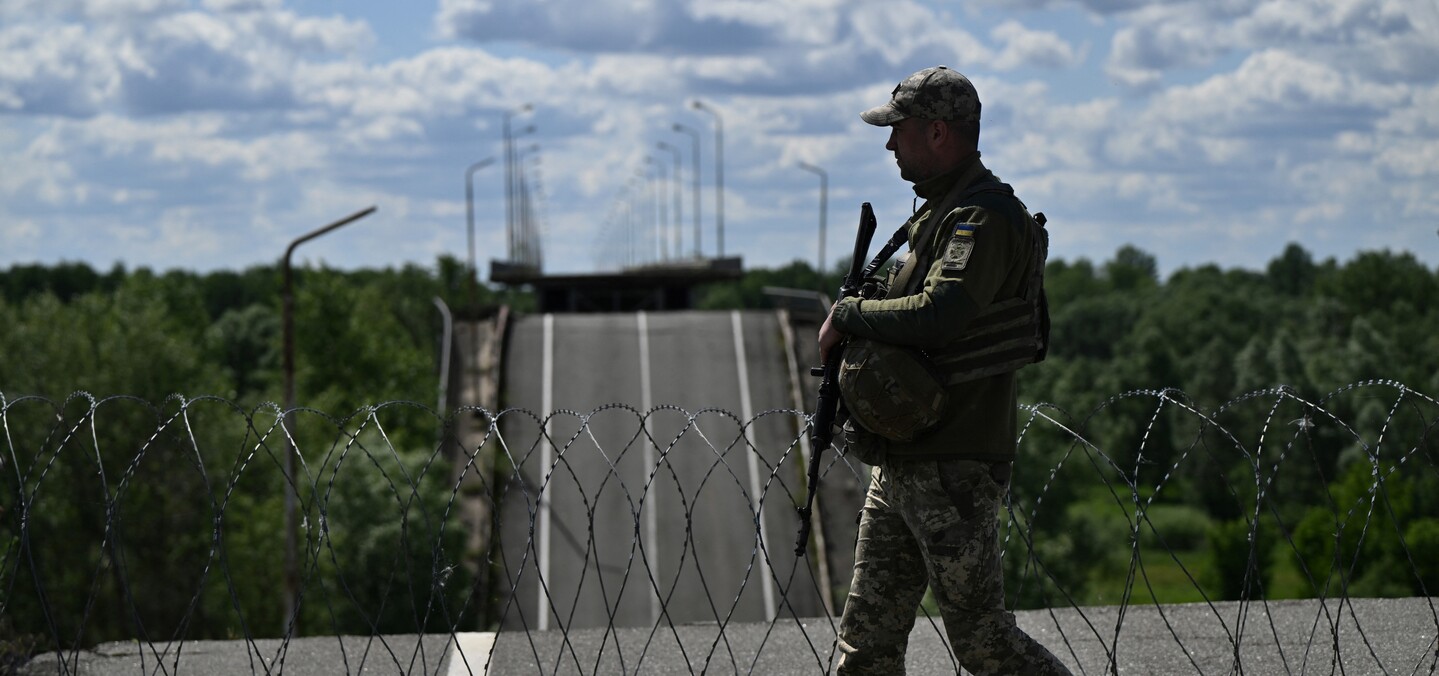
The recent damage inflicted by Ukrainian drones and missiles on Russia has made Belarus aware of its own vulnerabilities—and surprisingly amenable to Kyiv’s demands.

Artyom Shraibman
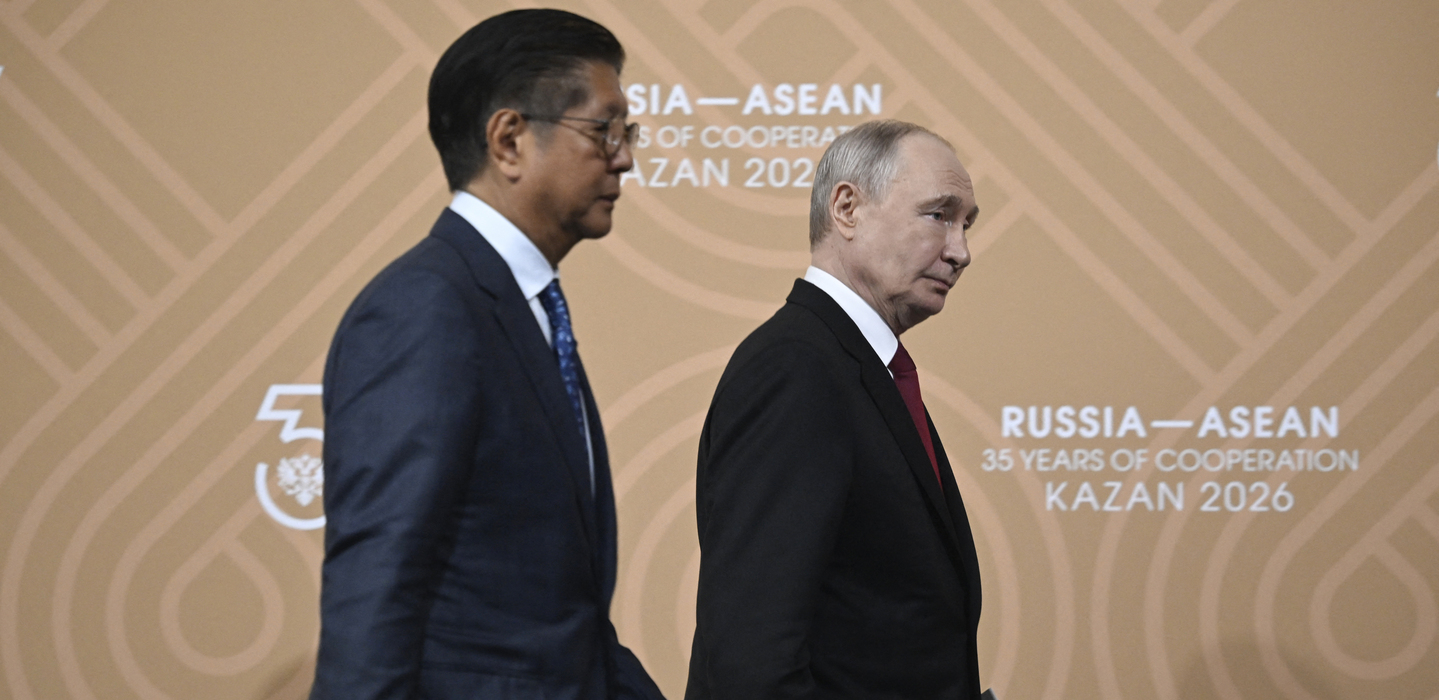
Russia looks set to reap economic benefits from closer ties with Southeast Asian countries that are keen to find reliable energy suppliers and diversify trade ties.
Alexander Gabuev
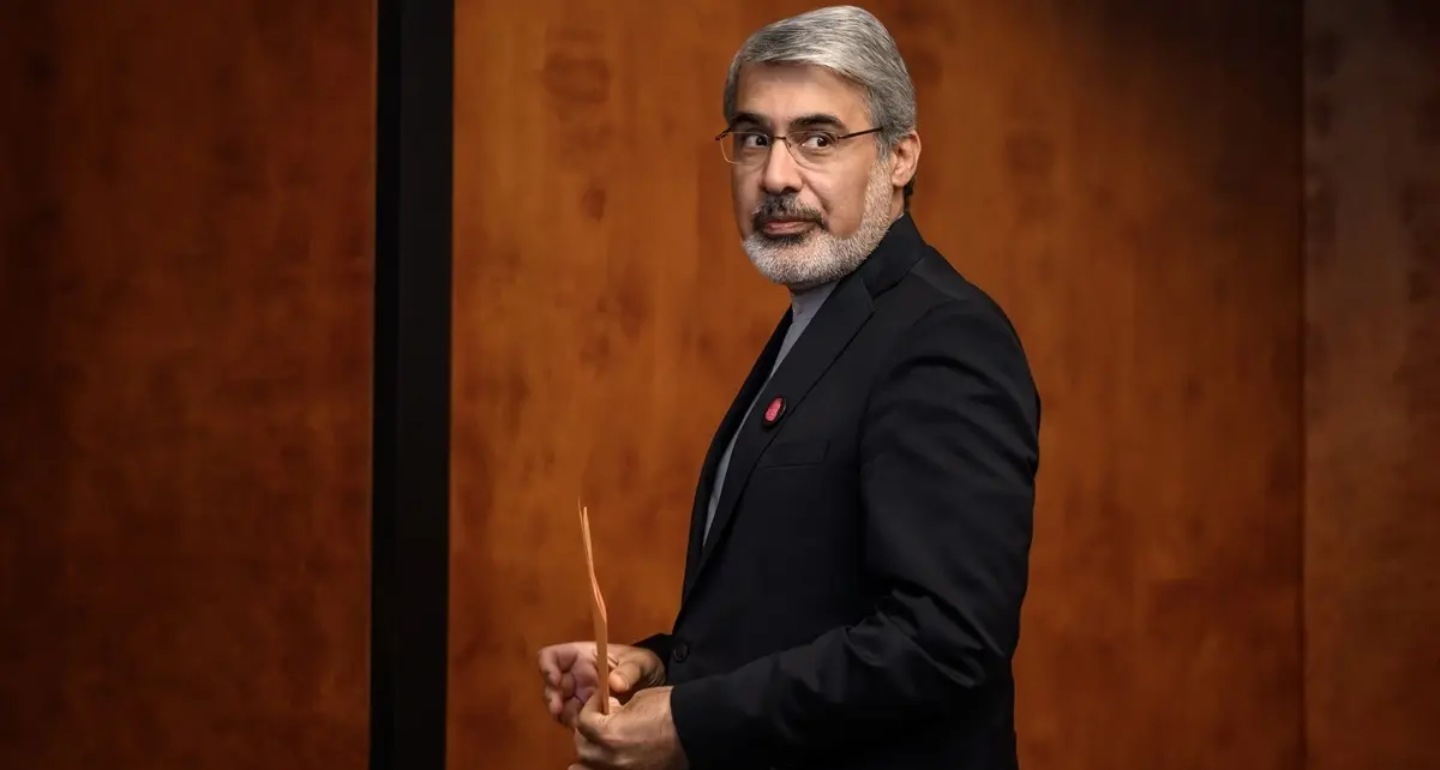
Ongoing uncertainty in the Middle East allows Moscow to both increase its influence in Tehran and continue to enjoy the financial windfall of higher oil prices.

Nikita Smagin