

Commentary
Marc Lynch
{
  "authors": [
    "Marc Lynch"
  ],
  "type": "other",
  "centerAffiliationAll": "dc",
  "centers": [
    "Carnegie Endowment for International Peace"
  ],
  "collections": [
    "Arab Awakening"
  ],
  "englishNewsletterAll": "menaTransitions",
  "nonEnglishNewsletterAll": "",
  "primaryCenter": "Carnegie Endowment for International Peace",
  "programAffiliation": "MEP",
  "programs": [
    "Middle East"
  ],
  "projects": [],
  "regions": [
    "Middle East",
    "North Africa"
  ],
  "topics": [
    "Political Reform",
    "Democracy"
  ]
}
Source: Getty
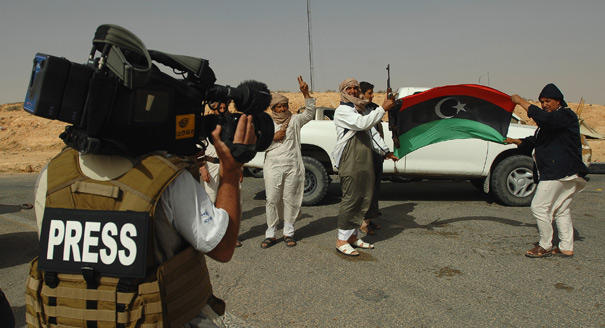
New media played a vital role in the 2011 political uprisings in the Middle East but also contributed to the failure of those uprisings.
Source: Journal of Democracy
The Arab uprisings of 2011 erupted in a region shaped by a decade and a half of revolutionary transformations in the world of Arab media. This revolution was driven by satellite television, local radio, semi-independent press outlets, and the Internet. These new media played a vital role in the 2011 political uprisings. The new media brought critical news and opinion to a broad public, gave voice to the voiceless, built ties between activists and ordinary citizens, and linked local protests into a powerful master narrative of regional uprising.The political uprisings affected the media landscape directly, enabling the rapid launching of dozens of new independent television stations, newspapers, and websites. Within a few years, however, most of the attempted democratic transitions had failed—and the media had surely had something to do with it. Media organs that had proved crucial to the uprisings degenerated with dismaying rapidity into highly partisan platforms serving state authorities or political factions. Why did the media both drive the wave of uprisings that rocked the Arab world in 2011 and contribute to the failure of those uprisings to consolidate democratic institutions?...
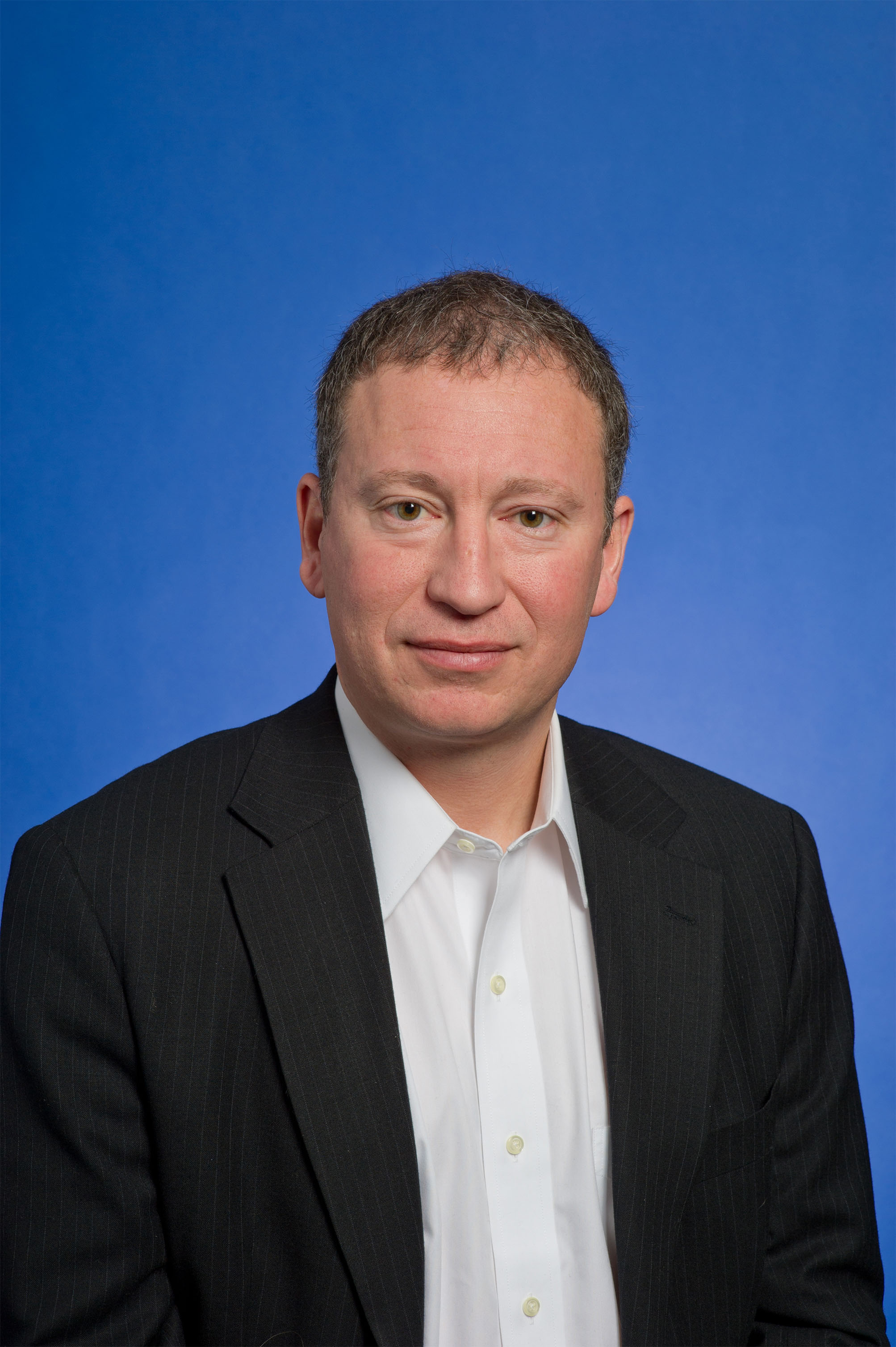
Former Nonresident Senior Fellow, Middle East Program
Marc Lynch was a nonresident senior fellow in Carnegie’s Middle East Program where his work focuses on the politics of the Arab world.
Recent Work
Marc Lynch
Marc Lynch
Carnegie does not take institutional positions on public policy issues; the views represented herein are those of the author(s) and do not necessarily reflect the views of Carnegie, its staff, or its trustees.
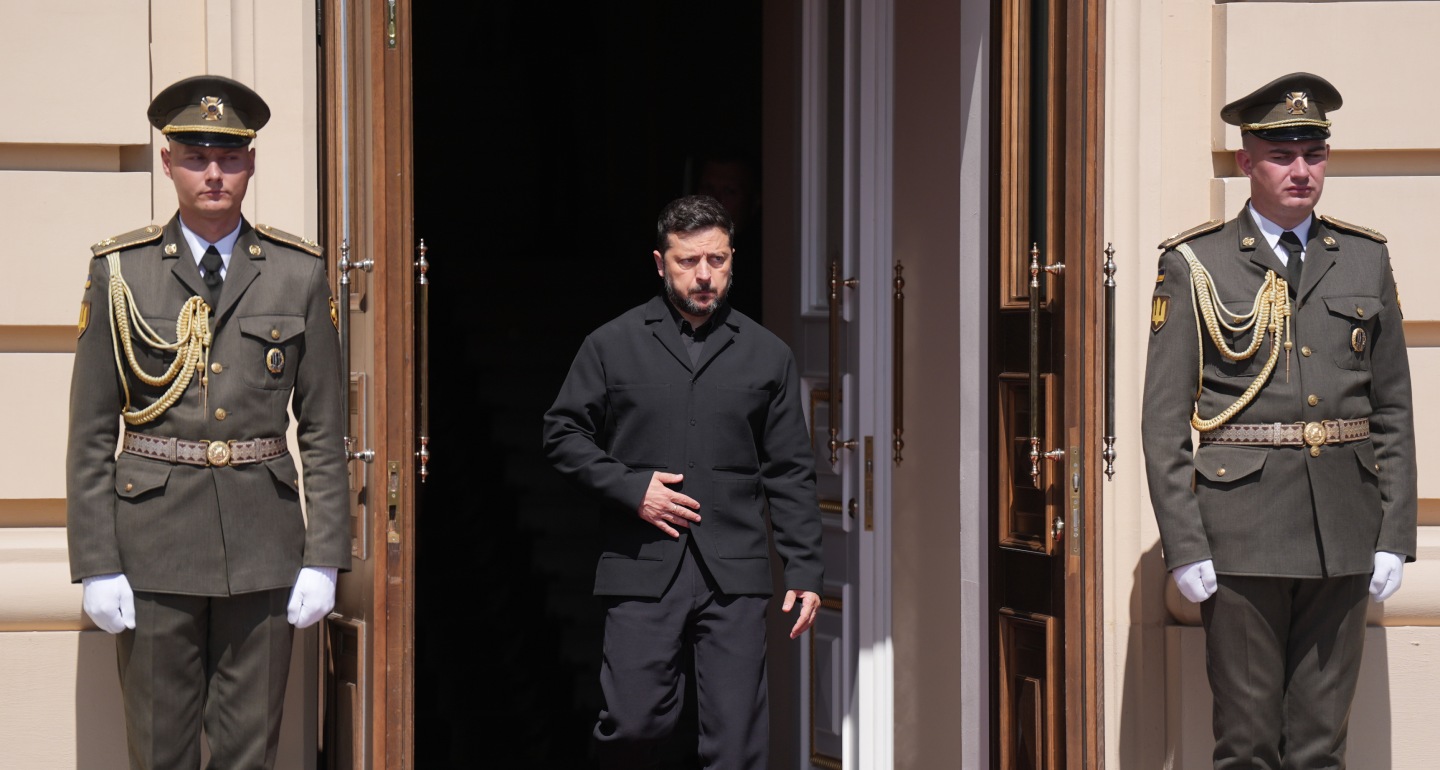
Ultimately, Zelensky sided neither with the reform camp nor with the military establishment as such, but with political control.

Balázs Jarábik
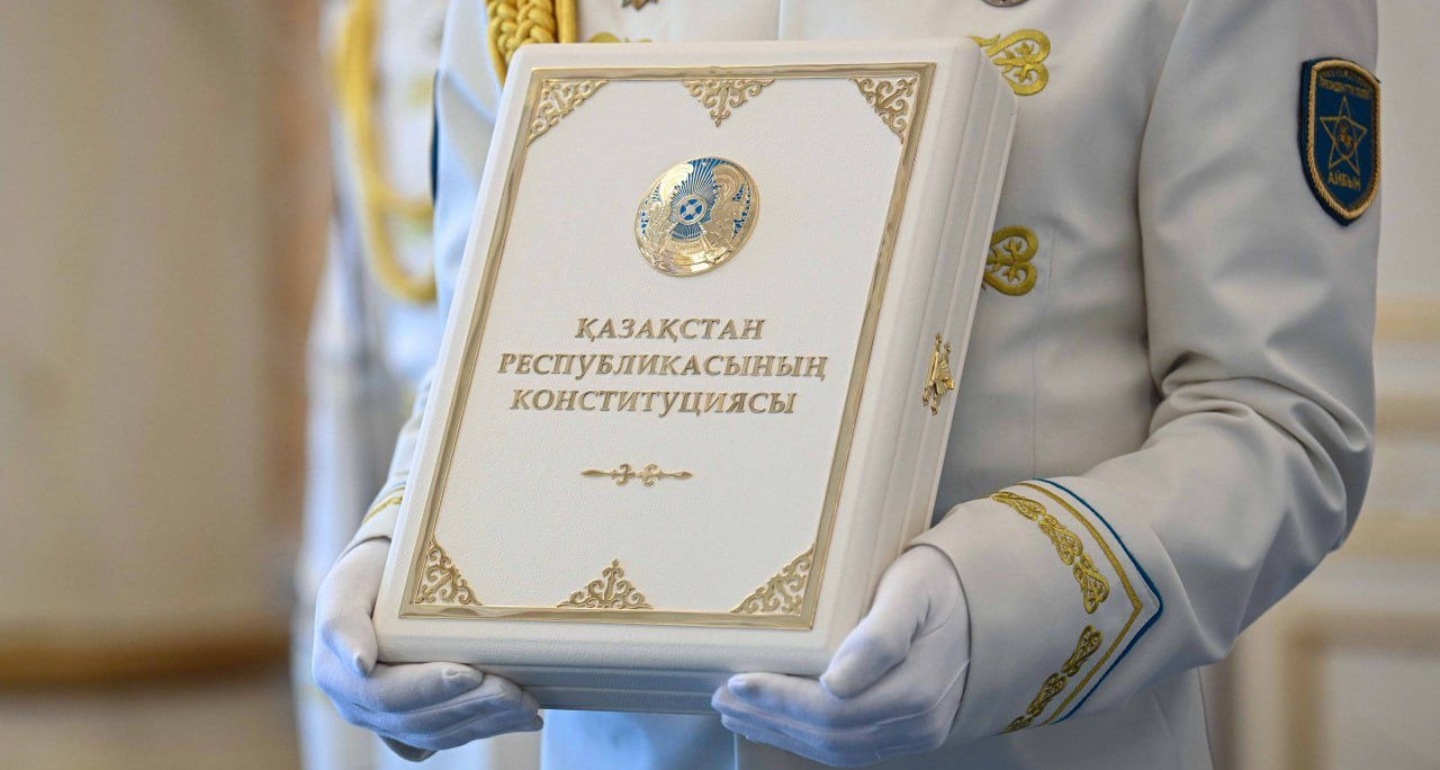
Tokayev’s predecessor, Nursultan Nazarbayev, outlined arrangements for a power transition too soon and in too much detail, ultimately losing control over the process. Tokayev is determined not to meet the same fate.

Temur Umarov

Despite unhappiness on the ground, Moscow is determined to use both carrot and stick to ensure there is record support for United Russia in occupied Ukraine.

Konstantin Skorkin

Whether PAS can refocus on the unfinished business of state-building may ultimately prove more consequential for Moldova’s European future than the pace of its accession negotiations.
Balázs Jarábik
Medvedev’s defeat in the battle for the position of speaker appears to signal that the long process of his marginalization in Russian politics has passed the point of no return.

Andrey Pertsev