

Commentary
Sarah Chayes
{
  "authors": [
    "Sarah Chayes"
  ],
  "type": "legacyinthemedia",
  "centerAffiliationAll": "dc",
  "centers": [
    "Carnegie Endowment for International Peace"
  ],
  "collections": [
    "Arab Awakening",
    "Democracy and Governance"
  ],
  "englishNewsletterAll": "democracy",
  "nonEnglishNewsletterAll": "",
  "primaryCenter": "Carnegie Endowment for International Peace",
  "programAffiliation": "DCG",
  "programs": [
    "Democracy, Conflict, and Governance"
  ],
  "projects": [],
  "regions": [
    "North Africa",
    "Tunisia"
  ],
  "topics": [
    "Political Reform",
    "Democracy",
    "Civil Society"
  ]
}
Source: Getty
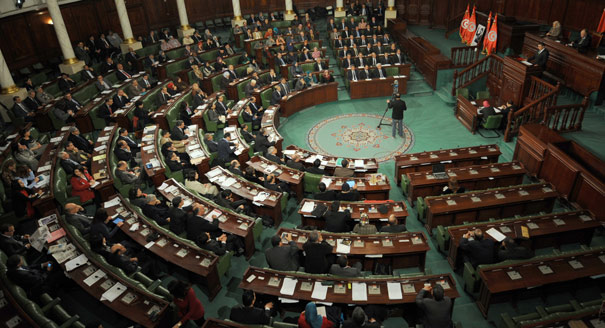
The selection of a coalition of labor union leaders, businesspeople, lawyers, and human rights activists for the 2015 Nobel Peace Prize raised attention and hopes for Tunisia’s transition process.
Source: WNYC Takeaway
The Norwegian Nobel Committee awarded the 2015 Nobel Peace Prize to a coalition of labor union leaders, businesspeople, lawyers, and human rights activists in recognition of their efforts to negotiate a peaceful end to the political crisis in Tunisia in 2013-14. Speaking on WNYC Takeaway with John Hockenberry, Carnegie’s Sarah Chayes explained who these groups were, how they achieved this breakthrough, and why the regional and local political context of the Arab Spring was key to the process. She pointed out that Tunisia’s political leaders after the Arab Spring had little experience in negotiation and revealed how the labor and business leaders taught the political leaders to resolve their differences peacefully. In addition, the government crackdown on Islamists in Egypt following the fall of President Morsi in Egypt as well as a number of assassinations of leftist political leaders in Tunisia spurred the resolution of the crisis, Chayes explained.
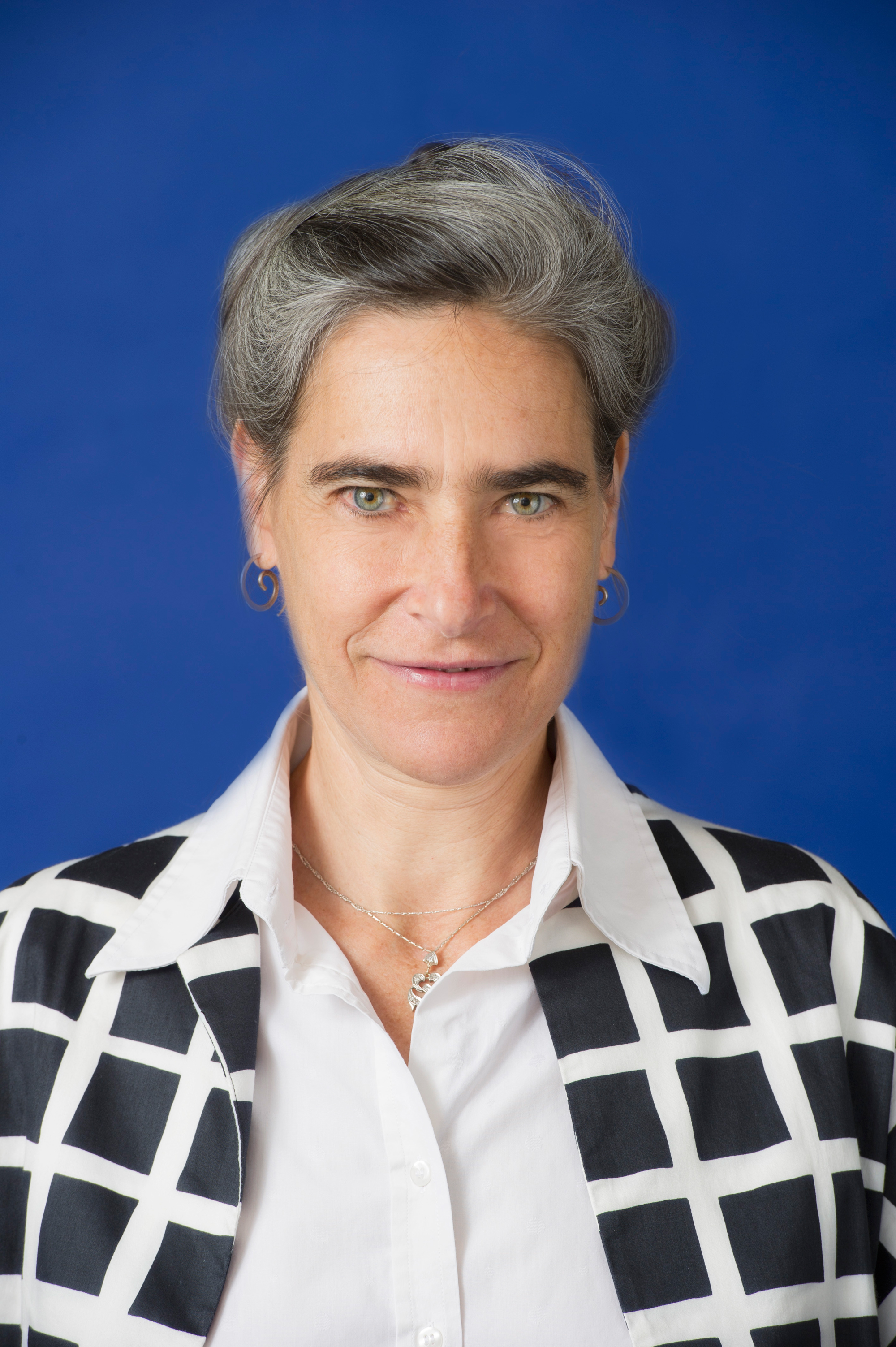
Former Senior Fellow, Democracy, Conflict, and Governance Program
Sarah Chayes is internationally recognized for her innovative thinking on corruption and its implications. Her work explores how severe corruption can help prompt such crises as terrorism, revolutions and their violent aftermaths, and environmental degradation.
Recent Work
Sarah Chayes
Carnegie does not take institutional positions on public policy issues; the views represented herein are those of the author(s) and do not necessarily reflect the views of Carnegie, its staff, or its trustees.

If the Russian-speaking community in Latvia cannot articulate their interests without being seen as disloyal, they could end up embracing a pro-Kremlin agenda.

Sergejs Potapkins

Russia’s ruling party would have benefited from Putin appearing as its distant patron, but as an active frontman imposing his views on the public, he has done nothing but harm both the party’s election campaign and the ruling system overall.

Andrey Pertsev

In the tenth year of his presidency, President Mirziyoyev’s system is becoming even more personalized than that of his predecessor Karimov.

Galiya Ibragimova
A regime founded on force, coercion, and repression does not want its propaganda, with all its flaws of logic, omissions, and outright lies, to be competing with the most simple of all messages: Thou shalt not kill.

Leonid Bershidsky

The greater threat to Zelensky comes not from Fedorov alone, but from the convergence between the former defense minister’s political campaign and the anti-corruption investigations moving ever closer to the presidential administration.

Balázs Jarábik