

In The Media
Jessica Tuchman Mathews
{
  "authors": [
    "Jessica Tuchman Mathews"
  ],
  "type": "legacyinthemedia",
  "centerAffiliationAll": "",
  "centers": [
    "Carnegie Endowment for International Peace"
  ],
  "collections": [],
  "englishNewsletterAll": "",
  "nonEnglishNewsletterAll": "",
  "primaryCenter": "Carnegie Endowment for International Peace",
  "programAffiliation": "",
  "programs": [],
  "projects": [],
  "regions": [
    "North America",
    "United States"
  ],
  "topics": [
    "Foreign Policy"
  ]
}
Source: Getty
Against all expectation, the massive proliferation of largely unedited new media has made it easier to locate top-quality work and to identify the individuals and institutions that are consistently producing it.
Source: Washington Post
Back in the “old media” days, what defined a think tank’s influence and impact was not the quality of its research and writing but how innovative and determined it could be in getting its work to those in and out of government who could act on it. Gaining traction wasn’t easy.
Institutions would draft a press release and for a major study perhaps hold a press conference or some kind of launch event. If you got a story in one of the big four papers — the New York Times, The Washington Post, the Wall Street Journal or the Los Angeles Times — it was an enormous coup, but those were rare. Space on one of those papers’ op-ed pages was even rarer.Realizing the difficulty and their lack of options, most groups stopped there — spending 5 percent or so of their total efforts on a project on outreach. The organizations that really made a difference, however, realized that getting their results into the hands and heads of those who could use it was its own challenge, requiring as much as a quarter of a project’s total effort and equal creativity.
Twitter, Facebook, individual blogs and forums at first seemed a threat, requiring the think tanks that demanded rigorous peer review before publication to loosen their control, and threatening to diminish quality and rigor where these are the name of the game. Luckily, it hasn’t turned out that way.
Instead, these new media have opened dozens of channels for think tanks to reach their audience and made those outlets easily accessible by everyone from students to secretaries of state. Technology has lowered operating costs, making it possible to reach an international audience (a must in an increasingly globalized world) almost as easily as a national one.
In the old days, an institution’s reputation lagged its reality for a frustratingly long time, both on the way up, as the quality of its work was improving but the outside world hadn’t yet caught on, and on the way down, when for many years it could enjoy a much better reputation than its current work deserved. Today, the lag time has shrunk. Think tanks’ audiences can rely less on a reputation that may be out of date and more on where strength and quality can currently be found.
Against all expectation, the massive proliferation of largely unedited new media has made it easier to locate top-quality work and to identify the individuals and institutions that are consistently producing it. There is a tremendous amount of clutter on social media, of course, but it can be navigated around. More importantly, we’re seeing the best and most important information more quickly rise to the top. Who would have thought?
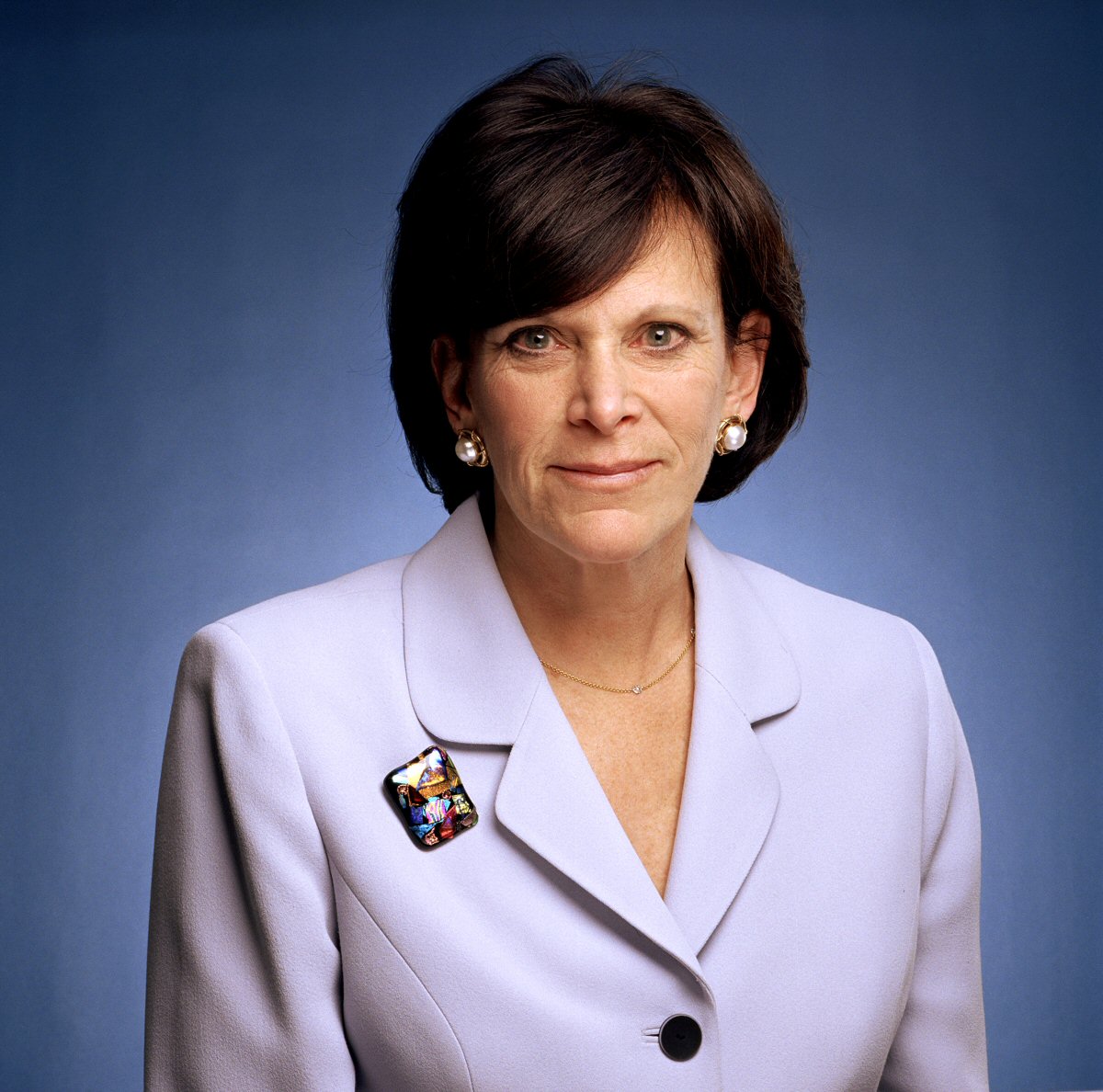
Distinguished Fellow
Mathews is a distinguished fellow at the Carnegie Endowment for International Peace. She served as Carnegie’s president for 18 years.
Recent Work
Jessica Tuchman Mathews
Jessica Tuchman Mathews
Carnegie does not take institutional positions on public policy issues; the views represented herein are those of the author(s) and do not necessarily reflect the views of Carnegie, its staff, or its trustees.

With the growth in points of friction between the great powers, organizations like the SCO will continue to play a role in the strategic adaptation of the smaller powers caught between them.

Temur Umarov

When faced with fuel shortages in the past, Central Asian governments could always count on additional supplies from Moscow. That safety net no longer exists.

Galiya Ibragimova

Despite unhappiness on the ground, Moscow is determined to use both carrot and stick to ensure there is record support for United Russia in occupied Ukraine.

Konstantin Skorkin

The recent damage inflicted by Ukrainian drones and missiles on Russia has made Belarus aware of its own vulnerabilities—and surprisingly amenable to Kyiv’s demands.

Artyom Shraibman
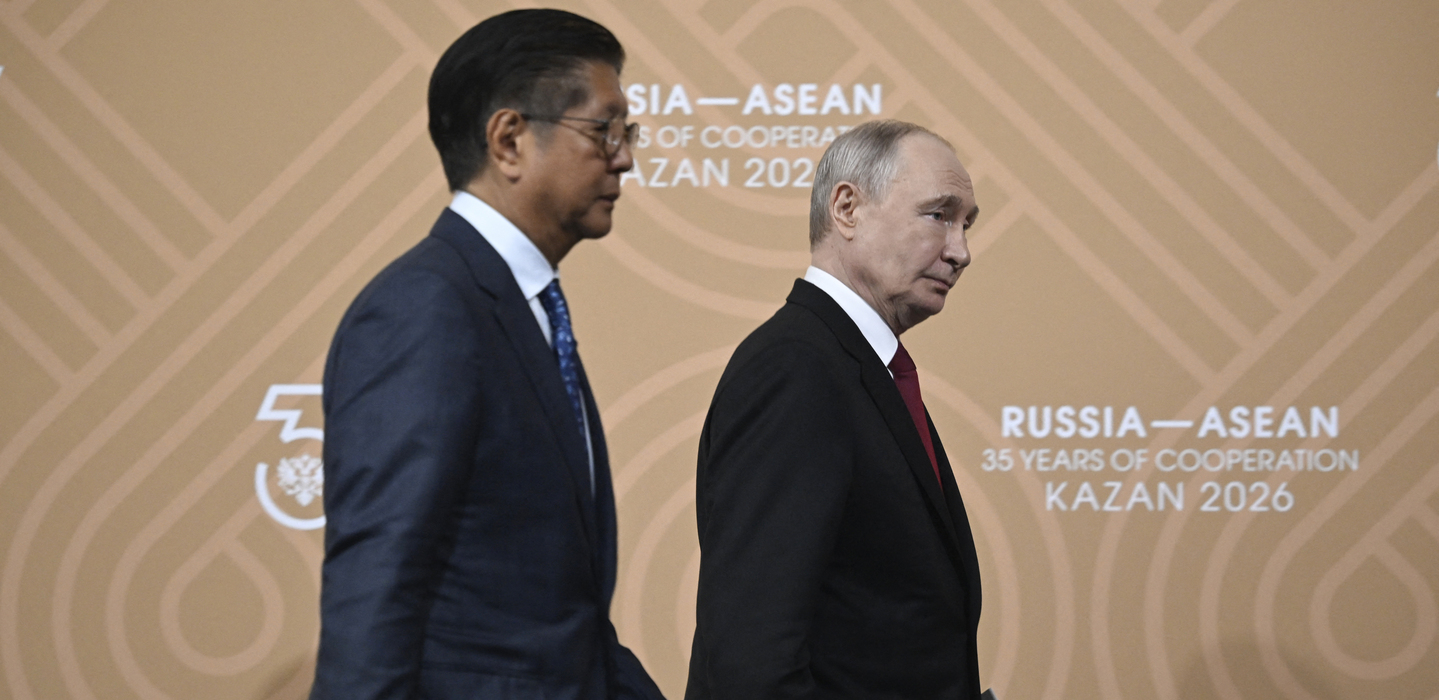
Russia looks set to reap economic benefits from closer ties with Southeast Asian countries that are keen to find reliable energy suppliers and diversify trade ties.

Alexander Gabuev