

Geological complexity and years of mismanagement mean the Venezuelan oil industry is not the big prize officials in Moscow and Washington appear to believe.
Sergey Vakulenko
{
"authors": [
"Adam R. Brandt",
"Yuchi Sun",
"Sharad Bharadwaj",
"David Livingston",
"Eugene Tan",
"Deborah Gordon"
],
"type": "other",
"centerAffiliationAll": "dc",
"centers": [
"Carnegie Endowment for International Peace"
],
"collections": [],
"englishNewsletterAll": "",
"nonEnglishNewsletterAll": "",
"primaryCenter": "Carnegie Endowment for International Peace",
"programAffiliation": "SCP",
"programs": [
"Sustainability, Climate, and Geopolitics"
],
"projects": [
"Carnegie Oil Initiative"
],
"regions": [
"North America"
],
"topics": [
"Climate Change"
]
}Source: Getty
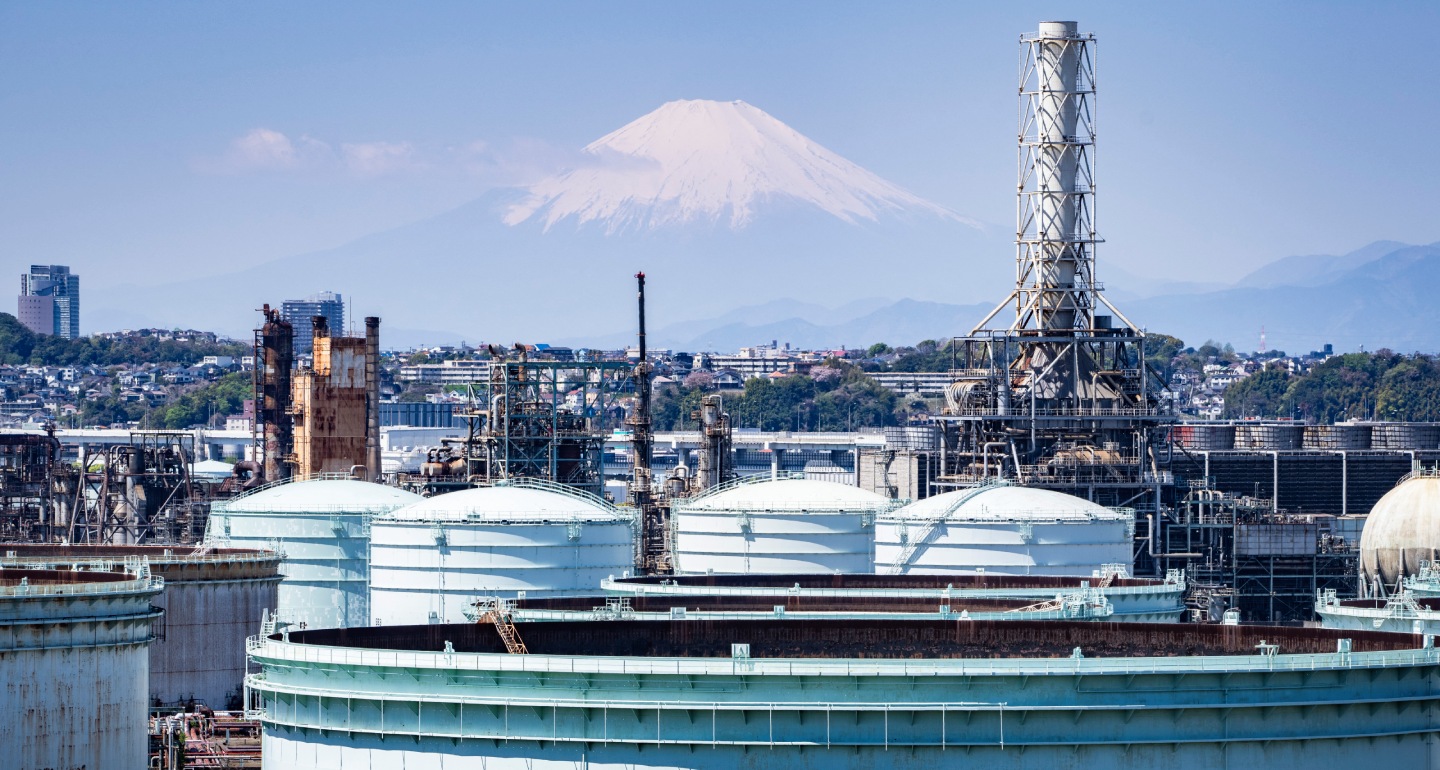
In order to better understand the drivers of the energy productivity of oil production, it is possible to apply a detailed field-level engineering model of oil and gas production to estimate energy requirements of drilling, producing, processing, and transporting crude oil.
Source: Plos One
Studies of the energy return on investment (EROI) for oil production generally rely on aggregated statistics for large regions or countries. In order to better understand the drivers of the energy productivity of oil production, we use a novel approach that applies a detailed field-level engineering model of oil and gas production to estimate energy requirements of drilling, producing, processing, and transporting crude oil. We examine 40 global oilfields, utilizing detailed data for each field from hundreds of technical and scientific data sources.
Resulting net energy return (NER) ratios for studied oil fields range from ≈2 to ≈100 MJ crude oil produced per MJ of total fuels consumed. External energy return (EER) ratios, which compare energy produced to energy consumed from external sources, exceed 1000:1 for fields that are largely self-sufficient. The lowest energy returns are found to come from thermally-enhanced oil recovery technologies.
Results are generally insensitive to reasonable ranges of assumptions explored in sensitivity analysis. Fields with very large associated gas production are sensitive to assumptions about surface fluids processing due to the shifts in energy consumed under different gas treatment configurations. This model does not currently include energy invested in building oilfield capital equipment (e.g., drilling rigs), nor does it include other indirect energy uses such as labor or services....
Read the full text of this article on Plos One.
Carnegie does not take institutional positions on public policy issues; the views represented herein are those of the author(s) and do not necessarily reflect the views of Carnegie, its staff, or its trustees.
Geological complexity and years of mismanagement mean the Venezuelan oil industry is not the big prize officials in Moscow and Washington appear to believe.
Sergey Vakulenko
Inflicting damage on oil infrastructure in Russia that is used by Kazakhstan and a whole series of Western oil majors risks backfiring on Kyiv.
Sergey Vakulenko
Mutual suspicion between Moscow and Ankara is growing as Türkiye cozies up to Washington and NATO while reducing its dependence on Russian energy.
Ruslan Suleymanov
Much depends on Washington’s appetite for enforcement when it comes to the effectiveness of the sanctions on oil majors Lukoil and Rosneft.
Sergey Vakulenko
Kyiv’s unprecedented strike campaign on Russian oil refineries has inflicted serious—but likely not critical—damage on the country’s ability to produce fuel.
Sergey Vakulenko