

Commentary
When faced with fuel shortages in the past, Central Asian governments could always count on additional supplies from Moscow. That safety net no longer exists.
Galiya Ibragimova
{
  "authors": [
    "David Livingston",
    "Clark Miller",
    "Kate Gordon",
    "Lindene Patton",
    "Nancy Colleton"
  ],
  "type": "other",
  "centerAffiliationAll": "dc",
  "centers": [
    "Carnegie Endowment for International Peace"
  ],
  "collections": [],
  "englishNewsletterAll": "ctw",
  "nonEnglishNewsletterAll": "",
  "primaryCenter": "Carnegie Endowment for International Peace",
  "programAffiliation": "SCP",
  "programs": [
    "Sustainability, Climate, and Geopolitics"
  ],
  "projects": [],
  "regions": [
    "North America",
    "United States"
  ],
  "topics": [
    "Economy",
    "Climate Change"
  ]
}
Source: Getty
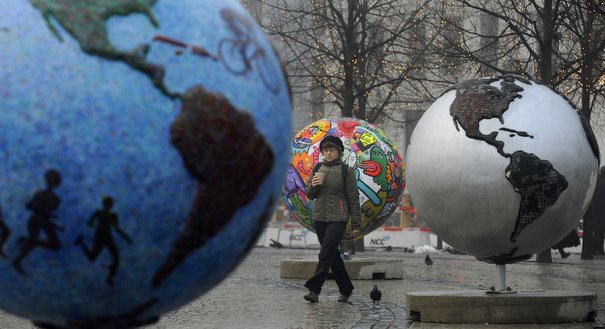
A discussion of how business can incorporate climate risks assessments and resiliency into its planning and investments in its supply chain, workforce, and infrastructure.
Source: Security and Sustainability Forum
SSF and Arizona State University’s Global Security Initiative had their fourth webinar in the five-part series on Global Climate Security. This webinar examined how business is valuing climate impacts. To view the earlier webinar videos, go to the Security and Sustainability Forum archives.
Independent of government planning and preparedness for resiliency, business has decisions to make in terms of infrastructure and supply chain dependability. The first is a local issue, but the second is a global one, especially for international companies. Concerns are likely different depending on location and the inputs to development of goods and services. The webinar focused on how business can incorporate climate risks assessments and resiliency into its planning and investments in its supply chain, workforce and infrastructure.
This webinar was originally hosted by the Security and Sustainability Forum.
Former Associate Fellow, Energy and Climate Program
Livingston was an associate fellow in Carnegie’s Energy and Climate Program, where his research focuses on emerging markets, technologies, and risks.
Clark Miller
Nonresident Scholar, Carnegie California
Kate Gordon is a nonresident scholar at Carnegie California.
Lindene Patton
Nancy Colleton
Carnegie does not take institutional positions on public policy issues; the views represented herein are those of the author(s) and do not necessarily reflect the views of Carnegie, its staff, or its trustees.

When faced with fuel shortages in the past, Central Asian governments could always count on additional supplies from Moscow. That safety net no longer exists.

Galiya Ibragimova
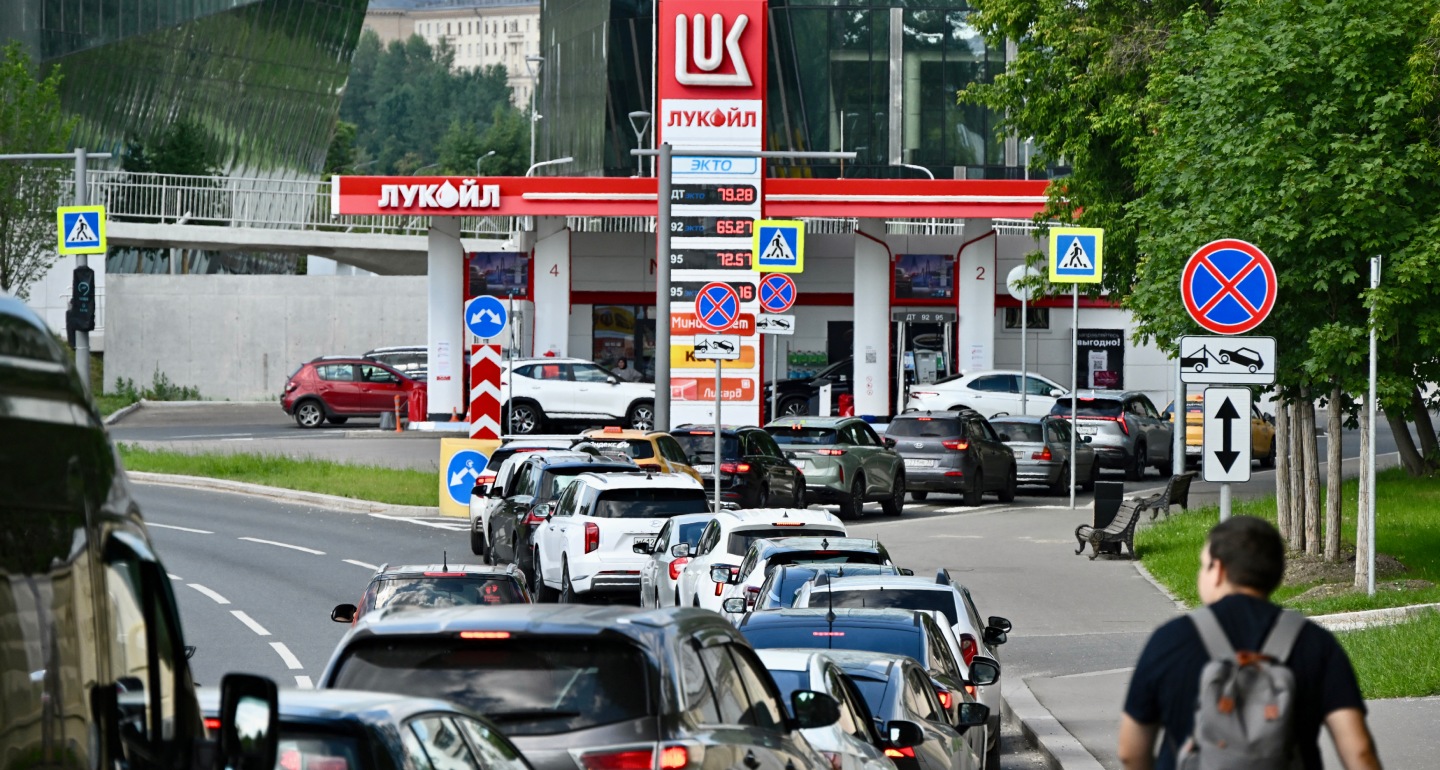
Official discussions about mini oil refineries are unlikely to come to anything—but the mere fact they’re happening reveals the regime is failing to deliver a functioning economy.

Sergey Vakulenko
Ongoing uncertainty in the Middle East allows Moscow to both increase its influence in Tehran and continue to enjoy the financial windfall of higher oil prices.

Nikita Smagin

A much-discussed disagreement over internet restrictions in Russia was never an existential threat for Putin: It was about elite groups protecting their interests.

Alexandra Prokopenko

The demands of the Kremlin’s war in Ukraine, demographic problems, and public hostility toward Central Asians mean Russia does not have enough workers.

Salavat Abylkalikov