

Other
François Godement, Ashley J. Tellis
{
  "authors": [
    "François Godement"
  ],
  "type": "legacyinthemedia",
  "centerAffiliationAll": "dc",
  "centers": [
    "Carnegie Endowment for International Peace"
  ],
  "collections": [],
  "englishNewsletterAll": "asia",
  "nonEnglishNewsletterAll": "",
  "primaryCenter": "Carnegie Endowment for International Peace",
  "programAffiliation": "AP",
  "programs": [
    "Asia"
  ],
  "projects": [],
  "regions": [
    "East Asia",
    "China"
  ],
  "topics": [
    "Economy",
    "Trade"
  ]
}
Source: Getty
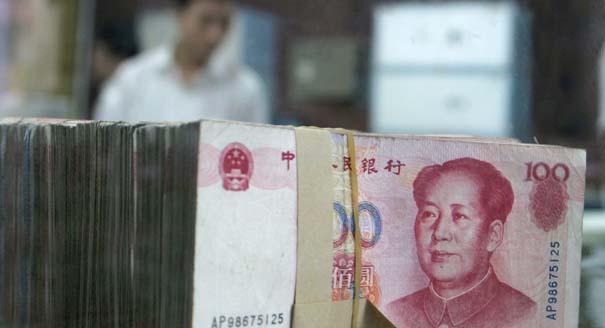
In spite of a troubled summer for the Chinese currency, the International Monetary Fund decided in late November 2015 that the Chinese yuan would join the IMF’s reserve currency basket.
Source: The European Council on Foreign Relations
China faces a stark choice: double down or back down on market reforms in order to achieve its long-held ambition of establishing the yuan as a fully international currency, according to a new report from ECFR.
“China, the yuan and the IMF: Double or quits?” is the latest edition of China Analysis, which examines Chinese-language sources to understand the Chinese view on current affairs. This edition focusses on Chinese reactions to the IMF decision to establish the yuan as a “freely usable currency” with the basket of currencies with Special Drawing Rights (SDR). This move from the IMF comes despite the Chinese yuan falling someway short of being a being a fully internationalised, “freely tradable” currency.
Since the much-discussed slowdown in Chinese growth which has taken place in the last few months, Beijing’s willingness to undertake the required market reforms to internationalise the yuan has seemingly waned. This reluctance is explored by Chinese authors who acknowledge that the Chinese government is unwilling to tolerate the free rising and falling of the yuan.Francois Godement, director of ECFR’s Asia and China programme, said:
“The IMF has made a starkly realist choice. Faced with the risk of becoming irrelevant in a world in which the country with the largest foreign currency reserves was also becoming the largest international public lender, the IMF made a political decision: it has taken into the SDR basket a currency that is “freely used” rather than freely tradable.
“It is clear that on monetary and financial reform, the Chinese authorities are faced with difficult choices that are familiar to poker players : with losses mounting, they could either double the stakes by speeding up reforms aimed at liberalisation, or they could withdraw from the game by going back on capital market moves and monetary internationalisation
“Only a year ago, the government’s problem was how to export capital. Now, the order of the day is keeping capital flows under some degree of control, while sticking for political reasons to the limited capital liberalisation moves adopted to gain the approval of the IMF.” ...
This article was originally published by the European Council on Foreign Relations.

Former Nonresident Senior Fellow, Asia Program
Godement, an expert on Chinese and East Asian strategic and international affairs, was a nonresident senior fellow in the Asia Program at the Carnegie Endowment for International Peace.
Recent Work
François Godement, Ashley J. Tellis

François Godement, Abigaël Vasselier

When faced with fuel shortages in the past, Central Asian governments could always count on additional supplies from Moscow. That safety net no longer exists.

Galiya Ibragimova
Russia looks set to reap economic benefits from closer ties with Southeast Asian countries that are keen to find reliable energy suppliers and diversify trade ties.

Alexander Gabuev
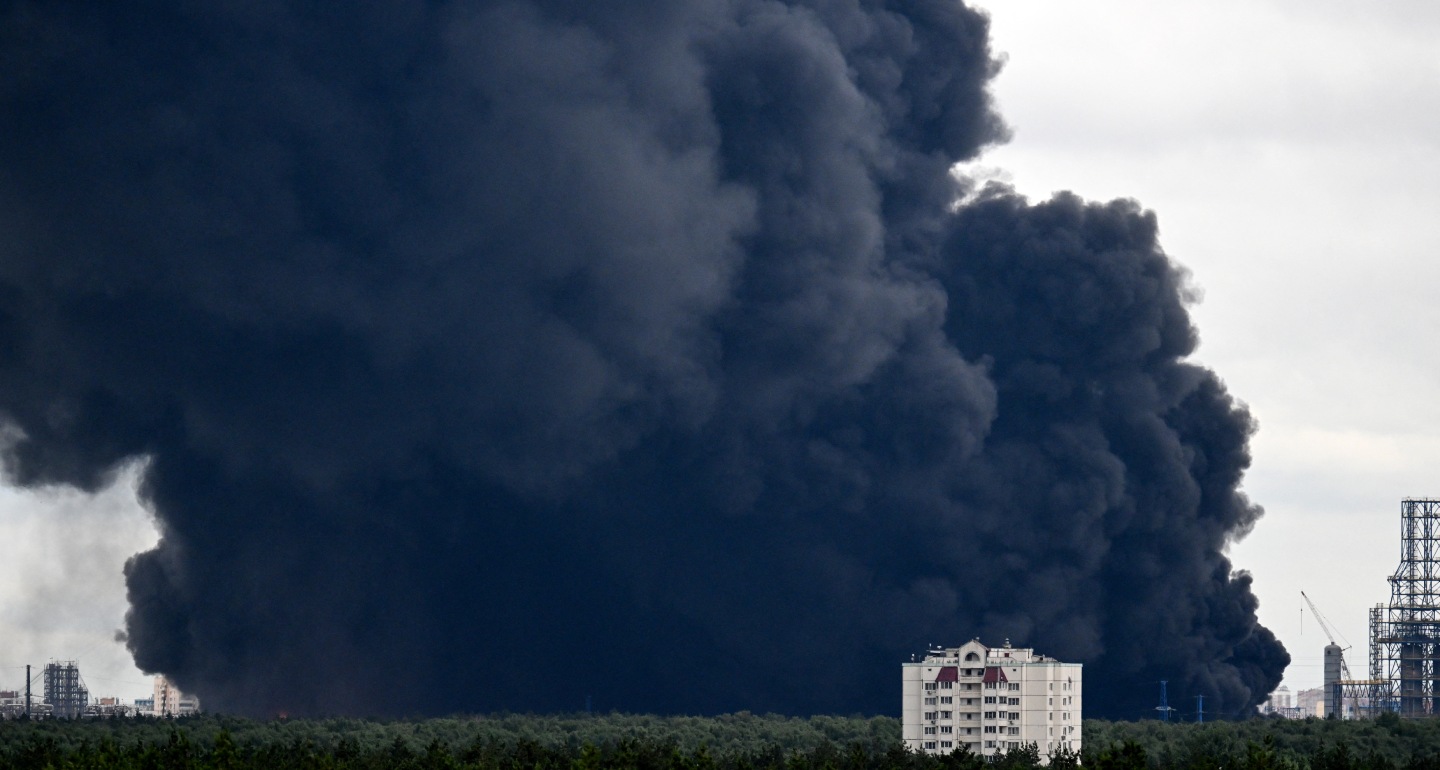
If it proves impossible for the Russian authorities to avoid a gasoline deficit, the question then becomes how they will organize the distribution of a scarce resource.

Sergey Vakulenko

This year’s wars have made alternative routes to transit through Russia no less risky for Central Asian countries.
Galiya Ibragimova
A much-discussed disagreement over internet restrictions in Russia was never an existential threat for Putin: It was about elite groups protecting their interests.

Alexandra Prokopenko