

Commentary
When faced with fuel shortages in the past, Central Asian governments could always count on additional supplies from Moscow. That safety net no longer exists.
Galiya Ibragimova
{
  "authors": [
    "David Livingston",
    "Jeffrey Feldman"
  ],
  "type": "other",
  "centerAffiliationAll": "dc",
  "centers": [
    "Carnegie Endowment for International Peace",
    "Carnegie Europe"
  ],
  "collections": [],
  "englishNewsletterAll": "ctw",
  "nonEnglishNewsletterAll": "",
  "primaryCenter": "Carnegie Endowment for International Peace",
  "programAffiliation": "SCP",
  "programs": [
    "Sustainability, Climate, and Geopolitics"
  ],
  "projects": [],
  "regions": [
    "North America",
    "United States",
    "Eastern Europe",
    "Western Europe"
  ],
  "topics": [
    "Climate Change"
  ]
}
Source: Getty
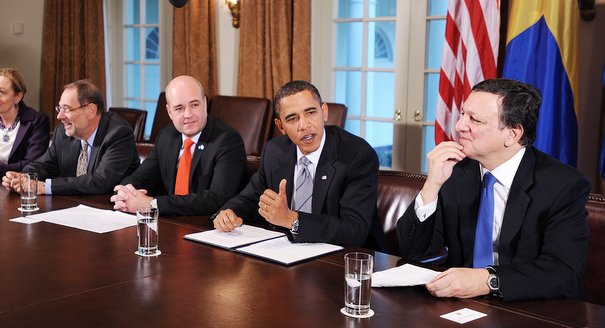
Energy security is critical to a whole range of public policy objectives, but it cannot be successfully addressed in isolation from other policy aims.
Source: Heinrich Boell Stiftung
On both sides of the Atlantic, energy continues to be a complex, multifaceted issue that is relevant for a whole range of public policy objectives. Energy security is one of the most important aspects, but it cannot be successfully addressed in isolation from other public policy aims. The aim of this paper is to shed light on how three policy communities – those dealing with security, foreign policy, and energy issues – can come together to discuss and find solutions to the transatlantic energy agenda in light of transforming energy security realities on both sides of the Atlantic. Its findings are based on a transatlantic workshop series held in Washington D.C., Brussels and Warsaw in 2015.
This report demonstrates the interconnectivity of the different dimensions of energy policy. The report breaks down the policy silos, providing a comprehensive overview of some of the myriad of issues that any 21st century energy order faces. With workshops in Brussels, Warsaw and Washington D.C., this report has escaped the traditional energy security echo chamber by including in its considerations climate milestones, such as the COP21 Paris Climate Agreement, trade developments such as the transatlantic trade and investment partnership (TTIP), global governance as well as regional co-operation such as the link-up of regional carbon-markets and the creation of sustainable low-carbon energy partnerships....
This report was originally published by Heinich Boell Stiftung.
Former Associate Fellow, Energy and Climate Program
Livingston was an associate fellow in Carnegie’s Energy and Climate Program, where his research focuses on emerging markets, technologies, and risks.
Jeffrey Feldman
Former Junior Fellow, Energy and Climate Program
Carnegie does not take institutional positions on public policy issues; the views represented herein are those of the author(s) and do not necessarily reflect the views of Carnegie, its staff, or its trustees.

When faced with fuel shortages in the past, Central Asian governments could always count on additional supplies from Moscow. That safety net no longer exists.

Galiya Ibragimova
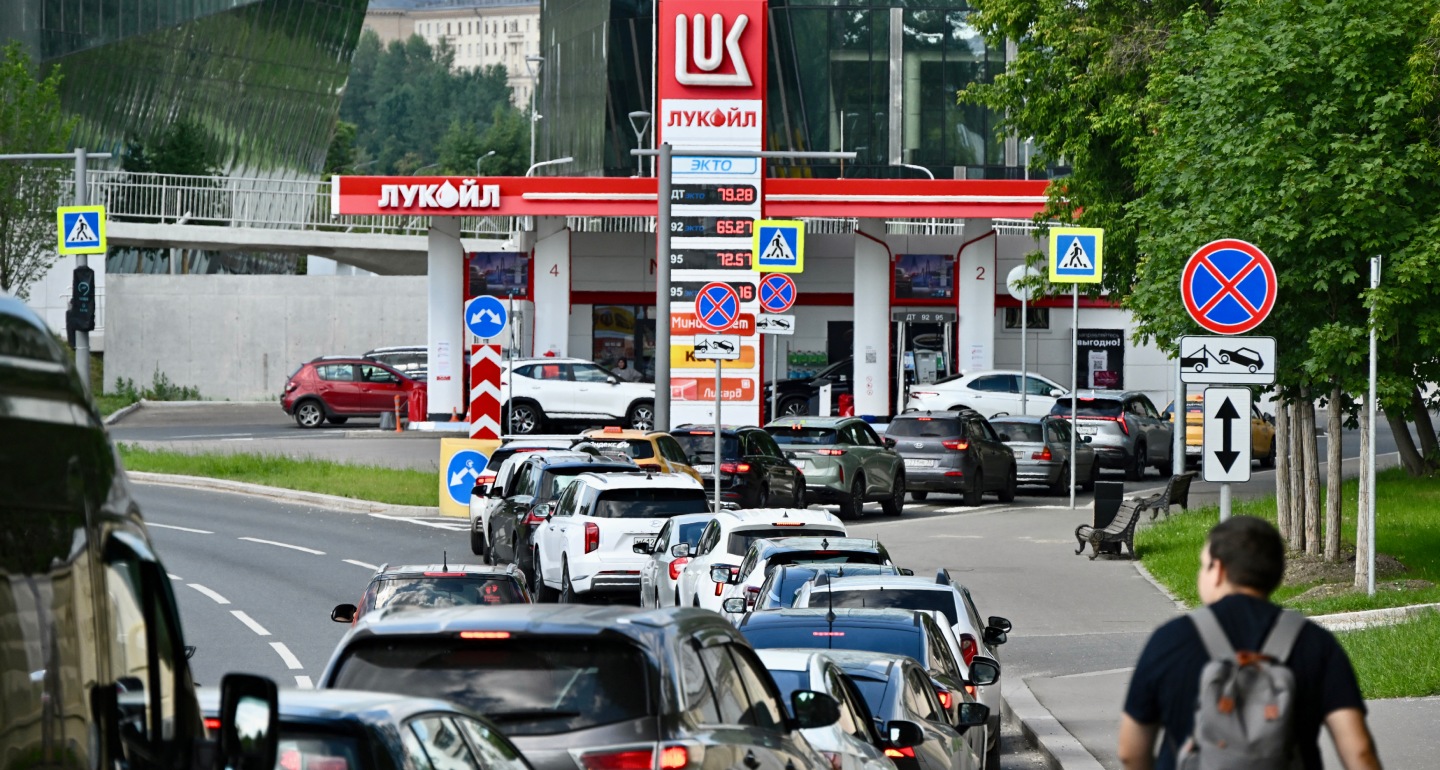
Official discussions about mini oil refineries are unlikely to come to anything—but the mere fact they’re happening reveals the regime is failing to deliver a functioning economy.

Sergey Vakulenko
Ongoing uncertainty in the Middle East allows Moscow to both increase its influence in Tehran and continue to enjoy the financial windfall of higher oil prices.

Nikita Smagin
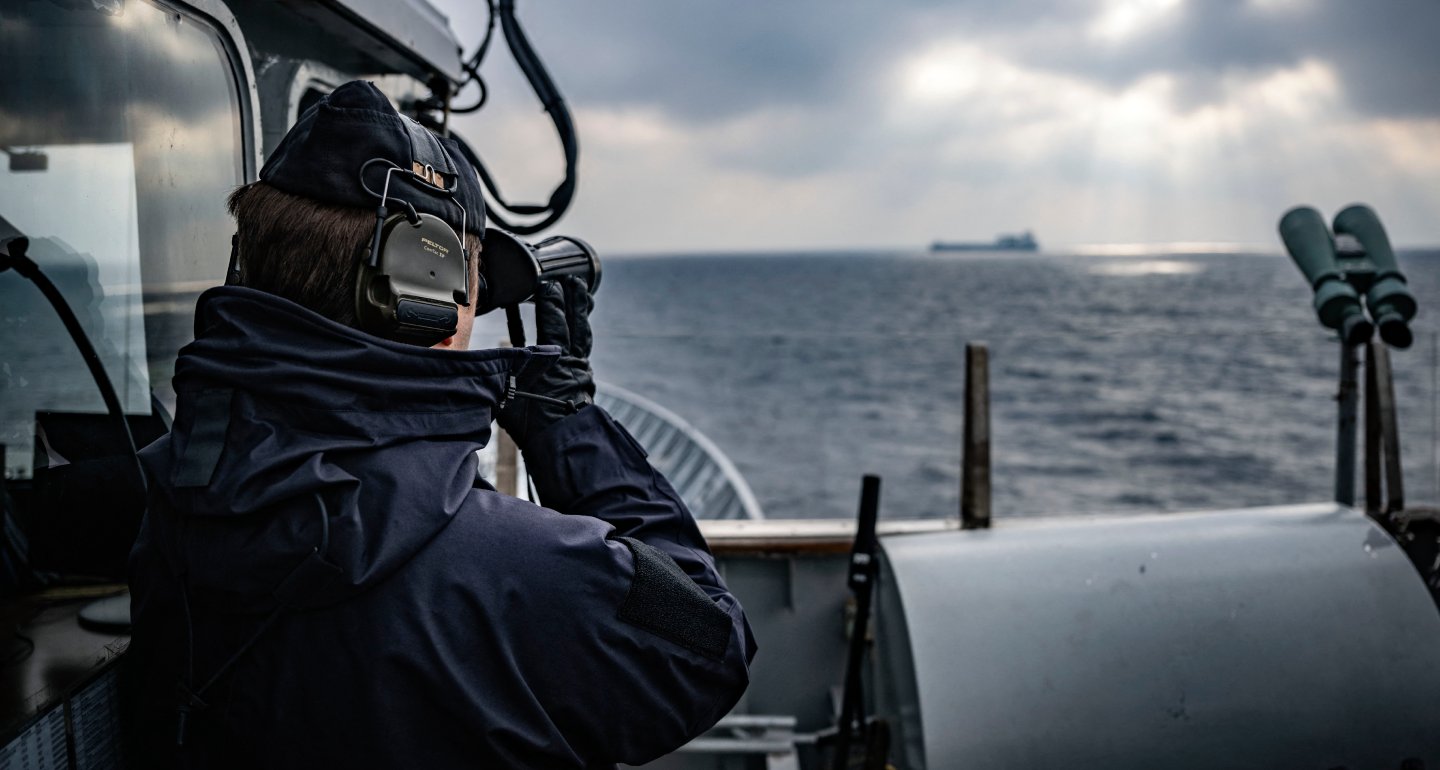
Governments in Estonia, Latvia, and Lithuania want to ensure that a U.S. military withdrawal would not leave them dangerously exposed to a Russian attack.

Sergejs Potapkins
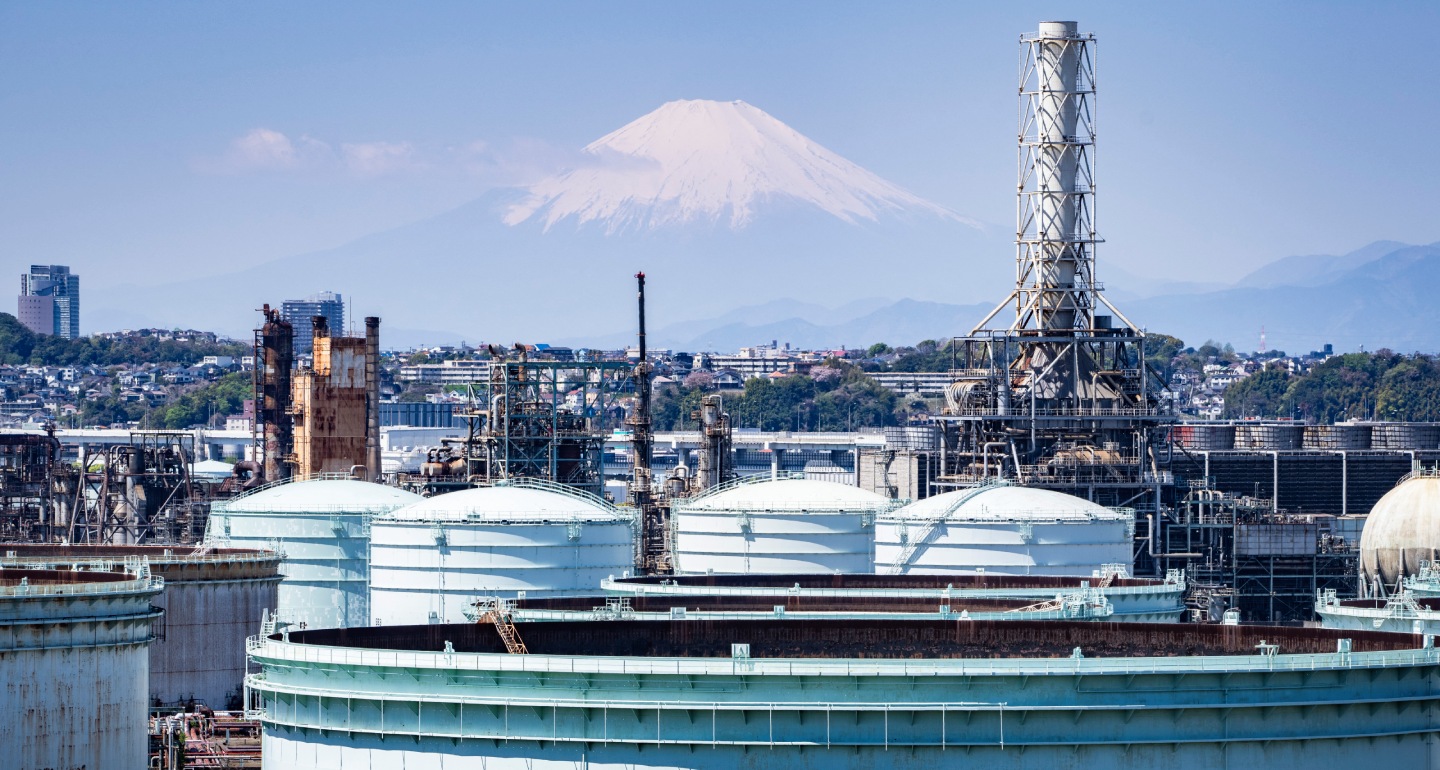
Tokyo would have to surmount a lot of obstacles—not least Western sanctions—if it wanted to return Russian oil imports to even modest pre-2022 volumes.

Vladislav Pashchenko